en
en  русский
 Español
 عربى
عربى
Content
- 1 What Are Healing Designer Plush Toys
- 2 The Psychology Behind Comfort Objects
- 3 Design Elements That Support Emotional Comfort
- 4 Types of Healing Designer Plush Toys
- 5 Emotional Support Across Different Life Stages
- 6 The Broader Wellness Connection
- 7 Choosing a Healing Plush Toy Thoughtfully
- 8 Caring for a Healing Plush Toy
- 9 Important Considerations and Limitations
- 10 Common Mistakes to Avoid
- 11 Frequently Asked Questions
- 12 Final Thoughts
In a world that often moves faster than the human nervous system was built to handle, small sources of comfort matter more than they might initially appear. Healing designer plush toys have emerged as a thoughtful category of emotional support products, blending careful craftsmanship with an understanding of what genuinely soothes people during moments of stress, grief, anxiety, or simple everyday overwhelm. This guide explores what these plush toys are, the ideas behind their design, and how they fit into a broader, healthy approach to emotional wellbeing for both children and adults.
What Are Healing Designer Plush Toys
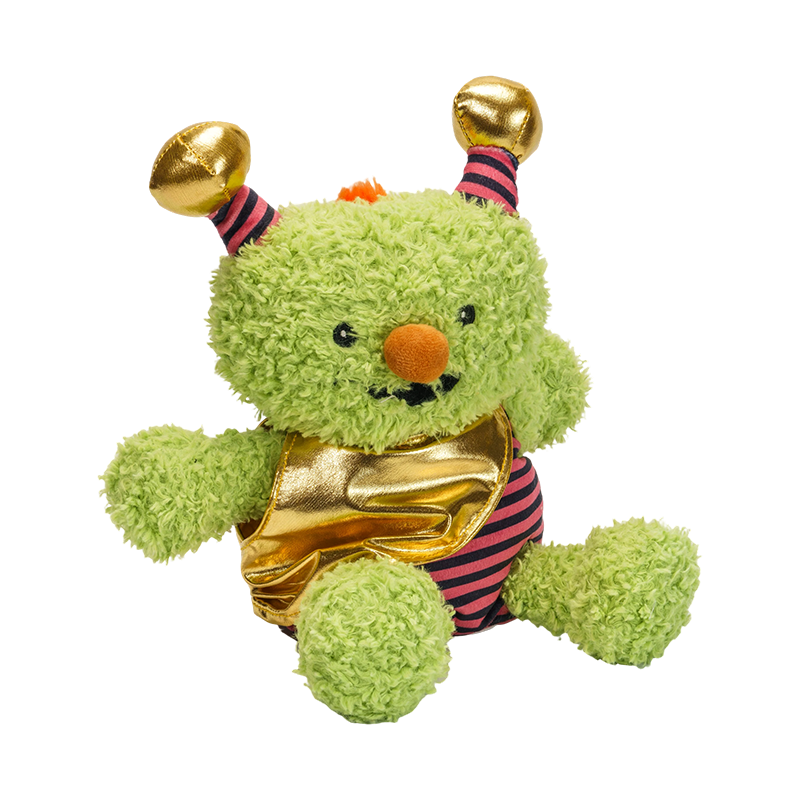
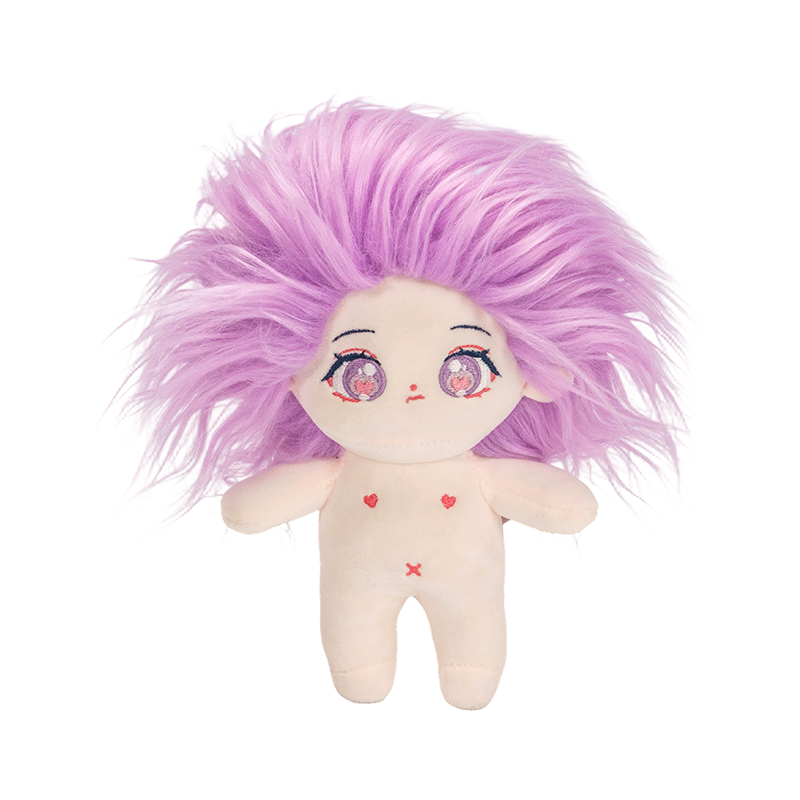
Healing designer plush toys are thoughtfully crafted stuffed companions created with intentional design choices meant to support emotional comfort, rather than simply serving as decorative items or children's playthings. Unlike mass produced novelty plush toys, these products are often developed with attention to texture, weight, facial expression, and even scent, drawing on principles from sensory science and comfort object research to create something that feels genuinely soothing to hold.
The word designer in this context reflects a deliberate, considered approach to construction, often involving premium fabrics, ergonomic shapes suited for hugging or cradling, and expressions designed to feel gentle and non threatening rather than overly cartoonish or emotionally neutral. Many are created in collaboration with therapists, grief counselors, or child development specialists, incorporating features specifically intended to support emotional regulation, such as weighted inserts, soft textured ears for tactile stimulation, or adjustable limbs that allow the toy to be positioned for a comforting embrace.
The Psychology Behind Comfort Objects
The idea that a soft object can provide genuine emotional comfort is not simply anecdotal. Developmental psychology has long recognized the role of what are sometimes called transitional objects, items that help individuals, particularly children, navigate feelings of separation, uncertainty, or emotional overwhelm. These objects work in part because they offer a consistent, predictable source of tactile comfort that does not depend on another person's availability or mood, which can be especially reassuring during moments when a person feels vulnerable or alone.
While this concept is most commonly discussed in relation to young children, adults experience similar benefits from comfort objects, even if social norms sometimes discourage acknowledging this openly. A plush toy kept on a bed, at a desk, or in a bag can serve as a small, private source of grounding during stressful moments, offering a physical point of focus that can help interrupt escalating anxious thoughts or overwhelming emotions.
Key insight: Comfort objects are not a sign of immaturity or dependency. Across the lifespan, humans consistently benefit from tactile, predictable sources of soothing, and a well designed plush toy simply provides a socially accepted, easily accessible way to meet that need.
Design Elements That Support Emotional Comfort
Soft, High Quality Fabric
The texture of a plush toy significantly affects its soothing potential. Premium minky fabrics, brushed cotton, and other soft textured materials are often chosen specifically for their calming tactile qualities, encouraging repeated touching and stroking, a motion that can naturally support nervous system regulation.
Weighted Inserts
Some healing plush toys incorporate small weighted elements, drawing on the same principles found in weighted blankets. This gentle, evenly distributed pressure can create a calming sensation for some individuals, similar to the effect of a firm hug or swaddling.
Gentle Facial Expressions
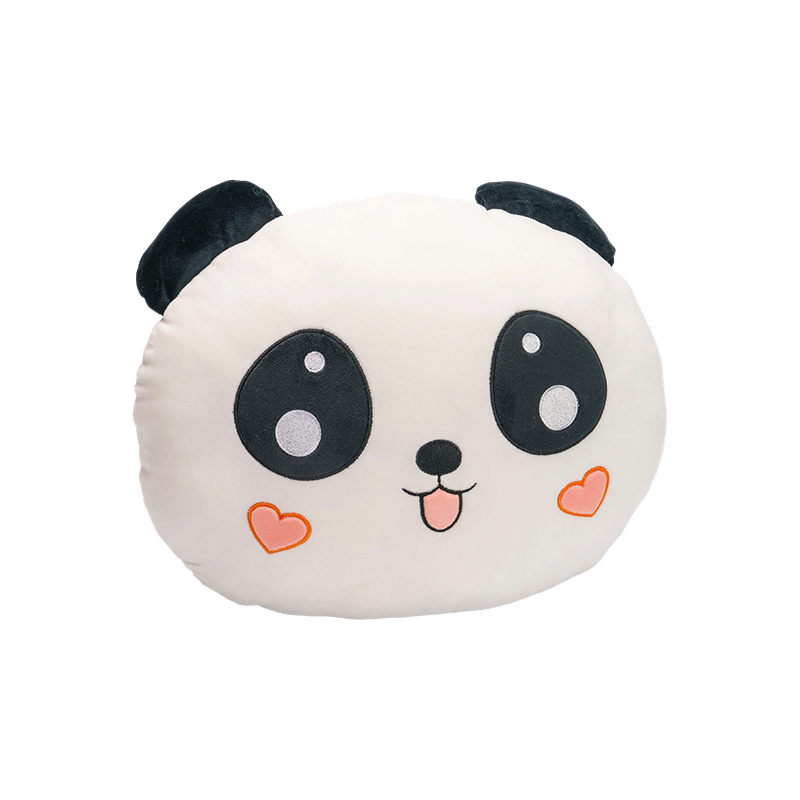
Designers often choose soft, neutral, or subtly warm facial expressions rather than exaggerated cartoon features. This design choice helps the toy feel calm and non intrusive, which can be particularly important for individuals who find overly stimulating visual features overwhelming during moments of distress.
Huggable Proportions
Many healing plush toys are designed with a specific size and shape intended to fit naturally into an embrace, whether tucked under an arm, held against the chest, or positioned for cradling. This ergonomic consideration supports the physical act of holding something close, which can itself contribute to a sense of security.
Customization and Personalization
Some designer plush toys offer personalization options, such as embroidered names, custom color choices, or the ability to include a small pocket for a personal note or keepsake. This personal connection can deepen the emotional significance of the object, particularly for individuals navigating grief or significant life transitions.
Types of Healing Designer Plush Toys
| Type | Common Use | Notable Feature |
|---|---|---|
| Weighted comfort companions | Anxiety support and sensory regulation | Evenly distributed gentle weight |
| Memory keepsake plush | Grief support and remembrance | Personalized embroidery or fabric inserts |
| Scented comfort plush | Sleep support and relaxation | Lavender or calming herbal inserts |
| Sensory texture plush | Tactile stimulation and grounding | Varied fabric textures across the toy |
| Travel sized comfort plush | Portable emotional support | Compact size for bags and pockets |
Choosing among these categories depends on the specific emotional need being addressed. A weighted comfort companion might serve someone managing daily anxiety, while a memory keepsake plush could offer meaningful support during a period of grief, incorporating fabric from a loved one's clothing or a small embroidered message.
Emotional Support Across Different Life Stages
Children and Emotional Development
For children, a healing plush toy can serve as a steady companion during moments of transition, such as starting school, moving to a new home, or adjusting to changes within the family. The consistency of a familiar, soft companion can provide a sense of stability during periods when a child's environment feels unpredictable.
Teenagers, despite social pressures that sometimes discourage attachment to comfort objects, often benefit from having a private, non judgmental source of comfort available during stressful periods such as exams, social difficulties, or family conflict. A discreet, well designed plush toy kept in a bedroom can offer this support without requiring social disclosure.
Adults Managing Daily Stress
Adults juggling work pressures, caregiving responsibilities, and the general demands of daily life can also benefit from a comfort object kept nearby, whether at a desk, in a car, or on a nightstand. This is not a sign of regression, but rather a practical tool for brief moments of grounding throughout a demanding day.
Grief and Loss Support
Memory keepsake plush toys have become an increasingly recognized part of grief support, offering a tangible, huggable connection to a lost loved one. Many grief counselors acknowledge the value of physical objects in supporting the mourning process, and a thoughtfully designed plush companion can serve this role with warmth and dignity.
Hospital and Medical Settings
Healing plush toys are frequently used in pediatric hospital settings to help ease anxiety before procedures, offering children a familiar, soft companion during unfamiliar and often frightening medical experiences. Some hospitals have begun incorporating similar comfort items into adult care settings as well, recognizing the calming benefit across age groups.
The Broader Wellness Connection
Emotional wellness is built from many small, consistent practices, and comfort objects fit naturally into this broader picture alongside habits such as deep breathing, mindful movement, and maintaining supportive social connections. A healing designer plush toy is not a substitute for professional mental health care when it is genuinely needed, but it can serve as a gentle, accessible complement to a person's overall emotional self care routine.
The simple physical act of holding something soft and familiar can help interrupt cycles of escalating stress, offering a brief pause that allows the nervous system a moment to settle. This aligns with broader wellness principles that emphasize the value of small, repeatable grounding practices over relying solely on major interventions during moments of acute distress. Just as a warm cup of tea or a few minutes of quiet breathing can offer meaningful relief during a stressful afternoon, a familiar plush companion can serve a similar grounding function.
Supporting Nervous System Regulation
Gentle, repetitive tactile input, such as stroking a soft fabric surface, is associated with activating the parasympathetic nervous system, the body's natural relaxation response. This physiological effect helps explain why holding a soft, familiar object can genuinely ease feelings of tension, even in adulthood.
Creating Predictable Comfort Rituals
Incorporating a comfort object into a consistent evening routine, such as holding it while reading before bed, can help signal to the body and mind that it is time to wind down. This kind of predictable ritual supports healthier sleep patterns, since the brain begins associating the object and the routine surrounding it with relaxation and rest.
A Gentle Tool During Difficult Emotions
During moments of sadness, worry, or overwhelm, having a soft, familiar object nearby can provide a small but genuine source of comfort while a person works through their feelings, whether alone or while talking with a trusted friend, family member, or therapist. It offers a quiet, non demanding presence during vulnerable moments.
Encouraging Mindful Presence
The simple act of noticing the texture, weight, and softness of a plush toy in one's hands can serve as a small mindfulness exercise, gently redirecting attention away from spiraling thoughts and back toward the present moment. This grounding technique is widely used in anxiety management practices, and a comfort object can serve as a natural, accessible anchor for this kind of attention.
True emotional wellness rarely comes from a single solution. It is built from a collection of small, supportive habits and objects that together create a sense of stability, comfort, and groundedness throughout daily life.
Choosing a Healing Plush Toy Thoughtfully
Selecting the right healing designer plush toy involves considering the specific emotional need it is meant to support, along with practical factors such as size, material, and care requirements.
- Consider whether a weighted, scented, or simply soft textured design best matches the intended comfort need, whether for anxiety support, sleep, or grief.
- Check the fabric composition for softness and durability, particularly if the toy will be handled frequently or held closely each day.
- Look for hypoallergenic materials if the toy is intended for a child or an individual with sensory sensitivities.
- Consider personalization options if the toy is intended as a meaningful keepsake, such as for grief support or a significant life milestone.
- Review care instructions to ensure the toy can be cleaned safely without compromising any weighted or scented internal components.
Practical tip: If choosing a comfort plush for a child during a specific transition, such as starting school or welcoming a new sibling, introducing the toy calmly and without pressure allows the child to form a natural, genuine attachment rather than feeling that the object is being imposed upon them.
Caring for a Healing Plush Toy
- Follow manufacturer washing instructions carefully, as weighted or scented inserts often require gentle, specific cleaning methods to preserve their function.
- Air dry weighted plush toys whenever possible, since high heat drying can sometimes affect the internal weighted material over time.
- Spot clean scented plush toys rather than fully washing them, when possible, to help preserve calming herbal scents such as lavender for longer periods.
- Store the toy in a clean, dry location when not in use to maintain its softness and overall condition for long term comfort.
Important Considerations and Limitations
While healing designer plush toys can offer genuine comfort and support, it is important to view them as one part of a broader emotional wellness toolkit rather than a standalone solution for significant mental health concerns. Individuals experiencing persistent anxiety, depression, grief that feels overwhelming, or other serious emotional difficulties should consider speaking with a qualified mental health professional, who can offer personalized support and guidance. A comfort object can be a meaningful companion alongside professional care, but it is not a replacement for it.
Common Mistakes to Avoid
Choosing Based on Appearance Alone
While aesthetics matter, prioritizing texture, weight, and overall comfort design will typically provide more genuine emotional benefit than selecting a toy based purely on visual appeal.
Overlooking Sensory Sensitivities
Some individuals, particularly those with sensory processing differences, may find certain textures or scents overstimulating rather than calming. Considering individual sensory preferences is essential when selecting a comfort object.
Neglecting Proper Care
Failing to follow appropriate cleaning guidelines can damage weighted inserts or diminish scented components, reducing the long term comfort value of the toy.
Dismissing Adult Use as Inappropriate
Assuming comfort objects are only appropriate for children can prevent adults from accessing a genuinely helpful, low cost emotional support tool during stressful periods.
Frequently Asked Questions
Are healing plush toys only appropriate for children
No, individuals of all ages can benefit from the tactile comfort and grounding effect these toys provide, particularly during moments of stress, transition, or grief.
Can a plush toy actually help with anxiety
Many people find that holding a soft, familiar object provides a grounding, calming effect during anxious moments, though it works best as a complementary tool alongside other coping strategies and, when needed, professional support.
What makes a plush toy specifically designed for healing rather than just a regular toy
Healing designer plush toys typically incorporate intentional features such as calming textures, weighted elements, gentle facial expressions, or personalization options specifically chosen to support emotional comfort rather than simply serve as a decorative or playful item.
Are these toys appropriate for grief support
Yes, many memory keepsake plush toys are specifically designed to support the grieving process, often incorporating personal touches such as embroidered names or fabric connected to a loved one.
Final Thoughts
Healing designer plush toys represent a thoughtful intersection of craftsmanship and emotional care, offering a gentle, accessible source of comfort for children and adults alike. While they are not a replacement for professional mental health support when significant challenges arise, they can serve as a meaningful part of a broader, healthy approach to emotional wellbeing, supporting moments of grounding, comfort, and connection throughout daily life. Whether chosen for a child navigating a big transition, an adult managing everyday stress, or someone working through grief, a well designed comfort companion offers something simple yet genuinely valuable: a soft, steady presence during life's more difficult and uncertain moments.