en
en  русский
 Español
 عربى
عربى
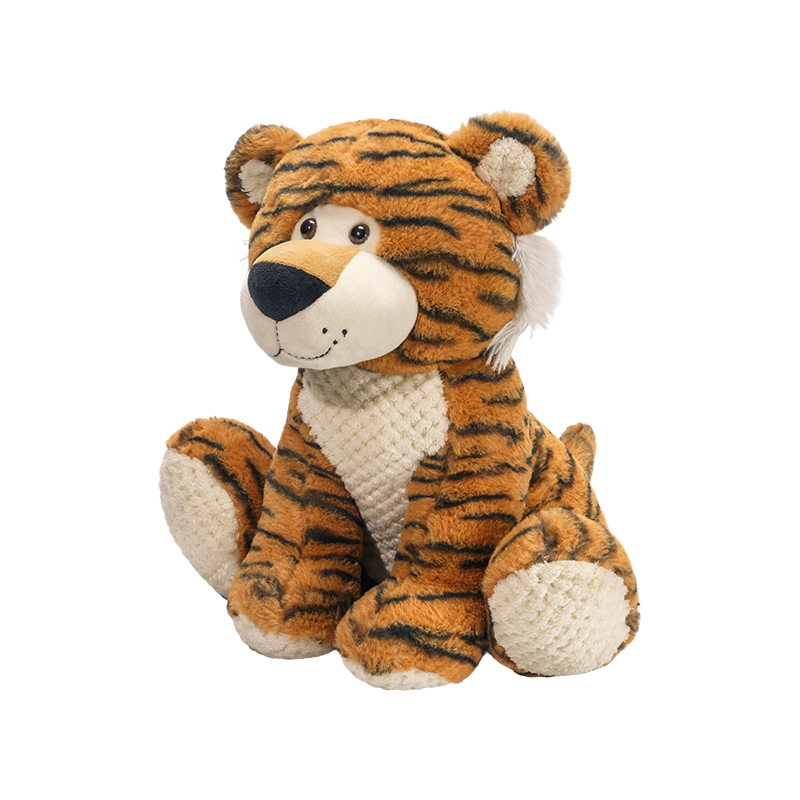
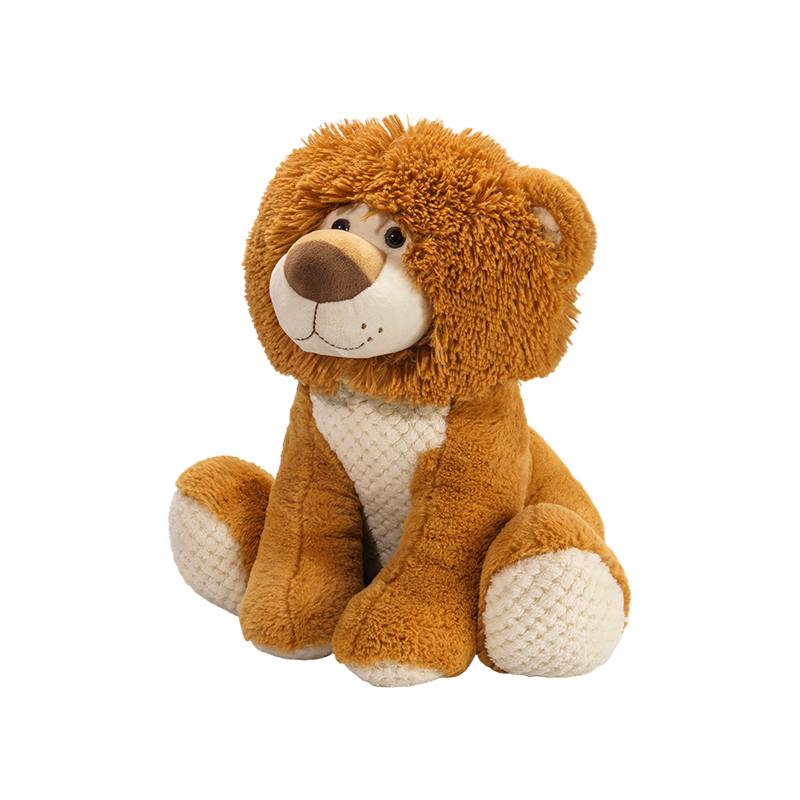
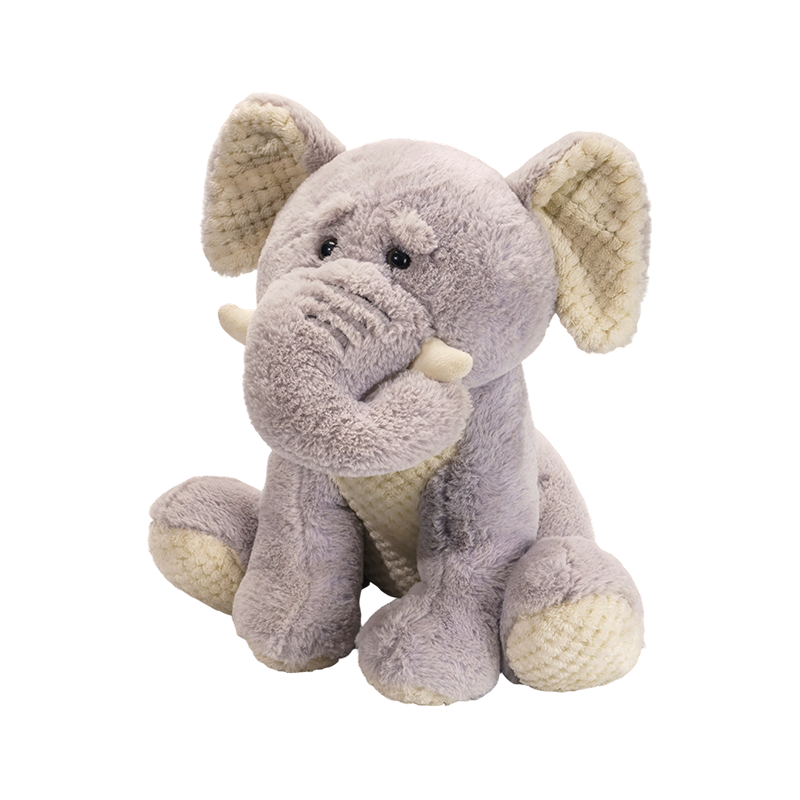
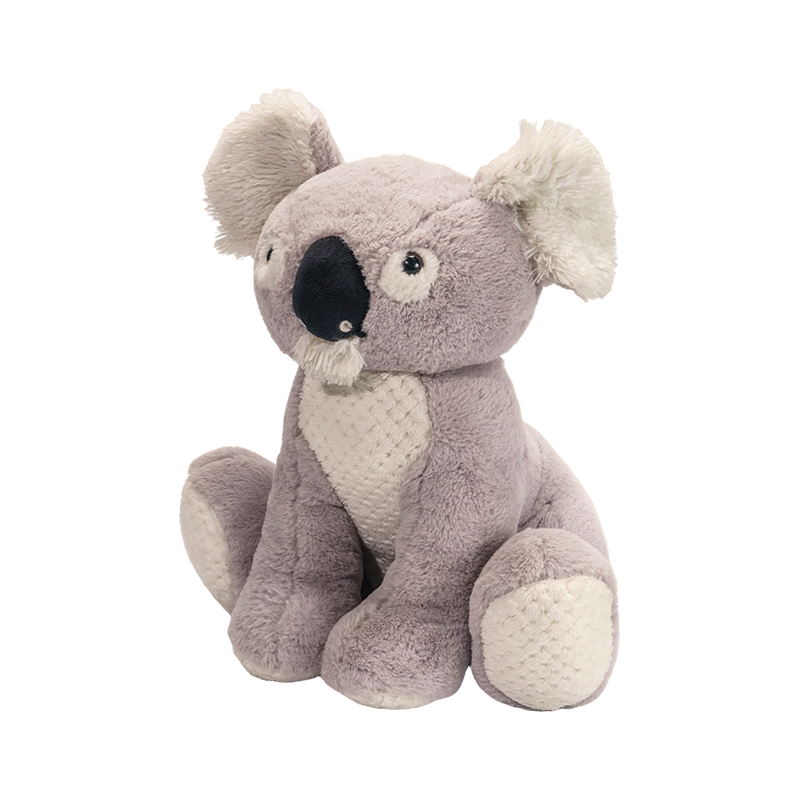
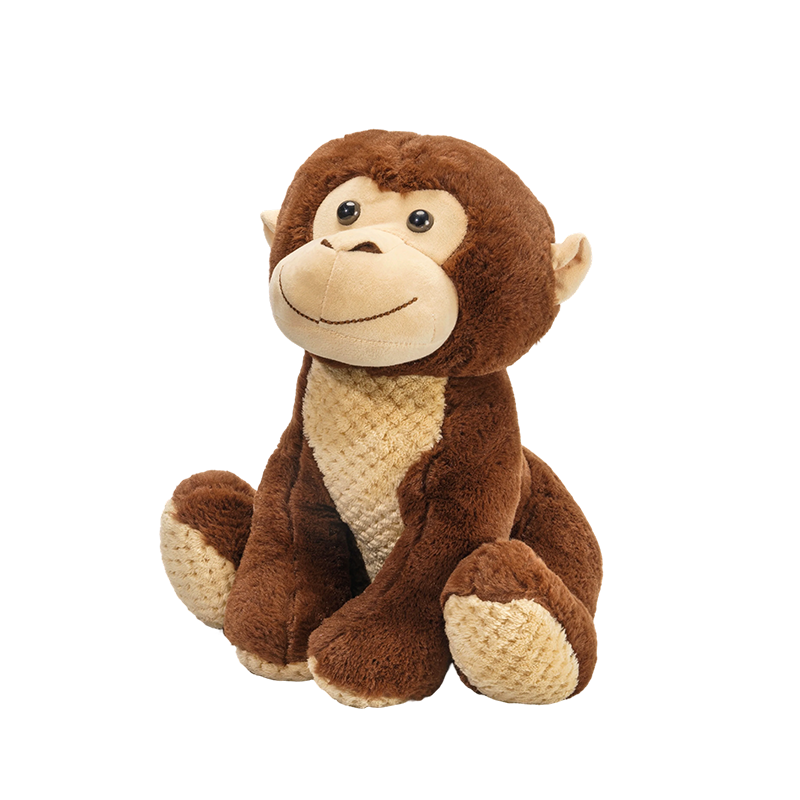
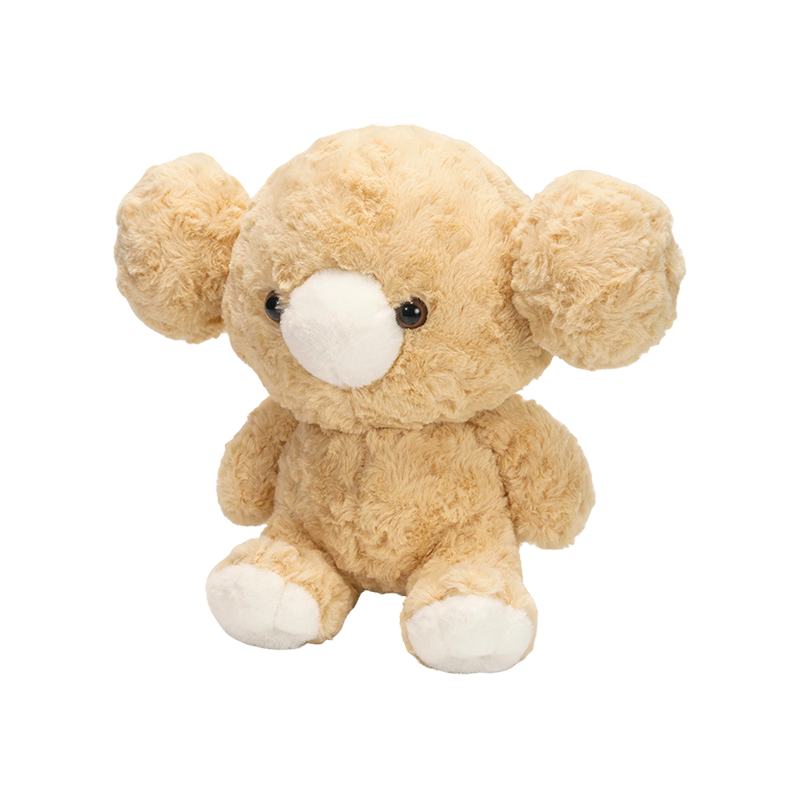
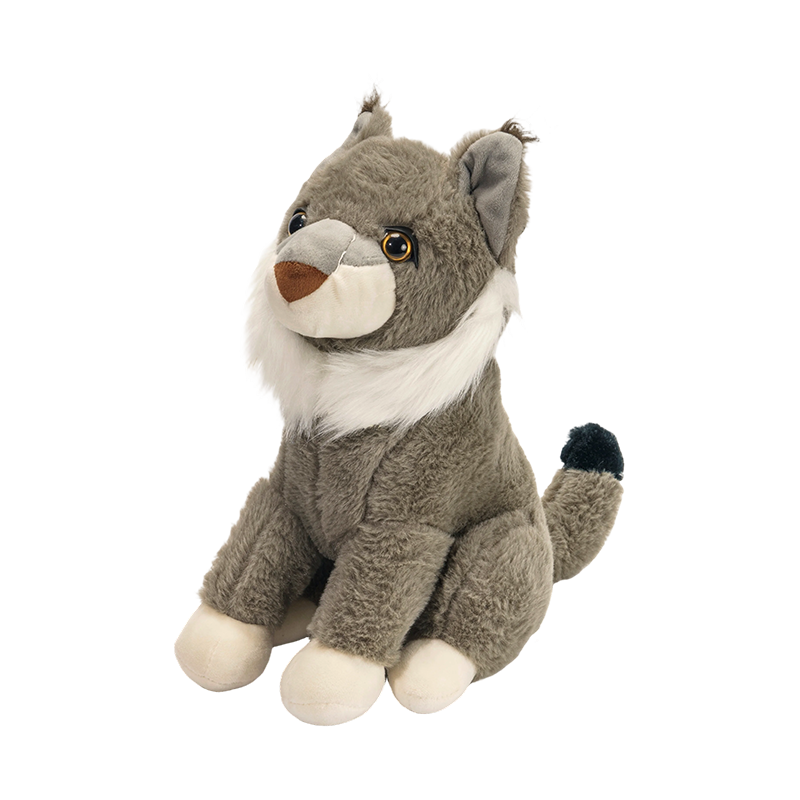
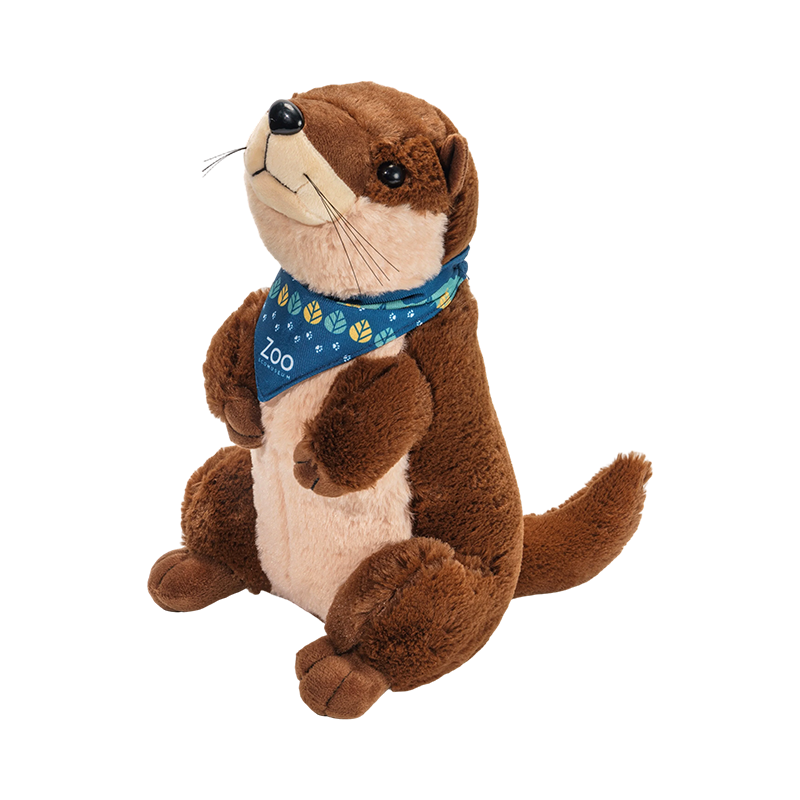
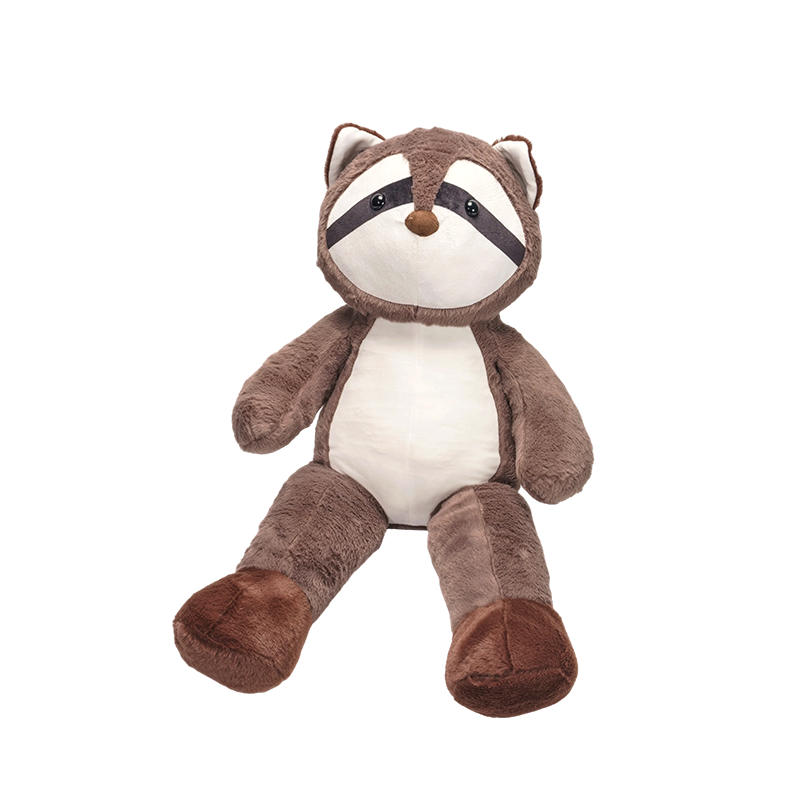

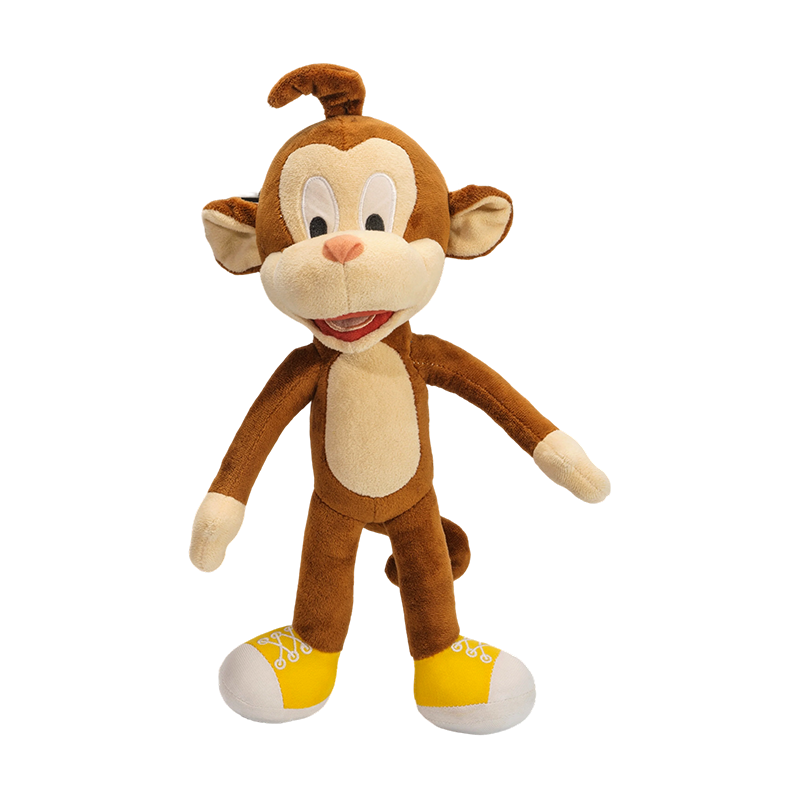
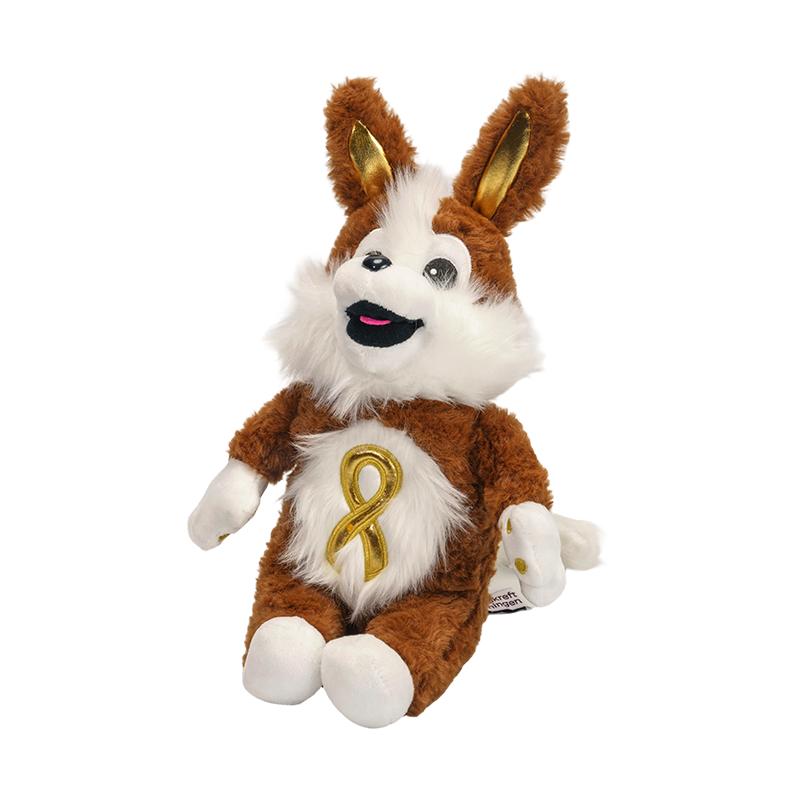

Wild Animal Plush Toy Industrial Manufacturing Systems and Scalable Production Capacity Optimization
Wild Animal Plush Toy industrial manufacturing systems are structured around a multi-layer production architecture that converts conceptual wildlife-inspired designs into standardized, scalable, and export-ready plush products. The system includes synchronized modules such as material intake, pattern engineering, cutting automation, sewing assembly, filling calibration, shaping refinement, quality inspection, packaging coordination, and logistics dispatch. Each module operates as part of a continuous flow designed to maintain production consistency and high throughput efficiency.
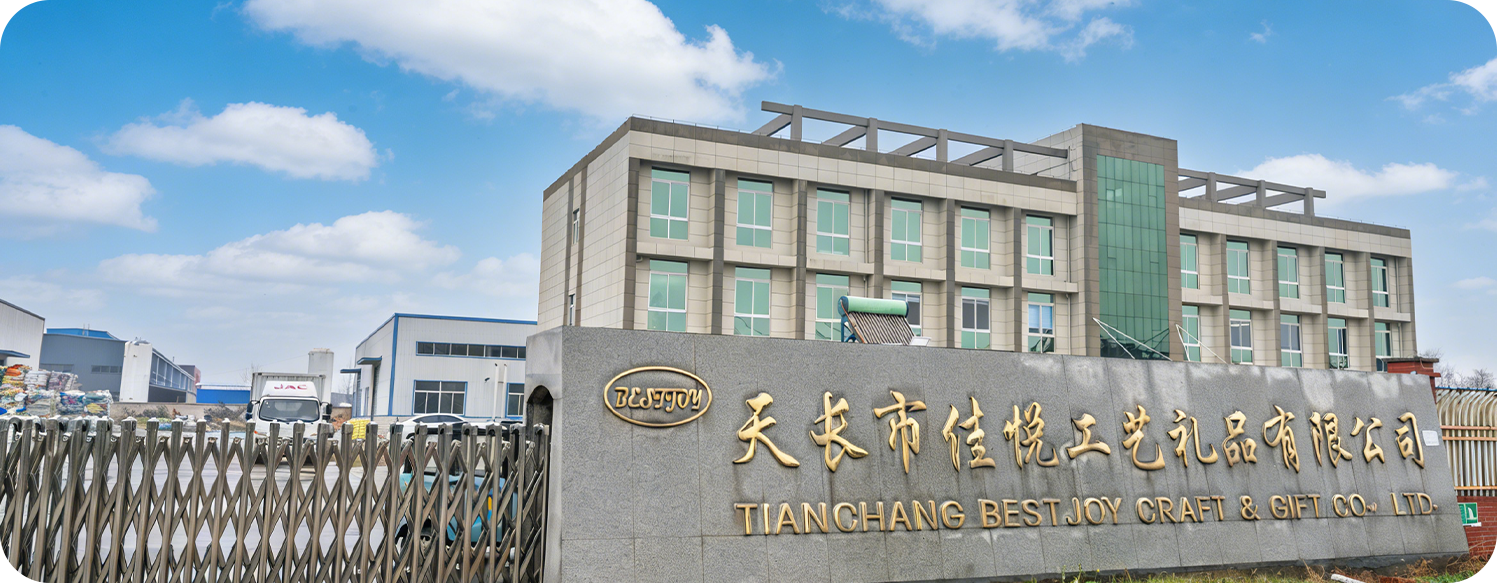
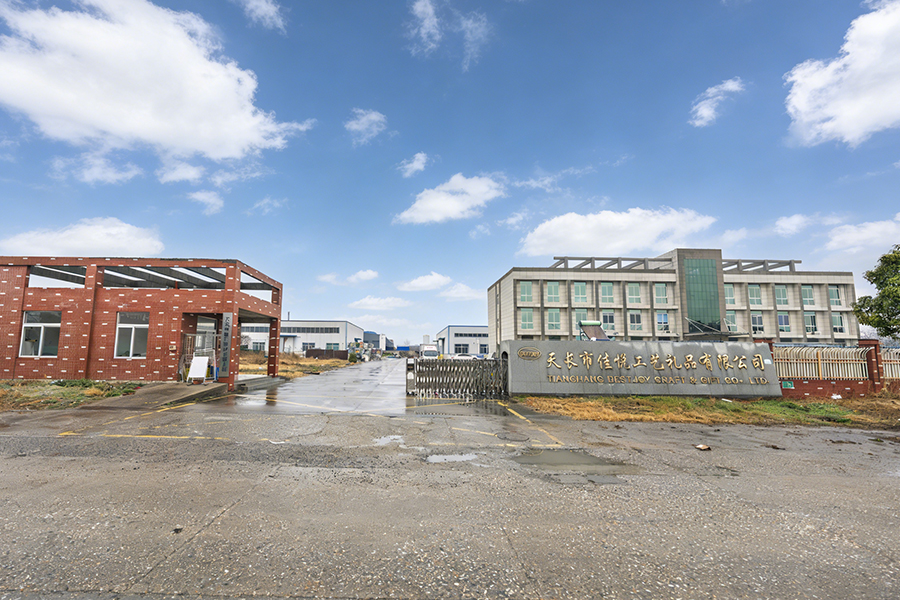
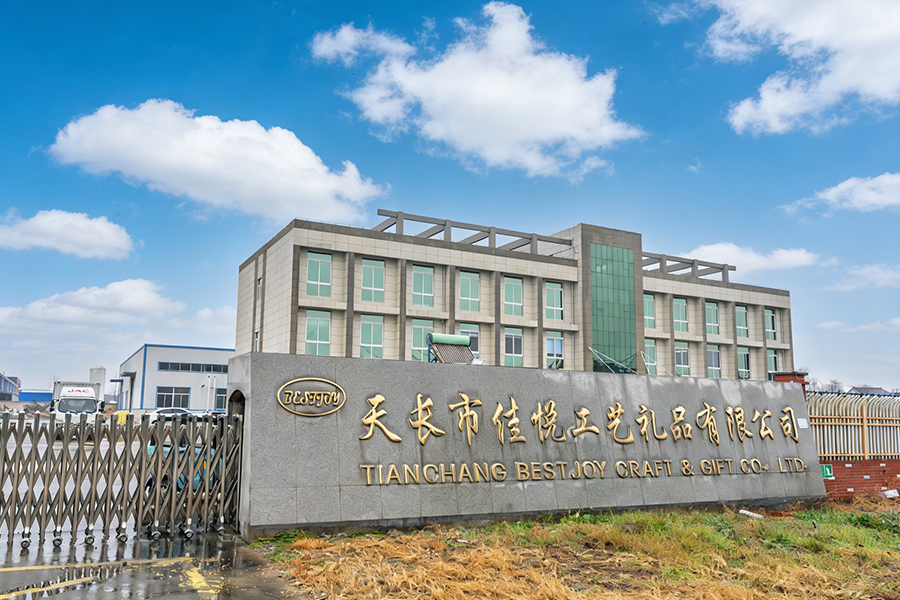
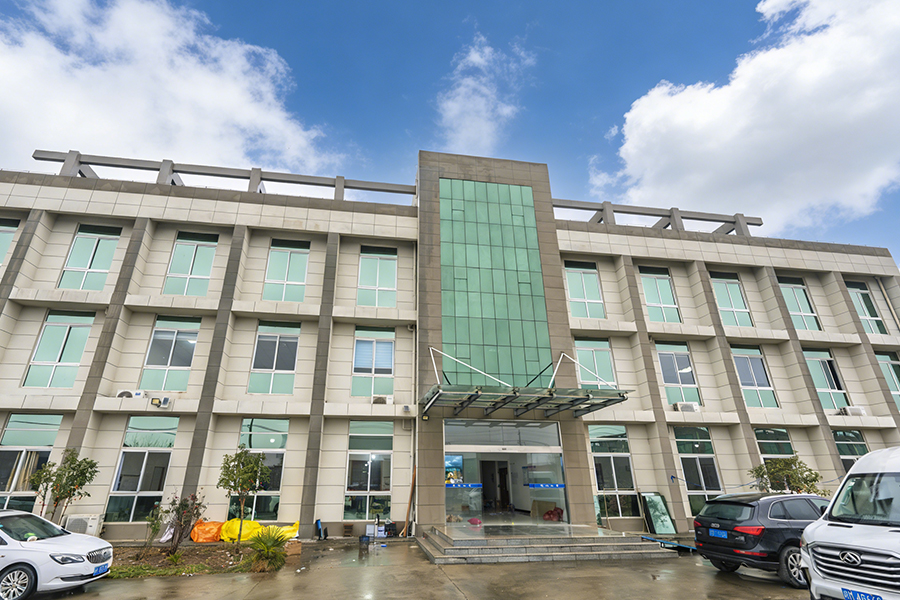
Within this framework, Tianchang Bestjoy Craft & Gift Co., Ltd. operates as a China Wildlife Stuffed Animals manufacturer and wholesale Wild Animal Plush Toys supplier integrating R&D, design, production, and sales. The enterprise, established in 2013 in Jinji Town, Tianchang City, Anhui Province, maintains a manufacturing base exceeding 10,000 square meters. The system supports large-scale Wild Animal Plush Toy output with stable export coverage across Europe, America, Australia, Japan, and South Korea, including retail cooperation with Walmart, Target, Albertsons, and Kmart.
The production logic emphasizes synchronized workflow alignment where each stage feeds directly into the next without interruption. Raw material intake is matched with production scheduling models, ensuring fabric, stuffing, and accessories are allocated according to production demand forecasts. Digital coordination systems support real-time monitoring of production status, allowing rapid adjustment of output distribution across multiple product lines.
The Wild Animal Plush Toy manufacturing architecture also includes modular scalability design. This allows parallel production lines to operate simultaneously for different animal series such as forest animals, savanna animals, marine-inspired plush designs, and fantasy wildlife variations. Each module is configured for independent yet interconnected operation, ensuring production continuity even when demand shifts across product categories.
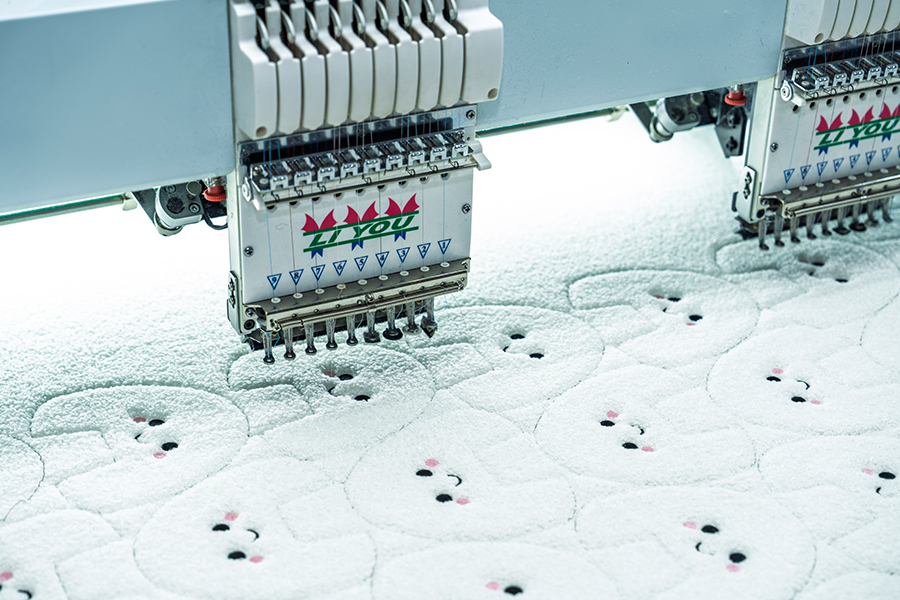
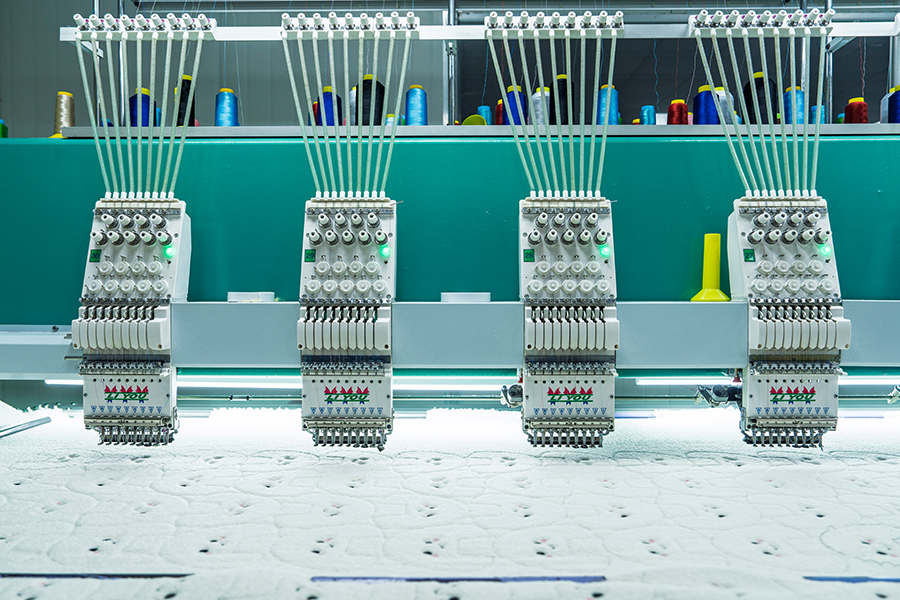
Wild Animal Plush Toy factory layout engineering is designed to maximize spatial efficiency while maintaining uninterrupted production flow between operational zones. The structural design includes sequential zoning systems that guide raw materials through controlled progression stages including storage, cutting, embroidery, sewing, stuffing, inspection, and packaging.
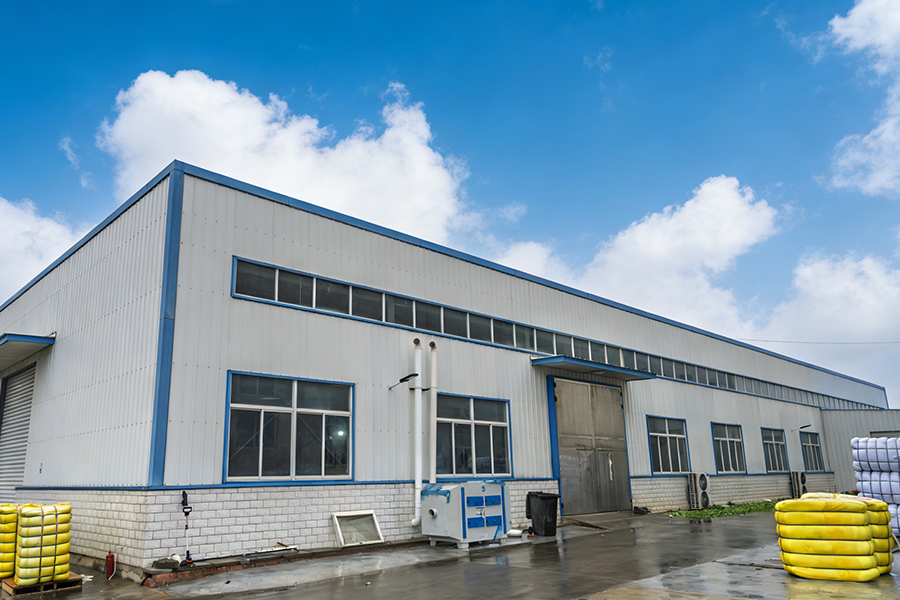
Within Tianchang Bestjoy Craft & Gift Co., Ltd., the manufacturing facility spans more than 10,000 square meters and is organized into linear production corridors. These corridors reduce unnecessary movement of materials and optimize operator efficiency. Each zone is assigned a dedicated function, ensuring that Wild Animal Plush Toy components transition smoothly from one production stage to another.
Spatial optimization includes separation of high-activity zones and quality control zones to reduce contamination risks and improve inspection accuracy. Storage zones are positioned near cutting areas to minimize transportation time for fabric rolls and accessory components. Sewing lines are arranged in parallel configurations, enabling multiple Wild Animal Plush Toy product categories to be manufactured simultaneously without production interference.
Environmental control systems regulate temperature and humidity across factory zones to maintain fabric integrity and ensure consistent material behavior during cutting and sewing operations. Lighting systems are calibrated for precision tasks such as embroidery and pattern alignment. The overall spatial design supports continuous production cycles while minimizing downtime and improving operational consistency.
Wild Animal Plush Toy production relies on carefully engineered raw material systems that determine product softness, durability, safety compliance, and visual consistency. Material categories include ultra-soft plush fabrics, short-pile textiles, PP cotton filling materials, reinforced stitching threads, embroidery yarns, and eco-certified dyeing compounds.
Within Tianchang Bestjoy Craft & Gift Co., Ltd., raw material procurement is managed through structured supplier evaluation systems that assess stability, certification compliance, and batch consistency. Incoming materials undergo inspection for softness coefficient, tensile resistance, color stability, and contamination absence before entering production cycles.
Material standardization ensures that Wild Animal Plush Toy products maintain consistent tactile performance across different production batches. Fabric rolls are categorized by density and texture classification to match specific animal design requirements. Filling materials are calibrated for elasticity and recovery performance to ensure plush structural resilience.
Procurement systems integrate inventory forecasting models aligned with production schedules, allowing efficient allocation of raw materials across multiple Wild Animal Plush Toy product lines. This reduces material mismatch risks and ensures production continuity during high-demand cycles.
Wild Animal Plush Toy digital pattern engineering involves the transformation of conceptual wildlife designs into precise production templates using advanced digital modeling systems. These systems include vector-based 2D design tools and 3D structural simulation software that reconstruct animal proportions in plush form.
At Tianchang Bestjoy Craft & Gift Co., Ltd., pattern engineers develop standardized templates that define seam placement, fabric segmentation, stuffing volume distribution, and structural reinforcement points. Each Wild Animal Plush Toy design undergoes simulation testing to evaluate symmetry, balance, and deformation resistance under stuffing pressure.
Animal form reconstruction requires adjustments to real wildlife proportions to ensure stability in soft toy structure. For example, long-limbed animals require internal support balancing, while rounded animal forms require optimized stuffing distribution models. Pattern engineering also includes fabric stretch mapping to ensure sewing accuracy during mass production.
Digital systems allow rapid modification of Wild Animal Plush Toy designs based on market feedback or retail requirements. This flexibility supports efficient product diversification across multiple animal categories while maintaining structural consistency.
Wild Animal Plush Toy production depends heavily on automated cutting systems that convert digital patterns into physical fabric components with high precision. Cutting systems include CNC fabric cutters, laser-guided alignment machines, and multi-layer stacking optimization technology.
Within Tianchang Bestjoy Craft & Gift Co., Ltd., cutting operations are integrated with nesting software that arranges multiple pattern pieces across fabric surfaces to maximize utilization efficiency. This reduces waste and improves cost control across large-scale Wild Animal Plush Toy production cycles.
Fabric layers are stacked according to thickness classification before cutting begins. Once cutting is completed, components are sorted into labeled kits corresponding to individual Wild Animal Plush Toy units. This system ensures traceability and prevents cross-model component confusion.
Cutting precision directly influences downstream sewing efficiency. Accurate edge alignment reduces stitching deviation and improves structural consistency across final products. Material optimization systems continuously analyze cutting output data to refine future layout efficiency.
Wild Animal Plush Toy sewing assembly systems are structured into modular production lines, each responsible for specific structural assembly tasks such as seam joining, embroidery integration, limb attachment, and closure finishing.
At Tianchang Bestjoy Craft & Gift Co., Ltd., sewing lines are organized to support balanced workload distribution across multiple operators. Each workstation is configured for a specific task category, enabling repetitive precision operations that improve consistency in Wild Animal Plush Toy construction.
Stitching optimization includes reinforcement at stress points, hidden seam construction for aesthetic improvement, and alignment control to ensure symmetrical animal forms. Quality checkpoints are integrated within sewing lines to detect structural deviations before progression to stuffing stages.
Production flow is designed to maintain continuous output across multiple Wild Animal Plush Toy models, enabling simultaneous manufacturing of different animal categories without workflow interruption.