en
en  русский
 Español
 عربى
عربى
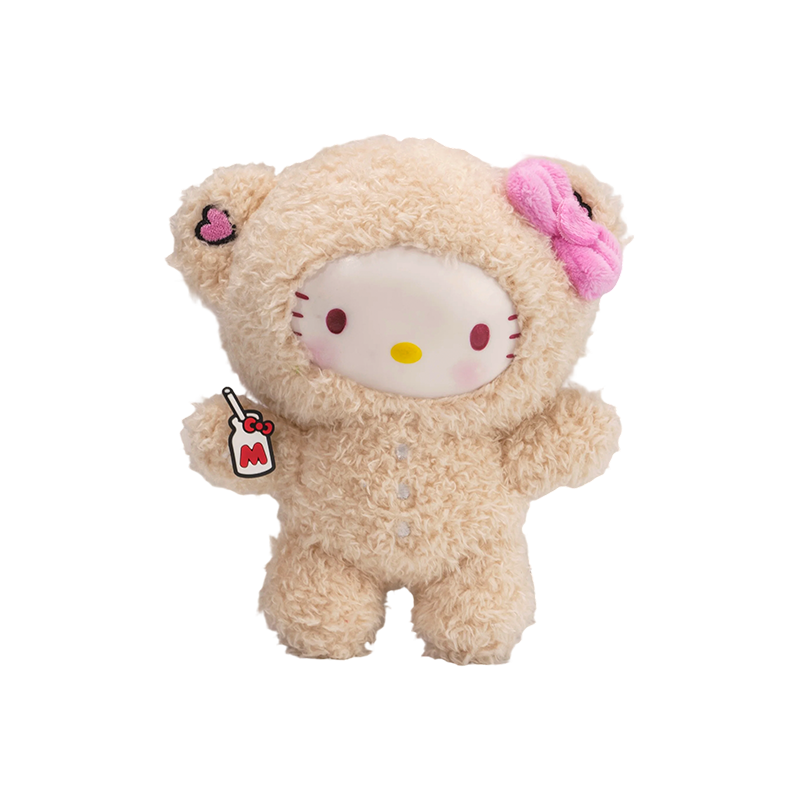
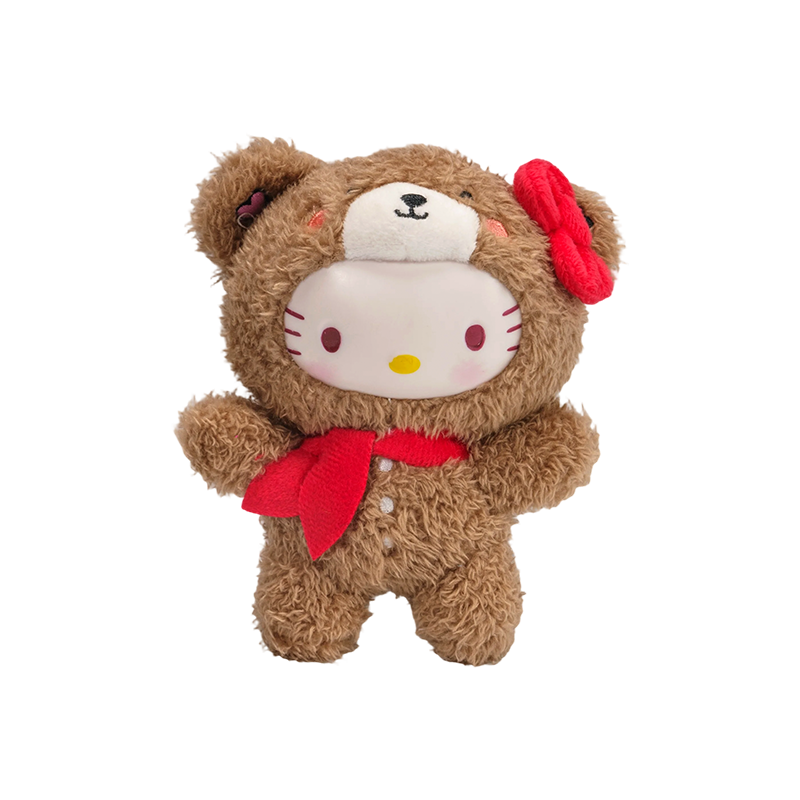
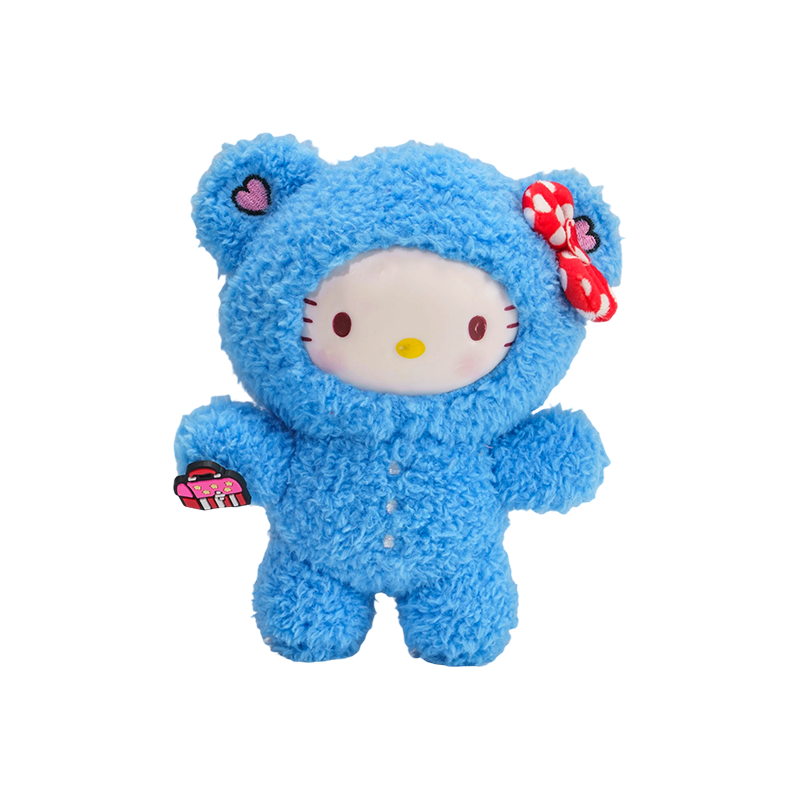
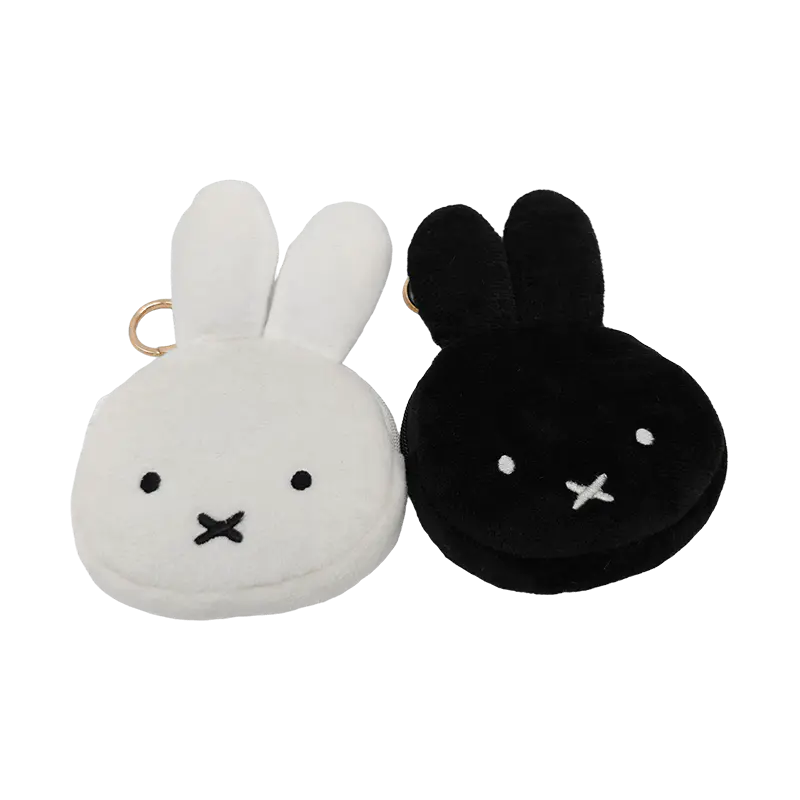




How Are Designer Plush Toys Designed and Produced?
The creation of Designer Plush Toys is a sophisticated and multidimensional journey that begins far beyond the sewing machine; it starts in the fertile imagination of visionary artists and the analytical minds of global trend researchers. Unlike standard toys, designer plush items are treated as pieces of soft sculpture, requiring a delicate balance between aesthetic form, tactile luxury, and functional durability. The design and production process is iterative and highly detailed, often taking many months of rigorous development to move from a conceptual sketch to a final retail-ready collectible. This complex process demands a deep understanding of textile physics, character proportions, and the emotional impact of color, light, and texture. As a comprehensive factory, we manage this entire lifecycle through integrated R&D and precision manufacturing to ensure that the final product maintains the soul and nuance of the original artistic vision.
Conceptualization, Artistic R&D, and Character Sculpting: The birth of a designer plush series begins with an overarching theme or a specific character narrative that aims to tell a story. Our innovative R&D and design team collaborates to identify emerging cultural trends—such as avant-garde fashion, surrealist art, or minimalist "kawaii" aesthetics—to create a character that feels both fresh and culturally relevant. This stage involves creating hundreds of detailed 2D sketches, focusing on unique silhouettes, exaggerated proportions, and "signature" features that distinguish the character in a crowded global market. Once a design is chosen, it is "sculpted" digitally using 3D modeling software or through physical paper patterns to determine how flat fabric will wrap around a complex 3D form. This transition is critical, as it determines how the toy will sit on a shelf, how light will hit its surfaces, and how it will feel when held, ensuring the character's personality is translated into a physical presence.
Premium Material Sourcing and Textile Innovation: In the world of Designer Plush Toys, the choice of fabric is as fundamental as the design itself. We do not rely on generic off-the-shelf polyesters; instead, we source unique, premium fabrics that offer specific tactile and visual properties. This might include high-pile faux furs that mimic the feel of luxury garments, custom-dyed velvets with a deep matte finish, or specialized jacquard fabrics with intricate woven-in patterns. For limited-edition series, we often utilize eco-friendly rPET fabrics made from recycled bottles or organic textiles to align with the sustainable values of the modern collector. Every roll of fabric is inspected for color consistency, density, and pile direction, ensuring that even in a large production run, every single designer toy maintains the high-end sensory experience that collectors expect.
Precision Prototyping and Technical Engineering: Once the materials are selected, our master pattern makers create the first physical prototype, which serves as the blueprint for mass production. This is a highly technical "engineering" phase where we determine the exact seam placements to minimize visual disruption and maintain the fluidity of the design. We utilize professional production equipment, including computerized laser cutters, to ensure every piece is cut with sub-millimeter precision. During prototyping, we test different "fill weights" and internal structures—such as adding weighted glass beads in the base for anatomical stability or using high-resilience 3D PP cotton for a firm yet soft "snap-back" feel. The prototype undergoes multiple rounds of refinement, adjusting the tension of every stitch and the placement of every dart until the physical toy perfectly mirrors the original artistic intent.
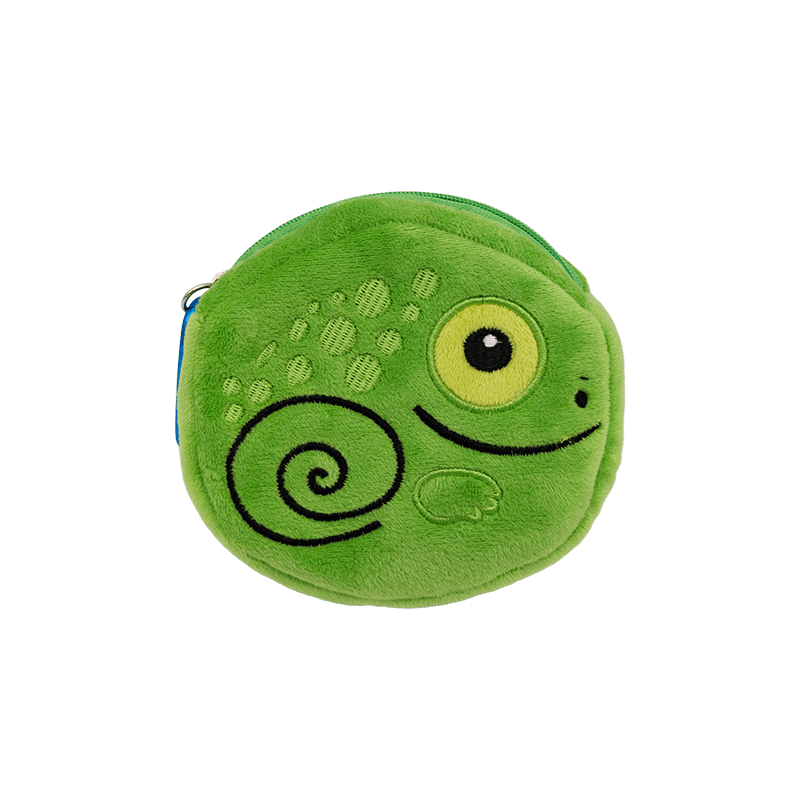
Artisanal Finishing and Hand-Crafted Details: What truly sets Designer Plush Toys apart is the final stage of artisanal finishing, which adds a layer of human touch to the industrial process. After the main body is machine-stitched for structural strength, many features are applied using high-density embroidery or intricate hand-finishing techniques. For example, eyes may be rendered with multi-layered, gradient embroidery to create a lifelike "twinkle" effect, or accessories might be hand-sewn to ensure perfect alignment and movement. We also incorporate "mixed media" elements, such as metallic hardware, vegan leather accents, or custom-molded silicone parts, to add modern flair and artistic depth. Each piece is then groomed by hand to remove loose fibers and ensure the pile is perfectly smooth, resulting in a product that feels like a handcrafted piece of art rather than a mass-produced commodity.
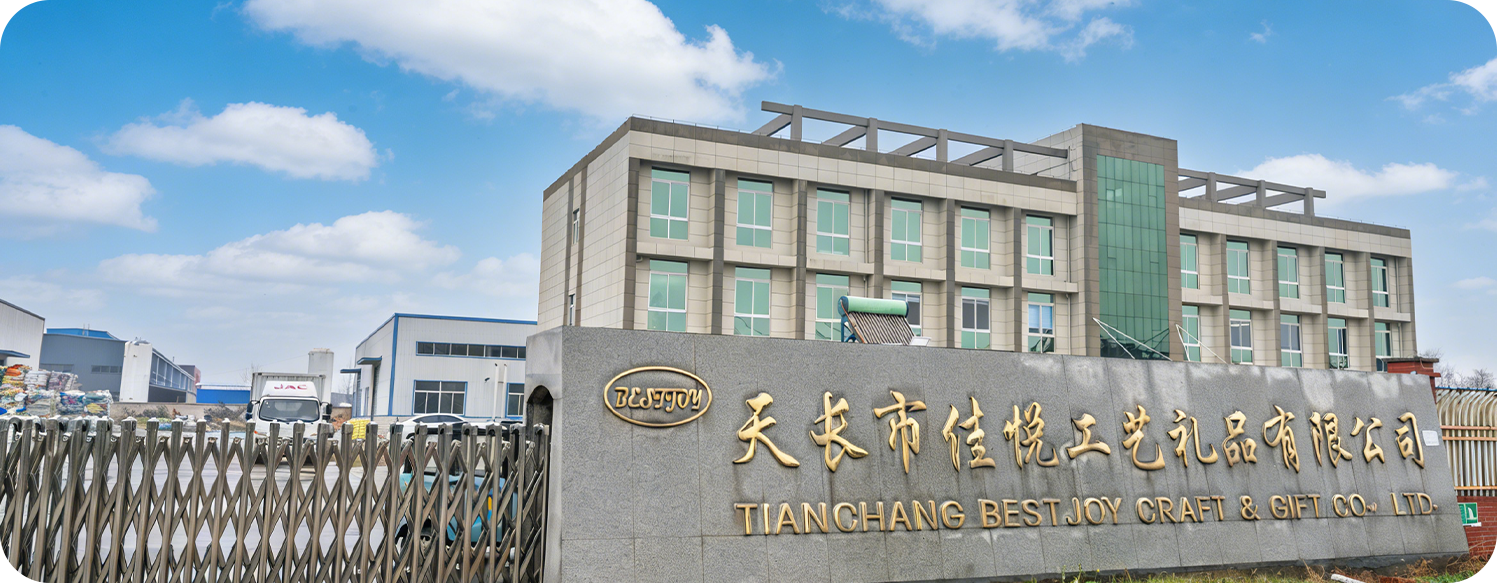
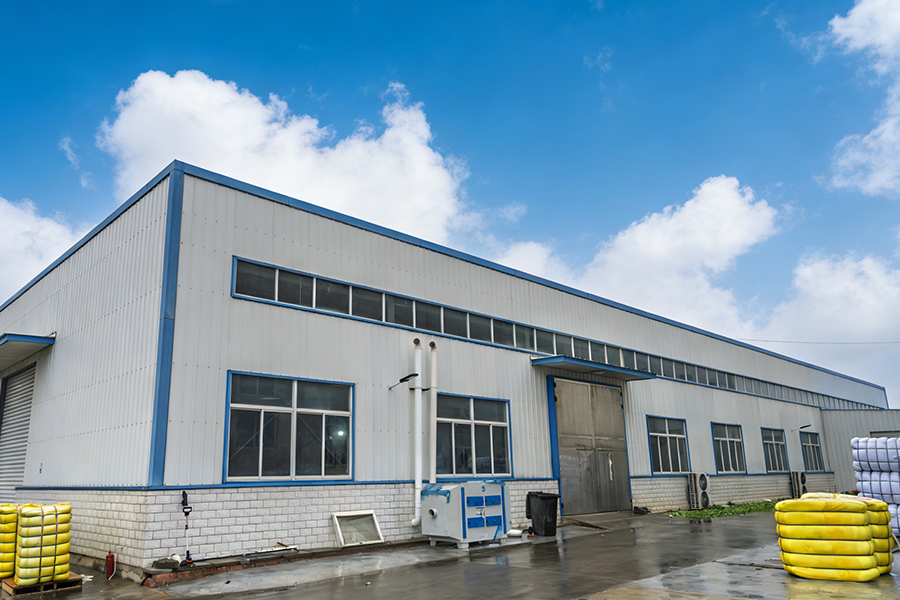
The success of a designer series depends on the manufacturer's ability to maintain artistic integrity while scaling production. At Tianchang Bestjoy Craft & Gift Co., Ltd., we have built a 10,000-square-meter infrastructure designed specifically for this high-detail work. Since our establishment in 2013 as a joint venture with Hong Kong Jintong International Co., Ltd., we have prioritized the "Designer & Trendy" segment of the market. Our annual sales exceeding 12 million RMB are driven by our ability to deliver "retail-ready" quality to major clients like Walmart and Target while maintaining the soul of a boutique design house. As a leading Designer Plush Toys Manufacturers, we offer in-stock services and custom collaborations that allow brands to bring their most ambitious artistic visions to the global stage.
Designer Plush Toys vs Mass-Produced Plush Toys: What’s the Difference?
To the casual observer, all plush toys might look similar at a distance, but for the serious collector and the professional retail buyer, the differences between Designer Plush Toys and standard mass-produced items are vast, fundamental, and immediately apparent upon closer inspection. Mass-produced toys are typically designed for high-volume, low-cost distribution, often sacrificing material quality, structural complexity, and design innovation for the sake of manufacturing speed and profit margins. In sharp contrast, designer plush toys are "quality-first" products that prioritize aesthetic uniqueness, tactile luxury, and long-term collectibility. Understanding these core differences is essential for retailers looking to target the high-growth "kidult" market, where consumers are increasingly willing to pay a significant premium for products that reflect their personal taste and provide a superior, lasting sensory experience.
Aesthetic Uniqueness and Trend Leadership: Mass-produced plush toys often rely on generic, time-tested shapes—such as basic teddy bears or simple farm animals—that appeal to the widest possible audience but offer little in the way of artistic innovation or cultural commentary. Designer plush, however, is characterized by its "modern flair" and bold, often experimental design choices. These toys often lead market trends rather than following them, featuring unconventional color palettes (like muted earth tones or vibrant neons), stylized proportions (like "chibi" or exaggerated features), and intricate narratives. As a Wholesale Designer Plush Toys Factory, we recognize that today’s trendy consumers are looking for "statement pieces" that double as chic home decor. Designer plush items are often released in numbered, limited series, creating a sense of exclusivity and urgency that generic mass-market toys simply cannot replicate.
Superior Material Science and Tactile Luxury: The most immediate and visceral difference lies in the "hand-feel" and sensory feedback of the toy. Mass-market toys typically use low-density polyester or basic felt, which can feel "scratchy," thin, or "plastic-like" and often loses its shape and softness after a short time. Designer pieces utilize premium fabrics such as "Crystal Super Soft" or high-pile minky, which are significantly denser, heavier, and softer to the touch. Furthermore, the internal stuffing of a designer toy is carefully managed for density and weight; we use 100% virgin, high-resilience PP cotton that provides a consistent, firm, and huggable density. This ensures the toy remains a beautiful collectible for many years, whereas mass-market versions often become "lumpy," flat, or distorted. The inclusion of specialized textures—like layered embroidery, fabric appliqués, and varied textile types within a single toy—adds a layer of sensory complexity that defines high-end craftsmanship.
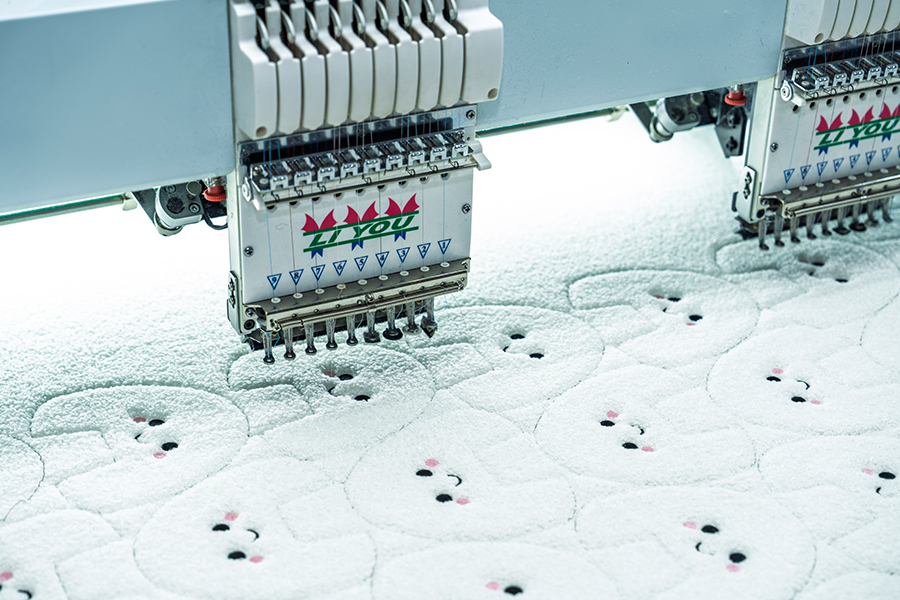
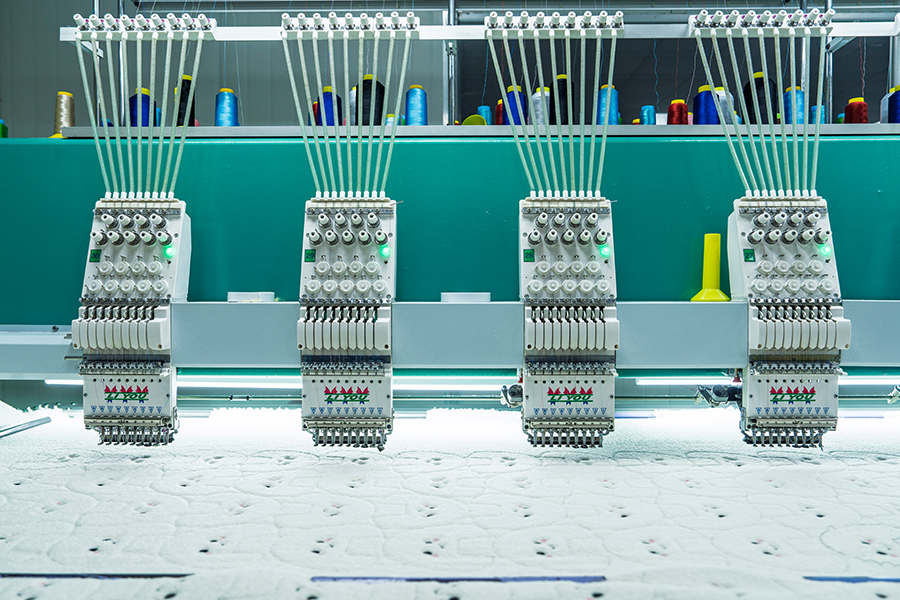
Manufacturing Standards and Detail Precision: In mass production, the sewing process is often rushed to meet quotas, leading to visible seams, misaligned features, and loose threads that compromise the toy's integrity. Designer plush manufacturing requires a much higher level of technical oversight and slower production speeds. Every stitch is monitored for tension, consistency, and durability. For example, our Designer Plush Toys Manufacturers process involves multi-head computerized embroidery for hyper-detailed facial features, ensuring that every character in a series is identical and flawless down to the last thread. We also utilize "invisible" ladder stitching for final closures, a painstaking technique that hides the seam entirely from the naked eye. This level of meticulous craftsmanship ensures that the toy looks perfect from every angle, making it suitable for high-end retail environments, flagship stores, and premium collector displays.
Comparative Analysis: Designer vs. Mass-Market Plush
|
Feature / Attribute |
Designer Plush Toys |
Mass-Produced Plush Toys |
|---|---|---|
|
Design Origin |
Original Artist R&D / Trendy Concepts |
Generic Templates / Traditional Styles |
|
Fabric Quality |
Premium (Velvet, Faux Fur, rPET) |
Basic Polyester / Low-density Fleece |
|
Detailing Method |
High-density Embroidery & Mixed Media |
Screen Printing or Simple Felt cutouts |
|
Stuffing Grade |
Virgin High-Resilience 3D PP Cotton |
Recycled or low-grade fiberfill |
|
Production Run |
Limited Edition / Themed Series |
Continuous High-Volume Production |
|
Market Target |
Kidults, Collectors, Chic Decor |
General Children's Play / Mass Retail |
|
Durability |
High (Double-locked seams) |
Standard (Basic single-pass sewing) |
Safety Compliance and Long-Term Value: While all toys sold in major markets must meet basic safety standards, designer plush toys often far exceed them by utilizing higher-grade, hypoallergenic, and flame-retardant materials that are safer for long-term display in homes. Because they are built to be collected, cherished, and kept for years, the durability of the internal seams and the UV-resistance of the dyes are vastly superior, preventing fading or tearing over time. This longevity directly contributes to their "resale value" on the secondary market—a thriving ecosystem where certain designer series actually appreciate in value, a concept that rarely applies to mass-market toys. For a retail brand, offering designer-level products enhances overall brand prestige and attracts a loyal, affluent customer base that values quality, ethics, and artistry over disposable quantity.
Navigating the transition from "toy" to "art" requires a manufacturing partner with both a creative heart and industrial strength. Tianchang Bestjoy Craft & Gift Co., Ltd. bridges this gap perfectly. Located in the scenic Jinji Town, our factory serves as a hub for innovation where we produce everything from plush stationery gifts and home furnishings to high-end plush handicrafts. Our excellent sales and after-sales teams provide seamless, end-to-end support for our clients in Europe, America, Australia, Japan, and South Korea. Whether you are looking for a Wholesale Designer Plush Toys Factory to supply your retail chain or a custom partner to develop a new trendy mascot for a global campaign, we offer the professional equipment and artistic expertise to ensure your project's success. We welcome global collaborators to explore our in-stock services and join us in defining the future of designer plush.