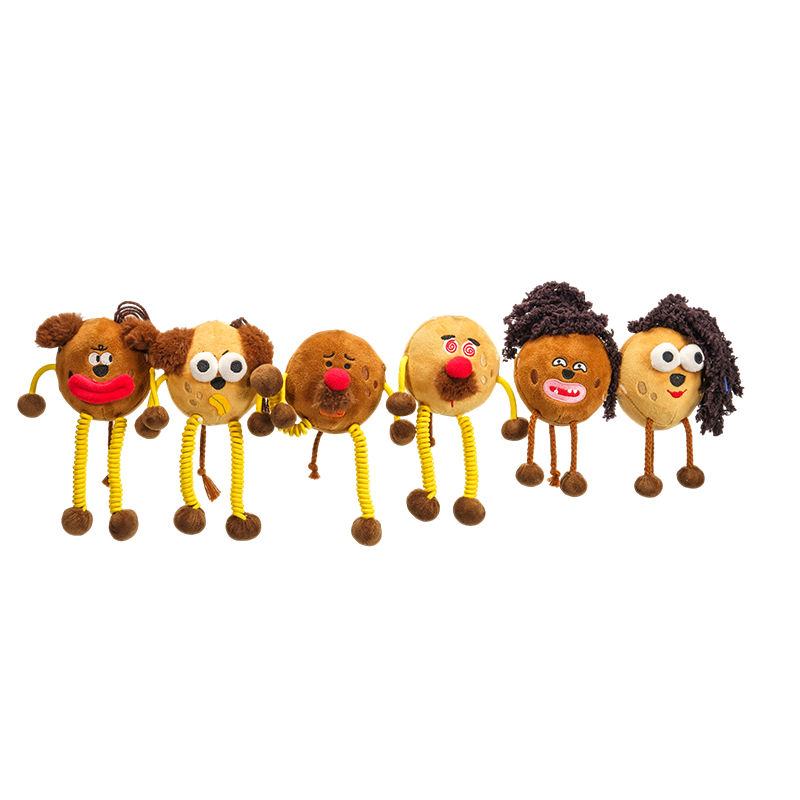
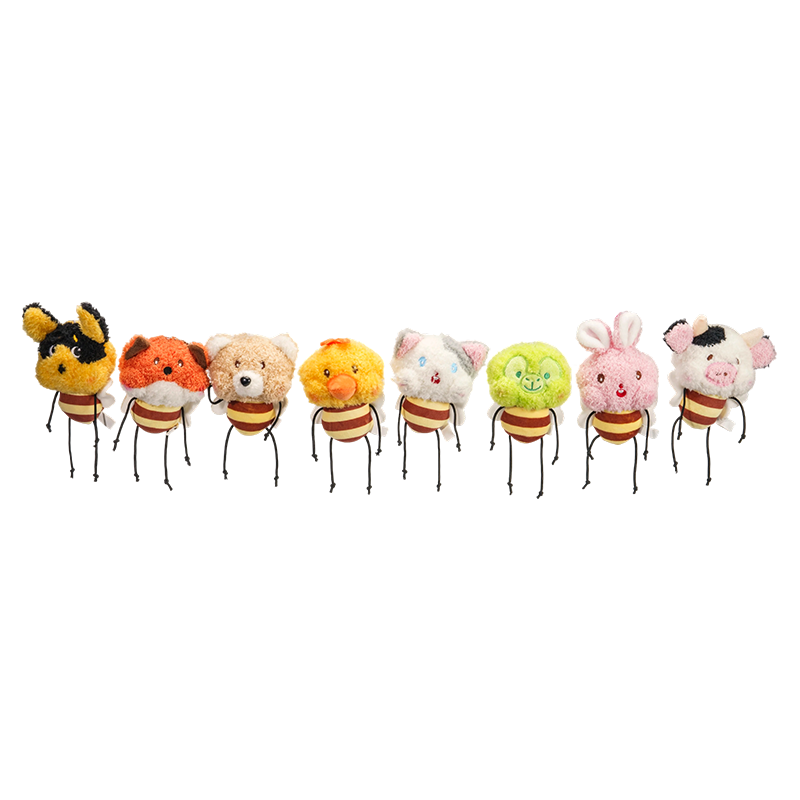
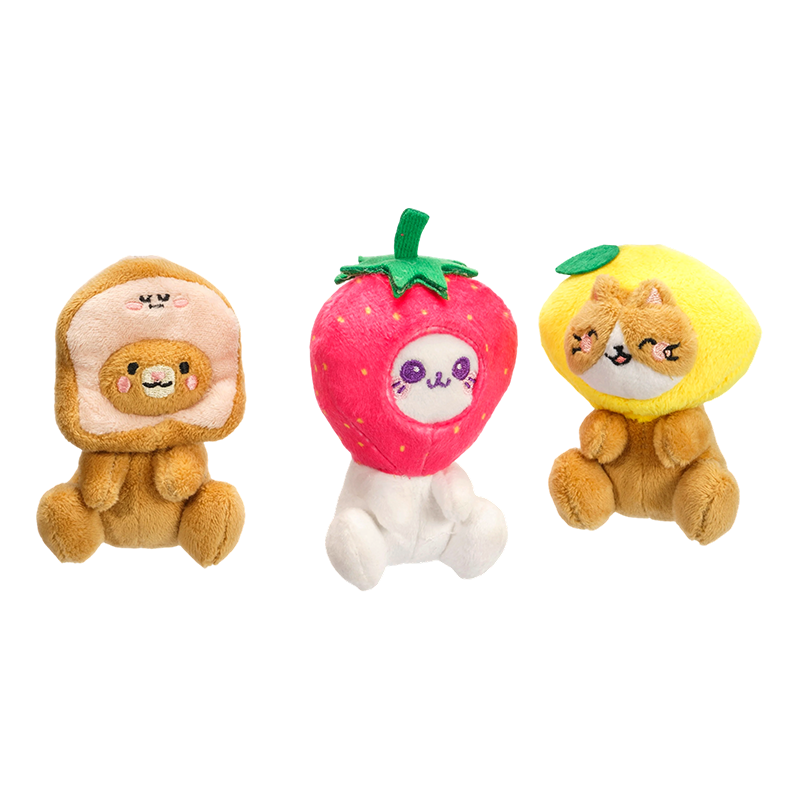
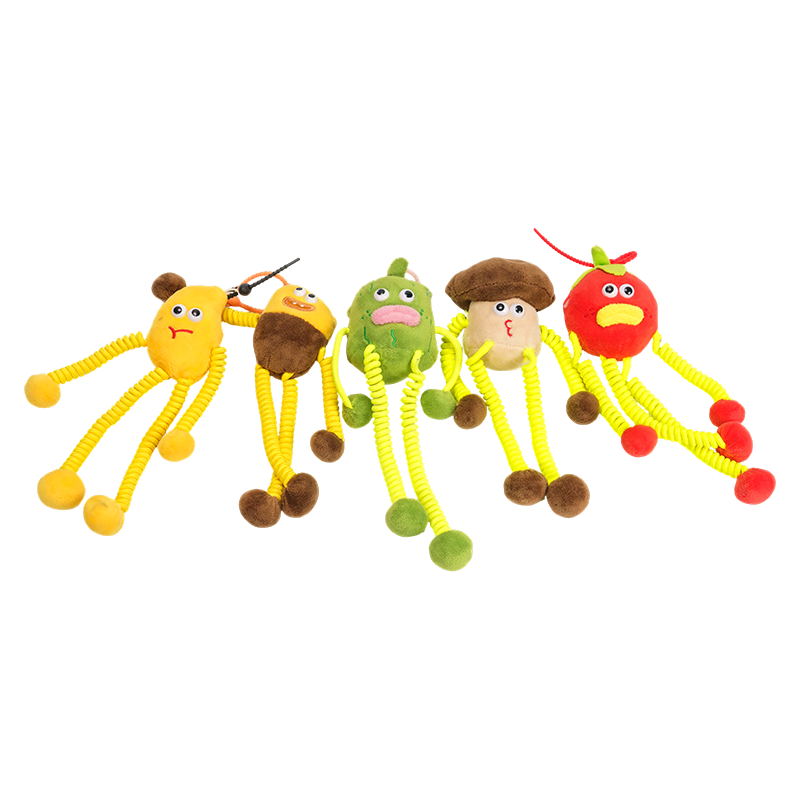
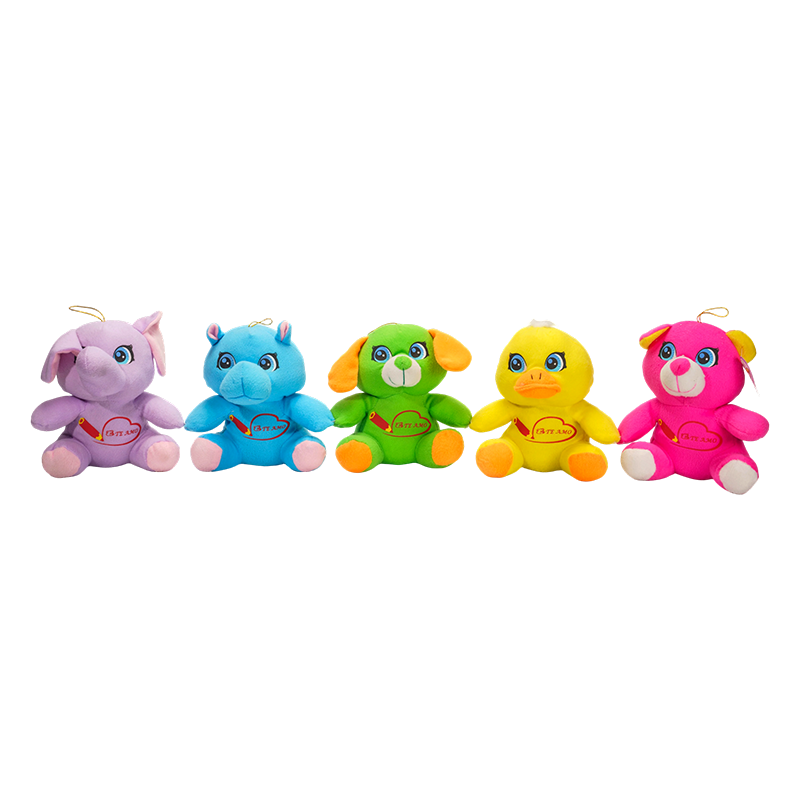
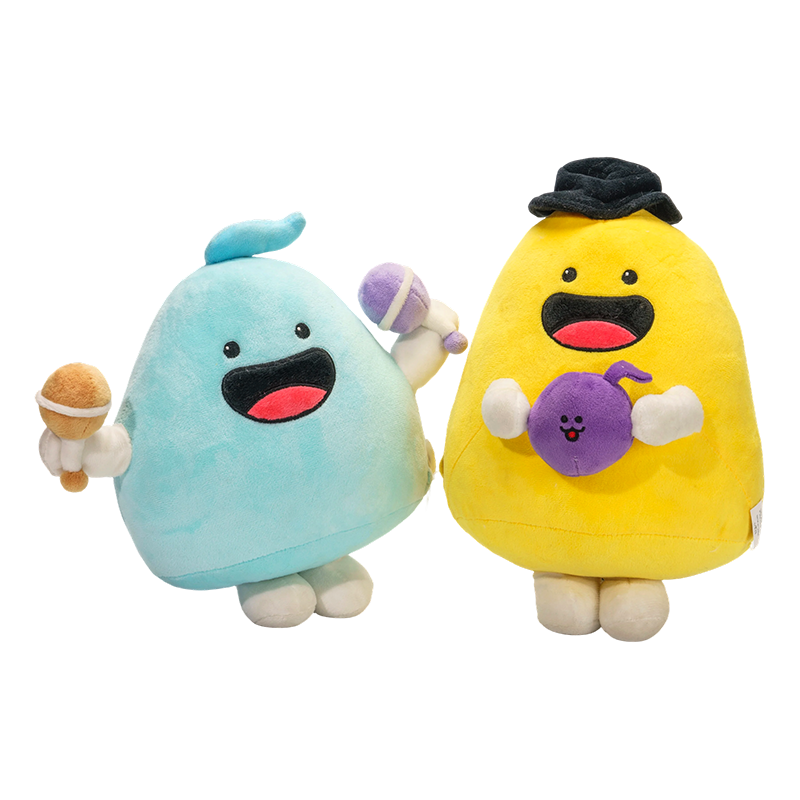
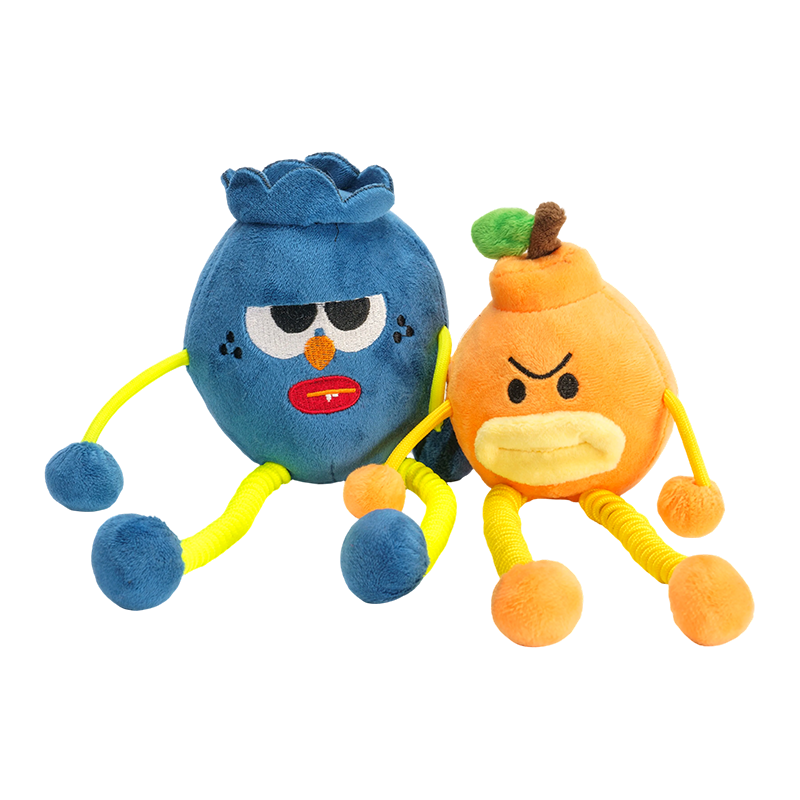
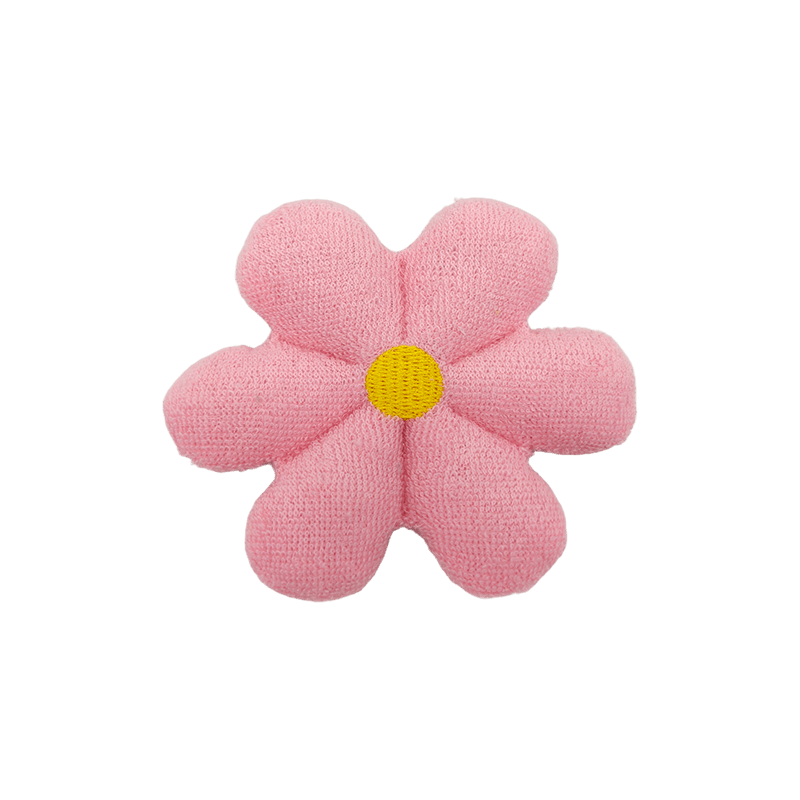
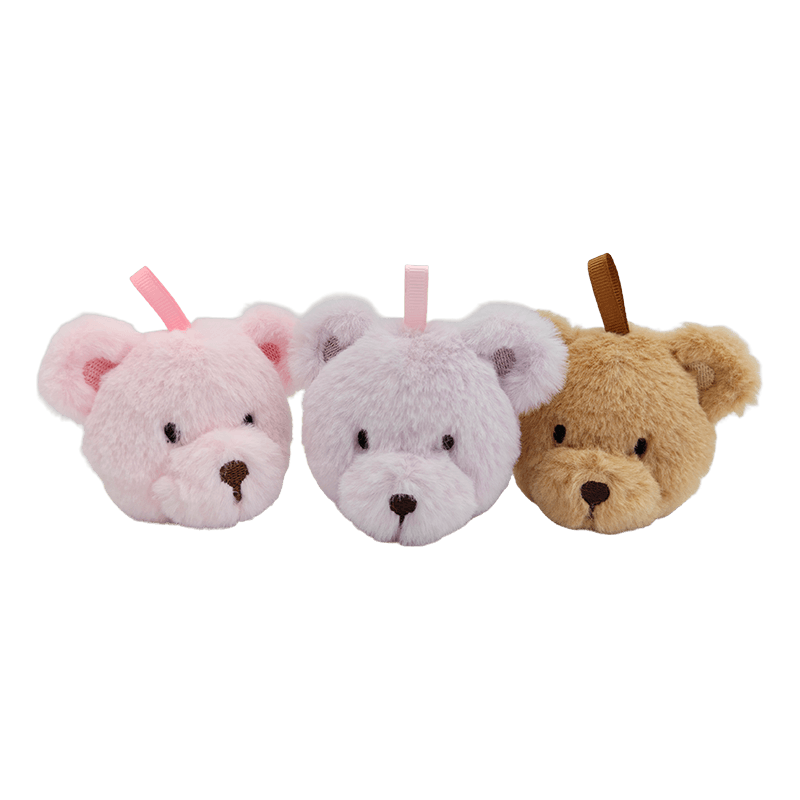
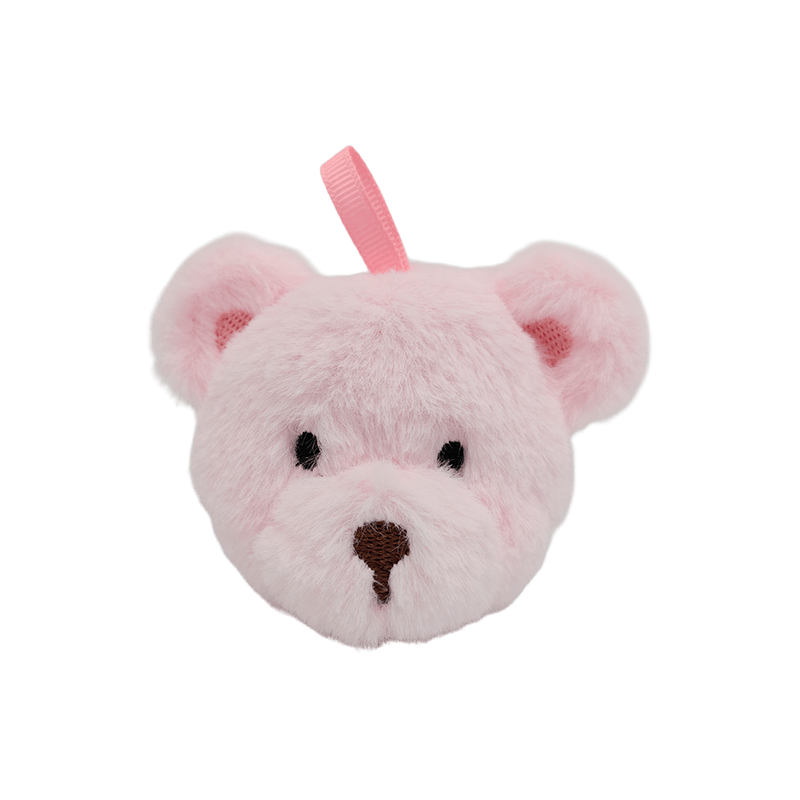
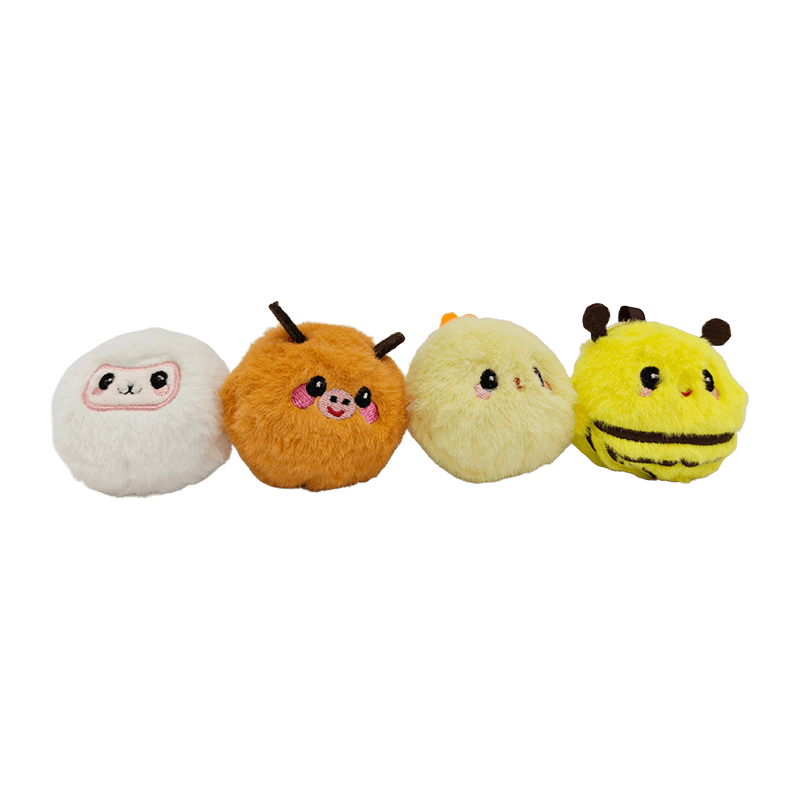
Plush Keychains Wholesale

Home / Products / Home & Lifestyle Plush / Plush Keychains
Trendy plush toys Tianchang Bestjoy Craft & Gift Co., Ltd.
Tianchang Bestjoy Craft & Gift Co., Ltd. is China Mini Plush Keychains Manufacturers and Wholesale Plush Animal Keychain Suppliers , encompassing R&D, design, production, and sales. Established in 2013 as a joint venture between Hong Kong Jintong International Co., Ltd. and Tianyuan Enterprise Investment Management Co., Ltd., our company is located in the scenic Jinji Town, Tianchang City, Anhui Province. Our factory covers an area of ​​over 10,000 square meters, with annual sales exceeding 12 million RMB. Our products are mainly sold to Europe, America, Australia, Japan, and South Korea, with major clients including Walmart, Target, Albertsons, and Kmart.
Our main products include trendy plush toys, children's plush toys, pet plush toys, plush promotional gifts, plush home furnishings, plush stationery gifts, plush handicrafts, and plush cartoon decorations.
We boast an innovative R&D and design team, professional production equipment, an excellent sales team, and a comprehensive after-sales service team. We offer in-stock services and welcome customers from all over the world to cooperate with us.
Tianchang Bestjoy Craft & Gift Co., Ltd.
Watch Video
Trendy plush toys High Standard
Factory
Explore More
Factory
  • BestJoy

    BestJoy

  • BestJoy

    BestJoy

  • BestJoy

    BestJoy

  • Workshop

    Workshop

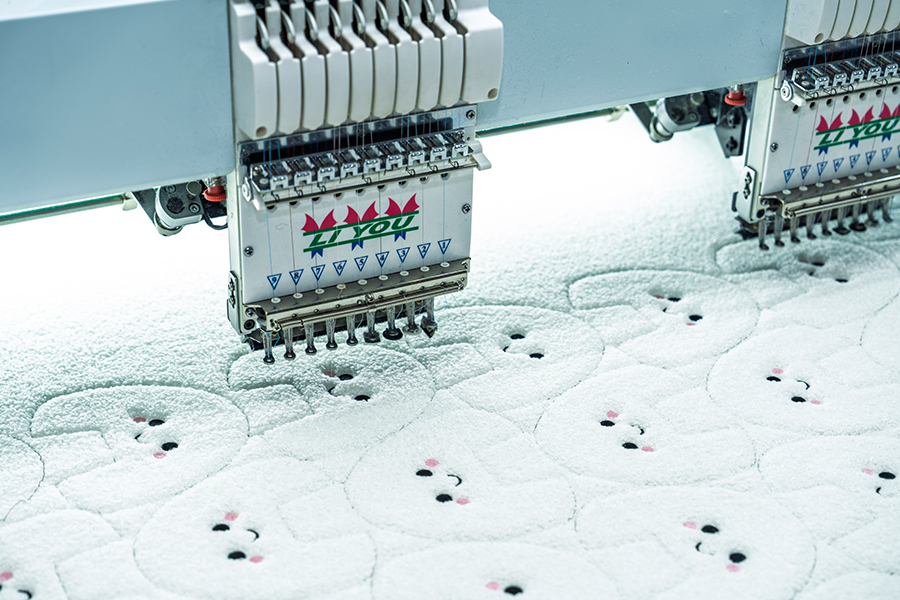
  • Embroidery

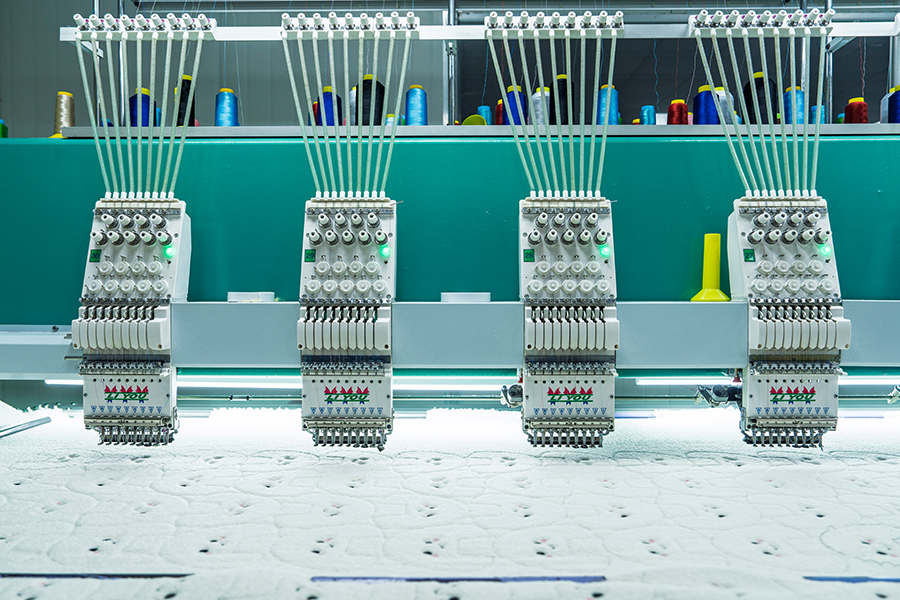
    Embroidery

  • Embroidery

    Embroidery

Trendy plush toys Follow
Our Updates

Follow news and information to stay informed about industry trends

    {php}$limitNum=5;$limitNum2=160; if($cat_detail['parent_alias']==''){ $limitNum=6; $limitNum2=100; }else if($cat_detail['parent_alias']=='product'){ $limitNum=4; $limitNum2=220; }else{ $limitNum=3; $limitNum2=320; }{/php
  • 2026-08-24
    What Plant Plush Toys Actually Are Plant plush toys are stuffed decorative items shaped like flowers, fruits, vegetables, or other botanical forms, made from soft fabric shells filled with cushioning material. Rather than mimicking realistic textures like bark or thorns, these toys simplify plant silhouettes into rounded, huggable shapes with embroidered or appliquéd facial features. A Smiley Pink Strawberry Doll is a good example of this category: it takes the recognizable shape of a strawberry and turns it into a soft pillow-like companion with rosy cheeks and a cheerful expression, made from skin-friendly fabric that resists shedding even after repeated handling. These items sit at the intersection of home décor and comfort objects. A person browsing for one is usually looking for something that adds a bit of nature-inspired charm to a room while also functioning as something to hold, hug, or rest against. This dual purpose shapes almost every design decision that goes into producing them, from fabric choice to stitching pattern to internal fill density. Fabric Choices Behind the Soft Feel The outer shell of a plant-shaped plush toy is typically made from short-pile plush fabric, minky fleece, or a brushed polyester blend. Each material behaves differently under handling and washing, which matters for a product meant to be squeezed, slept on, or carried around for months. Comparing Common Plush Fabrics General comparison of fabric types used in plant-themed plush toys and their typical handling characteristics Fabric Type Surface Feel Shedding Tendency Common Use Short-pile plush Smooth, dense Low Rounded fruit and flower shapes Minky fleece Silky, lightweight Very low Pillow-style plush and bedroom decor Brushed polyester Soft, slightly textured Moderate Everyday play items for varied age groups Skin-friendly, low-shed fabrics are generally preferred for pieces meant to double as pillows or bedroom companions, since these items tend to make close contact with skin and bedding over long periods. The white-and-pink color combination often seen in strawberry or floral designs also tends to hold its tone well through repeated washing when paired with colorfast dyes, which keeps the toy looking fresh rather than dull after months of use. Stitching, Shape, and Facial Detail The stitching pattern on a plant plush toy determines both how the shape holds up over time and how expressive the final face looks. Reinforced seams along curved edges, such as the rounded body of a strawberry or the petal edges of a flower design, help the shape resist sagging even after the toy has been squeezed or sat on repeatedly. Chain stitching or double-lock stitching is commonly used on load-bearing seams, particularly where a stem, leaf, or limb attaches to the main body. Facial features on these toys are usually embroidered rather than printed, since embroidery holds up better against friction from hugging and handling. Rosy cheek accents, in particular, are often achieved through airbrushing fabric before assembly or through a soft fabric appliqué layer, giving the cheeks a gentle blush without adding stiffness to the fabric surface. A cheerful, round-eyed expression paired with a chubby overall shape tends to appeal across different age groups, from young children to adults collecting them as desk or shelf accents. Fill Material and Weight Balance Internal filling is typically PP cotton, a lightweight polyester fiberfill that resists clumping after washing. The density of the fill affects how the toy feels when hugged or used as a pillow substitute: a looser fill creates a squishier feel suited to pillow use, while a firmer fill holds shape better for display purposes. Some designs blend both approaches, using firmer fill near the outer edges to hold the silhouette and softer fill in the center for a more compressible feel. Where These Toys Fit Into Daily Life Plant-shaped plush toys serve several practical roles beyond simple decoration. In a bedroom, a rounded fruit or flower-shaped plush often functions as a supplementary pillow, something to rest an arm on while reading or to hug while sleeping. On a sofa or window seat, the same item can serve as a color accent that softens the visual tone of a room without requiring a full redecoration. Placed on a desk or shelf, a smaller plush piece becomes a quiet visual break during work hours, offering a bit of botanical charm without taking up much space. Gifting is another common use case. A strawberry-shaped or flower-shaped plush toy carries a gentle, non-gendered design that suits birthdays, get-well gestures, or small seasonal gifts. Because the design draws from a recognizable natural form rather than a licensed character, it tends to remain appropriate across a wide range of recipients and occasions, from a child's room to a coworker's desk. Caring for Plush Toys Over Time Because these toys are handled frequently, care routine plays a real role in how long the color and shape hold up. Gentle machine washing in a mesh laundry bag, using cold water and a mild detergent, is generally suitable for plush toys made from short-pile or minky fabric. Air drying or low-heat tumble drying helps preserve the loft of the outer fabric, since high heat can flatten pile fibers and reduce the soft texture that makes these toys appealing in the first place. Spot cleaning is often a better option for pieces with delicate embroidery or appliqué details, since repeated full washes can gradually loosen thread work around the face and stem areas. A damp cloth with a small amount of mild soap, followed by air drying, usually keeps the surface clean without disturbing the stitched details that give the toy its expression. Choosing a Design That Fits the Space Size and shape selection generally depends on where the toy will be placed and how it will be used. A compact fruit-shaped plush, roughly palm-sized, suits a desk or car interior, while a larger pillow-style piece works better on a bed or sofa where it needs enough volume to function as an actual cushion. Color palette matters as well: soft pastel tones like white and pink tend to blend into a wider range of room styles compared to bold saturated colors, which is part of why many botanical plush designs lean toward gentle, muted color schemes rather than bright primary colors. Texture consistency between the main body and smaller accent pieces, such as a stem or leaf detail, also affects how finished the toy looks once placed in a room. A well-matched texture across all fabric pieces gives the toy a cohesive look, while mismatched textures can make an otherwise well-shaped design feel less polished on closer inspection. ...
  • 2026-08-17
    Plush Toy Consumption Recovers in 2026 — Emotional Companionship Becomes an Important Market Driver In 2026, the global toy market is experiencing a round of structural recovery, with the plush toy category showing a noticeable performance. According to the latest market data released by overseas toy industry organization Circana, overall toy sales in the UK increased by 12% year over year during the first four months of 2026. As a traditional emotional companionship category, plush toys ranked second in incremental growth across the toy market, exceeding most toy segments outside building sets and becoming an important category contributing to market growth. This trend is not limited to a single market. From North America to Europe, and from major Chinese cities to lower-tier markets, plush toys are moving beyond their traditional positioning as “children’s toys” and increasingly taking on the role of “emotional companionship products,” becoming an emotional consumption choice for consumers across age groups. Classic IP and Therapeutic Original Products Show Different Growth Trends Looking at specific consumer trends this year, plush toy consumption shows clear segmentation. On one side, classic IP products continue to maintain long-tail demand. Plush products from series such as the Pokémon 30th anniversary collection have attracted consumer attention after launch. Reissued life-size Pikachu plush toys have also drawn queues at pop-up stores in various locations around the world, while their collectible value in the second-hand market continues to receive attention. On the other side, niche therapeutic plush products without strong IP associations are developing rapidly. Products such as simple long cushions, palm-sized stress-relief figures, and companion sleep toys with soft textures have recorded year-over-year sales growth of more than 60%. Some original plush brands without well-known IP support have gained attention among younger consumers simply through their soft tactile experience. Although these two consumption trends appear different, they point to the same underlying change: consumers are no longer purchasing solely for “IP popularity” or “toy functions,” but are increasingly paying attention to the emotional value provided by the plush product itself. Young Consumers Place Greater Importance on the Emotional Value of Plush Toys The underlying reason young consumers are willing to pay for plush products is no longer limited to the basic need to “play.” For today’s Generation Z consumers, soft plush toys can serve as a “stress-relief outlet” during workplace pressure, a silent “roommate” in independent living, and an “emotional comfort item” that can be carried during business trips and travel. Many consumers say that when choosing plush products, they first touch the fabric and squeeze the filling. A comfortable tactile experience is more important than an elaborate appearance. Even without support from a well-known IP, consumers may still be willing to pay for a sense of comfort if the product feels comfortable to hold. This shift in consumer attitudes has further highlighted the emotional companionship characteristics of plush toys and has also changed the competitive dynamics of the industry. Chinese Plush Toy Manufacturers Respond to Market Demand Through Product Upgrades In response to this round of consumer recovery, Chinese plush toy manufacturers have begun making product adjustments, ranging from fabric upgrades to softness optimization, using product development to respond to new market demand. Many factories have introduced new materials such as double-sided fleece and high-elasticity cloud-feel cotton. Through multiple brushing and softening processes, they improve the soft tactile experience of plush toys. Some companies have also optimized filling ratios and sewing processes, allowing plush toys to maintain their shape while providing a stress-relief feel that is soft when squeezed and quickly returns to its original form after release. At the same time, Chinese factories draw on their accumulated flexible manufacturing capabilities to handle both large-volume orders for major IPs and small-batch rapid-response requirements from niche original brands. The ability to produce samples quickly within 7 days allows ideas from many emerging therapeutic plush brands to be developed into products more quickly. Industry Standards Promote More Standardized Plush Toy Production As the requirements of new national standards for formaldehyde and limits on hazardous substances in plush toys become stricter, the industry is also moving toward more standardized and higher-quality development. Looking ahead, the plush toy market will no longer be a stage where companies can rely solely on IP traffic to gain a competitive advantage. Companies that can establish distinctive product features in terms of “soft tactile experience” and “emotional companionship” may have more opportunities for development during this round of market recovery. ...
  • 2026-08-17
    Everyone Inspects: Further Improving Quality Control for Plush Toys Recently, our plush toy production workshop officially implemented a “full-employee quality inspection mechanism,” moving beyond the traditional quality inspection model in which only dedicated personnel are responsible for inspection. Quality inspection responsibilities have been extended to every production workstation, supporting the factory’s quality control system in moving from “dedicated inspection” toward “shared responsibility.” After nearly one month of operation, the product factory pass rate has steadily improved, reflecting a further improvement in the factory’s quality control capabilities. Addressing Quality Control Challenges in Plush Toy Production For a long time, plush toy production has been characterized by a high proportion of manual processes, rapid style updates, and distributed detail control points. Under the traditional centralized final inspection model, minor defects may only be discovered at the finished-product stage, which increases rework costs and makes it difficult to completely avoid the risk of products with minor defects leaving the factory. To address this management gap at its source, the factory’s production management department combined the actual production process in the workshop and, after one month of pilot testing and improvement, established full-employee inspection standards covering the entire process from fabric cutting, sewing and stitching, filling and shaping to finished-product packaging. Visual Quality Inspection Guidelines for Each Workstation During the implementation of the new mechanism, the workshop developed customized visual quality inspection guide cards for each workstation. Specific requirements such as stitch consistency, accessory fastening, prevention of loose threads in the fabric, and filling uniformity were broken down into operating points that frontline workers could understand at a glance and placed beside each sewing machine and filling machine. The factory organized four rounds of specialized practical training, covering all more than 200 frontline production employees in the workshop. Through paired training between experienced and new employees, as well as between quality inspection personnel and production personnel, each sewing worker became familiar with the self-inspection requirements of their workstation, supporting the practice that products failing inspection in the previous process should not enter the next process. Quality Inspection Becomes Part of Daily Production Today, when entering the production workshop, employees can be seen carefully checking the semi-finished products in their hands against the quality inspection standards after completing their current process before transferring them to the next workstation. Many frontline employees have also developed practical methods for improving quality at their respective positions: the team responsible for sewing the facial features of plush toys developed a “three-stitch positioning method,” keeping the position deviation of the toy’s eyes within 1 millimeter; the filling team adopted the practice of randomly checking the fluffiness by hand for every 10 pieces, helping prevent uneven filling softness and firmness at the source. The responsibility that previously belonged only to the quality inspection position has now become a shared practice throughout the workshop. Teams have also developed an atmosphere of “adjusting minor defects when they are found and discussing issues together when they arise.” Continuing to Improve the Full-Employee Quality Inspection Mechanism Next, the factory will continue to improve the supporting incentive mechanism for full-employee quality inspection, allowing the concept of “everyone values quality and everyone participates in quality control” to run through the entire production process. Through consistent attention to every stitch and detail, the factory aims to deliver plush products with reliable quality to customers and establish a stable quality foundation for the factory’s quality-oriented development. ...
  • 2026-08-13
    What Wildlife Stuffed Animals Are Designed To Capture Wildlife stuffed animals are designed to recreate the wonders of the wild through careful attention to posture, coloring, and texture, aiming to reflect the recognizable characteristics of a specific species rather than a generic animal shape. This design approach differs from simplified cartoon-style plush toys, since it prioritizes proportion and detail that align with how the animal actually appears, while still keeping a soft and approachable overall form suitable for both display and handling. A sitting wildlife tiger plush toy illustrates this balance well, recreating the recognizable posture of a tiger while maintaining a rounded, friendly expression that softens the more intense presence associated with the animal in its natural setting. Materials And Fabric Selection Each animal is typically crafted from ultra-soft materials such as short-pile plush fabric or minky-style textiles, chosen for a texture that feels pleasant to the touch while still holding its shape well enough to support detailed features like ears, stripes, or facial markings. Fabric selection often varies by body region, with denser pile used for areas that need to hold a defined shape, such as ears or a rounded head, and a softer, longer pile reserved for areas meant to feel plush and comforting during handling. Realistic texture is achieved partly through fabric choice and partly through how the fur is trimmed or brushed during finishing, a technique that helps replicate the visual layering seen in an animal's natural coat. Filling material is generally a polyester fiber fill selected for consistent loft and washability, allowing the toy to maintain its shape over repeated handling without becoming lumpy or uneven. Coloring And Pattern Accuracy Color accuracy plays a central role in how recognizable a wildlife stuffed animal appears, with dye and print processes calibrated to match the natural coloring of the species being represented. The sitting wildlife tiger plush toy demonstrates this through its orange-yellow body paired with dark black stripes, where the shape and arrangement of the stripes are designed to closely resemble those of an actual tiger rather than a simplified striped pattern. This level of pattern detail requires precise placement during fabric cutting and stitching, since inconsistent stripe alignment would noticeably affect how convincingly the finished toy resembles the animal. Contrast details, such as the soft white fur commonly placed on the inner ears of a tiger design, add a further layer of realism by echoing the natural color variation seen on the animal's face and ears. These smaller color transitions are generally added as separate fabric pieces stitched into the main body panel, rather than printed directly onto the base fabric, which helps the contrast hold up over time without fading. Facial Features And Expression Design Facial design generally balances realistic proportion with an approachable expression, since a plush toy intended for handling and display benefits from a gentle, friendly look rather than a fully accurate predatory expression. Round, expressive eyes are a common feature across wildlife stuffed animal designs, often made from safety-rated plastic or glass components secured firmly into the fabric to meet handling safety requirements. A rounded head shape with upright ears, paired with a black nose and a softly curved mouth, is a design pattern seen across many wildlife plush designs, contributing to an expression that reads as gentle and welcoming despite representing an animal associated with strength in its natural environment. Core Wildlife Plush Toy Features Ultra-soft fabric selected for texture and durability Species-accurate coloring and pattern placement Expertly stitched seams for long-term structural durability Safety-rated eyes and facial components for handling Balanced posture design suited for sitting or display poses Stitching Techniques And Structural Durability Common construction elements referenced when evaluating wildlife plush toy durability Element Typical Approach Purpose Seam Stitching Reinforced double-stitched seams Withstands repeated handling and play Filling Material Polyester fiber fill Maintains shape and washability Eye Attachment Locking safety washers Secures components against pulling Seams along a wildlife stuffed animal's body are generally expertly stitched with reinforced thread paths at stress points such as the neck, limb joints, and ear bases, where repeated handling places significant strain on the fabric. This attention to seam construction is what allows a plush toy to hold up over years of imaginative play, cuddling, and occasional washing without the seams beginning to separate. Common Uses For Wildlife Stuffed Animals Imaginative play is a common context for wildlife stuffed animals, where children use the toys to act out scenes involving different habitats, animal behaviors, or storytelling scenarios that support early learning about the natural world. Educational settings, including classrooms and nature centers, also use wildlife plush toys as teaching aids, helping introduce species characteristics such as coloring, body shape, and habitat in a tactile format that complements books or videos. Beyond play and education, wildlife stuffed animals are frequently used for cuddly comfort, particularly designs like a sitting tiger plush toy that combine a recognizable animal form with a soft, rounded body suited for holding. Collectors and gift-givers also use wildlife plush designs to mark occasions tied to conservation awareness or a personal interest in a particular animal, where the accuracy of coloring and posture contributes to the toy's appeal as a display piece. Factors To Consider When Choosing A Wildlife Plush Toy Fabric texture and pile length affect how a wildlife stuffed animal feels during handling, with shorter pile generally holding fine detail like stripes or spots more clearly, while longer pile tends to feel softer but can blur sharp pattern edges. Checking seam construction and filling material is worth doing when durability matters, particularly for toys intended for younger children who may handle them more roughly during play. Size and posture also influence how a wildlife plush toy is used, since a sitting design suited for display on a shelf differs functionally from a larger, huggable design intended primarily for comfort. Matching the intended use, whether educational, decorative, or for everyday cuddling, to these design characteristics helps identify which wildlife stuffed animal style fits a particular purpose. ...
  • 2026-08-06
    Cotton plush toys require different care than synthetic ones mainly because cotton fiber absorbs and retains moisture differently, shrinks under heat, and can support mold growth if left damp for extended periods. Cotton fabric can absorb roughly 25 percent of its own weight in moisture before feeling wet to the touch, which means a cotton plush toy often needs a longer air-drying period and lower wash temperatures than a comparable polyester or acrylic toy, where moisture tends to sit on the fiber surface rather than soaking into it. How Fiber Structure Changes Washing Requirements Cotton is a natural cellulose fiber, while common synthetic fillings such as polyester and acrylic are petroleum-based and manufactured with a more uniform, water-resistant surface. This structural difference affects how each material behaves in a washing machine. Cotton fibers swell slightly when wet and can lose some of their shape-holding strength at high temperatures, which is why care labels on cotton plush items typically recommend washing at 30°C or lower on a gentle cycle, rather than the 40°C to 60°C range often tolerated by synthetic-filled toys. Agitation during washing also plays a role. Because cotton fibers are shorter and less elastic than synthetic filaments, repeated tumbling can cause pilling on the outer fabric surface more quickly than with polyester plush. Many manufacturers address this by recommending a mesh laundry bag for cotton plush items, which reduces direct friction against a washing drum and other items in the load. Drying Cotton Plush Without Damaging the Filling Drying is where the difference between cotton and synthetic plush becomes most noticeable in daily use. Synthetic fillings such as hollow-core polyester fiber release trapped water quickly and tend to dry within one machine cycle on a low heat setting. Cotton filling, by contrast, holds water within the fiber structure itself, so heat needs to penetrate further into the toy before it is genuinely dry rather than just dry on the surface. Running a cotton plush toy through a standard dryer cycle without checking internal dampness can leave moisture trapped inside the stuffing, creating conditions where mold or a musty odor can develop over several days. Air-drying flat, away from direct sunlight, is generally recommended for cotton plush items, since direct heat from sunlight or a dryer's highest setting can cause uneven shrinkage in cotton fabric panels, sometimes distorting the toy's shape around seams and stitched details. Storage and Moisture Sensitivity Over Time Long-term storage conditions matter more for cotton plush toys than for synthetic ones. Cotton fiber is a natural material and can attract moisture from humid air even without direct washing, which means storing cotton plush toys in sealed plastic containers in damp environments can lead to mildew formation over weeks or months. Synthetic filling, being largely non-absorbent, is less prone to this kind of gradual moisture buildup and can generally tolerate sealed storage in a wider range of humidity conditions. For households in humid climates, rotating cotton plush toys out of storage occasionally for airing, or using breathable cotton or linen storage bags instead of sealed plastic, helps reduce the chance of odor or discoloration developing over time. Where Care Differences Matter Most in Daily Use Certain plush toy categories bring these care differences into sharper focus because of how frequently they are washed and handled. Baby-oriented plush items designed for infant sensory development tend to be laundered far more often than a shelf display toy, since they come into regular contact with a baby's mouth, hands, and skin. Animal-shaped teething mitten gloves are one example: designs featuring cartoon figures such as a pink bunny or a yellow lion combine a soft plush surface, gentle enough for a baby's gums, with an ergonomic glove shape that stays on small hands without slipping off during use. The mitten covers the fingers to help prevent accidental scratches on a baby's face while also giving the child something soothing to chew during teething discomfort. Because the fabric sits directly against the mouth and skin for extended periods each day, this type of cotton plush item typically needs washing several times per week rather than the occasional cleaning a standard plush animal might receive. Similarly, floor-based items such as a cotton-blend baby play rug face different care demands than a bedside plush toy, since they collect more surface dirt and require more frequent full washing rather than spot cleaning. Understanding whether an item's construction is cotton-based or synthetic-based helps determine whether it can handle this washing frequency without fiber breakdown or shrinkage over its useful life. Reading Care Labels Correctly Care labels on plush toys typically indicate both the outer fabric composition and the internal filling material, and the two are not always the same fiber type. A toy with a cotton exterior may still contain polyester filling, in which case washing guidance often reflects a compromise between the two materials rather than treating either component in isolation. Checking whether a label specifies "cotton filling" versus "cotton fabric, polyester filling" gives a clearer sense of how the toy will behave during washing and drying. Common Label Terms and What They Mean Terms like "machine washable" on a cotton plush item generally assume a gentle cycle and cool water rather than a standard heavy-duty setting, while the same phrase on a synthetic plush toy often permits warmer water without the same shrinkage concerns. "Surface wash only" instructions are more common on cotton plush items with dense internal stuffing, where full submersion risks trapping moisture that is difficult to fully dry out afterward. Cotton vs Synthetic Plush Care at a Glance The table below summarizes typical care differences between cotton-based and synthetic-based plush toys, based on common manufacturer guidance across the two material categories. Care Aspect Cotton Plush Synthetic Plush Recommended wash temperature 30°C or lower Up to 40–60°C Typical drying method Air-dry flat, avoid direct heat Low-heat tumble dry acceptable Moisture retention Higher, slower to fully dry Lower, dries relatively quickly Storage sensitivity Prone to mildew in sealed, damp storage Tolerates sealed storage in most conditions General care comparison between cotton and synthetic plush toy materials ...
  • 2026-07-30
    A Design That Has Barely Changed in a Century A classic bears plush toy holds its place as a comfort object and keepsake largely because its silhouette hasn't shifted much since jointed limbs and a rounded muzzle became standard on teddy bear construction in the early 20th century, following the design popularized after the 1902 Roosevelt bear story that gave the toy its name. Trend-driven plush characters tied to a film or show tend to fall out of demand within a season or two once cultural attention moves elsewhere, while a bear built on this century-old template has shown no comparable decline — a pattern documented in toy industry sales data that tracks classic and licensed character plush as separate, differently-behaving categories. Material Choice Determines Whether a Bear Survives Years of Handling Plush built to last for years answers to a different durability standard than plush meant for a single season of active play. Fabric weight, stitch density along seam lines, and the fiber used in stuffing all factor into whether a bear holds its shape after repeated laundering and years of handling passed between family members or generations. Stitching reinforcement at the neck, shoulder joints, and limb attachments matters more on a bear body than on flatter plush shapes, since these joints concentrate the mechanical stress of years of hugging and tugging in a way a flat cushion-style toy never experiences. Fabric chosen for a soft hand feel that resists matting or flattening after multiple wash cycles is what keeps a bear presentable well past its first year of use. Neutral Coloring Suits a Wider Range of Occasions A bear finished in tan, cream, or soft brown tones fits gift-giving occasions across genders and age groups without needing separate color variants for different recipients. The same neutral-toned bear can serve a baby shower gift, a sympathy gift, and a birthday present without visual mismatch, which is part of why the design has remained largely unchanged even as broader plush toy trends shift color palettes and character themes frequently. Safety Testing Standards Behind Every Certified Bear Plush sold in the U.S. falls under the Consumer Product Safety Improvement Act, which requires testing for small parts, lead content, and phthalate limits before an item can carry a children's product certificate under 16 CFR Part 1500. Toys entering the EU market face a parallel requirement under EN71, covering mechanical, physical, and flammability testing across its three main parts. A bear intended for infant use needs eye and nose components rated against pull-force testing under these standards, since embedded plastic eyes on stuffed animals show up repeatedly in CPSC recall records tied to small-parts hazards for children under three. These testing requirements explain why safety certification appears as a standard line item on plush toy documentation rather than an optional add-on. Common safety testing standards applied to plush toys by market Market Standard Coverage United States CPSIA / ASTM F963 Small parts, lead, phthalates European Union EN71 Parts 1-3 Mechanical, flammability, chemical Australia AS/NZS ISO 8124 Physical and mechanical safety Why Comfort Objects Hold Emotional Value Beyond Childhood Pediatrician and psychoanalyst Donald Winnicott introduced the term transitional object in 1953 to describe how a soft toy helps a young child manage separation from a caregiver by standing in as a familiar, comforting presence during early development. That function rarely disappears cleanly at a fixed age — research on attachment objects has found that a meaningful share of adults still keep a childhood plush toy stored somewhere in their home decades later, a pattern that helps explain why a bear given at birth and kept for decades accumulates sentimental weight that a short-lived trend toy rarely builds up. This documented psychological pattern, rather than aesthetics alone, underlies why the same bear design continues appearing in gifting contexts spanning birth, milestone celebrations, and even bereavement. Care Instructions Affect How Long a Bear Stays Intact Hand washing rather than machine washing is generally the recommended care method for plush bears with jointed limbs or embedded safety eyes, since machine agitation can loosen stitching at joint points or place stress on the small-parts attachments that safety testing was built around in the first place. Air drying flat, instead of tumble drying, keeps plush fibers from matting and stuffing from clumping unevenly inside the body cavity, both of which change how a bear sits and feels within a year or two of regular use. Care instructions printed clearly on a hang tag give an owner a practical way to preserve the softness and shape that made the bear appealing when it was new, a detail that matters more for an item expected to last years rather than one season of play. Occasions Where This Design Continues to Appear Classic bears show up across a range of life events rather than being tied to a single occasion. A neutral bear commonly accompanies gifts for new births, since it fits nursery settings regardless of a child's eventual preferences as they grow. The same design appears in sympathy and memorial gifting, where a soft, non-verbal comfort object serves a role that greeting cards alone don't cover. Milestone celebrations — graduations, anniversaries, or hospital recovery gifts — frequently dress the same base bear design in small accessories like a cap or a ribbon, reusing a stable core design across very different moments in a person's life rather than requiring an entirely different toy for each event. ...
  • 2026-07-23
    A Plush Blanket Is a Textured, Densely Woven Blanket Prized for Its Softness and Warmth A plush blanket is a type of throw or bedding made from a fabric constructed with a raised, velvety pile that traps air and creates a thick, cushioned surface against the skin. Unlike a flat-woven cotton sheet or a thin cotton throw, plush fabric is built from fine synthetic fibers, most often polyester, that are looped and then sheared to create a dense nap similar in feel to velvet or fleece, but generally heavier and more insulating. This structure is what gives plush blankets their signature texture: soft to the touch, slightly springy, and noticeably warmer than a flat-woven fabric of the same weight. The warmth comes from the air pockets formed between the raised fibers, which act as an insulating layer much like the loft in a winter jacket. A plush blanket with a pile height of roughly 3 to 5 millimeters traps noticeably more warm air than a smooth, tightly woven cotton blanket of comparable thickness, which is part of why plush styles are so often marketed for cold-weather use and sofa cuddling rather than as a lightweight summer cover. What Materials Go Into a Plush Blanket Most plush blankets are made primarily from microfiber polyester, a synthetic fiber engineered to be finer than natural fibers like cotton or wool, sometimes measuring less than one denier per filament. This fine diameter is what allows the fabric to feel so smooth against the skin rather than coarse or scratchy, since thinner fibers bend more easily and create less friction on contact. Some plush blankets blend in small amounts of spandex or elastane for added stretch and drape, while higher-end versions may use a denser microfiber weave, sometimes labeled as ultra-plush or premium plush, to achieve an even thicker pile without adding significant weight. The backing fabric, typically a tighter woven polyester or a sherpa-style knit, also plays a role in overall warmth and how the blanket holds its shape over repeated use. How Plush Fabric Differs From Fleece and Sherpa The terms plush, fleece, and sherpa often get used interchangeably, but each describes a slightly different fabric construction with its own feel and performance. Comparing common soft-blanket fabric types Fabric Type Texture Typical Warmth Level Plush Dense, velvety, cut pile High Fleece Lightweight, brushed, low pile Moderate Sherpa Looped, wool-like texture High Plush fabric sits closer to sherpa in terms of warmth and thickness, but it tends to have a smoother, more uniform surface rather than the looped, curly texture sherpa is known for, which is part of why plush blankets are often described as feeling closer to velvet than to a traditional knit throw. Why Edge Construction Affects How Long a Blanket Stays Cozy A blanket's edges take more physical stress than any other part of the fabric, since they're pulled, tucked, and rubbed against furniture far more often than the center panel. Double-stitched hems, where the fabric edge is folded over and sewn with two parallel lines of stitching rather than one, distribute that stress across a wider band of thread rather than concentrating it along a single seam line. This construction detail matters more than it might seem, since a single-stitched edge is considerably more prone to fraying or unraveling after repeated washing, especially once the fabric has already gone through dozens of cycles in a washing machine. Blankets built with reinforced, double-stitched edges tend to hold their shape and texture noticeably longer than those with a single pass of stitching, which is one reason edge construction is worth checking closely rather than judging a blanket purely by how soft it feels in a showroom or product photo. Where Plush Blankets Work Best Around the Home Plush blankets tend to earn their keep in spaces where warmth and comfort matter more than breathability, which naturally points to certain rooms and seasons over others. Draped over the back of a sofa or armchair, a plush throw adds an easy layer of warmth for evening television watching or reading, and its weight makes it a natural fit for colder months when a lighter cotton throw wouldn't offer enough insulation. On the bed, a plush blanket layered over a lighter sheet set gives sleepers the option to adjust warmth by season without needing to swap the entire bedding setup. Because the fabric folds and packs down relatively easily despite its thickness, plush blankets also travel well for car trips, stadium seating, or outdoor gatherings where a compact, warm layer matters more than a bulky comforter would. Their soft, tactile texture is also part of why they show up frequently as gift items, since the immediate physical sensation of the fabric tends to register with a recipient the moment they unwrap it. How to Wash a Plush Blanket Without Flattening the Pile Plush fabric holds up well to regular washing, but a few habits make a noticeable difference in how long the pile stays fluffy rather than matting down over time. Washing in cool or lukewarm water on a gentle cycle protects the synthetic fibers from the heat damage that can cause them to stiffen or lose their loft, and skipping fabric softener actually helps rather than hurts, since softener residue tends to coat plush fibers and flatten their texture rather than keeping them soft. Tumble drying on low heat, or air drying flat when possible, prevents the high-heat shrinkage that can make a once-plush blanket feel thinner and less cushioned after just a few wash cycles. A quick shake or light brushing once the blanket comes out of the dryer also helps restore loft to the pile, especially if the fabric has been compressed during washing or storage. ...
  • 2026-07-16
    In recent years, the world of plush toys has evolved far beyond simple children's playthings, expanding into a category of comforting, emotionally supportive companions enjoyed by people of all ages. Among the many themes and designs available within this growing market, healing ocean life plush toys have captured particular attention, drawing on the calming, restorative associations many people hold toward the sea and its diverse array of fascinating creatures. Combining soft, huggable construction with designs inspired by whales, octopuses, jellyfish, sea turtles, and other beloved marine animals, these plush toys offer a unique blend of playful charm and genuine emotional comfort. Understanding what makes healing ocean life plush toys so appealing, how they are designed and constructed, and the meaningful benefits they offer provides valuable insight for parents, gift buyers, and anyone curious about this heartwarming corner of the toy and comfort product world. What Makes Ocean Life Plush Toys Feel Healing The concept of a healing plush toy extends beyond simple entertainment value, focusing instead on the emotional comfort and calming sensory experience these items can provide to the people who hold them. Ocean life themed plush toys tap into a widely shared human fascination with the sea, a place often associated with tranquility, vastness, and gentle rhythmic movement, qualities that many people find inherently soothing. The soft, rounded forms typically used to represent marine creatures such as whales, dolphins, and sea turtles further contribute to this calming effect, since gentle, curved shapes are generally perceived as more comforting and less threatening than sharp or angular designs. Color palettes commonly used in ocean life plush toys, including soft blues, gentle teals, and muted aquatic tones, further reinforce this calming association, drawing on the naturally soothing visual qualities many people connect with ocean water and coastal environments. When combined with the plush toy's soft, huggable texture, these design elements work together to create an overall sensory experience that many people find genuinely comforting, whether used as a bedtime companion for a young child or a comforting object for an adult seeking a moment of calm during a stressful day. Popular Ocean Creature Designs and Their Unique Appeal Within the healing ocean life plush toy category, certain marine creatures have emerged as particularly popular choices, each offering their own distinct visual charm and emotional appeal. Whale designs remain especially beloved, often crafted with gentle, rounded bodies and friendly facial expressions that capture the majestic yet approachable nature these massive ocean dwellers represent in popular imagination. The sheer size and graceful presence of whales in the wild translates surprisingly well into a soft, comforting plush form, offering a huggable representation of one of the ocean's most awe inspiring creatures. Octopus plush toys have similarly grown in popularity, valued not only for their whimsical, tentacled appearance but also for their tactile play value, since the flexible, elongated tentacle design allows for engaging sensory play, including wrapping, draping, and manipulating the tentacles in ways that many children and even adults find genuinely satisfying. Some octopus plush designs incorporate reversible color changing features, allowing the toy to display different expressions or colors depending on how it is flipped or manipulated, adding an extra layer of interactive charm to this already popular design choice. Sea turtles, jellyfish, seahorses, and various tropical fish designs round out the broader category of popular ocean life plush toys, each bringing their own unique visual character and symbolic associations. Sea turtles often evoke themes of patience, longevity, and gentle resilience, while jellyfish designs, frequently crafted with soft, flowing tentacle details, offer a uniquely ethereal and calming aesthetic that many find particularly soothing. This diversity of available designs allows buyers to select ocean life plush toys that resonate with specific personal preferences or symbolic meanings meaningful to the recipient. Popular Ocean Life Plush Designs Whales with gentle, rounded bodies and friendly expressions Octopuses with flexible tentacles for engaging tactile play Sea turtles symbolizing patience and gentle resilience Jellyfish with soft, flowing tentacle details for a calming aesthetic Seahorses and tropical fish offering colorful, playful variety Material Quality and Construction for Comfort and Durability The comforting quality of healing ocean life plush toys depends significantly on thoughtful material selection and construction techniques. High quality plush toys typically use soft, plush fabric materials such as minky fabric or high pile plush textiles, chosen specifically for their exceptionally soft, smooth texture that feels pleasant against the skin, an important factor contributing to the overall soothing tactile experience these toys are designed to provide. The density and quality of the internal stuffing material also significantly influences the toy's huggability, with well constructed plush toys using evenly distributed, appropriately dense filling that maintains its shape and softness over extended periods of regular use. Durability considerations remain important even within this comfort focused product category, particularly for plush toys intended for children who may engage in more vigorous play or regular daily handling. Reinforced stitching at stress points, such as limb attachments or areas subject to frequent gripping and squeezing, helps ensure the toy can withstand regular use without prematurely developing tears or loose seams. Quality control processes, including secure attachment of any embellishments such as embroidered facial features or small decorative details, further support long term durability while also addressing important safety considerations, particularly relevant for plush toys intended for younger children who may be prone to mouthing or pulling at small attached components. Machine washability represents another practical construction consideration valued by many parents and caregivers, since plush toys used regularly, particularly as bedtime companions, inevitably require periodic cleaning to maintain proper hygiene. Well designed ocean life plush toys often incorporate washable materials and secure construction techniques that can withstand gentle machine washing without significant degradation in texture, shape, or overall appearance, supporting the toy's long term usability as a cherished, regularly used comfort item. Emotional and Psychological Benefits of Comfort Plush Toys The value of healing ocean life plush toys extends well beyond simple aesthetic appeal, drawing on broader psychological principles associated with comfort objects and tactile sensory engagement. For young children, soft plush toys often serve as important transitional comfort objects, providing a sense of security and familiarity during times of change or stress, such as bedtime separation from parents, transitions between different environments, or general emotional regulation during the developmentally significant early childhood years. The consistent, predictable presence of a beloved plush companion can offer meaningful emotional support during these formative developmental periods. Tactile engagement with soft, comforting textures has also been widely recognized as a soothing sensory experience relevant not only to children but to individuals of all ages navigating stress, anxiety, or general emotional overwhelm. The simple physical act of holding, squeezing, or hugging a soft plush toy can provide a grounding sensory input that many people find genuinely calming, offering a small but meaningful moment of comfort during difficult or overwhelming circumstances. This broader therapeutic value has contributed to growing interest in comfort focused plush toys among adult consumers, extending well beyond the traditional children's toy market. The specific ocean life theme adds an additional layer of symbolic and emotional resonance for many individuals, drawing on personal associations with beach vacations, peaceful coastal memories, or simply the broader cultural association between ocean imagery and feelings of vastness, calm, and natural beauty. For some, ocean life plush toys may also carry meaningful connections to marine conservation values, environmental appreciation, or simply a personal fondness for the diverse, fascinating creatures that inhabit the world's oceans. Emotional Comfort Benefits Supporting emotional security during childhood transitions and bedtime Providing calming tactile sensory engagement for stress relief Offering a comforting, familiar presence during difficult moments Evoking peaceful associations with ocean and coastal environments Appealing to both children and adults seeking gentle comfort objects Safety Considerations for Children's Plush Toys When selecting healing ocean life plush toys intended for young children, safety considerations should remain a top priority alongside comfort and aesthetic appeal. Age appropriate design features are essential, particularly for infants and toddlers, where small attached components such as beads, buttons, or decorative embellishments could present potential choking hazards if not securely fastened or entirely avoided in favor of embroidered or printed design details instead. Material safety certifications provide important reassurance regarding the absence of harmful chemicals, dyes, or substances that could pose health risks, particularly relevant given that young children frequently engage in mouthing behavior with soft toys during typical developmental exploration. Parents and caregivers should look for plush toys that meet recognized safety standards appropriate to their region, ensuring the product has undergone appropriate testing for material safety, flammability resistance, and structural durability standards relevant to children's products. Regular inspection of plush toys for signs of wear, loose seams, or damaged components represents an important ongoing safety practice for parents and caregivers, helping identify potential hazards before they develop into more serious safety concerns. Toys showing significant wear, particularly involving loose stuffing, torn seams, or detached small components, should be promptly repaired or replaced to maintain a safe play environment for young children. Design Trends and Innovation in Ocean Life Plush Toys The healing ocean life plush toy category continues to evolve, incorporating innovative design elements that enhance both the sensory and emotional experience these toys provide. Weighted plush toys, incorporating gentle internal weighting distributed throughout the toy's body, have grown in popularity due to their ability to provide deep pressure sensory input, a tactile experience many individuals find particularly calming and grounding, drawing on principles similar to those associated with weighted blankets used for anxiety and sensory regulation support. Reversible or mood expressing plush designs represent another notable innovation trend, allowing children to physically manipulate the toy to display different facial expressions or color patterns, offering a playful, interactive way for children to engage with and express their own emotions through the toy itself. This interactive emotional engagement adds a meaningful dimension to the plush toy experience, extending its value beyond simple passive comfort into a more active tool for emotional expression and understanding, particularly valuable for younger children still developing their emotional vocabulary and self expression skills. Scented or aromatherapy infused plush toy variations, incorporating gentle, child safe calming scents such as lavender within a small removable sachet insert, represent a further innovation aimed at enhancing the overall sensory comfort experience, combining tactile softness with a subtle olfactory calming element for individuals particularly responsive to aromatherapy based relaxation techniques. These design innovations reflect the broader evolution of the healing plush toy category from simple decorative items into more intentionally designed comfort and emotional support products. Choosing the Right Ocean Life Plush Toy as a Gift Healing ocean life plush toys make particularly thoughtful gifts across a wide range of occasions and recipients, given their broad emotional appeal and comforting qualities. For young children, selecting a design based on their personal interests, whether a particular fondness for a specific marine creature or simply their general affinity for soft, cuddly companions, helps ensure the gift resonates meaningfully with the individual child's preferences and developmental needs. For older children, teenagers, or adults, ocean life plush toys can serve as thoughtful comfort gifts during difficult life transitions, stressful periods, or simply as a gentle reminder of care and support from the gift giver. The universal, non age specific appeal of high quality plush toys, particularly those featuring more sophisticated or aesthetically refined ocean life designs, has contributed to their growing popularity as comfort gifts across a much broader age range than traditional children's toys typically command. When selecting a plush toy as a gift, considering factors such as size, since larger plush toys often provide a more substantial, huggable comfort experience while smaller versions offer greater portability for travel or everyday carrying, along with material quality and any special features such as weighted designs or interactive elements, helps ensure the selected gift provides genuine value and comfort to its intended recipient. Gift Selection Considerations Recipient's personal affinity for specific ocean creatures or themes Appropriate size for intended use, from portable to substantial comfort Material quality and washability for long term regular use Special features such as weighted filling or interactive elements Age appropriate safety features for younger recipients Conclusion Healing ocean life plush toys occupy a special place within the broader world of comfort products, combining the timeless appeal of soft, huggable companions with the calming, evocative imagery of the sea and its remarkable diversity of marine creatures. Through thoughtful material selection, careful attention to safety and durability, and increasingly innovative design features aimed at enhancing emotional and sensory comfort, these plush toys offer meaningful value to children and adults alike, providing a gentle source of comfort during both everyday moments and more challenging emotional experiences. As interest in mindful, comfort oriented products continues to grow, healing ocean life plush toys are well positioned to remain a beloved and meaningful choice for anyone seeking a little extra softness and calm in their daily life. ...
  • 2026-07-09
    The consumer logic of the toy market is undergoing a quiet transformation. Product development, which once focused entirely on children's preferences, is now being influenced by a new trend centered on cross-generational emotional connections. Recent research covering nine major global consumer markets shows that nostalgia culture has become a significant factor influencing children's toy choices and reshaping family purchasing decisions, creating new opportunities for the toy industry. The survey was conducted in the fourth quarter of 2025 across nine key markets, including the United States, Canada, the United Kingdom, Germany, France, Poland, Italy, Spain, and Australia. It collected feedback from children aged 3 to 15 and parents with children aged 1 to 15, providing insights into how nostalgic emotions influence family toy consumption. According to the survey, 68% of parents said they were more likely to choose classic toys that remind them of their own childhood experiences when purchasing toys for their children. Meanwhile, 57% of children aged 3 to 15 showed stronger curiosity and emotional attachment toward toys that their parents once played with compared with completely new products. This shared emotional connection has created a new market trend. Classic plush toys with nostalgic elements, retro cartoon merchandise, and recreated childhood collectibles achieved a 31% year-on-year sales increase in the global toy market in 2025, significantly exceeding the average industry growth rate. The appeal of these products has expanded beyond entertainment value, becoming a bridge connecting two generations. Nostalgic Toys Become Emotional Bridges Between Generations In many family activities during 2025, nostalgic toys played an important role in creating parent-child interactions. Parents shared childhood stories with their children through recreated classic plush figures and familiar toy designs, allowing two generations to connect through shared memories. Research data also indicates that nostalgic toys are used together by families 42% more frequently than completely unfamiliar new toys. These products provide longer-lasting companionship value by encouraging communication, storytelling, and emotional interaction between parents and children. New Marketing Opportunities for Toy Brands and Manufacturers For toy brands and manufacturers, the rise of nostalgia-driven consumption provides new marketing strategies. Traditional toy marketing usually targets children as the primary audience, while parents are mainly considered purchasing decision-makers. However, the nostalgia trend allows brands to directly communicate with parents by using familiar childhood symbols and emotional memories. By creating family-oriented experiences, brands can encourage children to develop emotional connections with toys that carry historical and cultural value. Many successful toy brands in 2025 adopted this approach by preserving classic designs and recognizable features while upgrading products with environmentally friendly materials, improved safety standards, and small innovations that match modern children's lifestyles. In marketing campaigns, these brands focused on the concept of sharing the same childhood memories between parents and children. This strategy helped attract both generations and strengthened emotional engagement with the products. Nostalgia-Driven Toy Consumption Becomes a Long-Term Trend Industry analysts believe that nostalgia-driven toy consumption is not just a short-term market trend, but a long-term demand created by changing family consumption preferences. As parents become increasingly willing to invest in products that provide emotional value and meaningful companionship, toys are evolving from simple entertainment items into important carriers of family memories. Future toy product development and marketing strategies are expected to include more cross-generational emotional design. By combining childhood memories with modern innovation, nostalgic toys can offer children richer experiences while creating stronger emotional connections within families. ...
  • 2026-07-09
    On July 8, the 2026 Mid-Year Work Summary and Second-Half Work Planning Conference of Tianchang Bestjoy Craft & Gift Co., Ltd. was successfully held in the factory's multifunctional conference hall. The company's core management team, production workshop leaders, and representatives from the R&D and sales teams gathered together to comprehensively review the business achievements of the first half of the year, define future development directions, and jointly establish key goals for the next stage in the custom plush toy industry. Review of Core Achievements in the First Half of the Year At the meeting, department leaders reviewed the implementation of key tasks during the first half of the year. Relying on more than 20 years of experience and industry expertise in plush toy manufacturing, the company achieved better-than-expected growth in overall business performance during the first half of 2026. Total revenue increased by 28% compared with the same period in 2025, while customized plush toy orders accounted for 76% of total revenue. The company also successfully developed two new long-term international retail brand partners, with the overall customer repurchase rate reaching 83%, further strengthening long-term cooperation and trust with multiple leading overseas retail brands. During the meeting, the production team presented actual operational data from the workshop. All 127 customized projects completed in the first half of the year were successfully delivered. With strong custom development capabilities, the professional R&D and engineering teams shortened the prototype development cycle of 72% of customized projects by 15% compared with the industry average. All trendy toys, children's toys, and home gift products shipped from the factory achieved a 100% safety and compliance inspection pass rate, while the overall customer complaint rate remained at only 0.3%. The company also shared delivery records of peak-season orders. A total of 42 batches of cross-border orders achieved zero delayed deliveries, with the average delivery cycle for full-container orders controlled within 32 working days. These achievements successfully supported overseas customers' advance stocking needs for summer plush gifts and received official written recognition from many partners. In terms of green development, the meeting also announced the company's low-carbon achievements in the first half of the year. Bestjoy Craft & Gift has promoted the use of renewable plush materials throughout the supply chain and implemented simplified packaging initiatives to reduce carbon emissions. Environmental protection concepts have been integrated into the entire production process, allowing every plush product delivered from the factory to provide users with a pure and tangible eco-friendly experience. Setting Future Goals and Key Development Plans for the Second Half of the Year Based on first-half achievements and market feedback, the meeting unanimously approved the company's core work plan for the second half of 2026. 1. Production Capacity and R&D Upgrade:In the second half of the year, the company will add one dedicated production line for IP co-branded plush products, increasing the overall monthly production capacity to 160,000 pieces. The R&D design team will also be expanded to complete a product reserve of 15 original plush samples focused on emotional healing and parent-child interaction, further enhancing customized development capabilities and accurately meeting the personalized needs of global customers. 2. Continuous Improvement of Service Efficiency:The company will shorten the prototype development cycle of standard customized projects to within 7 working days, providing more flexible supporting service solutions for small and medium-volume customization customers and continuing to implement the company's service philosophy of "exceeding expectations with controllable budgets." 3. Implementation of Green Product Portfolio:Bestjoy Craft & Gift will officially launch a complete zero-carbon eco-friendly plush product line. All products will use recyclable and biodegradable materials from raw materials to packaging, creating a benchmark for green products in the plush toy industry. 4. Further Expansion of Global Markets:The company will complete preparations for participating in two international industry exhibitions and continue updating plush industry trend insights and successful customization case studies on its official website. By integrating online and offline customer acquisition channels, the company aims to develop five additional high-quality overseas partners in the second half of the year and achieve a 30% year-on-year annual revenue growth target. At the end of the meeting, General Manager Li delivered a concluding speech. Since its establishment, Bestjoy Craft & Gift has always regarded innovative design, reliable quality, and professional service as its core competitive advantages. This mid-year meeting not only recognized the efforts of all team members in the first half of the year but also provided a clear direction for future development. In the future, the entire Bestjoy team will continue working together with global partners to explore new possibilities in plush product value and create a better future of win-win cooperation with customers in the plush toy industry. ...
Trendy plush toys Get In Touch
Plush Keychains Industry knowledge

Are Plush Keychains Prone to Fading or Deformation? How Can Their Appearance Be Maintained?

Thanks to their soft, delicate texture and vibrant colors, Plush Keychains make excellent decorative accessories; however, improper use or maintenance can indeed lead to fading or deformation. Below is a detailed explanation of these issues, along with specific maintenance recommendations:

  • Fading Issues: Since Plush Keychains are typically made from dyed materials—particularly those featuring light-colored or brightly-hued plush—they may experience color fading due to prolonged exposure to sunlight or constant friction. To preserve the vibrancy of the colors, it is recommended to store the keychain in a cool, dry place and avoid leaving it exposed to direct sunlight for extended periods. Additionally, avoid direct friction against other objects—especially rough surfaces—to minimize the risk of fading.
  • Deformation Issues: The soft nature of Plush Keychains makes them susceptible to deformation caused by external forces. To prevent this, try to avoid placing heavy objects on top of the keychain or pulling on the plush fibers. If the keychain's shape becomes distorted after prolonged use, you can gently restore it by using a hair dryer on a low-heat setting or by manually reshaping it with your hands. In cases of severe compression or deformation, you may try using steam to help the soft plush material regain its original form.
  • Tips for Maintaining Appearance: Regular cleaning is crucial for keeping your Plush Keychain looking its best. You can use a soft-bristled brush or a vacuum cleaner to gently remove surface dust and prevent dirt buildup. Furthermore, wipe it down periodically with a damp cloth, ensuring that it is allowed to air-dry naturally rather than being subjected to high-heat drying. For minor stains or light soiling, avoid using harsh chemical cleaners; a mild cleaning solution will suffice.

Are Plush Keychains Suitable as Gifts?

Thanks to their cute, practical, and customizable nature, plush keychains are indeed highly suitable as gifts—particularly for special occasions such as holidays, birthdays, and anniversaries. The following outlines the advantages of plush keychains as gifts and the occasions for which they are best suited, incorporating information from Tianchang Bestjoy Craft & Gift Co., Ltd. to highlight their specific customization benefits:

  •   Personalized Customization: Tianchang Bestjoy Craft & Gift Co., Ltd. offers a diverse range of solutions for customizing plush keychains. We boast an experienced R&D team capable of providing OEM and ODM services tailored to our clients' specific needs. Clients can submit their own designs, sketches, or concepts to us; we can then rapidly produce samples based on these requirements, ensuring the final product aligns perfectly with the client's vision. Whether it involves design style, color schemes, patterns, text, or corporate logos, we offer bespoke customization options to infuse each plush keychain with unique personalized elements, transforming it into a meaningful and memorable keepsake.
  •   Rapid Sample Production: To effectively meet our clients' customization demands, we offer a rapid prototyping service capable of transforming simple concepts into physical samples within just 24 hours. This means that if you plan to give away custom plush keychains as holiday presents, promotional items, or souvenirs, we can respond swiftly and provide you with reference samples in a very short timeframe, ensuring the final product meets both your design and quality standards.
  •   Diverse Design Options: Our professional design team, backed by over 20 years of experience, combines current market trends with individual consumer preferences to create highly creative and memorable plush keychain designs. Whether the design features cartoon characters, animal or plant motifs, or keychains reflecting specific themes or corporate brand cultures, we can craft the perfect gift tailored to various consumer demographics. Consequently, whether intended for friends and family or commissioned as corporate promotional gifts, plush keychains serve as a versatile solution capable of satisfying a wide spectrum of gifting needs.
  •   Wide Range of Applications: Plush keychains make for an excellent gift choice across a multitude of occasions—particularly as holiday gifts, brand giveaways, promotional campaign items, and travel souvenirs. In the context of brand partnerships or joint promotional campaigns, custom plush keychains not only offer high practical utility but also serve as an effective tool for enhancing brand awareness and reinforcing brand image. By incorporating a company’s logo or slogan into the design, Plush Keychains transform into gifts that are both commemorative and serve as a lasting medium for brand promotion.
  •   Compact yet Meaningful: Thanks to their small size, Plush Keychains can be easily attached to bags, keys, or mobile phones, making them convenient for daily carry. This portability makes them an ideal and memorable gift for friends, colleagues, or loved ones—items that can be seen and cherished daily, serving as a constant reminder of the warm moment when the gift was received.

Consequently, Tianchang Bestjoy Craft & Gift Co., Ltd. not only offers high-quality, customizable Plush Keychains but also provides rapid sample production and personalized design services tailored to each client's specific needs, ensuring that your Plush Keychain gifts stand out on any occasion.

Can Plush Keychains Cater to Diverse User Groups?

Plush Keychains feature highly flexible designs and applications, allowing them to appeal to a broad spectrum of users; consumers of all ages, genders, and interests can find a style that suits them. The following is an analysis of their adaptability across different user groups:

  • Children and Teenagers: Thanks to their adorable appearance and playful designs, Plush Keychains are particularly well-suited as gifts for children and teenagers. Common designs—such as animals, cartoon characters, and celebrities—typically capture the interest of young people, becoming cherished little accessories they carry with them everywhere. Furthermore, the soft materials used in Plush Keychains are relatively safe for children, minimizing the risk of injury often associated with hard components like metal fittings.
  • Adults: Although Plush Keychains are often perceived as accessories for children or teenagers, their design styles can be adapted to appeal to adults as well—particularly those who appreciate personalized, cute, or nostalgic aesthetics. For instance, certain minimalist or modern-looking Plush Keychains can serve as stylish decorative accents for backpacks or keys, offering both practicality and a sense of fashion.
  • Businesses and Brands: For businesses and brands, Plush Keychains can serve as effective promotional giveaways. Companies can customize keychains featuring their corporate logos to distribute to clients or employees; this not only serves as a form of brand promotion but also helps to enhance the corporate image. The compact size and cost-effectiveness of Plush Keychains make them an ideal choice for large-scale corporate gifting initiatives.

Are Plush Keychains Machine-Washable? How Can You Avoid Damaging Their Material?

Due to their soft and somewhat delicate nature, Plush Keychains require special care when it comes to cleaning and maintenance. Regarding whether they can be machine-washed, the general answer is that machine washing is not recommended, as improper cleaning methods can lead to material damage or deformation. Here are some suggestions for cleaning and maintenance:

Suitability for Machine Washing: Most Plush Keychains are not recommended for machine washing—especially those featuring fine, delicate plush fibers—as machine washing can result in shedding or deformation of the plush, or damage to zippers and attachment rings. If machine washing is absolutely necessary, it is best to place the keychain inside a laundry bag and use a gentle wash cycle; however, hand washing remains the preferred method.

Hand Washing Method: For minor stains, you can hand wash the item using warm water and a mild detergent. Use a soft brush or sponge to gently scrub the surface, avoiding excessive rubbing. After washing, ensure you rinse it thoroughly with cold water to remove any residual detergent.

Cleaning Tips to Prevent Material Damage:

  • Avoid High-Heat Drying: After cleaning, the keychain should be laid flat to air dry. Avoid direct exposure to sunlight or using a clothes dryer, as this can cause the plush fibers to stiffen or fade. 
  • Regular Cleaning: To maintain the keychain's appearance, you can periodically use a soft brush or a vacuum cleaner to remove dust from the plush fibers, preventing dirt buildup. 
  • Avoid Excessive Rubbing and Pulling: During use, try to avoid rubbing the keychain against rough surfaces. Also, refrain from pulling on the attachment rings or the plush sections of the keychain to minimize damage to the material.

By following proper cleaning and maintenance practices, your Plush Keychains can retain their original appearance and texture, thereby extending their lifespan.