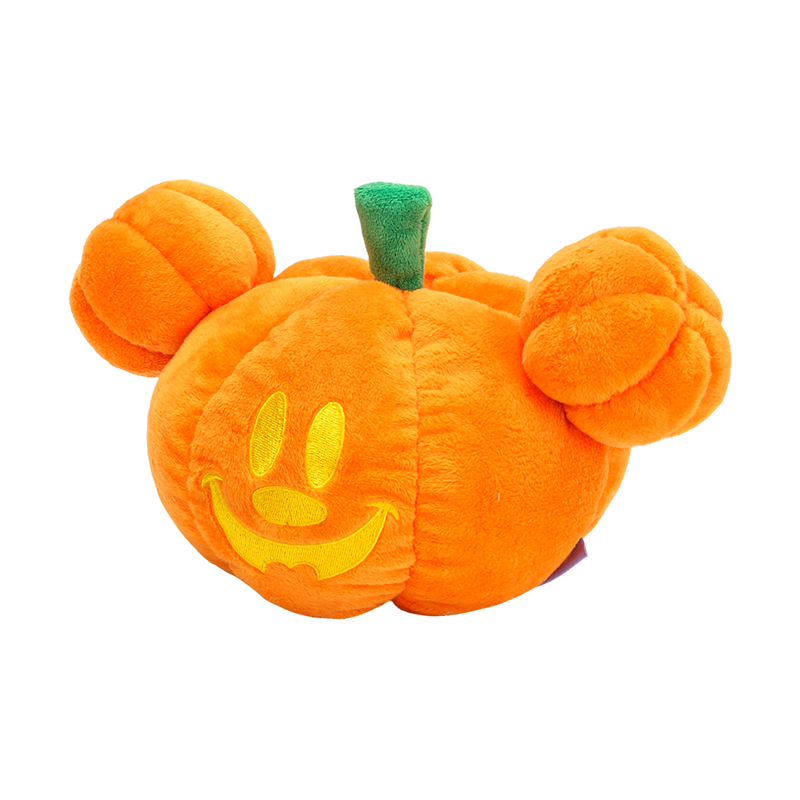
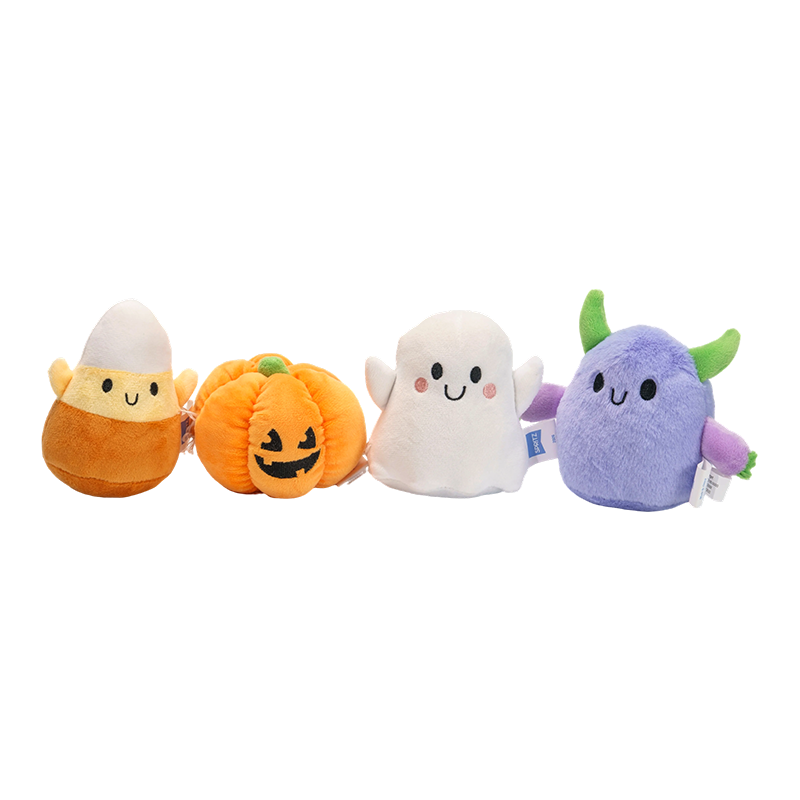
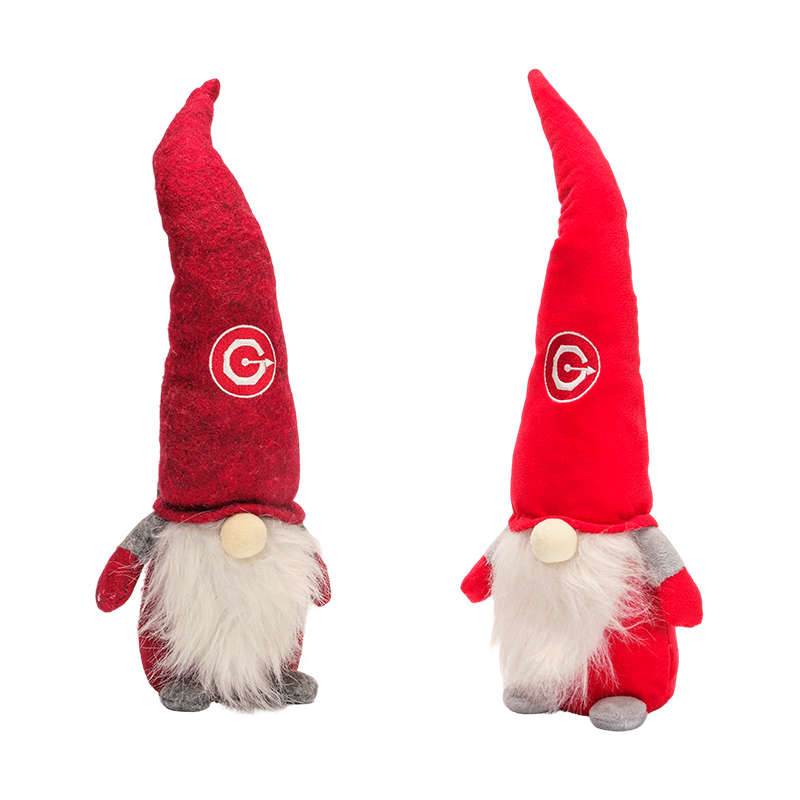
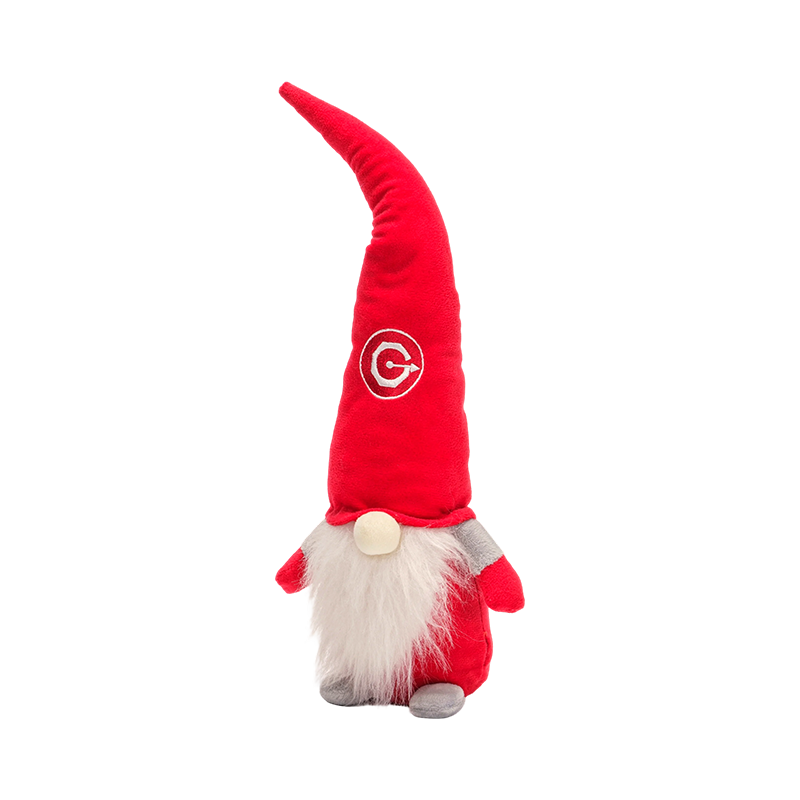
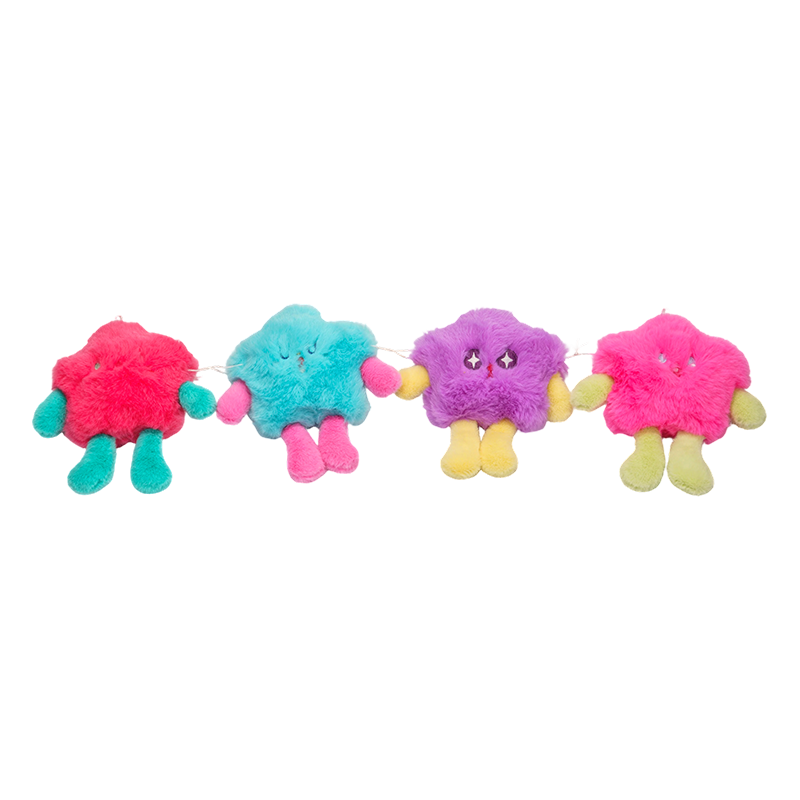
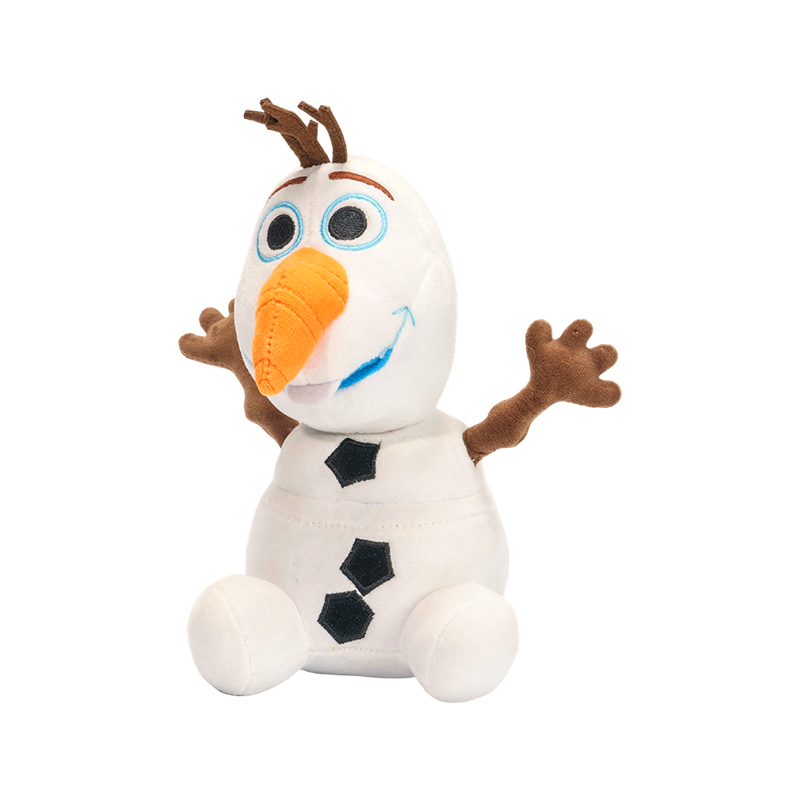
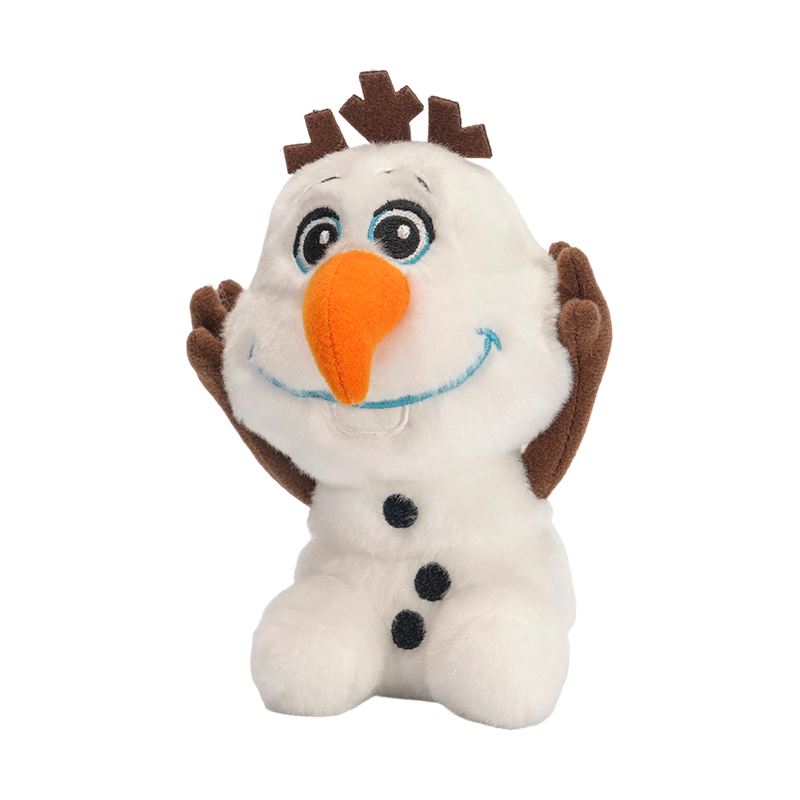
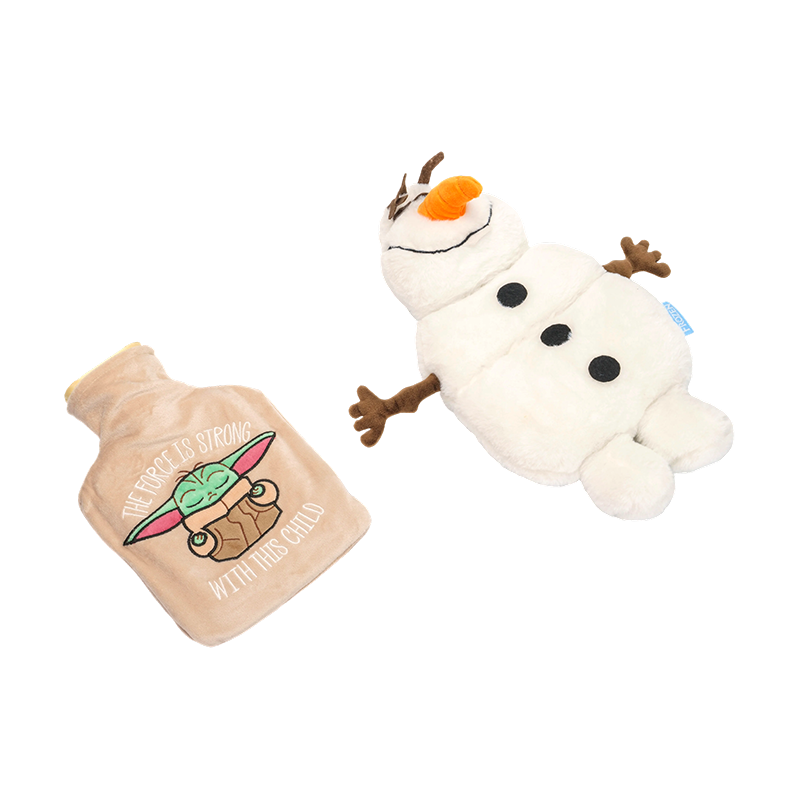
Holiday & Seasonal Plush Toys Wholesale

Home / Products / Promotional & Seasonal Plush Toys / Holiday & Seasonal Plush Toys
Trendy plush toys Tianchang Bestjoy Craft & Gift Co., Ltd.
Tianchang Bestjoy Craft & Gift Co., Ltd. is China Holiday Plush Toys Manufacturers and Wholesale Seasonal Plush Toys Suppliers encompassing R&D, design, production, and sales. Established in 2013 as a joint venture between Hong Kong Jintong International Co., Ltd. and Tianyuan Enterprise Investment Management Co., Ltd., our company is located in the scenic Jinji Town, Tianchang City, Anhui Province. Our factory covers an area of ​​over 10,000 square meters, with annual sales exceeding 12 million RMB. Our products are mainly sold to Europe, America, Australia, Japan, and South Korea, with major clients including Walmart, Target, Albertsons, and Kmart.
Our main products include trendy plush toys, children's plush toys, pet plush toys, plush promotional gifts, plush home furnishings, plush stationery gifts, plush handicrafts, and plush cartoon decorations.
We boast an innovative R&D and design team, professional production equipment, an excellent sales team, and a comprehensive after-sales service team. We offer in-stock services and welcome customers from all over the world to cooperate with us.
Tianchang Bestjoy Craft & Gift Co., Ltd.
Watch Video
Trendy plush toys High Standard
Factory
Explore More
Factory
  • BestJoy

    BestJoy

  • BestJoy

    BestJoy

  • BestJoy

    BestJoy

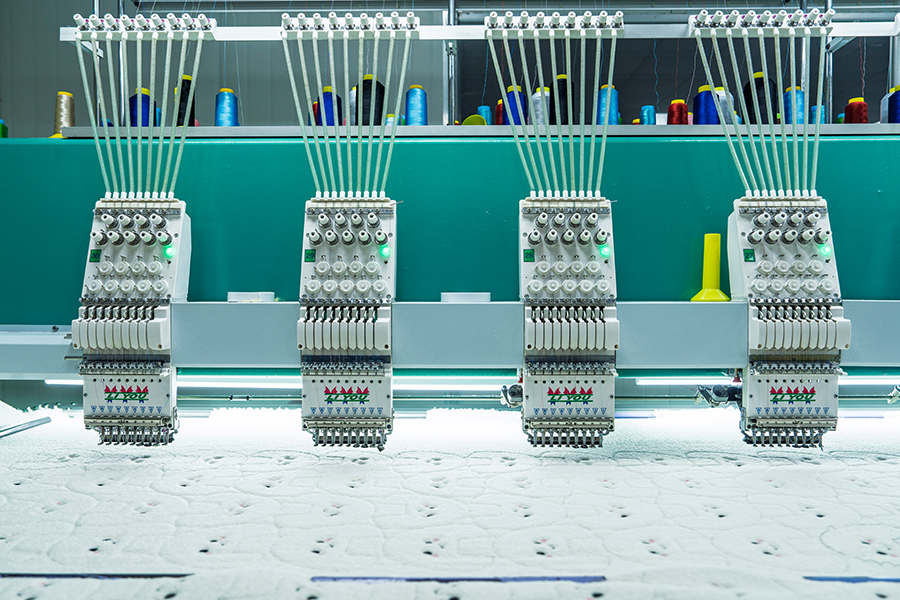
  • Workshop

    Workshop

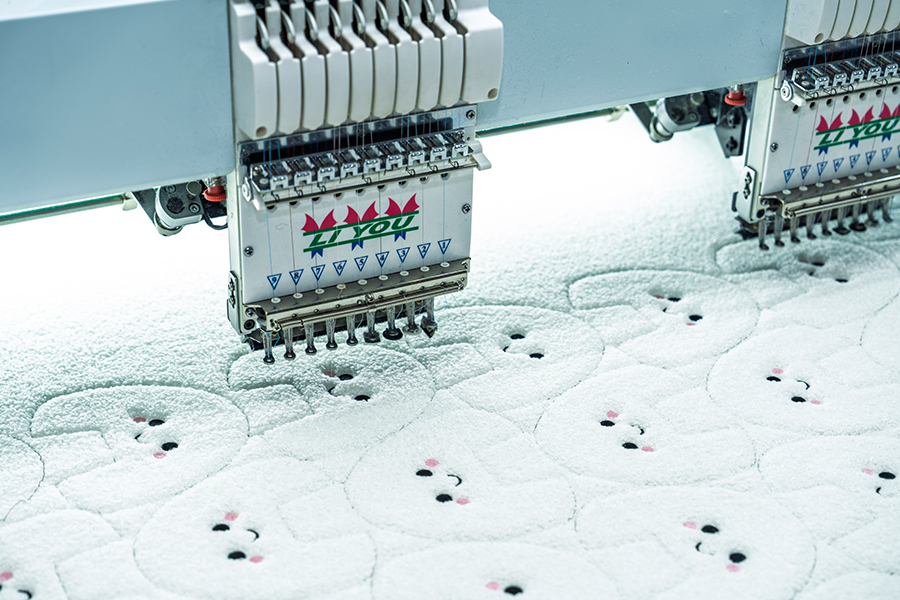
  • Embroidery

    Embroidery

  • Embroidery

    Embroidery

Trendy plush toys Follow
Our Updates

Follow news and information to stay informed about industry trends

    {php}$limitNum = 5;$limitNum2 = 160; if($cat_detail['parent_alias']==''){ $limitNum = 6; $limitNum2 = 100; }else if($cat_detail['parent_alias']=='product'){ $limitNum = 4; $limitNum2 =220; }else{ $limitNum = 3; $limitNum2 =320; }{/php
  • 2026-07-16
    In recent years, the world of plush toys has evolved far beyond simple children's playthings, expanding into a category of comforting, emotionally supportive companions enjoyed by people of all ages. Among the many themes and designs available within this growing market, healing ocean life plush toys have captured particular attention, drawing on the calming, restorative associations many people hold toward the sea and its diverse array of fascinating creatures. Combining soft, huggable construction with designs inspired by whales, octopuses, jellyfish, sea turtles, and other beloved marine animals, these plush toys offer a unique blend of playful charm and genuine emotional comfort. Understanding what makes healing ocean life plush toys so appealing, how they are designed and constructed, and the meaningful benefits they offer provides valuable insight for parents, gift buyers, and anyone curious about this heartwarming corner of the toy and comfort product world. What Makes Ocean Life Plush Toys Feel Healing The concept of a healing plush toy extends beyond simple entertainment value, focusing instead on the emotional comfort and calming sensory experience these items can provide to the people who hold them. Ocean life themed plush toys tap into a widely shared human fascination with the sea, a place often associated with tranquility, vastness, and gentle rhythmic movement, qualities that many people find inherently soothing. The soft, rounded forms typically used to represent marine creatures such as whales, dolphins, and sea turtles further contribute to this calming effect, since gentle, curved shapes are generally perceived as more comforting and less threatening than sharp or angular designs. Color palettes commonly used in ocean life plush toys, including soft blues, gentle teals, and muted aquatic tones, further reinforce this calming association, drawing on the naturally soothing visual qualities many people connect with ocean water and coastal environments. When combined with the plush toy's soft, huggable texture, these design elements work together to create an overall sensory experience that many people find genuinely comforting, whether used as a bedtime companion for a young child or a comforting object for an adult seeking a moment of calm during a stressful day. Popular Ocean Creature Designs and Their Unique Appeal Within the healing ocean life plush toy category, certain marine creatures have emerged as particularly popular choices, each offering their own distinct visual charm and emotional appeal. Whale designs remain especially beloved, often crafted with gentle, rounded bodies and friendly facial expressions that capture the majestic yet approachable nature these massive ocean dwellers represent in popular imagination. The sheer size and graceful presence of whales in the wild translates surprisingly well into a soft, comforting plush form, offering a huggable representation of one of the ocean's most awe inspiring creatures. Octopus plush toys have similarly grown in popularity, valued not only for their whimsical, tentacled appearance but also for their tactile play value, since the flexible, elongated tentacle design allows for engaging sensory play, including wrapping, draping, and manipulating the tentacles in ways that many children and even adults find genuinely satisfying. Some octopus plush designs incorporate reversible color changing features, allowing the toy to display different expressions or colors depending on how it is flipped or manipulated, adding an extra layer of interactive charm to this already popular design choice. Sea turtles, jellyfish, seahorses, and various tropical fish designs round out the broader category of popular ocean life plush toys, each bringing their own unique visual character and symbolic associations. Sea turtles often evoke themes of patience, longevity, and gentle resilience, while jellyfish designs, frequently crafted with soft, flowing tentacle details, offer a uniquely ethereal and calming aesthetic that many find particularly soothing. This diversity of available designs allows buyers to select ocean life plush toys that resonate with specific personal preferences or symbolic meanings meaningful to the recipient. Popular Ocean Life Plush Designs Whales with gentle, rounded bodies and friendly expressions Octopuses with flexible tentacles for engaging tactile play Sea turtles symbolizing patience and gentle resilience Jellyfish with soft, flowing tentacle details for a calming aesthetic Seahorses and tropical fish offering colorful, playful variety Material Quality and Construction for Comfort and Durability The comforting quality of healing ocean life plush toys depends significantly on thoughtful material selection and construction techniques. High quality plush toys typically use soft, plush fabric materials such as minky fabric or high pile plush textiles, chosen specifically for their exceptionally soft, smooth texture that feels pleasant against the skin, an important factor contributing to the overall soothing tactile experience these toys are designed to provide. The density and quality of the internal stuffing material also significantly influences the toy's huggability, with well constructed plush toys using evenly distributed, appropriately dense filling that maintains its shape and softness over extended periods of regular use. Durability considerations remain important even within this comfort focused product category, particularly for plush toys intended for children who may engage in more vigorous play or regular daily handling. Reinforced stitching at stress points, such as limb attachments or areas subject to frequent gripping and squeezing, helps ensure the toy can withstand regular use without prematurely developing tears or loose seams. Quality control processes, including secure attachment of any embellishments such as embroidered facial features or small decorative details, further support long term durability while also addressing important safety considerations, particularly relevant for plush toys intended for younger children who may be prone to mouthing or pulling at small attached components. Machine washability represents another practical construction consideration valued by many parents and caregivers, since plush toys used regularly, particularly as bedtime companions, inevitably require periodic cleaning to maintain proper hygiene. Well designed ocean life plush toys often incorporate washable materials and secure construction techniques that can withstand gentle machine washing without significant degradation in texture, shape, or overall appearance, supporting the toy's long term usability as a cherished, regularly used comfort item. Emotional and Psychological Benefits of Comfort Plush Toys The value of healing ocean life plush toys extends well beyond simple aesthetic appeal, drawing on broader psychological principles associated with comfort objects and tactile sensory engagement. For young children, soft plush toys often serve as important transitional comfort objects, providing a sense of security and familiarity during times of change or stress, such as bedtime separation from parents, transitions between different environments, or general emotional regulation during the developmentally significant early childhood years. The consistent, predictable presence of a beloved plush companion can offer meaningful emotional support during these formative developmental periods. Tactile engagement with soft, comforting textures has also been widely recognized as a soothing sensory experience relevant not only to children but to individuals of all ages navigating stress, anxiety, or general emotional overwhelm. The simple physical act of holding, squeezing, or hugging a soft plush toy can provide a grounding sensory input that many people find genuinely calming, offering a small but meaningful moment of comfort during difficult or overwhelming circumstances. This broader therapeutic value has contributed to growing interest in comfort focused plush toys among adult consumers, extending well beyond the traditional children's toy market. The specific ocean life theme adds an additional layer of symbolic and emotional resonance for many individuals, drawing on personal associations with beach vacations, peaceful coastal memories, or simply the broader cultural association between ocean imagery and feelings of vastness, calm, and natural beauty. For some, ocean life plush toys may also carry meaningful connections to marine conservation values, environmental appreciation, or simply a personal fondness for the diverse, fascinating creatures that inhabit the world's oceans. Emotional Comfort Benefits Supporting emotional security during childhood transitions and bedtime Providing calming tactile sensory engagement for stress relief Offering a comforting, familiar presence during difficult moments Evoking peaceful associations with ocean and coastal environments Appealing to both children and adults seeking gentle comfort objects Safety Considerations for Children's Plush Toys When selecting healing ocean life plush toys intended for young children, safety considerations should remain a top priority alongside comfort and aesthetic appeal. Age appropriate design features are essential, particularly for infants and toddlers, where small attached components such as beads, buttons, or decorative embellishments could present potential choking hazards if not securely fastened or entirely avoided in favor of embroidered or printed design details instead. Material safety certifications provide important reassurance regarding the absence of harmful chemicals, dyes, or substances that could pose health risks, particularly relevant given that young children frequently engage in mouthing behavior with soft toys during typical developmental exploration. Parents and caregivers should look for plush toys that meet recognized safety standards appropriate to their region, ensuring the product has undergone appropriate testing for material safety, flammability resistance, and structural durability standards relevant to children's products. Regular inspection of plush toys for signs of wear, loose seams, or damaged components represents an important ongoing safety practice for parents and caregivers, helping identify potential hazards before they develop into more serious safety concerns. Toys showing significant wear, particularly involving loose stuffing, torn seams, or detached small components, should be promptly repaired or replaced to maintain a safe play environment for young children. Design Trends and Innovation in Ocean Life Plush Toys The healing ocean life plush toy category continues to evolve, incorporating innovative design elements that enhance both the sensory and emotional experience these toys provide. Weighted plush toys, incorporating gentle internal weighting distributed throughout the toy's body, have grown in popularity due to their ability to provide deep pressure sensory input, a tactile experience many individuals find particularly calming and grounding, drawing on principles similar to those associated with weighted blankets used for anxiety and sensory regulation support. Reversible or mood expressing plush designs represent another notable innovation trend, allowing children to physically manipulate the toy to display different facial expressions or color patterns, offering a playful, interactive way for children to engage with and express their own emotions through the toy itself. This interactive emotional engagement adds a meaningful dimension to the plush toy experience, extending its value beyond simple passive comfort into a more active tool for emotional expression and understanding, particularly valuable for younger children still developing their emotional vocabulary and self expression skills. Scented or aromatherapy infused plush toy variations, incorporating gentle, child safe calming scents such as lavender within a small removable sachet insert, represent a further innovation aimed at enhancing the overall sensory comfort experience, combining tactile softness with a subtle olfactory calming element for individuals particularly responsive to aromatherapy based relaxation techniques. These design innovations reflect the broader evolution of the healing plush toy category from simple decorative items into more intentionally designed comfort and emotional support products. Choosing the Right Ocean Life Plush Toy as a Gift Healing ocean life plush toys make particularly thoughtful gifts across a wide range of occasions and recipients, given their broad emotional appeal and comforting qualities. For young children, selecting a design based on their personal interests, whether a particular fondness for a specific marine creature or simply their general affinity for soft, cuddly companions, helps ensure the gift resonates meaningfully with the individual child's preferences and developmental needs. For older children, teenagers, or adults, ocean life plush toys can serve as thoughtful comfort gifts during difficult life transitions, stressful periods, or simply as a gentle reminder of care and support from the gift giver. The universal, non age specific appeal of high quality plush toys, particularly those featuring more sophisticated or aesthetically refined ocean life designs, has contributed to their growing popularity as comfort gifts across a much broader age range than traditional children's toys typically command. When selecting a plush toy as a gift, considering factors such as size, since larger plush toys often provide a more substantial, huggable comfort experience while smaller versions offer greater portability for travel or everyday carrying, along with material quality and any special features such as weighted designs or interactive elements, helps ensure the selected gift provides genuine value and comfort to its intended recipient. Gift Selection Considerations Recipient's personal affinity for specific ocean creatures or themes Appropriate size for intended use, from portable to substantial comfort Material quality and washability for long term regular use Special features such as weighted filling or interactive elements Age appropriate safety features for younger recipients Conclusion Healing ocean life plush toys occupy a special place within the broader world of comfort products, combining the timeless appeal of soft, huggable companions with the calming, evocative imagery of the sea and its remarkable diversity of marine creatures. Through thoughtful material selection, careful attention to safety and durability, and increasingly innovative design features aimed at enhancing emotional and sensory comfort, these plush toys offer meaningful value to children and adults alike, providing a gentle source of comfort during both everyday moments and more challenging emotional experiences. As interest in mindful, comfort oriented products continues to grow, healing ocean life plush toys are well positioned to remain a beloved and meaningful choice for anyone seeking a little extra softness and calm in their daily life. ...
  • 2026-07-09
    The consumer logic of the toy market is undergoing a quiet transformation. Product development, which once focused entirely on children's preferences, is now being influenced by a new trend centered on cross-generational emotional connections. Recent research covering nine major global consumer markets shows that nostalgia culture has become a significant factor influencing children's toy choices and reshaping family purchasing decisions, creating new opportunities for the toy industry. The survey was conducted in the fourth quarter of 2025 across nine key markets, including the United States, Canada, the United Kingdom, Germany, France, Poland, Italy, Spain, and Australia. It collected feedback from children aged 3 to 15 and parents with children aged 1 to 15, providing insights into how nostalgic emotions influence family toy consumption. According to the survey, 68% of parents said they were more likely to choose classic toys that remind them of their own childhood experiences when purchasing toys for their children. Meanwhile, 57% of children aged 3 to 15 showed stronger curiosity and emotional attachment toward toys that their parents once played with compared with completely new products. This shared emotional connection has created a new market trend. Classic plush toys with nostalgic elements, retro cartoon merchandise, and recreated childhood collectibles achieved a 31% year-on-year sales increase in the global toy market in 2025, significantly exceeding the average industry growth rate. The appeal of these products has expanded beyond entertainment value, becoming a bridge connecting two generations. Nostalgic Toys Become Emotional Bridges Between Generations In many family activities during 2025, nostalgic toys played an important role in creating parent-child interactions. Parents shared childhood stories with their children through recreated classic plush figures and familiar toy designs, allowing two generations to connect through shared memories. Research data also indicates that nostalgic toys are used together by families 42% more frequently than completely unfamiliar new toys. These products provide longer-lasting companionship value by encouraging communication, storytelling, and emotional interaction between parents and children. New Marketing Opportunities for Toy Brands and Manufacturers For toy brands and manufacturers, the rise of nostalgia-driven consumption provides new marketing strategies. Traditional toy marketing usually targets children as the primary audience, while parents are mainly considered purchasing decision-makers. However, the nostalgia trend allows brands to directly communicate with parents by using familiar childhood symbols and emotional memories. By creating family-oriented experiences, brands can encourage children to develop emotional connections with toys that carry historical and cultural value. Many successful toy brands in 2025 adopted this approach by preserving classic designs and recognizable features while upgrading products with environmentally friendly materials, improved safety standards, and small innovations that match modern children's lifestyles. In marketing campaigns, these brands focused on the concept of sharing the same childhood memories between parents and children. This strategy helped attract both generations and strengthened emotional engagement with the products. Nostalgia-Driven Toy Consumption Becomes a Long-Term Trend Industry analysts believe that nostalgia-driven toy consumption is not just a short-term market trend, but a long-term demand created by changing family consumption preferences. As parents become increasingly willing to invest in products that provide emotional value and meaningful companionship, toys are evolving from simple entertainment items into important carriers of family memories. Future toy product development and marketing strategies are expected to include more cross-generational emotional design. By combining childhood memories with modern innovation, nostalgic toys can offer children richer experiences while creating stronger emotional connections within families. ...
  • 2026-07-09
    On July 8, the 2026 Mid-Year Work Summary and Second-Half Work Planning Conference of Tianchang Bestjoy Craft & Gift Co., Ltd. was successfully held in the factory's multifunctional conference hall. The company's core management team, production workshop leaders, and representatives from the R&D and sales teams gathered together to comprehensively review the business achievements of the first half of the year, define future development directions, and jointly establish key goals for the next stage in the custom plush toy industry. Review of Core Achievements in the First Half of the Year At the meeting, department leaders reviewed the implementation of key tasks during the first half of the year. Relying on more than 20 years of experience and industry expertise in plush toy manufacturing, the company achieved better-than-expected growth in overall business performance during the first half of 2026. Total revenue increased by 28% compared with the same period in 2025, while customized plush toy orders accounted for 76% of total revenue. The company also successfully developed two new long-term international retail brand partners, with the overall customer repurchase rate reaching 83%, further strengthening long-term cooperation and trust with multiple leading overseas retail brands. During the meeting, the production team presented actual operational data from the workshop. All 127 customized projects completed in the first half of the year were successfully delivered. With strong custom development capabilities, the professional R&D and engineering teams shortened the prototype development cycle of 72% of customized projects by 15% compared with the industry average. All trendy toys, children's toys, and home gift products shipped from the factory achieved a 100% safety and compliance inspection pass rate, while the overall customer complaint rate remained at only 0.3%. The company also shared delivery records of peak-season orders. A total of 42 batches of cross-border orders achieved zero delayed deliveries, with the average delivery cycle for full-container orders controlled within 32 working days. These achievements successfully supported overseas customers' advance stocking needs for summer plush gifts and received official written recognition from many partners. In terms of green development, the meeting also announced the company's low-carbon achievements in the first half of the year. Bestjoy Craft & Gift has promoted the use of renewable plush materials throughout the supply chain and implemented simplified packaging initiatives to reduce carbon emissions. Environmental protection concepts have been integrated into the entire production process, allowing every plush product delivered from the factory to provide users with a pure and tangible eco-friendly experience. Setting Future Goals and Key Development Plans for the Second Half of the Year Based on first-half achievements and market feedback, the meeting unanimously approved the company's core work plan for the second half of 2026. 1. Production Capacity and R&D Upgrade:In the second half of the year, the company will add one dedicated production line for IP co-branded plush products, increasing the overall monthly production capacity to 160,000 pieces. The R&D design team will also be expanded to complete a product reserve of 15 original plush samples focused on emotional healing and parent-child interaction, further enhancing customized development capabilities and accurately meeting the personalized needs of global customers. 2. Continuous Improvement of Service Efficiency:The company will shorten the prototype development cycle of standard customized projects to within 7 working days, providing more flexible supporting service solutions for small and medium-volume customization customers and continuing to implement the company's service philosophy of "exceeding expectations with controllable budgets." 3. Implementation of Green Product Portfolio:Bestjoy Craft & Gift will officially launch a complete zero-carbon eco-friendly plush product line. All products will use recyclable and biodegradable materials from raw materials to packaging, creating a benchmark for green products in the plush toy industry. 4. Further Expansion of Global Markets:The company will complete preparations for participating in two international industry exhibitions and continue updating plush industry trend insights and successful customization case studies on its official website. By integrating online and offline customer acquisition channels, the company aims to develop five additional high-quality overseas partners in the second half of the year and achieve a 30% year-on-year annual revenue growth target. At the end of the meeting, General Manager Li delivered a concluding speech. Since its establishment, Bestjoy Craft & Gift has always regarded innovative design, reliable quality, and professional service as its core competitive advantages. This mid-year meeting not only recognized the efforts of all team members in the first half of the year but also provided a clear direction for future development. In the future, the entire Bestjoy team will continue working together with global partners to explore new possibilities in plush product value and create a better future of win-win cooperation with customers in the plush toy industry. ...
  • 2026-07-09
    In a world that often moves faster than the human nervous system was built to handle, small sources of comfort matter more than they might initially appear. Healing designer plush toys have emerged as a thoughtful category of emotional support products, blending careful craftsmanship with an understanding of what genuinely soothes people during moments of stress, grief, anxiety, or simple everyday overwhelm. This guide explores what these plush toys are, the ideas behind their design, and how they fit into a broader, healthy approach to emotional wellbeing for both children and adults. What Are Healing Designer Plush Toys Healing designer plush toys are thoughtfully crafted stuffed companions created with intentional design choices meant to support emotional comfort, rather than simply serving as decorative items or children's playthings. Unlike mass produced novelty plush toys, these products are often developed with attention to texture, weight, facial expression, and even scent, drawing on principles from sensory science and comfort object research to create something that feels genuinely soothing to hold. The word designer in this context reflects a deliberate, considered approach to construction, often involving premium fabrics, ergonomic shapes suited for hugging or cradling, and expressions designed to feel gentle and non threatening rather than overly cartoonish or emotionally neutral. Many are created in collaboration with therapists, grief counselors, or child development specialists, incorporating features specifically intended to support emotional regulation, such as weighted inserts, soft textured ears for tactile stimulation, or adjustable limbs that allow the toy to be positioned for a comforting embrace. The Psychology Behind Comfort Objects The idea that a soft object can provide genuine emotional comfort is not simply anecdotal. Developmental psychology has long recognized the role of what are sometimes called transitional objects, items that help individuals, particularly children, navigate feelings of separation, uncertainty, or emotional overwhelm. These objects work in part because they offer a consistent, predictable source of tactile comfort that does not depend on another person's availability or mood, which can be especially reassuring during moments when a person feels vulnerable or alone. While this concept is most commonly discussed in relation to young children, adults experience similar benefits from comfort objects, even if social norms sometimes discourage acknowledging this openly. A plush toy kept on a bed, at a desk, or in a bag can serve as a small, private source of grounding during stressful moments, offering a physical point of focus that can help interrupt escalating anxious thoughts or overwhelming emotions. Key insight: Comfort objects are not a sign of immaturity or dependency. Across the lifespan, humans consistently benefit from tactile, predictable sources of soothing, and a well designed plush toy simply provides a socially accepted, easily accessible way to meet that need. Design Elements That Support Emotional Comfort Soft, High Quality Fabric The texture of a plush toy significantly affects its soothing potential. Premium minky fabrics, brushed cotton, and other soft textured materials are often chosen specifically for their calming tactile qualities, encouraging repeated touching and stroking, a motion that can naturally support nervous system regulation. Weighted Inserts Some healing plush toys incorporate small weighted elements, drawing on the same principles found in weighted blankets. This gentle, evenly distributed pressure can create a calming sensation for some individuals, similar to the effect of a firm hug or swaddling. Gentle Facial Expressions Designers often choose soft, neutral, or subtly warm facial expressions rather than exaggerated cartoon features. This design choice helps the toy feel calm and non intrusive, which can be particularly important for individuals who find overly stimulating visual features overwhelming during moments of distress. Huggable Proportions Many healing plush toys are designed with a specific size and shape intended to fit naturally into an embrace, whether tucked under an arm, held against the chest, or positioned for cradling. This ergonomic consideration supports the physical act of holding something close, which can itself contribute to a sense of security. Customization and Personalization Some designer plush toys offer personalization options, such as embroidered names, custom color choices, or the ability to include a small pocket for a personal note or keepsake. This personal connection can deepen the emotional significance of the object, particularly for individuals navigating grief or significant life transitions. Types of Healing Designer Plush Toys Type Common Use Notable Feature Weighted comfort companions Anxiety support and sensory regulation Evenly distributed gentle weight Memory keepsake plush Grief support and remembrance Personalized embroidery or fabric inserts Scented comfort plush Sleep support and relaxation Lavender or calming herbal inserts Sensory texture plush Tactile stimulation and grounding Varied fabric textures across the toy Travel sized comfort plush Portable emotional support Compact size for bags and pockets Choosing among these categories depends on the specific emotional need being addressed. A weighted comfort companion might serve someone managing daily anxiety, while a memory keepsake plush could offer meaningful support during a period of grief, incorporating fabric from a loved one's clothing or a small embroidered message. Emotional Support Across Different Life Stages Children and Emotional Development For children, a healing plush toy can serve as a steady companion during moments of transition, such as starting school, moving to a new home, or adjusting to changes within the family. The consistency of a familiar, soft companion can provide a sense of stability during periods when a child's environment feels unpredictable. Adolescents Navigating Stress Teenagers, despite social pressures that sometimes discourage attachment to comfort objects, often benefit from having a private, non judgmental source of comfort available during stressful periods such as exams, social difficulties, or family conflict. A discreet, well designed plush toy kept in a bedroom can offer this support without requiring social disclosure. Adults Managing Daily Stress Adults juggling work pressures, caregiving responsibilities, and the general demands of daily life can also benefit from a comfort object kept nearby, whether at a desk, in a car, or on a nightstand. This is not a sign of regression, but rather a practical tool for brief moments of grounding throughout a demanding day. Grief and Loss Support Memory keepsake plush toys have become an increasingly recognized part of grief support, offering a tangible, huggable connection to a lost loved one. Many grief counselors acknowledge the value of physical objects in supporting the mourning process, and a thoughtfully designed plush companion can serve this role with warmth and dignity. Hospital and Medical Settings Healing plush toys are frequently used in pediatric hospital settings to help ease anxiety before procedures, offering children a familiar, soft companion during unfamiliar and often frightening medical experiences. Some hospitals have begun incorporating similar comfort items into adult care settings as well, recognizing the calming benefit across age groups. The Broader Wellness Connection Emotional wellness is built from many small, consistent practices, and comfort objects fit naturally into this broader picture alongside habits such as deep breathing, mindful movement, and maintaining supportive social connections. A healing designer plush toy is not a substitute for professional mental health care when it is genuinely needed, but it can serve as a gentle, accessible complement to a person's overall emotional self care routine. The simple physical act of holding something soft and familiar can help interrupt cycles of escalating stress, offering a brief pause that allows the nervous system a moment to settle. This aligns with broader wellness principles that emphasize the value of small, repeatable grounding practices over relying solely on major interventions during moments of acute distress. Just as a warm cup of tea or a few minutes of quiet breathing can offer meaningful relief during a stressful afternoon, a familiar plush companion can serve a similar grounding function. Supporting Nervous System Regulation Gentle, repetitive tactile input, such as stroking a soft fabric surface, is associated with activating the parasympathetic nervous system, the body's natural relaxation response. This physiological effect helps explain why holding a soft, familiar object can genuinely ease feelings of tension, even in adulthood. Creating Predictable Comfort Rituals Incorporating a comfort object into a consistent evening routine, such as holding it while reading before bed, can help signal to the body and mind that it is time to wind down. This kind of predictable ritual supports healthier sleep patterns, since the brain begins associating the object and the routine surrounding it with relaxation and rest. A Gentle Tool During Difficult Emotions During moments of sadness, worry, or overwhelm, having a soft, familiar object nearby can provide a small but genuine source of comfort while a person works through their feelings, whether alone or while talking with a trusted friend, family member, or therapist. It offers a quiet, non demanding presence during vulnerable moments. Encouraging Mindful Presence The simple act of noticing the texture, weight, and softness of a plush toy in one's hands can serve as a small mindfulness exercise, gently redirecting attention away from spiraling thoughts and back toward the present moment. This grounding technique is widely used in anxiety management practices, and a comfort object can serve as a natural, accessible anchor for this kind of attention. True emotional wellness rarely comes from a single solution. It is built from a collection of small, supportive habits and objects that together create a sense of stability, comfort, and groundedness throughout daily life. Choosing a Healing Plush Toy Thoughtfully Selecting the right healing designer plush toy involves considering the specific emotional need it is meant to support, along with practical factors such as size, material, and care requirements. Consider whether a weighted, scented, or simply soft textured design best matches the intended comfort need, whether for anxiety support, sleep, or grief. Check the fabric composition for softness and durability, particularly if the toy will be handled frequently or held closely each day. Look for hypoallergenic materials if the toy is intended for a child or an individual with sensory sensitivities. Consider personalization options if the toy is intended as a meaningful keepsake, such as for grief support or a significant life milestone. Review care instructions to ensure the toy can be cleaned safely without compromising any weighted or scented internal components. Practical tip: If choosing a comfort plush for a child during a specific transition, such as starting school or welcoming a new sibling, introducing the toy calmly and without pressure allows the child to form a natural, genuine attachment rather than feeling that the object is being imposed upon them. Caring for a Healing Plush Toy Follow manufacturer washing instructions carefully, as weighted or scented inserts often require gentle, specific cleaning methods to preserve their function. Air dry weighted plush toys whenever possible, since high heat drying can sometimes affect the internal weighted material over time. Spot clean scented plush toys rather than fully washing them, when possible, to help preserve calming herbal scents such as lavender for longer periods. Store the toy in a clean, dry location when not in use to maintain its softness and overall condition for long term comfort. Important Considerations and Limitations While healing designer plush toys can offer genuine comfort and support, it is important to view them as one part of a broader emotional wellness toolkit rather than a standalone solution for significant mental health concerns. Individuals experiencing persistent anxiety, depression, grief that feels overwhelming, or other serious emotional difficulties should consider speaking with a qualified mental health professional, who can offer personalized support and guidance. A comfort object can be a meaningful companion alongside professional care, but it is not a replacement for it. Common Mistakes to Avoid Choosing Based on Appearance Alone While aesthetics matter, prioritizing texture, weight, and overall comfort design will typically provide more genuine emotional benefit than selecting a toy based purely on visual appeal. Overlooking Sensory Sensitivities Some individuals, particularly those with sensory processing differences, may find certain textures or scents overstimulating rather than calming. Considering individual sensory preferences is essential when selecting a comfort object. Neglecting Proper Care Failing to follow appropriate cleaning guidelines can damage weighted inserts or diminish scented components, reducing the long term comfort value of the toy. Dismissing Adult Use as Inappropriate Assuming comfort objects are only appropriate for children can prevent adults from accessing a genuinely helpful, low cost emotional support tool during stressful periods. Frequently Asked Questions Are healing plush toys only appropriate for children No, individuals of all ages can benefit from the tactile comfort and grounding effect these toys provide, particularly during moments of stress, transition, or grief. Can a plush toy actually help with anxiety Many people find that holding a soft, familiar object provides a grounding, calming effect during anxious moments, though it works best as a complementary tool alongside other coping strategies and, when needed, professional support. What makes a plush toy specifically designed for healing rather than just a regular toy Healing designer plush toys typically incorporate intentional features such as calming textures, weighted elements, gentle facial expressions, or personalization options specifically chosen to support emotional comfort rather than simply serve as a decorative or playful item. Are these toys appropriate for grief support Yes, many memory keepsake plush toys are specifically designed to support the grieving process, often incorporating personal touches such as embroidered names or fabric connected to a loved one. Final Thoughts Healing designer plush toys represent a thoughtful intersection of craftsmanship and emotional care, offering a gentle, accessible source of comfort for children and adults alike. While they are not a replacement for professional mental health support when significant challenges arise, they can serve as a meaningful part of a broader, healthy approach to emotional wellbeing, supporting moments of grounding, comfort, and connection throughout daily life. Whether chosen for a child navigating a big transition, an adult managing everyday stress, or someone working through grief, a well designed comfort companion offers something simple yet genuinely valuable: a soft, steady presence during life's more difficult and uncertain moments. .plush-article { font-family: 'Segoe UI', Arial, sans-serif; line-height: 1.8; color: #2c2c2c; margin: 0 auto; padding: 10px; } .plush-article h2 { color: #6b3a5c; border-left: 5px solid #c179a8; padding-left: 12px; margin-top: 40px; font-size: 26px; } .plush-article h3 { color: #8a4d76; margin-top: 28px; font-size: 20px; } .plush-article p { margin: 14px 0; font-size: 16px; } .plush-article ul, .plush-article ol { margin: 14px 0; padding-left: 28px; } .plush-article li { margin: 8px 0; } .plush-article .highlight-box { background-color: #fbeff6; border: 1px solid #edc4dd; border-radius: 8px; padding: 18px 22px; margin: 24px 0; } .plush-article .tip-box { background-color: #f3f9ee; border-left: 5px solid #7cbf5a; padding: 14px 18px; margin: 24px 0; border-radius: 6px; } .plush-article table { width: 100%; border-collapse: collapse; margin: 20px 0; } .plush-article th, .plush-article td { border: 1px solid #d0d7de; padding: 10px 14px; text-align: left; font-size: 15px; } .plush-article th { background-color: #6b3a5c; color: #ffffff; } .plush-article tr:nth-child(even) { background-color: #fbf6f9; } ...
  • 2026-07-02
    In today's fast paced world, more and more people are looking for everyday objects that can ease stress and offer emotional comfort, and healing designer plush toys have emerged as a popular answer to that need. These are no longer simple children's toys, but companions that blend artistic design, thoughtful craftsmanship, and emotional wellness principles. They have found a devoted audience among urban professionals, art collectors, and toy enthusiasts alike, forming a distinct cultural niche of their own. This article takes an in depth look at healing designer plush toys, covering their design philosophy, emotional value, materials and craftsmanship, buying considerations, and typical use cases. What Are Healing Designer Plush Toys Healing designer plush toys are plush figures created by independent designers or well known art studios that combine artistic expression with a soothing, comforting function. Unlike mass produced plush toys made on standard factory lines, these products tend to emphasize distinctive character concepts, soft and gentle color palettes, rounded and endearing proportions, and carefully chosen fabrics with a pleasing tactile quality. The goal is to create a dual sensory experience, visual and tactile, that leaves the owner feeling relaxed, reassured, and accompanied. In terms of positioning, these plush figures typically sit somewhere between collectible art toys and everyday household items. They carry a degree of artistic and collectible value while still serving a practical role in daily emotional support. Many designers give each figure its own backstory and personality, so buying one becomes less about acquiring an object and more about finding an emotional connection. Design Philosophy and Aesthetic Characteristics Rounded Shapes and Soft Colors One of the central aesthetic principles behind healing design is the use of soft, rounded forms. Research suggests that circular shapes and gentle curves tend to feel more approachable and safe to the eye than sharp, angular ones. Rounded silhouettes reduce visual tension and, at a subconscious level, communicate warmth and friendliness. As a result, most healing plush toys deliberately avoid hard edges in favor of full, rounded bodies and softly expressive faces. When it comes to color, designers typically favor low saturation, muted palettes, such as cream, dusty blue, soft pink, and oatmeal tones. These shades are widely regarded in color psychology as calming and anxiety reducing. Compared with bright, highly saturated colors, muted tones are better suited to creating a warm, quiet atmosphere, which aligns closely with the emotional experience these products are designed to deliver. Distinctive Character Narratives and Personification Many designer plush figures are not standalone products but part of a larger world with fully developed characters and storylines. By giving each character a unique personality, backstory, or even an implied emotional state, designers imbue their creations with a sense of personhood. This narrative layer not only adds artistic depth but also encourages a stronger emotional projection from the owner during interaction, turning the toy into genuine emotional company rather than a static object. Understanding the Emotional Healing Value The popularity of healing designer plush toys among adult consumers is closely tied to the emotional value they provide. The sections below explore, from a psychological and behavioral perspective, why these products can offer such a positive emotional experience. Tactile Comfort and Stress Relief Touch is one of the most fundamental ways humans experience the world, and soft, fine textured fabric can deliver an immediate sense of comfort and security simply through contact. Several psychological studies suggest that holding or hugging soft objects can help lower cortisol levels, easing feelings of anxiety and stress. This is part of why many adults instinctively reach for a plush toy during moments of work pressure or emotional strain. Transitional Objects and Emotional Companionship In psychology, plush toys are often described as transitional objects, meaning items that help a person build a sense of emotional safety and stability. While this concept originally focused on childhood development, a growing body of research shows that adults can experience similar attachment based comfort from plush figures, particularly during periods of living alone, relocating, or dealing with heightened emotional stress. Mindful Companionship and Self Care Healing plush toys are often placed on a desk, nightstand, or reading corner, becoming a visible and touchable presence throughout the day. This ongoing visual and tactile companionship can quietly encourage the owner to slow down and check in with their own emotional state, echoing the mindfulness centered lifestyle trends that have grown in popularity in recent years. Materials and Craftsmanship Standards Well made healing designer plush toys are usually held to a higher standard of materials and construction, which is one of the key factors that sets them apart from ordinary stuffed animals. Craftsmanship Aspect Description Fabric Selection Often made with high density short pile plush or velvet fabric, offering a soft, fine texture along with good durability and low static buildup Filling Material Common fillings include PP cotton and bead pellets; some products use a blended fill ratio for a more natural, huggable feel Stitching Technique Focus on smooth, well concealed seams with no exposed threads, helping the toy hold its shape and resist unraveling over time Safety Standards Legitimate products should carry relevant toy safety certifications, confirming that dyes and filling materials are non toxic Detail Work Includes embroidered facial features, three dimensional ear structures, and sometimes movable joints, all of which add to the overall refinement of the design Tip: When shopping for designer plush toys, pay close attention to the fabric composition label and any safety certifications, especially if the toy will be used as a daily companion or given to a child. Material safety should be a top priority. Buying Considerations With such a wide range of healing designer plush toys on the market, buyers can weigh the following factors when making a decision. Design style fit: Different designers have very different aesthetics, ranging from minimalist and cute to vintage and quirky, so choose a style that matches your personal taste. Size and intended use: Desk display figures tend to be smaller and easy to carry or place, while plush toys meant for hugging and daily companionship are better suited to medium or large sizes for a more satisfying tactile experience. Limited editions and collaborations: Some designers release limited edition or brand collaboration series, which can carry collectible and resale value, though buyers should confirm the legitimacy of the sales channel beforehand. Designer and brand background: Learning about a designer's creative philosophy and past work can help you judge a piece's artistic value and long term collectibility. Care instructions and after sales support: Reputable brands usually provide cleaning and care guidance to help extend the life and appearance of the toy. Typical Use Cases Home Relaxation and Bedroom Decor Many people place their healing plush toys on a nightstand or sofa, using them as a companion during downtime. The soft texture and gentle design add a relaxed, cozy feel to any living space. An Emotional Outlet at the Office Desk In high pressure work environments, a growing number of professionals keep a small healing plush toy on their desk as a visual and tactile outlet for releasing stress during breaks. Gifting and Emotional Expression Because healing designer plush toys combine visual appeal with emotional meaning, they are a popular choice for birthdays, holidays, and anniversaries, offering a way to express care and thoughtfulness. Art Collecting and Display For art toy enthusiasts, limited edition or collaboration designer plush figures also carry collectible value and are often displayed as part of a personal collection, serving both a decorative and artistic purpose. Care and Cleaning Tips Most plush toys should be hand washed or dry cleaned, since high heat washing can cause the fabric to warp or fade. Use a soft brush to gently remove surface dust and keep the plush texture and sheen looking fresh. Avoid prolonged direct sunlight exposure, which can cause the fabric to age or the colors to fade. Store the toy in a dry, well ventilated space to prevent moisture damage or mold growth. If the product includes electronic components or special decorative accessories, follow the specific care instructions provided by the manufacturer. Market Trends and Outlook In recent years, as art toy culture and emotion driven consumption have continued to gain momentum, the market for healing designer plush toys has grown rapidly. A growing number of independent designers and brands are focusing on this emotional wellness niche, releasing product lines that balance artistic value with practical comfort. Cross brand collaborations, limited releases, and the rise of online collector communities have further fueled the popularity of this category among younger consumers. As awareness of mental health and emotional wellbeing continues to grow, healing designer plush toys are well positioned to play an increasingly important role in the broader companionship and emotional wellness economy. Overall, healing designer plush toys have moved well beyond the traditional definition of a toy, becoming a distinctive lifestyle product that blends artistic design with genuine emotional value. Whether used for daily emotional companionship, home decor, art collecting, or as a heartfelt gift, these products offer a warm and comforting presence that resonates with people across a wide range of ages and lifestyles. .hdpt-wrapper { font-family: Arial, "Helvetica Neue", sans-serif; line-height: 1.9; color: #2b2b2b; margin: 0 auto; } .hdpt-wrapper h2 { font-size: 24px; color: #6b4a8a; border-left: 5px solid #a97fd6; padding-left: 12px; margin-top: 40px; margin-bottom: 16px; } .hdpt-wrapper h3 { font-size: 19px; color: #7a5599; margin-top: 28px; margin-bottom: 12px; } .hdpt-wrapper p { font-size: 16px; margin-bottom: 14px; text-align: justify; } .hdpt-wrapper ul, .hdpt-wrapper ol { margin-bottom: 16px; padding-left: 24px; } .hdpt-wrapper li { margin-bottom: 8px; font-size: 16px; } .hdpt-highlight { background-color: #f7f0ff; border: 1px solid #e0cdf5; border-radius: 8px; padding: 16px 20px; margin: 20px 0; } .hdpt-table { width: 100%; border-collapse: collapse; margin: 20px 0; font-size: 15px; } .hdpt-table th, .hdpt-table td { border: 1px solid #dcdcdc; padding: 10px 12px; text-align: left; } .hdpt-table th { background-color: #6b4a8a; color: #ffffff; } .hdpt-table tr:nth-child(even) { background-color: #faf6ff; } .hdpt-tip { background-color: #fff3f7; border-left: 4px solid #ff8fab; padding: 12px 18px; margin: 18px 0; font-size: 15px; } .hdpt-summary { background-color: #eef7f2; border: 1px solid #bfe0cd; border-radius: 8px; padding: 18px 22px; margin-top: 30px; } ...
  • 2026-06-25
    Healing home plush blankets are soft, textured throws designed to bring comfort, warmth, and a sense of calm into everyday living spaces. More than just a cozy accessory, these blankets are often associated with relaxation routines, stress relief, and the creation of a soothing home environment. This article explores the materials, design features, emotional and physical benefits, practical uses, and care tips for healing home plush blankets, helping readers understand why this simple home item has become such a meaningful part of modern self care and interior comfort. 1. What Are Healing Home Plush Blankets Healing home plush blankets are thick, velvety soft throws typically made from microfiber, fleece, or similar plush fabrics that create a gentle, soothing texture against the skin. The term healing in this context reflects the way a soft, warm blanket can support relaxation, ease tension, and contribute to a calmer state of mind, especially when used during rest, sleep, or quiet downtime at home. While not a medical treatment, these blankets are widely valued for the comforting sensory experience they provide, making them a popular choice for bedrooms, living rooms, and reading nooks alike. 1.1 The Connection Between Comfort and Wellbeing A soft, weighty, or warm textile wrapped around the body can trigger a sense of security similar to being held or hugged, which many people find calming after a long day. Plush blankets contribute to this feeling through their dense fiber structure, which retains warmth and creates a gentle, even pressure when draped over the body, supporting a more relaxed and restful atmosphere at home. 2. Common Materials Used in Plush Blankets The comfort and performance of a healing home plush blanket largely depend on the materials and weave used in its construction. Different fabrics offer distinct textures, warmth levels, and durability. Material Texture Characteristics Best Suited For Microfiber fleece Lightweight, soft, and quick drying Everyday use across seasons Sherpa fleece Thick, fluffy texture similar to wool Cold weather warmth and extra coziness Flannel Soft, brushed surface with moderate weight Lightweight layering in milder climates Faux fur Plush, luxurious surface with a decorative look Living room accents and gifting Double sided plush Combines two soft textures on each side Versatile comfort for varying preferences 2.1 Why Softness Matters The fine, densely packed fibers used in plush blankets create a smooth, velvety surface that feels gentle against the skin. This level of softness is often associated with a more soothing tactile experience, which can make winding down in the evening or settling in for a nap feel more comfortable and inviting. 3. Design Features That Enhance the Healing Experience Beyond fabric choice, several design elements contribute to the overall comfort and appeal of healing home plush blankets. 3.1 Warmth Without Excess Weight Many plush blankets are engineered to provide noticeable warmth while remaining lightweight, allowing them to be draped comfortably over the body without feeling heavy or restrictive, which is especially appealing for everyday lounging or sleeping. 3.2 Soothing Color Palettes Plush blankets are frequently offered in soft, muted color tones such as pastel pinks, warm beiges, gentle grays, and soft blues, which are often associated with a calming visual effect that complements a restful home atmosphere. 3.3 Versatile Sizing These blankets are commonly available in a range of sizes, from smaller throws suitable for a single person on a sofa to larger options that can cover a bed, allowing users to choose the right fit for their intended use. Some healing home plush blankets are designed with added features such as fringed edges, quilted stitching, or reversible textures, giving users the option to choose a style that best matches both their comfort preferences and home decor. 4. Benefits of Using Plush Blankets at Home Incorporating a healing home plush blanket into daily routines can offer a range of comfort related benefits that extend beyond simple warmth. 4.1 Supporting Relaxation and Rest The soft texture and gentle warmth of a plush blanket can help create a more relaxing environment for activities such as reading, watching television, or settling down for sleep, making it easier to unwind after a busy day. 4.2 Creating a Sense of Comfort and Security Wrapping up in a soft, enveloping blanket can provide a comforting, secure feeling, which many people find helpful during moments of stress or when seeking a quiet space to relax at home. 4.3 Enhancing Sleep Environment A cozy, well chosen blanket can contribute to a more inviting bedroom setting, helping to signal to the body that it is time to rest, which may support a smoother transition into sleep. 4.4 Adding Comfort to Shared Spaces Plush blankets are also commonly used in shared living spaces such as sofas and family rooms, offering a layer of warmth and softness that can make these areas feel more welcoming for relaxing together. Many people choose to keep a healing home plush blanket within easy reach in living areas, allowing it to be used spontaneously during moments of rest, relaxation, or quiet reflection throughout the day. 5. Practical Uses Throughout the Home Healing home plush blankets are versatile items that can be used in a variety of settings beyond traditional bedtime use. Layering over a bed for added warmth and a softer sleeping surface. Draping over a sofa or armchair for everyday lounging comfort. Using as a wrap while reading, working, or relaxing in a favorite chair. Bringing along during travel for added comfort in unfamiliar settings. Offering as a thoughtful gift for someone seeking comfort or relaxation. 6. How to Choose the Right Plush Blanket Selecting the right healing home plush blanket depends on personal comfort preferences as well as practical considerations. Fabric type: consider whether a lighter fleece or a thicker sherpa style texture better suits the intended season and use. Size: choose a size that matches where the blanket will be used most, such as a sofa throw or a full bed cover. Weight: lighter blankets work well for layering, while heavier options provide deeper warmth. Color and style: select tones and patterns that align with the existing decor and desired atmosphere of the room. Care requirements: check whether the blanket is machine washable for easier long term maintenance. 7. Caring for Plush Blankets Proper care helps maintain the softness and appearance of a healing home plush blanket over time. Most plush fabrics can be machine washed on a gentle cycle using cold or warm water, and a low heat tumble dry setting is generally recommended to preserve fiber softness. Avoiding excessive heat, harsh detergents, or fabric softeners can help prevent the fibers from becoming matted or losing their plush texture. Regular fluffing and proper storage in a dry, clean space can also help extend the life and feel of the blanket. 8. Bringing a Healing Atmosphere Into the Home Beyond the blanket itself, creating a broader sense of comfort at home often involves combining soft textiles with other calming elements such as warm lighting, comfortable seating, and a tidy, inviting space. A healing home plush blanket can serve as a simple yet meaningful addition to this kind of environment, offering an easy way to introduce warmth, softness, and a touch of comfort into daily life. Overall, healing home plush blankets offer far more than basic warmth. Through thoughtful material choices, comforting design details, and versatile everyday use, they contribute to a more relaxing and inviting home atmosphere. Whether used for restful sleep, quiet reading, or simply unwinding after a long day, a well chosen plush blanket can become a small but meaningful part of a calmer, more comforting home life. .hhpb-article { font-family: Arial, "Helvetica Neue", sans-serif; color: #2c2c2c; line-height: 1.85; font-size: 16px; } .hhpb-article h2 { color: #8a4b6b; font-size: 24px; margin-top: 40px; margin-bottom: 16px; padding-bottom: 8px; border-bottom: 2px solid #8a4b6b; } .hhpb-article h3 { color: #a8688a; font-size: 19px; margin-top: 28px; margin-bottom: 12px; } .hhpb-article p { margin-bottom: 16px; text-align: justify; } .hhpb-article .intro-box { background-color: #faf0f5; border-left: 4px solid #8a4b6b; padding: 16px 20px; margin: 20px 0; border-radius: 4px; } .hhpb-article ul, .hhpb-article ol { margin-bottom: 18px; padding-left: 24px; } .hhpb-article li { margin-bottom: 8px; } .hhpb-article table { width: 100%; border-collapse: collapse; margin: 20px 0; } .hhpb-article th, .hhpb-article td { border: 1px solid #e0d0da; padding: 10px 14px; text-align: left; } .hhpb-article th { background-color: #8a4b6b; color: #ffffff; } .hhpb-article tr:nth-child(even) { background-color: #fbf3f7; } .hhpb-article .highlight-box { background-color: #fff8e6; border: 1px solid #f0d28a; padding: 16px 20px; margin: 20px 0; border-radius: 4px; } .hhpb-article .note-box { background-color: #eef3fb; border-left: 4px solid #5b86b0; padding: 14px 18px; margin: 20px 0; border-radius: 4px; } ...
  • 2026-06-24
    Healing wildlife plush toys occupy a distinctive space where comfort design, conservation education, and therapeutic function converge. Far beyond conventional stuffed animals, these carefully crafted products are designed to replicate the appearance and tactile qualities of real wild species -- from endangered snow leopards to rehabilitated sea turtles -- while serving documented therapeutic purposes for children, adults in emotional recovery, and wildlife rehabilitation programs themselves. Their growing market reflects a broader cultural shift toward nature-connected wellness and conscious consumerism. $15B+ Global Plush Toy Market Value 74% Adults Who Own a Comfort Object 300+ Wildlife Species Represented in Plush What Defines a Healing Wildlife Plush The term healing wildlife plush refers to a category of plush toys intentionally designed to provide emotional comfort, therapeutic benefit, or both, through accurate and respectful representation of wild animal species. Several characteristics distinguish these products from ordinary stuffed toys. First, species authenticity matters. Healing wildlife plush products invest in accurate anatomical proportions, realistic coloration, and textural fidelity -- the pelage pattern of a snow leopard, the scaled texture of a pangolin, the wing membrane of a fruit bat -- rather than the anthropomorphized cartoon features of conventional children's toys. This realism is intentional: it fosters genuine connection to a real species, which is foundational to both the therapeutic mechanism and the conservation education mission. Second, material quality is a defining characteristic. Therapeutic plush products intended for sensory comfort use fabrics with carefully considered tactile properties -- ultra-soft minky, weighted filling for deep pressure stimulation, or temperature-neutral fibers that do not feel cold to initial touch. Some designs incorporate lavender-infused filling, gentle aromatherapy pouches, or heat-retaining materials to extend the sensory experience beyond touch. A well-designed healing wildlife plush is not merely a toy. It is a therapeutic object that connects the person holding it to the natural world, to a specific animal's story, and to the broader community of people who care about that species -- a form of comfort that carries meaning well beyond its physical form. Third, and perhaps most distinctively, healing wildlife plush products are typically linked to a conservation or rehabilitation mission. Purchases often fund wildlife rescue organizations, habitat protection programs, or species-specific research. Some products are modeled directly on individual rescued animals, with the animal's rehabilitation story included in the packaging, creating a narrative bond between the product owner and a real wild creature. The Therapeutic Science Behind Comfort Objects The therapeutic value of soft comfort objects is well-established in developmental psychology and clinical practice, with a research base extending back to Donald Winnicott's foundational work on transitional objects in the 1950s. Winnicott identified how infants use soft objects to manage the psychological transition between self and external world, developing self-soothing capacity through an object that represents safety and continuity. Transitional Objects and Attachment Theory Contemporary attachment theory has elaborated on Winnicott's framework, demonstrating that comfort objects function as symbolic representations of the secure base provided by primary caregivers. For children experiencing hospitalization, parental separation, or traumatic disruption, a familiar plush animal provides a portable secure base -- a consistent, unconditionally available source of comfort that does not require reciprocal emotional labor. This is particularly significant for children with anxiety disorders, autism spectrum conditions, or attachment insecurities, populations for which wildlife plush animals are increasingly prescribed as therapeutic adjuncts. Tactile Stimulation and the Nervous System Soft tactile contact activates the C-tactile afferent nerve fibers responsible for what researchers call affective touch -- touch that carries emotional rather than purely discriminative information. These fibers, which respond optimally to gentle stroking at the speed and pressure typical of social grooming, trigger the release of oxytocin and activation of the parasympathetic nervous system, producing measurable reductions in cortisol levels and heart rate. This is why holding a soft plush animal produces a physiologically real calming effect, not merely a subjective one. Weighted plush designs extend this mechanism through deep pressure stimulation. Research on deep pressure therapy, pioneered in part by Temple Grandin's work on sensory processing, demonstrates that firm, distributed pressure activates proprioceptive pathways that reduce sympathetic nervous system arousal -- the mechanism underlying anxiety and stress responses. Weighted wildlife plush animals designed for children with sensory processing differences or autism spectrum conditions apply this principle through carefully calibrated fill weights, typically ranging from 0.5 to 2 kilograms depending on user age and body size. Biophilic Connection and Nature-Based Therapy The wildlife dimension of healing plush adds a layer of therapeutic value grounded in biophilia -- the innate human tendency, theorized by E. O. Wilson, to seek connection with other living systems. Research in environmental psychology has consistently shown that exposure to nature imagery, animal contact, and natural textures reduces physiological stress markers and improves mood, attention, and prosocial behavior. Wildlife plush toys that accurately represent real species provide a biophilic touchpoint accessible in hospital rooms, classrooms, and urban apartments where direct nature contact is unavailable. Wildlife Species Most Commonly Featured The selection of animal species for healing wildlife plush is not arbitrary. Species selection reflects a combination of factors: public recognition and emotional resonance, conservation status and fundraising priority, rehabilitation program partnerships, and the visual and tactile qualities that translate effectively into plush form. Species Category Representative Animals Therapeutic Association Conservation Relevance Marine Mammals Sea otter, dolphin, humpback whale, seal Calm, playfulness, fluidity Ocean plastic and entanglement issues Big Cats Snow leopard, clouded leopard, cheetah Strength, grace, quiet power Habitat loss, prey depletion Bears Polar bear, sun bear, giant panda, grizzly Safety, warmth, protection Climate change, deforestation Birds Snowy owl, puffin, kiwi, macaw Freedom, perspective, wonder Migratory habitat loss, illegal trade Reptiles and Amphibians Sea turtle, axolotl, chameleon Patience, resilience, transformation Bycatch, water pollution, disease Threatened Mammals Pangolin, narwhal, red panda, numbat Uniqueness, gentle strength Poaching, habitat fragmentation Critically endangered and lesser-known species are increasingly prioritized by conservation-aligned brands, partly because fundraising need is greatest for these animals and partly because plush representation raises public awareness of species that receive little mainstream media attention. The pangolin -- the world's most trafficked mammal, yet almost unknown to the general public a decade ago -- has become one of the most requested healing wildlife plush subjects, with several brands donating a portion of each sale to pangolin rescue and rehabilitation programs. Design Principles for Therapeutic Effectiveness Creating a healing wildlife plush that delivers genuine therapeutic value requires design decisions that go considerably beyond aesthetic appeal. Experienced designers and occupational therapists working in this space have identified a set of principles that distinguish therapeutically effective products from those that merely look appealing. Size and Weight Calibration The physical dimensions of a healing plush determine how it is held, carried, and used during stress or sleep. Products intended for young children (ages two to six) are typically sized for full-body cradling -- 25 to 35 centimeters in length -- with a weight that allows effortless one-arm carrying. Products intended for older children, adolescents, or adults dealing with anxiety or trauma are often larger (40 to 60 centimeters) and may incorporate gentle weighting -- achieved through glass bead or steel shot filling in a contained inner pouch -- that produces a held, held-in quality when cradled against the chest or abdomen. Fabric Selection and Sensory Profile The outer fabric of a healing wildlife plush must balance species-accurate texture with therapeutic softness. Ultra-plush minky fabric in appropriate colors achieves this for most mammals, while specialized textured fabrics replicate the scaled appearance of reptiles without harsh tactile qualities. Seam placement is a critical detail often overlooked in commercial plush design: seams located where fingers naturally rest during cradling create discomfort that undermines therapeutic use, particularly for children with sensory sensitivities. Facial Expression and Emotional Resonance The facial design of a healing wildlife plush carries significant psychological weight. Rather than exaggerating features toward cuteness through oversized eyes and simplified snouts, therapeutic wildlife plush designs favor calm, neutral expressions that mirror the actual facial structure of the species while projecting quiet steadiness. Research in social psychology on facial feedback suggests that the face a person looks at during stress affects their own emotional regulation -- a calm, non-distressed animal face provides a subtle but real regulatory cue. Durability for Long-Term Attachment Therapeutic plush objects, unlike fashion toys that may be replaced seasonally, are expected to become long-term companions that sustain years of intensive handling, washing, and emotional investment. Construction standards for healing wildlife plush therefore emphasize double-stitched seams, safety-locked eyes and noses (or embroidered alternatives for young children), machine-washable materials, and color-fast dyes that maintain species-accurate appearance through repeated washing. A plush animal that deteriorates visibly within months cannot sustain the consistent therapeutic relationship that makes comfort objects effective. Clinical and Therapeutic Applications Healing wildlife plush animals are used across a widening range of clinical and therapeutic contexts, with usage patterns varying by population, setting, and therapeutic goal. Pediatric Healthcare Settings Hospitals and pediatric clinics have used comfort objects as procedural support tools for decades, but the integration of wildlife-specific plush is more recent. Child life specialists -- trained professionals who support children's psychological wellbeing during medical experiences -- increasingly specify wildlife plush animals as distraction, comfort, and communication tools during procedures including IV placement, MRI scanning, wound care, and oncology treatment. The wildlife dimension adds a conversational anchor: a child focused on describing their sea otter or explaining a penguin's habits is simultaneously distracted from procedural anxiety and engaged in a mastery-oriented mental activity. Trauma-Informed Care and PTSD Support In trauma-informed therapeutic settings, healing wildlife plush animals serve as grounding objects -- physical anchors that support present-moment awareness and sensory regulation during trauma processing. Therapists working with children who have experienced abuse, neglect, or acute trauma use plush animals as projective tools through which children can express experiences and emotions they cannot yet articulate verbally. The protective displacement of attributing feelings to an animal character reduces psychological threat sufficiently to enable the gradual verbal processing that trauma recovery requires. Autism Spectrum and Sensory Processing Support Wildlife plush toys are frequently recommended by occupational therapists working with children on the autism spectrum as sensory regulation tools. Specific textures, weights, and sizes are selected to match individual sensory profiles -- a child who seeks deep pressure input may benefit from a weighted bear, while a child who is hypersensitive to rough textures requires an ultra-smooth fabric surface. The predictable, non-reactive nature of a plush animal also suits the social processing differences of many autistic children, offering a relationship that makes no unexpected demands and responds consistently to approach. Grief, Loss, and Bereavement Bereavement programs for children and adults increasingly incorporate plush animals as transitional comfort objects during the acute phase of loss. Some organizations specifically offer wildlife plush animals that represent the deceased person's favorite animal or a species with personal significance, creating a meaningful physical object that bridges memory, presence, and comfort. Hospice programs have used weighted plush animals to comfort elderly patients experiencing dementia, who respond positively to the sensory comfort and apparent companionship they provide. Conservation Integration and Wildlife Rehabilitation Programs One of the most distinctive features of the healing wildlife plush category is the depth of integration with actual wildlife conservation and rehabilitation work. This integration takes multiple forms, from simple donation models to direct product partnerships with rescue facilities. Adoption and Sponsorship Models Several leading healing wildlife plush brands operate symbolic adoption programs in which each product purchase is linked to sponsorship of a specific rescued or wild animal at a partner facility. The buyer receives documentation of the adopted animal's story, photographs, and updates on its rehabilitation progress, creating an ongoing relationship between consumer and wild creature that sustains conservation awareness well beyond the initial purchase. This model has proven particularly effective for engaging children in conservation education, transforming a comfort toy into a gateway to sustained environmental stewardship. Wildlife Rehabilitation Center Partnerships Some healing wildlife plush products are developed in direct partnership with wildlife rehabilitation centers and sanctuaries, with the plush modeled on individual animals in care. A sea turtle rehabilitation center, for instance, may work with a plush designer to create an anatomically accurate replica of a rescued turtle, with proceeds funding the medical care and eventual release of that individual. This direct link between product and animal gives the plush a provenance and narrative that deepens its emotional and conservation value. Surrogate Use in Wildlife Nurseries A specialized and fascinating application of wildlife plush in rehabilitation settings involves the use of specially designed plush animals as surrogates for orphaned wildlife during early rearing. Wildlife rehabilitators raising orphaned mammals -- particularly primates, bears, and mustelids -- use plush surrogate animals to provide the tactile contact and psychological comfort that orphans would normally receive from their mothers, reducing the stress and developmental disruption of early maternal separation. These surrogate plush animals are distinct from commercial products, designed to be odorless, durable, and species-appropriate, but the same principles of tactile comfort and biophilic attachment apply. Sustainability and Ethical Production Standards A healing wildlife plush positioned as a conservation-aligned product carries an implicit obligation to meet high environmental and ethical production standards. Consumers purchasing these products with conservation intent are increasingly sophisticated in their evaluation of supply chain claims, and brands that cannot substantiate their sustainability credentials face reputational risk in a market that values authenticity. Material Sourcing Leading healing wildlife plush producers are transitioning filling materials from virgin polyester fiber -- a petroleum-derived product with significant carbon footprint -- to recycled polyester made from post-consumer plastic bottles. Outer fabrics in recycled content blends maintain softness comparable to virgin fiber while reducing resource extraction. Some premium brands use certified organic cotton or Tencel-based fabrics for products positioned in the natural fiber segment, appealing to consumers with chemical sensitivity concerns or strong preferences for biodegradable materials. Ethical Manufacturing Most plush manufacturing occurs in factories in China, Bangladesh, and Vietnam, markets where labor standard enforcement varies considerably. Brands operating in the healing and conservation space face particular reputational exposure if supply chain labor practices are inconsistent with their stated values. Third-party factory auditing, living wage commitments, and BSCI or SA8000 certification provide the verification infrastructure for credible labor standard claims. Some brands have moved production to higher-cost markets or established direct factory relationships that allow more granular oversight. Packaging and End-of-Life Design Packaging is a significant but often overlooked sustainability dimension of plush products. Healing wildlife plush brands are progressively eliminating single-use plastic packaging in favor of recycled cardboard, seed paper inserts, and unbleached tissue wrapping. End-of-life design is an emerging consideration: some brands offer take-back programs for worn plush animals, recycling the polyester fill or donating still-usable products to wildlife rehabilitation facilities for surrogate use. Biophilic Design Weighted Therapy Conservation Plush Wildlife Rehabilitation Sensory Comfort Ethical Toy Production Selecting the Right Healing Wildlife Plush Choosing a healing wildlife plush for a specific person or therapeutic purpose requires consideration of several factors that go beyond visual appeal or species preference. Age and developmental stage shape the appropriate size, weight, and safety specification. For children under three, all attachments must be sewn rather than inserted, and fill materials must be non-toxic and hypoallergenic. For school-age children managing anxiety or navigating medical treatment, a mid-sized plush with realistic species features and a calm facial expression tends to be most effective as a comfort anchor. For adolescents and adults, larger, heavier designs that can be held against the body or positioned in a bed provide more comprehensive sensory comfort. Therapeutic goal also guides selection. A child needing procedural distraction benefits from a plush with rich detail to focus attention on. A child with sensory processing differences needs a fabric profile matched to their specific sensory preferences. An adult using a comfort object for nighttime anxiety benefits from weighting and a size that fits naturally under one arm. A bereavement gift calls for a species with personal or symbolic meaning to the recipient. Finally, the conservation credentials of the brand deserve evaluation. Transparent disclosure of donation percentages, named partner organizations with verifiable track records, and independently audited sustainability claims are markers of genuine conservation alignment as opposed to greenwashing. A healing wildlife plush that funds real conservation work extends its benefit from the individual holding it to the species it represents -- a meaningful amplification of comfort into consequence. Healing wildlife plush occupies a genuinely distinctive position in both the therapeutic products landscape and the conservation funding ecosystem. By combining rigorous comfort design with accurate species representation and meaningful conservation linkage, the best products in this category deliver value that extends across personal wellbeing, natural world connection, and real-world wildlife protection simultaneously. As awareness of both mental health needs and biodiversity loss continues to grow, the convergence these products represent -- comfort, nature, and purpose woven into a single object -- is likely to deepen rather than diminish. For consumers, therapists, gift-givers, and conservation supporters alike, understanding what distinguishes a genuinely healing wildlife plush from a marketed imitation is the starting point for making choices that matter in both the personal and the natural world. :root { --ink: #1a1c1e; --muted: #4a5160; --accent: #4a7c59; --warm: #b5651d; --steel: #2e3a4e; --surface: #f4f6f2; --rule: #d0cfc8; --white: #ffffff; --max: 780px; } *, *::before, *::after { box-sizing: border-box; margin: 0; padding: 0; } body { font-family: 'Georgia', 'Times New Roman', serif; font-size: 18px; line-height: 1.8; color: var(--ink); background: var(--white); padding: 0 1.5rem; } .article-wrap { margin: 0 auto; padding: 3rem 0 5rem; } .lead { font-size: 1.2rem; line-height: 1.75; color: var(--steel); border-left: 4px solid var(--accent); padding-left: 1.25rem; margin-bottom: 2.8rem; } h2 { font-family: 'Arial Narrow', Arial, sans-serif; font-size: 1.35rem; font-weight: 700; letter-spacing: 0.06em; text-transform: uppercase; color: var(--steel); margin-top: 3rem; margin-bottom: 0.9rem; padding-bottom: 0.45rem; border-bottom: 2px solid var(--rule); } h3 { font-family: 'Arial Narrow', Arial, sans-serif; font-size: 1.08rem; font-weight: 700; color: var(--accent); margin-top: 2rem; margin-bottom: 0.6rem; letter-spacing: 0.03em; text-transform: uppercase; } p { margin-bottom: 1.4rem; color: var(--ink); } .callout { background: var(--surface); border-left: 5px solid var(--accent); padding: 1.4rem 1.6rem; margin: 2.4rem 0; font-size: 1.08rem; color: var(--steel); line-height: 1.7; } .data-strip { display: grid; grid-template-columns: repeat(3, 1fr); gap: 1px; background: var(--rule); border: 1px solid var(--rule); margin: 2.4rem 0; } .data-cell { background: var(--white); padding: 1.2rem 1rem; text-align: center; } .data-cell .num { display: block; font-family: 'Arial Narrow', Arial, sans-serif; font-size: 2rem; font-weight: 700; color: var(--accent); line-height: 1.1; } .data-cell .label { display: block; font-size: 0.78rem; letter-spacing: 0.07em; text-transform: uppercase; color: var(--muted); margin-top: 0.3rem; } .comp-table { width: 100%; border-collapse: collapse; margin: 1.8rem 0 2.4rem; font-size: 0.92rem; } .comp-table th { background: var(--steel); color: var(--white); font-family: 'Arial Narrow', Arial, sans-serif; text-transform: uppercase; letter-spacing: 0.06em; padding: 0.6rem 1rem; text-align: left; } .comp-table td { padding: 0.65rem 1rem; border-bottom: 1px solid var(--rule); color: var(--ink); vertical-align: top; } .comp-table tr:nth-child(even) td { background: var(--surface); } .tag-strip { display: flex; flex-wrap: wrap; gap: 0.5rem; margin: 1.5rem 0 2rem; } .tag { display: inline-block; font-family: 'Arial Narrow', Arial, sans-serif; font-size: 0.78rem; letter-spacing: 0.07em; text-transform: uppercase; color: var(--steel); border: 1px solid var(--steel); padding: 0.25rem 0.7rem; } .rule { border: none; border-top: 2px solid var(--rule); margin: 3rem 0; } .conclusion { background: var(--steel); color: var(--white); padding: 2rem 2rem; margin-top: 3rem; } .conclusion p { color: var(--white); margin-bottom: 0.8rem; } .conclusion p:last-child { margin-bottom: 0; } @media (max-width: 600px) { body { font-size: 16px; } .data-strip { grid-template-columns: 1fr; } .data-cell { padding: 0.9rem; } .comp-table { font-size: 0.84rem; } } ...
  • 2026-06-11
    Home has always been more than shelter. It is the environment that holds us during rest, recovery, and the quieter hours when the demands of the outside world recede and something more personal takes over. Healing home and lifestyle plush decor has emerged as a considered design philosophy that takes this truth seriously, treating the soft furnishings and tactile objects within a living space not simply as aesthetic choices but as active contributors to emotional wellbeing, sensory comfort, and the psychological experience of feeling genuinely at ease. Understanding how plush decor participates in a healing home environment opens a more intentional path to creating spaces that restore rather than merely house. The Psychology of Softness in Living Spaces The human relationship with softness is ancient and deeply embedded in the nervous system. From the earliest weeks of life, soft textures signal safety, warmth, and proximity to comfort. This association is not merely cultural conditioning; it reflects the biological reality that soft, yielding surfaces absorb impact, retain warmth, and provide the tactile feedback associated with living things rather than the hard, cold surfaces of the inanimate world. Adults who dismiss their own sensitivity to soft textures as childish are often surprised to discover how powerfully a plush blanket, a deeply cushioned sofa, or a generously stuffed decorative pillow can shift their physiological state within minutes of contact. Psychological research on environmental comfort consistently identifies tactile richness as a significant contributor to perceived safety and relaxation in interior spaces. Hard, sparse environments activate a kind of low-level vigilance in the nervous system, a readiness to respond that is incompatible with genuine rest. Soft, layered environments that offer multiple points of physical contact and warmth cue the body that it can lower its guard. This is not an accidental effect of plush decor but the mechanism through which thoughtfully selected soft furnishings perform their most important function. The concept of biophilic design, which holds that human wellbeing is enhanced by environments that maintain connection to natural forms, textures, and materials, provides additional theoretical grounding for healing plush decor. Natural fiber plush materials including wool, cotton, linen, and cashmere offer textural complexity and warmth regulation that synthetic materials approximate but rarely fully replicate. The irregular, organic quality of hand-woven or naturally textured plush surfaces engages the touch receptors with more varied stimulation than uniformly processed alternatives, contributing to the sensory richness that healing home design prioritizes. Defining Healing Plush Decor Beyond Aesthetics The healing dimension of plush decor is not achieved simply by selecting soft items. It requires intentionality about which qualities of softness, weight, texture, color, and material actually serve restorative functions, and which are merely visually appealing without contributing meaningfully to the physical or emotional experience of inhabiting the space. This distinction between decorative softness and genuinely therapeutic softness is the central design question that healing home philosophy asks. Weight is among the most therapeutically significant properties of plush decor items, though it receives far less attention in mainstream interior design discourse than color or pattern. Weighted blankets and heavily filled cushions exert gentle pressure across the body surface that activates deep pressure touch receptors and stimulates the parasympathetic nervous system, producing physiological effects similar to a gentle embrace. This mechanism, documented in occupational therapy and sensory processing research, underlies the widespread adoption of weighted blankets for anxiety management and sleep improvement. Applied as a design principle, it suggests that plush decor items with genuine weight and substance serve healing functions that their lighter counterparts cannot replicate regardless of visual similarity. Texture complexity, meaning the variation in surface feel across a single plush item or across a collection of items in the same space, contributes to sensory engagement that prevents the numbness of monotonous environments. A healing home styled with plush decor typically incorporates multiple distinct textures that invite touch: the dense pile of a high-loft rug, the raised pattern of a textured throw, the smooth surface of a velvet cushion alongside the irregular nubble of a bouclé one. This textural dialogue keeps the sensory environment alive and engaging without introducing the visual complexity that can make a space feel busy or stimulating rather than restful. Color psychology intersects with plush decor in ways that are particularly relevant to healing environments. The colors in which plush items are offered carry their own emotional associations, and in a healing home context these associations are most effectively leveraged when they align with the restorative mood being cultivated. Soft neutrals, warm earth tones, and muted nature-adjacent hues including sage, dusty blue, warm terracotta, and undyed natural linen create backgrounds that allow the nervous system to relax into the space rather than responding to the color stimulation. These palettes also tend to recede visually, allowing the textural richness of the plush materials themselves to become the primary sensory offering of the decor. Plush Throws and Blankets as Healing Lifestyle Objects The throw blanket occupies a unique position in healing home decor because it is simultaneously a decorative object and a directly functional one that invites physical use in the moment of relaxation. A throw draped over a sofa arm or folded across the foot of a reading chair is not merely decorative; it is a standing invitation to wrap oneself in warmth without the commitment or formality of going to bed. This accessibility is part of what makes the throw one of the highest-impact single investments in a healing home environment. The material composition of a healing throw determines its thermal and tactile performance over time. Pure merino wool throws offer a warmth-to-weight ratio that few other natural materials match, along with the natural moisture-wicking properties that prevent the clammy overheating that synthetic fleece throws often produce during extended use. Merino fiber is also remarkably fine for a wool, typically measuring less than 19 microns in diameter, which means that it does not produce the itching sensation associated with coarser wool grades and can be worn directly against sensitive skin. Cashmere throws represent the apex of natural fiber luxury in plush decor, combining extraordinary softness with lightweight warmth and a quality of tactile experience that genuinely improves with each washing as the fiber settles and softens further. The cost premium of cashmere is real, but in the context of healing home investment, an object that will be touched, used, and appreciated daily for a decade or more represents a different value calculation than a decorative item that is rarely handled. For those who interact physically with their plush decor rather than simply displaying it, the per-use cost of a quality cashmere throw can be lower than that of a less expensive alternative that pills, loses its softness, or fails to provide the warmth it promises. Linen and cotton gauze throws offer a lighter-weight alternative appropriate for warmer climates or seasons, providing a layer of softness and comfort without the thermal intensity of wool. The natural crinkle texture of linen gauze develops a lived-in character that improves over time, and the breathability of both linen and cotton makes them suitable for the transitional seasons when the temperature regulation needs of the body change frequently across a single day. In a healing home context, having plush throw options appropriate to different seasons allows the comfort function to remain accessible year-round rather than being put away when the weather warms. Cushions and Pillows as Sensory Anchors Decorative cushions and pillows serve a more complex function in healing home design than their ubiquity in mainstream interior styling might suggest. Beyond their obvious visual contribution to a sofa or bed arrangement, cushions provide ergonomic support that makes seated and reclined positions genuinely comfortable for extended periods, offer tactile companionship during periods of rest or emotional difficulty, and create a layered softness in the environment that reinforces the sense of refuge that healing spaces aim to establish. Fill material is the most consequential specification for a cushion intended to serve healing functions rather than purely decorative ones. Down and feather fills offer the warmth, weight, and responsive softness that most closely approximates the feeling of being cradled, and their ability to be redistributed by the user to suit different support needs makes them highly adaptable to different bodies and positions. Quality down fills from ethically certified sources retain their loft and support characteristics over many years, while lower-quality alternatives compress and clump within months of use, losing the tactile quality that justified their purchase. Memory foam cushion inserts offer a different tactile experience characterized by slow, progressive compression and recovery that many users find deeply satisfying as a sensory experience. The material conforms precisely to the shape of whatever presses against it and releases gradually when pressure is removed, providing a sense of being held that differs from but complements the buoyant softness of down. In a healing home environment where different household members have different sensory preferences, offering a mix of fill types allows each person to identify the cushions that best serve their individual needs. Cover fabrics for healing cushions deserve as much consideration as the fills they enclose. Velvet covers in medium-weight pile provide a deeply satisfying stroking texture that many people engage with unconsciously during reading, watching television, or conversation, providing continuous low-level sensory comfort. Bouclé and boucle-adjacent loop-textured fabrics offer a more irregular tactile engagement that some users find more interesting and stimulating. Linen covers provide a crisp, cool initial touch that transitions to warmth with sustained contact, offering a textural experience that changes over time in a way that remains engaging rather than monotonous. The arrangement of cushions in a healing home follows different logic than the symmetrical, formal arrangements of conventional interior styling. Rather than organizing cushions for visual presentation, healing home design positions them for comfortable use: propped against sofa arms to support the back during reading, stacked on the floor beside a meditation area, or arranged to support the body in the specific reclined position that each household member favors for relaxation. This use-first arrangement may look less staged than photographed interior design typically appears, but it creates an environment that invites actual use rather than one that feels too composed to disturb. Plush Rugs and Floor Coverings in the Healing Home The floor is the largest tactile surface in any room, and its treatment has a disproportionate effect on the sensory quality of the entire space. Hard floor surfaces, however beautiful, reflect sound, conduct cold, and offer no sensory invitation to sit, lie, or move barefoot with comfort. Plush rugs and floor coverings transform the experiential quality of a room by introducing warmth, sound absorption, and the most intimate tactile surface in the healing home environment, the one that the body contacts from the moment of rising in the morning. Pile height and density are the primary determinants of the tactile quality of a plush rug. High-pile rugs with a depth of 25 millimeters or more create the sensation of walking on a padded surface that cushions each step and invites barefoot contact in a way that short-pile alternatives do not. The visual depth and shadow play of high-pile textures also creates a visual richness that contributes to the sensory layering of the space without introducing pattern or color complexity. In a healing home styled in a quiet palette, a deep-pile rug in a warm neutral tone can be the single most significant contributor to the room's sense of enveloping comfort. Wool rugs offer acoustic properties that are particularly valuable in healing home environments. The dense fiber structure of wool absorbs mid and high-frequency sound energy, reducing the reverberation and echo that make hard-floored rooms feel loud and stimulating. For people who are sensitive to noise, who live with young children, or who work from home and need to control acoustic distractions, a quality wool rug is simultaneously a sensory comfort object and a functional acoustic treatment. This dual function represents the kind of design efficiency that healing home philosophy values: objects that contribute multiple forms of benefit simultaneously rather than serving purely visual purposes. Natural fiber rugs in jute, sisal, and seagrass offer a different textural quality that complements rather than duplicates the softness of wool and synthetic plush alternatives. The structural, organic texture of these materials provides visual grounding and a connection to natural materials that supports biophilic design principles, while their durability in high-traffic areas makes them practical choices for entry zones and transitional spaces where a high-pile plush rug would quickly show wear. Layering a smaller plush rug over a natural fiber base rug is a technique that combines the organic quality of natural fibers with the softness of plush pile in areas where both textures serve the design intent. Plush Decor and the Bedroom Sanctuary The bedroom holds special significance in healing home design because it is the space most directly associated with recovery, rest, and the physiological restoration that sleep provides. The plush decor of a bedroom is not merely an aesthetic complement to the furniture; it is an active participant in the sleep environment, influencing temperature regulation, sound absorption, tactile comfort, and the psychological cues that signal to the nervous system that it is safe to transition from alertness to rest. Bedding layering is the most important plush decor decision in the bedroom healing environment. A well-designed bedding layer system begins with a fitted sheet in a tightly woven natural fiber that provides a smooth, breathable contact surface, adds a mid-layer blanket or quilt for temperature-variable warmth, and completes with a duvet or comforter that provides the primary insulation and the visual softness that defines the bed as an inviting object in the room. Each layer serves a distinct thermal and tactile function, and the ability to add or remove layers as body temperature changes through the night is itself a form of comfort control that healing bedroom design supports. The duvet cover deserves particular attention as the largest single plush textile in the bedroom and the one that most directly contacts the sleeping body for extended periods. Fabric weight, weave tightness, and fiber selection all determine whether the duvet cover feels cool and crisp at the moment of contact or immediately warm and enveloping, and whether it becomes clammy during sleep or continues to regulate moisture effectively. Percale weave cotton covers offer a cool, smooth contact surface that suits warm sleepers and warm climates, while sateen weave covers provide a warmer, slightly silkier hand that many people prefer in cooler temperatures or during winter months. The addition of a bed throw or blanket folded across the lower half of the bed serves both decorative and functional purposes that align well with healing design principles. Visually, it adds a layer of textural interest and warmth to the bed composition. Functionally, it provides an immediately accessible additional layer for the feet and lower body, which often becomes cold before the rest of the body during sleep and is responsible for the middle-of-the-night awakening that poor sleep hygiene research frequently identifies. A cashmere or soft wool throw positioned for intuitive use without fully waking removes this disruption before it occurs. Bedroom cushion arrangements in healing home design follow the principle of comfort preparation rather than decorative presentation. A few well-chosen pillows in varied softness levels, positioned to support reading or meditation before sleep, establish the bedroom as a space where the transition from activity to rest is supported rather than abrupt. The act of arranging these cushions as part of a deliberate pre-sleep ritual contributes to sleep hygiene in a way that the clinical language of sleep science rarely acknowledges but that many people discover intuitively through experience with comforting bedroom environments. Plush Soft Toys and Comfort Objects in Adult Healing Spaces One of the more culturally complex aspects of healing home and lifestyle plush decor is the reclaiming of soft toys and comfort objects as legitimate elements of adult living environments. The stigma that Western culture has historically attached to adults who maintain attachment to soft toys, plush animals, or comfort objects reflects a narrow view of emotional need that therapeutic psychology has systematically challenged. Comfort objects serve genuine psychological functions across the lifespan, and healing home design that acknowledges this reality creates environments that support the full range of human emotional need rather than only those deemed socially appropriate for adults. The therapeutic function of soft plush companions relates to their ability to provide consistent, non-demanding tactile comfort during periods of stress, loneliness, or emotional difficulty. Unlike other sources of comfort that require another person's participation or the investment of time and attention, a plush companion is immediately available, makes no demands in return, and provides the physical warmth and softness that the nervous system associates with safety and connection. For people living alone, going through difficult life transitions, or managing chronic stress or anxiety, the presence of a plush companion in the living space is not a sign of arrested development but a practical accommodation of genuine emotional need. The design language of plush companions intended for adult healing environments typically differs from that of children's toys in ways that reflect aesthetic preferences rather than functional differences. Plush animals in muted, earth-toned colorways with simplified, less cartoonish features integrate more naturally into adult home environments without requiring the user to visually segregate their comfort object from the rest of their decor. Some designers create plush companions specifically for adult healing markets, incorporating premium materials including organic cotton, wool felt, and naturally dyed fabrics that meet both the tactile and aesthetic standards of a thoughtfully designed healing home. Beyond individual comfort objects, larger plush elements including oversized floor cushions, bean bag chairs with plush covers, and body pillows serve a related function in creating physically supported spaces for rest, meditation, and emotional regulation activities. These items provide the full-body contact and postural support that a conventional chair or sofa often cannot, allowing the body to fully release tension by distributing its weight across a conforming soft surface. For people who practice floor-based meditation, yoga, or simply find floor-level resting positions most natural during periods of emotional difficulty, these plush elements make those positions comfortable enough to maintain for the duration needed. Seasonal Rotation and the Living Quality of Healing Plush Decor Healing home philosophy treats plush decor as a living element of the home environment that evolves with the seasons, the moods of household members, and the changing emotional needs that different times of year bring. The deliberate rotation of plush decor items through seasonal cycles maintains the sensory freshness of the environment, prevents the invisible background of over-familiarity from diminishing the comfort response that plush textures evoke, and creates ritual transitions between the emotional tones of different seasons that many people find grounding and satisfying. Autumn and winter plush decor rotations lean toward the heaviest, warmest, and most enveloping materials. This is the appropriate season for the deep-pile wool throw, the heavyweight cashmere cushion covers, the high-loft duvet, and the addition of a sheepskin or faux shearling accent that brings an animal warmth to seating areas. The psychological effect of these additions goes beyond the physical warmth they provide; they signal seasonally appropriate enclosure and refuge in a way that creates emotional as well as thermal comfort during the months when daylight is shortest and the natural world offers less restorative energy. Spring and summer plush rotations introduce lighter materials and fresher palettes that open the sensory environment while maintaining the tactile softness that healing home design maintains year-round. Linen and cotton gauze throws replace wool, lighter coverlets replace heavy duvets, and the color palette of cushion covers may shift toward cooler, fresher tones that align with the seasonal outdoor environment. The lightening of the plush environment mirrors the seasonal transition in a way that many people respond to positively without necessarily being able to articulate why their home feels more energizing and appropriate as the season changes. Storage and care of seasonal plush items is itself a practice that healing home philosophy can incorporate intentionally. Washing throws and covers before storing them, folding them carefully rather than compressing them into storage bags that damage pile and fiber, and using natural cedar or lavender sachets rather than synthetic moth repellents maintains both the quality of the items and their sensory associations. The act of bringing stored plush items out of storage at the seasonal transition, freshly laundered and carrying the subtle scent of natural sachets, creates a small but meaningful sensory renewal that marks the beginning of a new seasonal chapter in the home environment. Sourcing and Ethical Considerations in Healing Plush Decor The healing dimension of plush decor extends naturally to the question of how the materials and objects in a healing home were produced, under what conditions, and with what impact on the natural systems that provide the raw materials. A living environment that is experienced as healing by its inhabitants but was furnished through supply chains that exploit workers or damage ecosystems contains an ethical contradiction that many people who take healing home philosophy seriously find difficult to ignore. Natural fiber certification programs provide a starting point for evaluating the ethical credentials of plush decor materials. The Global Organic Textile Standard certifies that cotton and other natural fiber products meet organic agricultural standards and are processed without harmful chemicals. The Responsible Wool Standard certifies that wool comes from farms that maintain animal welfare standards and manage land sustainably. The Responsible Down Standard certifies that down and feather fills come from birds that have not been live-plucked or force-fed. These certifications are imperfect instruments, but they provide a more reliable basis for purchasing decisions than unverified marketing claims about sustainability. Artisan and small-scale production of plush decor items offers another avenue for aligning purchases with healing values. Hand-woven throws from small workshops, hand-knitted cushion covers from cooperatives of artisan makers, and hand-felted wool accessories from individual craftspeople offer a quality of material presence and production story that mass-manufactured alternatives rarely approach. The irregularities of hand production, which conventional quality control would classify as defects, are experienced by many healing home practitioners as evidence of the human engagement that went into the object, a quality that contributes to the emotional resonance of the item in the home environment. Longevity is the most environmentally important quality of healing plush decor from a sustainability perspective. An object that lasts fifteen years and is used and appreciated throughout that period has a lower environmental footprint per year of use than an inexpensive alternative that degrades within three years and must be replaced multiple times over the same period. Healing home philosophy's emphasis on quality over quantity, and on the selection of items that will be genuinely used rather than merely displayed, aligns naturally with the sustainability principle of consuming less and consuming better. Creating a Cohesive Healing Plush Decor Environment The cumulative effect of healing plush decor is greater than the sum of its individual components when the selections across a space share a coherent sensory and aesthetic logic. This coherence is not achieved through strict matching of colors or textures but through the alignment of each plush element with the overall emotional and sensory intention of the space, creating an environment whose parts reinforce one another rather than competing for attention or creating visual and tactile confusion. A practical approach to building a cohesive healing plush environment begins with identifying the primary palette, typically three to four hues that form the tonal foundation of the space, and selecting all major plush items in variations on this palette. The textures of these items can vary widely while remaining within the tonal range, creating the layered complexity that makes a healing space feel rich rather than sparse without introducing color stimulation that works against the restful quality of the environment. Density of plush elements is a calibration question that each household must answer based on their own sensory preferences and the size of the space. Some people find maximally plush environments, in which every surface offers a soft encounter and the room feels deeply cushioned from the outside world, genuinely restorative. Others find that the same density of soft elements creates a sense of visual clutter that generates its own form of low-level stress, and prefer a more edited selection of high-quality plush pieces that stand out against a cleaner background. Neither preference is more correct from a healing perspective; what matters is the honest assessment of what conditions produce genuine relaxation for the specific people who inhabit the space. Caring for plush decor items as part of a regular home maintenance practice contributes to the healing quality of the environment in ways that extend beyond cleanliness. The physical acts of shaking out a throw, plumping cushions, smoothing a rug, or straightening a bedding arrangement are brief engagements with the material softness of the home that can themselves be experienced as grounding and satisfying, small rituals of tending to the space that signal investment in the quality of one's own environment. Healing home philosophy treats these maintenance practices not as chores to be minimized but as opportunities for brief, tangible connection with the objects that serve comfort and restoration in daily life. Plush Decor as an Ongoing Practice of Home Healing Healing home and lifestyle plush decor is most fruitfully understood not as a decorating style to be achieved and then maintained but as an ongoing practice of attending to the sensory and emotional quality of the living environment. The specific plush items in a home at any given time are expressions of a continuing inquiry into what the people who live there actually need from their space, and the answers to that question evolve as lives, seasons, circumstances, and sensory preferences change over time. The most healing homes tend to be those in which the plush decor is genuinely used rather than preserved, in which throws show the soft creasing of frequent wrapping, cushions hold the impression of habitual positions, and rugs carry the gentle matting of daily barefoot traffic. These signs of use are not deterioration but evidence of a home that is doing its healing work, providing the comfort and sensory richness that its inhabitants need and actually return to rather than holding a beautiful but untouched arrangement that no one feels comfortable disturbing. Investing in healing plush decor is ultimately an investment in the quality of one's own daily sensory experience, in the recognition that the environment we create around ourselves participates actively in how we feel, how well we rest, and how effectively we recover from the demands that life places on us. Approached with this awareness, even the choice of a single throw or a pair of cushions becomes a small act of self-care with effects that extend quietly through every hour spent in the spaces that hold us. .article-intro, .article-section, .article-conclusion { margin-bottom: 2.5rem; } .lead { font-size: 1.15rem; line-height: 1.85; color: #3a2f2a; border-left: 4px solid #c4917a; padding-left: 1.25rem; margin-bottom: 0; font-style: italic; } .article-section h2, .article-conclusion h2 { font-size: 1.35rem; font-weight: 700; color: #2a1f1a; margin-top: 0; margin-bottom: 1rem; padding-bottom: 0.4rem; border-bottom: 2px solid #e8c9b8; letter-spacing: 0.01em; } .article-section p, .article-conclusion p { font-size: 1rem; line-height: 1.8; color: #4a3b34; margin-bottom: 1.1rem; } .article-section p:last-child, .article-conclusion p:last-child { margin-bottom: 0; } ...
  • 2026-06-05
    Few comfort objects have captured global affection as swiftly and sincerely as the healing capybara plush toy. More than a novelty item, it represents a convergence of the internet's love for the world's most famously calm animal and a genuine, growing recognition that soft, weighted, and emotionally resonant plush companions serve real psychological and therapeutic functions for people of all ages. The Capybara as a Symbol of Calm and Healing The capybara, a semi-aquatic rodent native to South America and the largest rodent species on Earth, has become one of the most beloved animals on the internet precisely because of its temperament. In the wild, capybaras are famously tolerant and sociable, often photographed resting alongside birds, monkeys, crocodilians, and other animals that would ordinarily be treated as threats. This quality of radical, unconditional peacefulness struck a deep chord online and elevated the capybara from a little-known South American mammal to a global symbol of emotional ease and gentle acceptance. The healing capybara plush toy directly channels this symbolism. When people seek out these plush companions, they are often drawn as much by what the capybara represents as by the physical properties of the toy itself. The association with serenity, with being unbothered, with finding contentment in stillness, makes the capybara an unusually apt form for a comfort object. This is not simply marketing language. The emotional associations embedded in a plush toy's character matter for how effective the object is as a tool for comfort and stress reduction. What Makes a Plush Toy "Healing" The word healing in the context of plush toys refers to a cluster of properties that make the object effective for emotional regulation, sensory comfort, and stress relief. Not every soft toy qualifies. A genuinely healing plush combines material properties, design elements, and psychological resonance in a way that makes interaction with it physiologically and emotionally beneficial. Tactile Softness and Texture Premium healing plush toys use ultra-soft minky, velboa, or sherpa fabrics that engage the skin's touch receptors in ways associated with reduced cortisol production. The sensation of stroking a soft surface activates the same neural pathways involved in social grooming and physical comfort. Weight and Resistance Slightly weighted plush toys provide gentle proprioceptive input that the nervous system interprets as grounding and calming. Even modest additional weight in a plush toy creates a sense of physical substance that differentiates a healing toy from a purely decorative one. Huggable Form Factor Healing capybara plush toys are typically designed with a body shape and size that invites holding, squeezing, and cradling. The squat, rounded silhouette of the capybara translates naturally into a form that fits comfortably against the chest or in the arms, making physical engagement instinctive. Expressive but Calm Face Design The facial expression of a healing plush matters more than it might seem. Capybara plush toys typically feature a softly neutral or gently content expression, neither demanding nor distressed, which allows the holder to project their own emotional state onto the toy without friction. The Psychology Behind Adult Comfort Objects There is a persistent cultural assumption that plush toys are for children and that adults who find comfort in them are somehow regressing. Research in developmental and clinical psychology tells a more nuanced story. Transitional objects, a term introduced by the British pediatrician and psychoanalyst Donald Winnicott, describe objects that serve as a psychological bridge between the security of a primary attachment relationship and the demands of independent functioning. Children develop these attachments to soft toys naturally, but the underlying psychological mechanism does not disappear in adulthood. Adults under stress, experiencing anxiety, managing grief, or navigating chronic illness frequently report that holding a soft object provides measurable comfort. Studies on tactile comfort in adults have found that physical touch with soft materials reduces self-reported anxiety and lowers physiological stress markers including heart rate and skin conductance. The healing capybara plush toy, with its culturally loaded associations with calmness and its physical invitation to touch and hold, is an unusually well-suited object for this function. The social acceptance that the capybara's internet persona has created also reduces the psychological barrier for adults to engage openly with a plush companion. Owning a healing capybara plush is widely understood as a statement of embracing softness and self-care rather than as a sign of emotional immaturity, which removes a significant cultural obstacle to adults benefiting from what these objects offer. Therapeutic Applications Across Age Groups Children and Developmental Support For children, healing capybara plush toys serve the classic functions of transitional objects with some additional advantages rooted in the capybara's cultural character. Children who are anxious in social situations, managing separation anxiety, or navigating new environments such as a first day of school or a hospital stay benefit from a soft companion that is both physically comforting and emotionally meaningful. The capybara's known reputation for peaceful coexistence with other animals can also serve as a gentle social metaphor that resonates even with young children. Adolescents and Stress Management Adolescents face unique pressures related to academic performance, social belonging, and identity formation. The healing capybara plush has found an unusually strong following in this age group, in part because the capybara's cultural identity aligns with values that many young people are actively exploring: equanimity, not taking oneself too seriously, and finding peace in the present moment. Having a desk or bedside companion that embodies these values can serve as a small but meaningful anchor during high-stress periods. Adults: Stress, Anxiety, and Emotional Regulation Adults experiencing workplace stress, relationship difficulties, social anxiety, or the pervasive low-grade tension of modern life increasingly turn to sensory comfort objects as part of a broader self-care practice. A healing capybara plush on a desk, beside a bed, or on a couch provides a tactile resource that can be engaged during stressful moments without requiring active thought or effort. The act of picking up and holding the toy interrupts rumination, provides sensory grounding, and creates a brief but genuine physiological shift toward calm. Clinical and Therapeutic Settings Occupational therapists, psychotherapists, and child life specialists have long used plush toys as tools in therapeutic sessions. Healing capybara plush toys are increasingly present in therapy waiting rooms, pediatric wards, and sensory integration environments. Their non-threatening appearance, culturally neutral symbolism, and physical softness make them suitable for clients across a wide diagnostic range, including those managing autism spectrum conditions, PTSD, generalized anxiety disorder, and depression. Benefits Reported by Regular Users of Healing Plush Companions Reduced acute anxiety during stressful events or transitions Improved ability to self-soothe without external intervention Better sleep quality when used as a bedtime comfort object Reduction in rumination during periods of emotional distress Increased sense of companionship for those living alone or experiencing loneliness A tangible anchor for mindfulness and grounding practices Positive emotional association with the capybara's cultural symbolism of calm Material Quality and Construction Standards Not all capybara plush toys marketed as healing deliver the sensory and emotional experience the designation implies. Material quality is the most direct determinant of whether a plush toy fulfills its comfort function or merely resembles one. Understanding what distinguishes premium healing plush from lower-quality alternatives helps buyers make informed decisions. Outer Fabric The highest quality healing capybara plush toys use double-sided minky or ultra-plush velboa fabric with a pile height of four to eight millimeters. These fabrics are soft in all directions of stroke, resist pilling under repeated handling, and maintain their texture through washing cycles. Lower-cost alternatives use short-pile polyester that becomes rough and matted quickly with use, undermining the tactile comfort that is central to the healing function. Fill Material Premium fills for healing plush toys include virgin polyester fiberfill with a loft rating sufficient to give the toy a satisfying squeeze resistance without feeling hollow or overly rigid. Some therapeutic-grade capybara plush toys incorporate a small percentage of poly pellets or microbeads at the base of the toy to add gentle weight and a shifting, settling quality that is particularly soothing to hold. Safety Certifications For plush toys intended for children under three, compliance with relevant safety standards including EN 71 in Europe, ASTM F963 in the United States, and GB 6675 in China is essential. These certifications cover mechanical safety, flammability, and chemical safety of dyes and coatings. Healing capybara plush toys intended for general adult use or older children should still carry documentation of non-toxic materials and colorfast dyes that do not migrate onto skin or clothing. Size and Format Variations Format Typical Dimensions Best Use Case Key Feature Mini Keychain / Clip 8 to 12 cm Portable comfort, bag accessory Always-available tactile anchor Small Desktop Companion 15 to 25 cm Desk or shelf display, hand-hold comfort Visible calming reminder during work Standard Huggable Size 30 to 45 cm General comfort, bedtime companion Optimal hold size for most adults and children Large Body Pillow 60 to 100 cm Sleep support, deep pressure comfort Full-body contact for maximum sensory input Jumbo Display Size 100 cm and above Therapeutic environments, gifting Strong emotional presence, statement comfort object Healing Capybara Plush as a Gift The healing capybara plush has become one of the most thoughtful gift categories for people navigating difficulty. Its combination of emotional symbolism, undeniable physical comfort, and cultural currency makes it an unusually apt gift for a friend experiencing burnout, a family member managing illness, a colleague under sustained work pressure, or anyone who would benefit from a tangible expression of care. Unlike many wellness gifts, a healing capybara plush does not carry the implicit pressure that some self-care products can. It does not suggest that the recipient needs to fix something about themselves or adopt a new practice. It offers comfort in its simplest and most direct form: something soft to hold, something calm to look at, something that asks nothing in return. Gift Tip: When selecting a healing capybara plush as a gift for someone experiencing emotional difficulty, prioritizing size and fabric quality over novelty features produces a more genuinely comforting result. A plush that is truly soft and satisfying to hold will be used regularly, while feature-heavy versions with lights or sounds may be engaging initially but less calming in moments of genuine stress. Caring for Your Healing Capybara Plush Maintaining the sensory quality of a healing plush toy ensures that it continues to deliver comfort over its full service life. The following care practices apply to most premium healing capybara plush toys: Surface cleaning: For minor soiling, spot cleaning with a damp cloth and mild soap preserves the fabric pile better than full immersion washing. Allow the toy to air dry completely before use. Machine washing: When full washing is necessary, use a mesh laundry bag, cold water, a gentle cycle, and a mild, fragrance-free detergent. Remove from the machine promptly to prevent compression of the fill. Drying: Air drying on a flat surface or in a low-heat tumble dryer with clean tennis balls to restore loft is preferable to high heat, which can damage synthetic fabrics and degrade fill quality. Refreshing texture: After washing, a soft-bristle brush used gently in the direction of the pile restores the fabric's softness if it has become slightly matted. Storage: Store away from direct sunlight to prevent color fading and keep in a breathable fabric bag if not in regular use to maintain freshness. The Broader Movement Toward Comfort-Centered Objects The popularity of healing capybara plush toys exists within a larger cultural shift toward the open acknowledgment of emotional needs and the legitimacy of comfort-seeking behaviors. Across demographics, there is growing acceptance that managing stress, anxiety, and emotional difficulty requires tangible tools as well as cognitive strategies, and that physical comfort objects have a genuine place in an adult's emotional toolkit. The healing capybara plush sits at an interesting intersection of internet culture, animal symbolism, sensory psychology, and the global conversation about mental wellness. It is simultaneously a charming cultural artifact and a genuinely functional comfort object, and the best versions of it are made with the care and material quality that the latter function deserves. Choosing the Right Healing Capybara Plush: A Quick Checklist Outer fabric is ultra-soft minky or equivalent with at least 4 mm pile height Fill provides satisfying squeeze resistance without feeling hollow or rigid Size is appropriate for intended use (portable, desktop, huggable, or full-body) Facial expression is calm and neutral, inviting rather than demanding Safety certifications are present and appropriate for the intended user's age Dyes and materials are documented as non-toxic and colorfast Seams are reinforced and even, particularly under the arms and at attachment points Conclusion A healing capybara plush toy is more than a soft animal-shaped object. It is a comfort tool grounded in the psychology of touch, the neuroscience of stress reduction, and the cultural symbolism of one of the internet's most beloved animals. Whether chosen for a child navigating a difficult transition, an adult managing anxiety, or a loved one who simply needs something soft and calm to hold, a well-made healing capybara plush delivers genuine value that goes well beyond its appearance. Selecting one with care, for the quality of its materials and the thoughtfulness of its design, ensures that it can fulfill that function not just on the day it is received but for years of quiet, uncomplicated comfort. @import url('https://fonts.googleapis.com/css2?family=Lora:ital,wght@0,400;0,600;1,400&family=Nunito:wght@300;400;600;700&display=swap'); .capy-article { font-family: 'Nunito', 'Helvetica Neue', sans-serif; font-size: 16.5px; line-height: 1.86; color: #2d2016; margin: 0 auto; padding: 0 24px; background: transparent; } .capy-article h2 { font-family: 'Lora', Georgia, serif; font-size: 1.55rem; font-weight: 600; color: #3b2010; margin: 2.8rem 0 1rem; padding-bottom: 0.4rem; border-bottom: 2px solid #b87c3e; letter-spacing: -0.01em; } .capy-article h3 { font-family: 'Lora', serif; font-size: 1.1rem; font-weight: 600; color: #5a3518; margin: 1.9rem 0 0.5rem; } .capy-article p { margin: 0 0 1.2rem; color: #2d2016; } .capy-article ul, .capy-article ol { margin: 0 0 1.4rem 1.5rem; padding: 0; } .capy-article li { margin-bottom: 0.55rem; color: #2d2016; } .capy-article .intro-block { background: linear-gradient(135deg, #fdf5ec 0%, #fff9f3 100%); border-left: 4px solid #b87c3e; padding: 1.4rem 1.8rem; margin: 0 0 2.4rem; border-radius: 0 8px 8px 0; font-style: italic; font-size: 1.03rem; color: #5a3518; } .capy-article .warm-box { background: #3b2010; color: #f5e8d8; padding: 1.7rem 2rem; border-radius: 10px; margin: 2.2rem 0; } .capy-article .warm-box h3 { color: #e8a85a; font-family: 'Lora', serif; margin-top: 0; font-size: 1.08rem; } .capy-article .warm-box li { color: #eddcc8; } .capy-article .feature-grid { display: grid; grid-template-columns: 1fr 1fr; gap: 1.1rem; margin: 1.8rem 0 2.2rem; } .capy-article .feature-card { background: #fdf5ec; border: 1px solid #e2c49a; border-radius: 10px; padding: 1.2rem 1.4rem; } .capy-article .feature-card h3 { font-family: 'Lora', serif; font-size: 0.98rem; color: #3b2010; margin: 0 0 0.45rem; } .capy-article .feature-card p { font-size: 0.92rem; color: #5a3e22; margin: 0; line-height: 1.65; } .capy-article .tip-callout { display: flex; gap: 1rem; background: #f0faf3; border: 1px solid #7ec99a; border-radius: 8px; padding: 1.2rem 1.5rem; margin: 2rem 0; align-items: flex-start; } .capy-article .tip-icon { font-size: 1.3rem; flex-shrink: 0; line-height: 1.5; } .capy-article .tip-callout p { margin: 0; font-size: 0.96rem; color: #1a4a2a; } .capy-article .comparison-table { width: 100%; border-collapse: collapse; margin: 1.6rem 0 2.2rem; font-size: 0.93rem; } .capy-article .comparison-table th { background: #b87c3e; color: #fff; padding: 0.72rem 1rem; text-align: left; font-family: 'Nunito', sans-serif; font-weight: 700; font-size: 0.87rem; text-transform: uppercase; letter-spacing: 0.03em; } .capy-article .comparison-table td { padding: 0.68rem 1rem; border-bottom: 1px solid #e8d5bc; color: #2d2016; vertical-align: top; } .capy-article .comparison-table tr:nth-child(even) td { background: #fdf5ec; } .capy-article hr { border: none; border-top: 1px solid #e2c49a; margin: 2.8rem 0; } .capy-article strong { color: #3b2010; font-weight: 700; } ...
  • 2026-05-28
    Weighted anxiety animals — plush stuffed animals filled with weighted beads, pellets, or glass microbeads designed to deliver gentle, distributed pressure — have become one of the most quietly impactful tools in anxiety management for children and adults alike. Drawing on the same deep pressure stimulation principles as weighted blankets, these soft companions combine the therapeutic properties of weight therapy with the emotional comfort of a huggable, familiar form. This guide examines the science behind them, who benefits most, the full range of animal types and designs available, and what to look for when choosing one. The therapeutic rationale behind weighted anxiety animals rests on a well-documented neurological response to sustained, distributed pressure on the body known as deep pressure stimulation (DPS). When gentle, even weight is applied to the skin and underlying tissues — through a weighted blanket, a compression garment, or a weighted stuffed animal held against the body — the autonomic nervous system shifts from a state of sympathetic activation (the stress response) toward parasympathetic dominance (the rest-and-digest state). This shift is mediated in part by the release of serotonin and dopamine — neurotransmitters associated with mood regulation and calm — and by a reduction in cortisol, the primary stress hormone. Occupational therapists have used deep pressure techniques formally since the 1980s, building on the foundational work of Temple Grandin, who observed the calming effects of firm, distributed pressure in her own experience with autism and subsequently in clinical settings. What the research indicates Multiple peer-reviewed studies have investigated deep pressure stimulation as an intervention for anxiety, autism spectrum conditions, sensory processing disorder, ADHD, and PTSD. A 2020 study published in the American Journal of Occupational Therapy found that deep pressure stimulation produced statistically significant reductions in anxiety measures across diverse populations. While weighted animals specifically have fewer dedicated clinical trials than weighted blankets, they employ the same mechanism of action and are increasingly included in occupational therapy protocols for children who respond better to a handheld, huggable form factor than to a full blanket. Why the Animal Form Matters The specific choice of a stuffed animal form — rather than a weighted pillow, lap pad, or blanket — is not incidental. Research in developmental psychology and clinical therapy consistently shows that huggable, anthropomorphised forms activate prosocial neurological responses associated with attachment and safety. Children and adults under stress instinctively reach for something soft and holdable. The weighted animal combines this instinctive comfort response with deliberate therapeutic pressure application, creating a tool that works on both emotional and physiological levels simultaneously. Who Benefits from Weighted Anxiety Animals Children with Anxiety Disorders Generalised anxiety, separation anxiety, and school-related anxiety are among the most common presentations in children aged 4–14. A weighted animal provides an age-appropriate, stigma-free comfort tool that can travel with the child to school, medical appointments, or new environments. Autism Spectrum Conditions Sensory-seeking behaviour and difficulty with self-regulation are hallmarks of many autistic experiences. Weighted animals provide the proprioceptive input that many autistic individuals find genuinely regulating, in a socially acceptable, portable form that also supports communication through play and storytelling.ADHD and Attention Difficulties Deep pressure stimulation has been shown to reduce hyperactivity and increase on-task behaviour in children with ADHD. A weighted lap animal during desk work, reading, or screen time provides gentle proprioceptive input that supports sustained attention. Sleep Anxiety and Bedtime Fears Bedtime is a peak anxiety window for many children and some adults. A weighted stuffed animal placed on the chest or held against the body during sleep onset mimics the deep pressure of a weighted blanket in a form that feels safe, familiar, and child-directed rather than imposed. Medical and Hospital Settings Procedural anxiety — fear of needles, scans, examinations — is a significant barrier to paediatric healthcare. Weighted anxiety animals are used by child life specialists in hospital settings to reduce pre-procedural anxiety and support children during and after medical interventions. Adults and Older Users Adults managing anxiety disorders, PTSD, chronic stress, or sensory processing differences increasingly use weighted animals — particularly as desk companions, travel accessories, or bedside comfort objects — without the stigma that once surrounded such products for grown users. Types of Weighted Anxiety Animals The market for weighted anxiety animals has expanded dramatically, offering a wide spectrum of animal types, sizes, weight ranges, and feature sets. Understanding the main categories helps narrow the selection to what will genuinely work for a specific person and context. Weighted Stuffed Bears The most widely available and universally accepted type Weighted bears are the flagship of the category — the bear is the most culturally universal comfort animal form, embraced across ages and demographics without the age-specific associations of some other stuffed animals. They are available in weight ranges from 0.5 kg (suitable for toddlers) to 2.5 kg or more for adults, in sizes from palm-sized pocket companions to large lap bears intended to rest across the thighs during seated activity. High-quality weighted bears typically distribute weight across both the body and the limbs, so the weight is felt when held in any position rather than pooling in the torso alone. Ages 3+ Most versatile Widest size range Weighted Cats and Dogs Pet-form companions for animal-loving children and adults Weighted cats and dogs are particularly popular with children who have or want a real pet, and with adults who live alone or in environments where a live animal is not possible. Several premium weighted cat products are designed with realistic proportions and weight distributions that mimic the sensation of holding an actual cat on the lap — a deliberate design choice backed by research showing that animal contact, even simulated, can reduce cortisol levels and support mood. Weighted dogs, similarly, tend toward larger, lap-weight designs (1.5–3 kg) that function effectively as both comfort objects and sensory tools during desk work or television watching. All ages Realistic weight feel Lap use Weighted Sloths The most popular newer entrant — uniquely adapted for weighted design Weighted sloths have emerged as arguably the most popular contemporary design in the anxiety animal category, and their rise is not accidental. The sloth's elongated limbs are ideally suited to weighted distribution — they drape naturally over shoulders, wrap around necks, and hang across arms in ways that provide deep pressure stimulation to a wider body surface area than a bear or cat form allows. The "hang around the neck" wearing position delivers shoulder and chest pressure that many users find particularly effective for stress relief. Sloths also carry a cultural resonance of slowness, calm, and unhurried presence that aligns well with the anxiety management context. They are among the most widely gifted anxiety animals for adults. Wearable design Shoulder pressure Popular for adults Weighted Penguins, Owls, and Other Compact Forms Ergonomically suited for lap use and desk-based work Compact, upright animal forms — penguins, owls, hedgehogs, and similar designs with a naturally wide base — are optimised for lap and desk use rather than holding or wearing. Their flat base allows them to be positioned on a lap during reading, homework, or therapeutic sessions and remain stable without the user needing to actively hold them. Weighted penguins in particular have become a staple recommendation by occupational therapists for children who need proprioceptive lap input during seated school tasks but whose sensory needs are not severe enough to warrant a weighted vest or full lap pad. Lap positioning OT recommended School friendly Weighted Animals with Heat and Aromatherapy Multi-sensory designs combining weight, warmth, and scent A growing category of weighted anxiety animals integrates microwaveable heat packs — typically filled with a combination of weighted material and natural grain such as flaxseed, wheat, or lavender — allowing the animal to be warmed before use. Warmth is itself an evidence-based anxiolytic: thermoreceptors in the skin activate the same serotonergic pathways as deep pressure, and the combination of weight, warmth, and the calming scent of dried lavender creates a genuinely multi-sensory therapeutic experience. These products are particularly valued in bedtime routines, hospital use, and for adults using the animal to support sleep transition. Heat therapy Aromatherapy Sleep support Weighted Anxiety Animal Types at a Glance Animal Type Typical Weight Best Use Position Best Age Range Key Benefit Bear 0.5 – 2.5 kg Hold / hug All ages Universal comfort form, widest choice Cat / Dog 1.0 – 3.0 kg Lap / hold School age – adult Realistic pet simulation, lap weight Sloth 0.8 – 1.5 kg Wear / drape / hold Older children – adult Shoulder and chest deep pressure Penguin / Owl 0.7 – 1.2 kg Lap (stable base) Young children – adult Hands-free lap proprioceptive input Heated / Aromatherapy 0.5 – 1.5 kg Hold / chest / lap All ages Multi-sensory: weight + warmth + scent Weight Guidelines: How Heavy Should It Be? One of the most common questions when selecting a weighted anxiety animal is how much it should weigh. Unlike weighted blankets — where the commonly cited guideline of approximately 10% of the user's body weight has reasonable research support — weighted animals are held, worn, or placed on the lap rather than draped over the entire body, so the calculation is different. For children aged 3 to 7, animals in the 0.5 to 1.0 kg range provide adequate deep pressure without being tiring to hold or carry. Children in this range should always be supervised to ensure the weight does not become a safety concern. For school-aged children (7–12), 1.0 to 1.5 kg offers meaningful therapeutic weight that can be held or positioned on the lap during activities. For adolescents and adults, 1.5 to 2.5 kg is the most frequently recommended range for handheld use; for lap placement during seated work, weights up to 3 kg or more may be appropriate. Occupational therapist guidance If a weighted anxiety animal is being selected as part of a therapeutic program for a child with autism, sensory processing disorder, or ADHD, it is strongly advisable to consult with a registered occupational therapist before purchase. An OT can assess the child's specific sensory profile and recommend the appropriate weight, form, and usage schedule — including whether a weighted animal, a lap pad, a weighted vest, or a combination approach is most appropriate for that individual. What to Look for When Buying a Weighted Anxiety Animal Check the filling material: Glass microbeads provide the smoothest weight distribution and the most even feel, as they flow naturally within the casing. Poly pellets are common and durable but create a slightly coarser texture. Weighted animals filled with natural grains (millet, flaxseed) are suitable for heated versions but may not distribute as evenly as beads in a handheld form. Assess the weight distribution design: The best weighted animals distribute weight throughout the body and limbs, not only in the torso. Lift the product and feel whether the arms and legs carry weight — a bear or cat whose weight pools only in the belly will feel unbalanced when held and deliver less effective deep pressure to the hands and arms. Evaluate the outer fabric: The tactile quality of the outer fabric is a genuine therapeutic consideration, particularly for sensory-sensitive users. Ultra-soft minky, plush, or faux fur fabrics are consistently preferred by occupational therapists for sensory-seeking populations. Avoid scratchy seams, raised tags, or fabrics that generate static. Confirm safety standards and age-appropriateness: Verify that the product carries appropriate safety certification for the intended user's age group (CE marking in Europe, ASTM F963 in the United States). Weighted toys for children under 36 months are subject to the strictest standards; most weighted animals are recommended for ages 3 and above. Check care and washability: Anxiety animals are used frequently and held close to the face and body — they need to be washable. Confirm whether the entire product is machine washable or whether it requires spot cleaning, hand washing, or removal of the weighted insert before laundering. Products with removable weighted inserts provide the most practical maintenance solution. Consider size relative to the user: A palm-sized weighted animal designed for pocket carry is a different product from a large lap sloth intended for home use. Clarify the primary use scenario — travel, school, home, hospital — and match the size accordingly. Many users benefit from owning a smaller portable version and a larger at-home version. Using Weighted Anxiety Animals Effectively A weighted anxiety animal is most effective when used proactively — before anxiety peaks — rather than reactively once a panic state is fully established. Building the object into predictable routines helps the nervous system associate its presence with calm, strengthening its regulatory effect through conditioning over time. Introduce during calm moments first: Allowing a child to explore and play with a weighted animal during a relaxed, low-demand time builds positive associations before the object is needed during a stressful event. Presenting it for the first time during a meltdown or acute anxiety episode is less effective. Build it into predictable routines: Consistent use during bedtime, homework time, car journeys, or other regular transition points trains the autonomic nervous system to associate the weight and the animal's presence with a shift toward calm. Consistency matters more than duration. Follow the child's or user's lead: Weighted animals should never be imposed on a reluctant child or adult. If the person pushes the object away or shows no interest, offering it without pressure at different times — and trying a different animal form or weight — is more effective than insisting on use. Combine with other sensory strategies when appropriate: Deep pressure from a weighted animal can be effectively combined with slow, controlled breathing, sensory fidget tools, or calming sensory environments. Occupational therapists often design "sensory diets" that incorporate multiple such tools in a personalised sequence. Use as a transition support: Medical appointments, school transitions, travel, and public events are high-value contexts for a portable weighted animal. The predictability of having a familiar, weighted comfort object in an unfamiliar environment provides a concrete anchor for anxiety management. Respect the "enough" signal: Deep pressure stimulation has a natural saturation point — after a period of effective use, many users will spontaneously set the animal aside. Recognising and respecting this signal is important; the goal is regulation, not prolonged dependence on any single tool.  Important safety note: Weighted anxiety animals should never be used unsupervised with infants or children under 3 years of age, or placed on or near the face during sleep. The weight that provides therapeutic benefit for older children and adults can pose a risk for very young children. Always follow manufacturer age guidelines and, when in doubt, consult a healthcare professional. Weighted Animals in Therapeutic and Clinical Contexts Weighted anxiety animals occupy a specific and growing role within formal therapeutic settings, not merely as consumer wellness products but as clinical-grade sensory tools recommended and supervised by healthcare professionals. Occupational Therapy Registered occupational therapists (OTs) have incorporated weighted animals into sensory integration therapy protocols for decades. Within a sensory diet framework — a personalised schedule of sensory activities designed to maintain optimal arousal and attention — a weighted animal typically serves as a readily accessible, portable source of proprioceptive input that the child or adult can access independently between formal OT sessions. Child Psychology and Play Therapy In child psychotherapy and play therapy settings, weighted stuffed animals are used both as comfort objects during emotionally difficult therapeutic work and as narrative tools — the animal becomes a vehicle through which children can externalise and discuss feelings that are difficult to express directly. The weight adds a physical dimension to the object's psychological significance. Paediatric Hospital and Palliative Care Child life specialists — the professionals responsible for supporting children's emotional wellbeing in hospital environments — are among the most consistent advocates for weighted anxiety animals in clinical settings. The animals provide comfort during pre-procedural anxiety, support children during painful procedures, and offer a tangible, controllable source of comfort in environments where children have very little agency over their circumstances. School and Educational Settings A growing number of special educational needs (SEN) classrooms and mainstream schools with inclusion support programmes maintain weighted anxiety animals as part of their sensory tool inventory. Students with anxiety, autism, or ADHD who are identified as benefiting from proprioceptive input may be permitted to use a weighted lap animal during class, a strategy that has been shown in several school-based studies to improve on-task behaviour and reduce disruptive anxiety responses. Making Your Own Weighted Anxiety Animal For families with sewing skills, or those seeking a cost-effective or personalised option, weighted anxiety animals can be made at home using an existing unstuffed plush toy or a sewn fabric animal form. The core principle involves replacing a portion of the standard polyester stuffing with poly pellets, glass microbeads, or a combination of both to reach the target weight. The key considerations for a DIY weighted animal are weight distribution (ensuring pellets are distributed into separate sewn chambers in the limbs and body rather than pooling in a single cavity), outer seam security (double-stitching all seams to prevent pellet escape), and washing safety (providing a secure inner pouch for the weighted fill that can be removed before laundering). Several sewing pattern designers specialise in weighted sensory toy patterns with these considerations built in, and these are a recommended starting point for first-time makers. Weighted anxiety animals sit at a compelling intersection of sensory science, emotional comfort design, and accessible mental health support. They work because the mechanisms behind them — deep pressure stimulation, the psychological comfort of huggable form, and the calming effect of tactile warmth and scent — are grounded in robust neurological and psychological research, not wellness marketing. Whether chosen for a child with autism navigating a sensory-overwhelming world, a young person managing school anxiety, an adult seeking a desk-based stress tool, or a patient facing a difficult medical procedure, the right weighted animal offers something deceptively simple: a tangible, always-available, physically grounding anchor that helps the nervous system remember what calm feels like. In a world of complex and often inaccessible mental health interventions, that is no small thing. This article draws on published research in occupational therapy, sensory integration theory, and developmental psychology, including studies from the American Journal of Occupational Therapy, the Sensory Processing Disorder Foundation, and clinical guidance from the Royal College of Occupational Therapists (RCOT). Individual therapeutic needs vary — consult a registered occupational therapist or clinical psychologist for personalised recommendations....
Trendy plush toys Get In Touch
Holiday & Seasonal Plush Toys Industry knowledge

The Enchanting World of Holiday & Seasonal Plush Toys: Beyond Just Gifts

In the vibrant landscape of the global gift industry, Holiday & Seasonal Plush Toys represent far more than mere playthings. They are the soft, huggable ambassadors of our most cherished traditions, serving as bridges between nostalgia and celebration. Whether it’s a reindeer nestled under a frosted tree or a pastel-colored bunny marking the arrival of spring, these items possess a unique ability to capture the essence of a moment. At Tianchang Bestjoy Craft & Gift Co., Ltd., we understand that a seasonal plush is an emotional investment, designed to carry the warmth of a holiday season across generations.

The enduring appeal of Holiday & Seasonal Plush Toys lies in their role as "comfort objects." In an increasingly digital world, the tactile sensation of high-quality plush fabric provides a grounded, sensory experience that screens simply cannot replicate. For children, these toys are festive companions; for adults, they are collectible pieces of home decor that evoke the "Kidult" spirit—the joy of maintaining childhood wonder well into maturity. This emotional resonance is why the demand for specialized, high-design plushies continues to surge year after year.

As an integrated manufacturer, Tianchang Bestjoy Craft & Gift Co., Ltd. leverages years of R&D and design expertise to ensure every stitch reflects the spirit of the occasion. From our 10,000-square-meter facility in Anhui Province, we transform raw fibers into seasonal icons that meet the rigorous aesthetic and safety demands of international markets. The secret to a successful seasonal product is not just in its appearance, but in the craftsmanship that allows it to become a permanent part of a family’s holiday heritage.

A Calendar of Cuddles: Categorizing Holiday & Seasonal Plush Toys by Occasion

The market for Holiday & Seasonal Plush Toys follows the rhythmic pulse of the calendar. To stay relevant, designs must evolve with each passing month, offering consumers fresh reasons to celebrate. Here is how we categorize the primary seasons:

Winter Wonders: Christmas & Hanukkah

The peak season for the industry is undoubtedly winter. Holiday & Seasonal Plush Toys for Christmas often focus on the "Traditional Trio": Santa Claus, reindeer, and snowmen. However, modern trends have expanded to include woodland creatures like owls and foxes adorned in scarves.

Key Features: High-pile faux fur, metallic thread embroidery, and weighted bottoms for shelf-sitting.

The Season of Love: Valentine’s Day

Valentine’s Day plush toys prioritize softness and symbolism. While the classic red heart remains a staple, we see a rise in "Foodie Plush"—anthropomorphic avocados or cupcakes holding "I Love You" banners.

Key Features: Velvety textures, delicate pastel palettes, and customizable embroidery options.

Spring Renewal: Easter

Easter is the season of pastel hues and floral accents. Holiday & Seasonal Plush Toys for spring are dominated by long-eared bunnies, fuzzy chicks, and lambs.

Key Features: Gingham patterns, satin ribbon bows, and "crinkle" ear inserts for sensory play.

Spooky Delights: Halloween

Halloween has transformed from a purely "scary" holiday into a "cute and spooky" aesthetic. Think plush pumpkins with stitched smiles or bats with oversized, glittery eyes.

Key Features: Glow-in-the-dark fabrics, felt appliques, and high-contrast orange and purple schemes.

Cultural Celebrations: Lunar New Year & Beyond

As a manufacturer with a global perspective, Tianchang Bestjoy Craft & Gift Co., Ltd. pays close attention to the Lunar New Year, producing intricate zodiac animals that celebrate cultural heritage. These products often feature traditional silk-style fabrics and gold embroidery to symbolize prosperity.

Technical Comparison: Standard vs. Premium Seasonal Plush

When selecting Holiday & Seasonal Plush Toys, understanding the technical differences between mass-market and premium-grade products is essential for both retailers and collectors. Below is a comparison based on the production standards maintained at Tianchang Bestjoy Craft & Gift Co., Ltd.:

Parameter Standard Promotional Plush Premium Holiday & Seasonal Plush
Outer Fabric Basic Polyester Velboa Super Soft Minky / Eco-friendly RPET / Faux Fur
Filling Material Standard PP Cotton High-Elasticity 3D Hollow Fiber / Weighted Beans
Facial Features Screen Printed or Plastic Beads Intricate Computerized Embroidery / Safety Eyes
Safety Certification Basic local compliance ASTM (USA), EN71 (EU), CCPSA (Canada)
Stitch Density 3-4 stitches per cm 5-6 stitches per cm (Increased Durability)
Detailing Minimal Mixed Media (Knitted scarves, felt accessories, sequins)

Why Holiday & Seasonal Plush Toys Are the Perfect Seasonal Merchandise

From a retail and business perspective, Holiday & Seasonal Plush Toys are strategic powerhouses. They offer a unique set of advantages that other toy categories lack:

Scarcity and Urgency: The time-bound nature of holidays creates a "buy it now" mentality. Consumers know that a specific Christmas-themed bear won't be available in July, which drives higher conversion rates and reduces decision-making time.

Visual Merchandising: These toys act as the "anchor" for festive displays. A well-placed collection of Halloween plushies can instantly transform a store corner into a seasonal destination, attracting foot traffic through visual storytelling.

Giftability: Plush toys are universally accepted gifts. They require no sizing (unlike apparel) and carry no complex tech requirements (unlike electronics), making them the "safe yet thoughtful" choice for last-minute shoppers.

At Tianchang Bestjoy Craft & Gift Co., Ltd., we support this business logic by providing an innovative R&D team that stays ahead of these trends. Since our establishment in 2013, we have integrated design and production to ensure that our partners receive products that are not only trend-right but also arrive in sync with the global retail calendar. Our annual sales of over 12 million RMB are a testament to the trust our clients place in our ability to deliver high-turnover seasonal merchandise.

Key Features to Look for in Premium Holiday & Seasonal Plush Toys

When selecting high-quality Holiday & Seasonal Plush Toys, professional buyers and veteran collectors look for more than just appearance. A successful holiday product must achieve a perfect balance between tactile feel, safety, and design details. As a manufacturer with a modern facility exceeding 10,000 square meters, Tianchang Bestjoy Craft & Gift Co., Ltd. strictly implements multi-dimensional quality standards during the production process.

Material Excellence

The essence of a holiday toy lies in the "comfort" it provides. Premium Holiday & Seasonal Plush Toys usually employ ultra-soft fabrics (such as Minky or high-grade Korean velvet), which offer high weight and a silky touch. Furthermore, with increasing environmental awareness, we are applying RPET (Recycled Polyester Fiber) materials more frequently, turning discarded plastic into soft holiday companions.

Design Aesthetics

The vitality of seasonal products lies in their uniqueness. High-quality toys combine multiple materials to enhance texture—for example, using sequined fabric on a reindeer’s antlers or dressing an Easter bunny in a pure cotton knitted sweater. The R&D design team at Tianchang Bestjoy Craft & Gift Co., Ltd. excels at replacing cheap screen printing with precise computerized embroidery, ensuring that expressions are lifelike and do not fade over time.

Standard Comparison: Craftsmanship Selection for Different Consumer Scenarios

Technical Parameter Promotional Grade Retail Grade Home Decor Grade
Fabric Weight 180g - 220g Plain Velvet 280g - 350g Ultra-Soft Velvet 400g+ Faux Fur / Composite
Internal Filling Standard Grade PP Cotton High-Elasticity Grade A Cotton Grade A Cotton + Eco-Pellets
Stitch Pitch 3-4 stitches per cm 4.5-5 stitches per cm 5.5 stitches per cm
Accessories None or minimal felt Ribbons, lace, embroidery Metal parts, custom buttons
Cleaning Advice Surface wipe only Hand wash recommended Professional dry clean

The Business Logic: Sourcing and Selecting Holiday & Seasonal Plush Toys

In the commercial world of Holiday & Seasonal Plush Toys, timelines and trend forecasting are the keys to success. Because seasonal products are highly time-sensitive, incorrect decisions often lead to inventory backlog.

Trend Capturing and R&D

Since its founding in 2013, Tianchang Bestjoy Craft & Gift Co., Ltd. has closely monitored fashion trends in the European, American, and Asia-Pacific markets. Our design team begins conceptualizing the next season's Holiday & Seasonal Plush Toys 12 to 18 months in advance. This includes in-depth research into color trends, popular social media IP styles, and changes in consumer psychology.

The Art of Supply Chain and MOQ

For retailers, finding a factory that integrates R&D, design, and production is crucial. As a comprehensive manufacturer with annual sales exceeding 12 million RMB, we provide flexible supply services. Whether it is bulk orders for the mass market or limited-edition Holiday & Seasonal Plush Toys customized for specific brands, we ensure on-time delivery through professional production equipment and a complete after-sales team.

Inventory Management Suggestions

Batch Purchasing: By utilizing our in-stock services, customers can restock based on market feedback, reducing the pressure of clearance sales after the holiday season.

Differentiation Strategy: Adding a small number of "designer styles" with high premium potential to basic collections utilizes the decorative attributes of Holiday & Seasonal Plush Toys to increase overall average transaction value.

Sustainable Cuddles: The Green Shift in Holiday & Seasonal Plush Toys

Sustainability is no longer an option but a necessary path for the Holiday & Seasonal Plush Toys industry. Today's consumers ask, "Is this toy eco-friendly?" when purchasing holiday gifts.

At Tianchang Bestjoy Craft & Gift Co., Ltd., we integrate sustainable concepts into every stage of production:

Raw Material Transparency: Using filling materials certified by the Global Recycled Standard (GRS).

Reducing Plastic Waste: In the packaging of Holiday & Seasonal Plush Toys, we promote the use of paper cards printed with soy-based inks to reduce the use of single-use plastic bags.

Durability Design: We oppose the "disposable consumption" culture. By strengthening sewing techniques and selecting high-density anti-fatigue fibers, our toys are designed to be durable pieces that can be brought out year after year to decorate homes every season.

How to Display and Care for Your Holiday & Seasonal Plush Toys

The charm of seasonal products lies not only in the joy of the moment of purchase but also in how careful arrangement and proper maintenance make these Holiday & Seasonal Plush Toys the soul of every year's holiday atmosphere.

The Art of Festive Display

Integrating plush toys into home decor requires skill. Designers at Tianchang Bestjoy Craft & Gift Co., Ltd. suggest adopting "scene-based design" rather than stacking all toys together. For example, during Christmas, a large polar bear toy can be placed under the tree, while exquisite small-sized Holiday & Seasonal Plush Toys can be hung on wreaths. This staggered arrangement significantly enhances the sense of luxury in the space.

Long-term Storage and Maintenance

Since these products are usually displayed for only a few weeks a year, storage for the remaining time is vital.

Dust and Moisture Proofing: It is recommended to use breathable cotton cloth bags instead of completely sealed plastic bags to prevent odors in the fabric.

Shape Maintenance: Before storing, gently pat the toy to ensure the internal PP cotton filling is evenly distributed.

Cleaning Guide: For Holiday & Seasonal Plush Toys with electronic components or mixed materials, avoid full machine washing and use a neutral detergent for local wiping.

FAQ: Essential Knowledge for Buyers & Collectors

Regarding Holiday & Seasonal Plush Toys, we have compiled core questions from global consumers and buyers and answered them with industry knowledge.

Q1: Why is the demand for seasonal plush toys among adults (Kidults) continuing to grow?

There are deep psychological factors behind this. Holiday & Seasonal Plush Toys are viewed as "placebos." In stressful modern lives, holiday toys are not just decorations but also a form of emotional compensation. For adults, collecting limited-edition toys for specific seasons is also a manifestation of personal aesthetic taste.

Q2: What safety signs must be noted when purchasing holiday toys for toddlers?

Safety is the primary principle of production at Tianchang Bestjoy Craft & Gift Co., Ltd.

Physical Safety: Check if the toy has small parts that fall off easily (such as plastic eyes). For children under 3, it is recommended to choose products with full embroidery features.

Chemical Safety: Ensure the product has passed non-toxic testing.

Flame Retardancy: This is a mandatory indicator for exporting to European and American markets.

Q3: How do manufacturers predict trend cycles a year in advance?

This is a rigorous commercial operation. Tianchang Bestjoy Craft & Gift Co., Ltd. analyzes global color reports, trends from major international toy fairs, and social media big data. Usually, as one holiday ends, the design sketches for the next year are already taking shape in our R&D center.

Q4: What are the specific differences in parameters between different plush toy qualities?

Performance Index Standard Version Pro Grade Bestjoy Excellence (Export)
Fabric Weight 180g/m2 260g/m2 380g/m2 or above
Color Fastness Grade 3 Grade 4 Grade 4.5 or above
Tensile Strength 50N 70N 90N or above
Filling Resilience 60% 85% 95%
Heavy Metal Content Below industry limit Zero detection Strictly follows EU REACH

Q5: If I want to customize a batch of holiday gifts with a company logo, what is the process?

As a comprehensive manufacturer integrating design, production, and sales, Tianchang Bestjoy Craft & Gift Co., Ltd. provides efficient one-stop services:

Requirement Confirmation: Provide your design draft or initial idea.

Sampling Stage: Our R&D team will create a sample for your confirmation within a short time.

Mass Production: Scale production is completed in our 10,000-square-meter factory.

Logistics Distribution: Relying on mature export experience, products are shipped to global markets including Europe, America, and Australia.