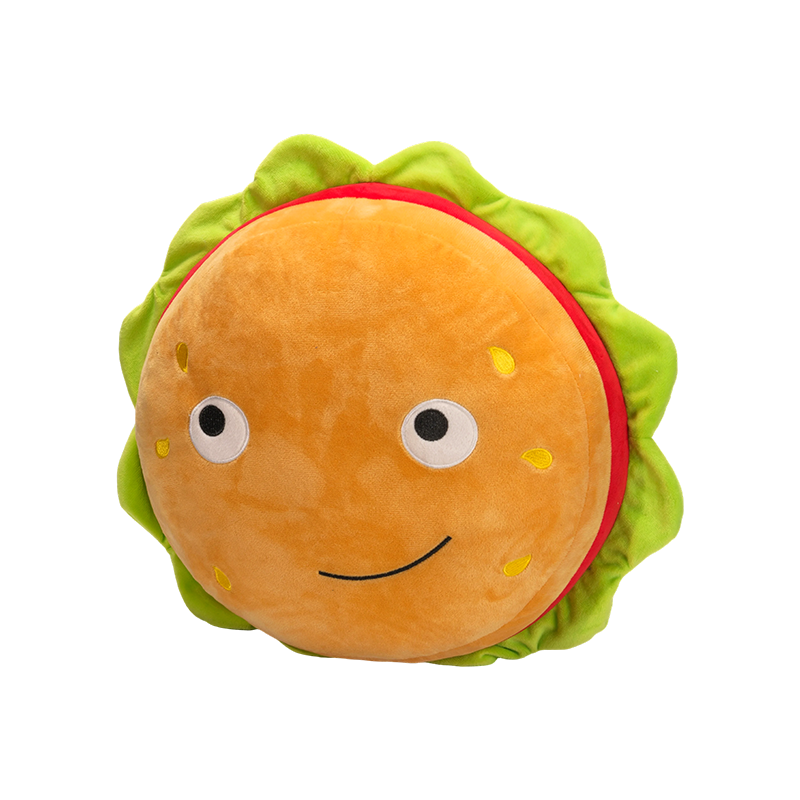
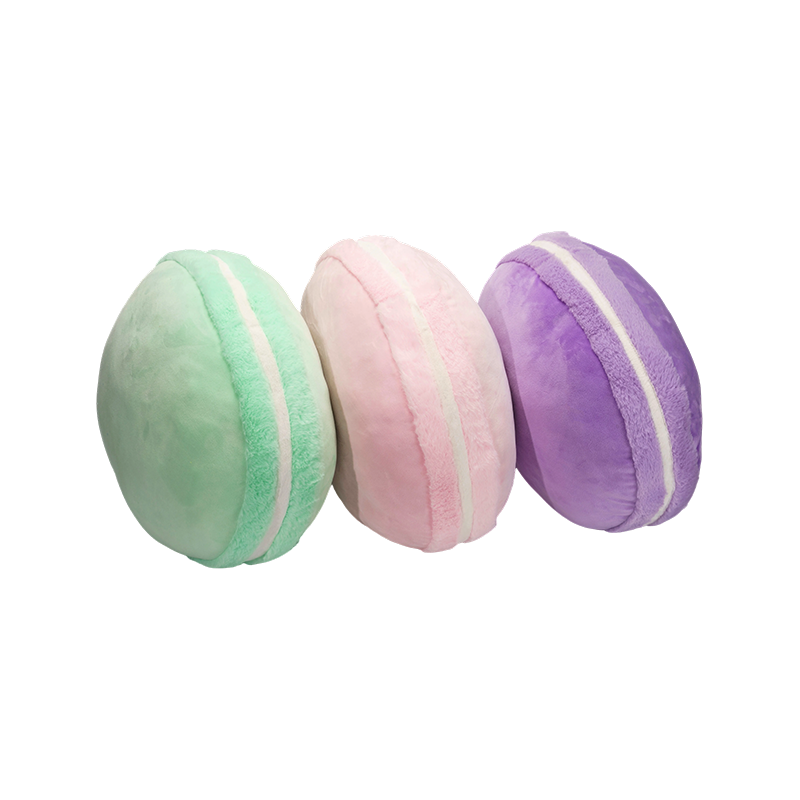
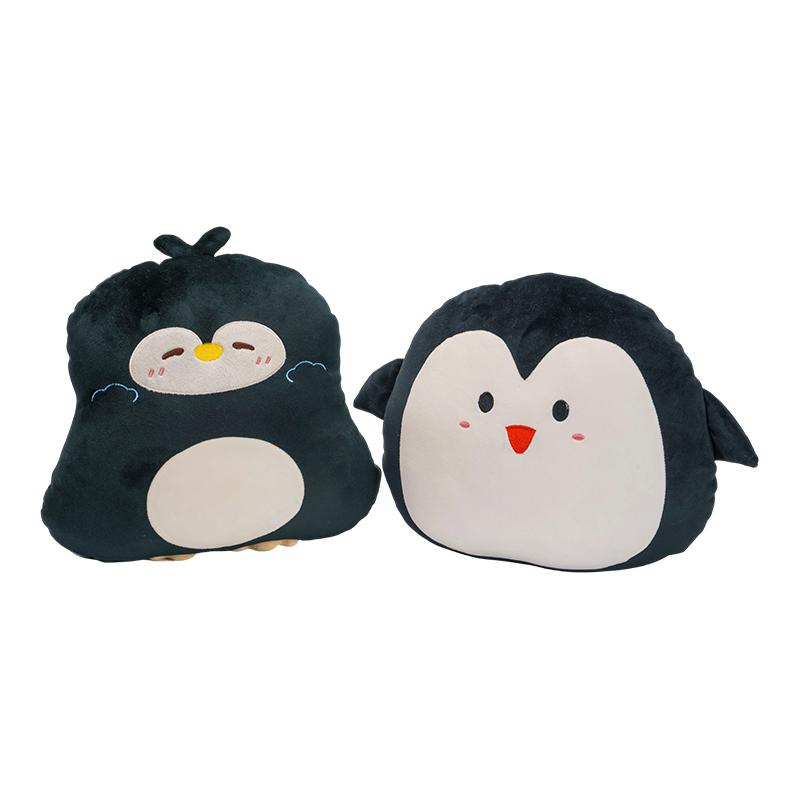
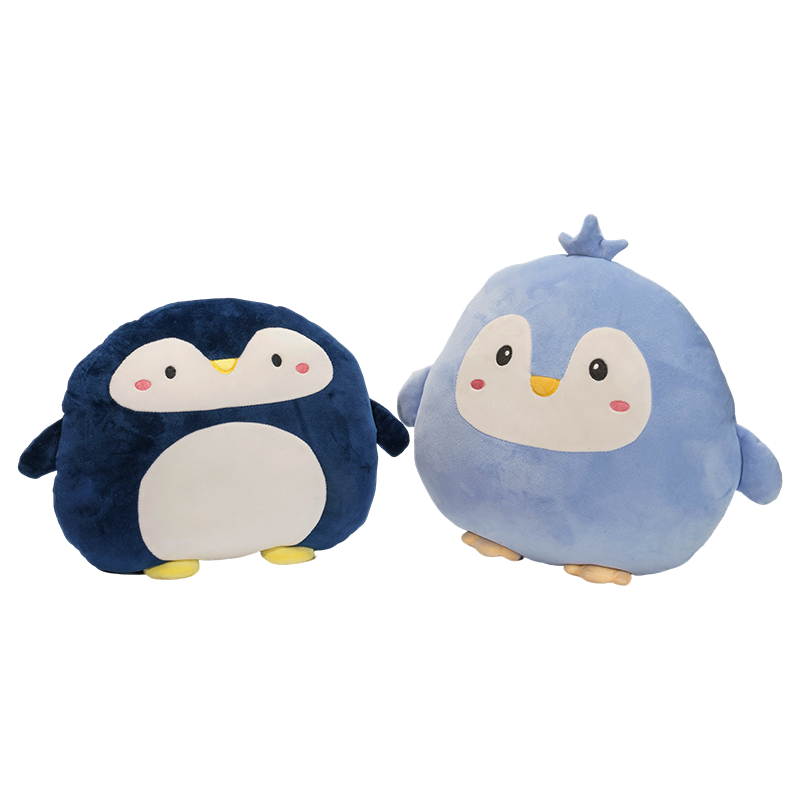
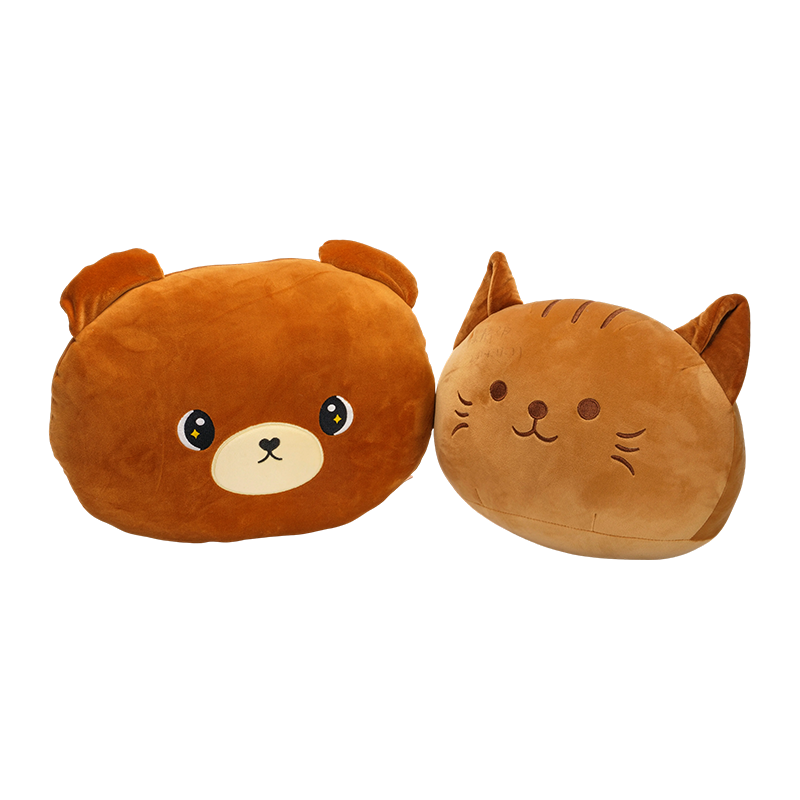
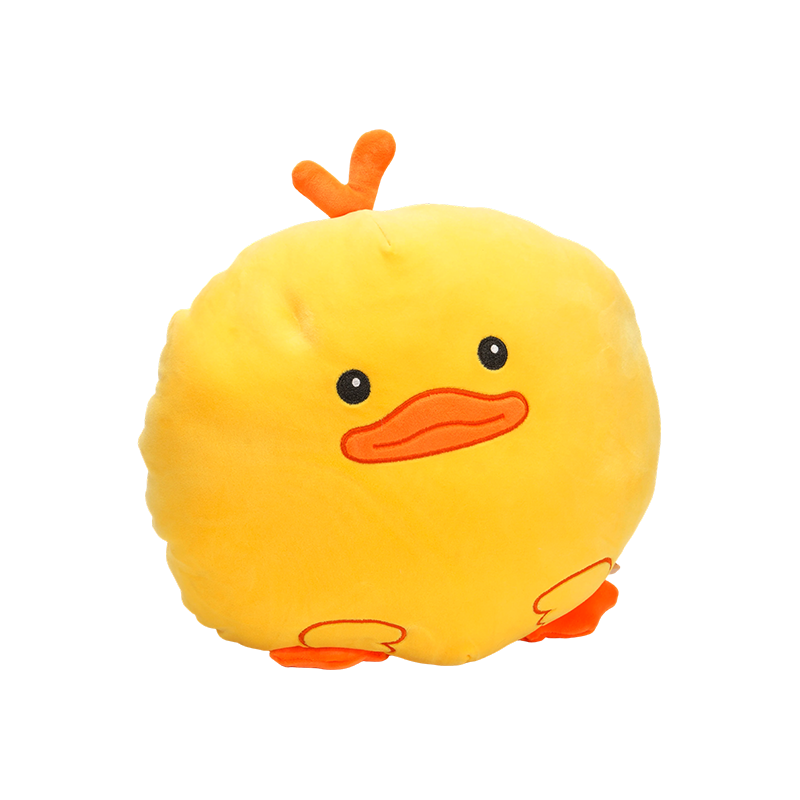
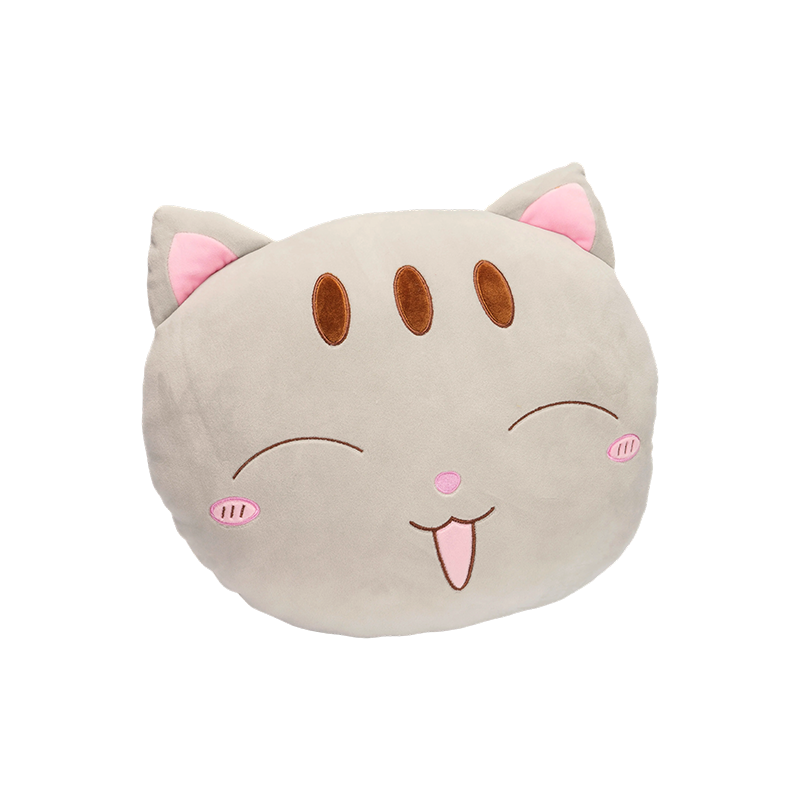
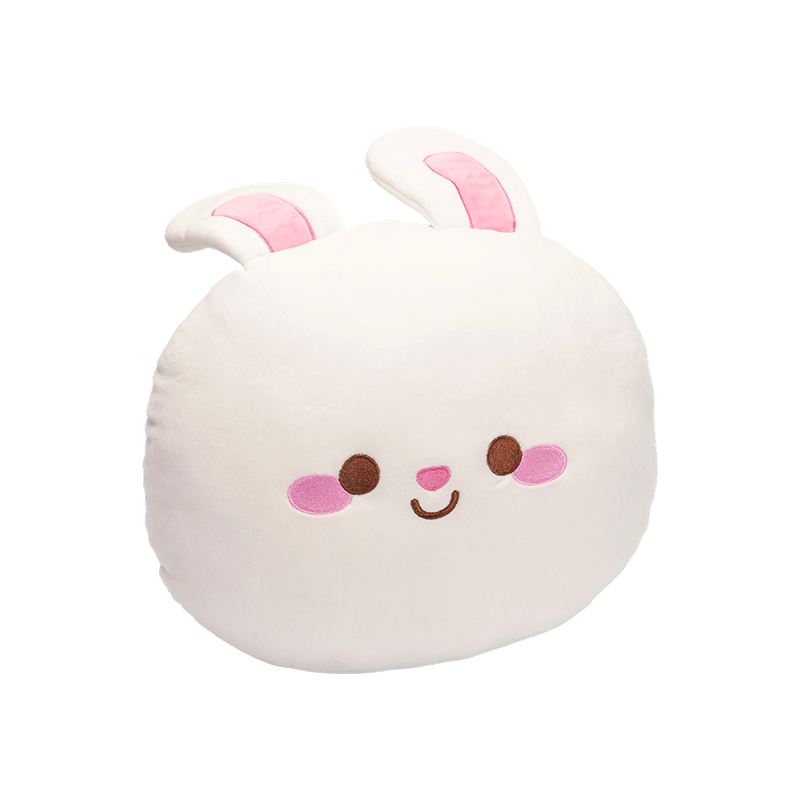
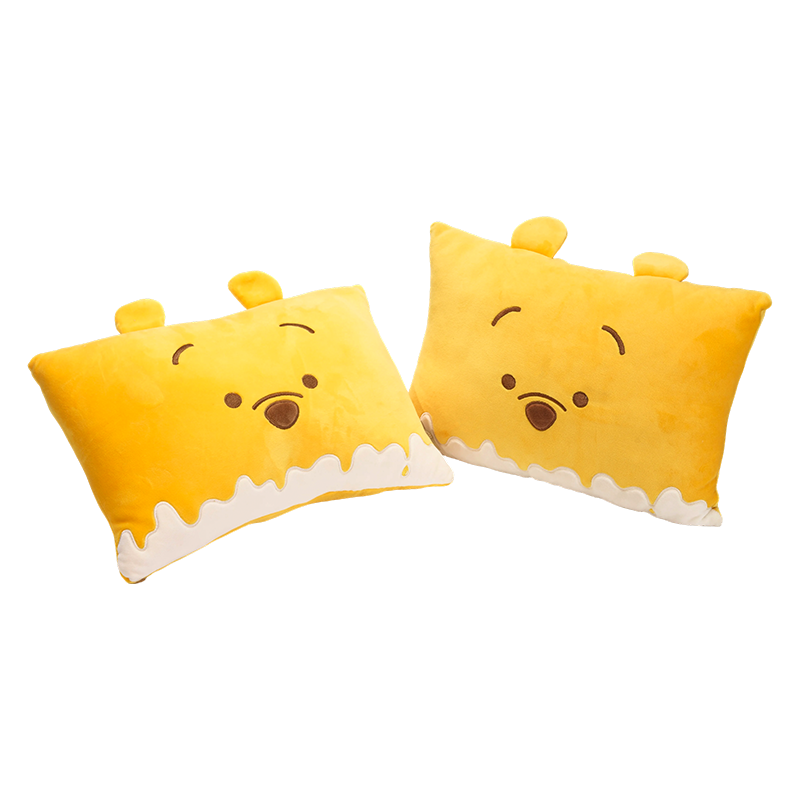
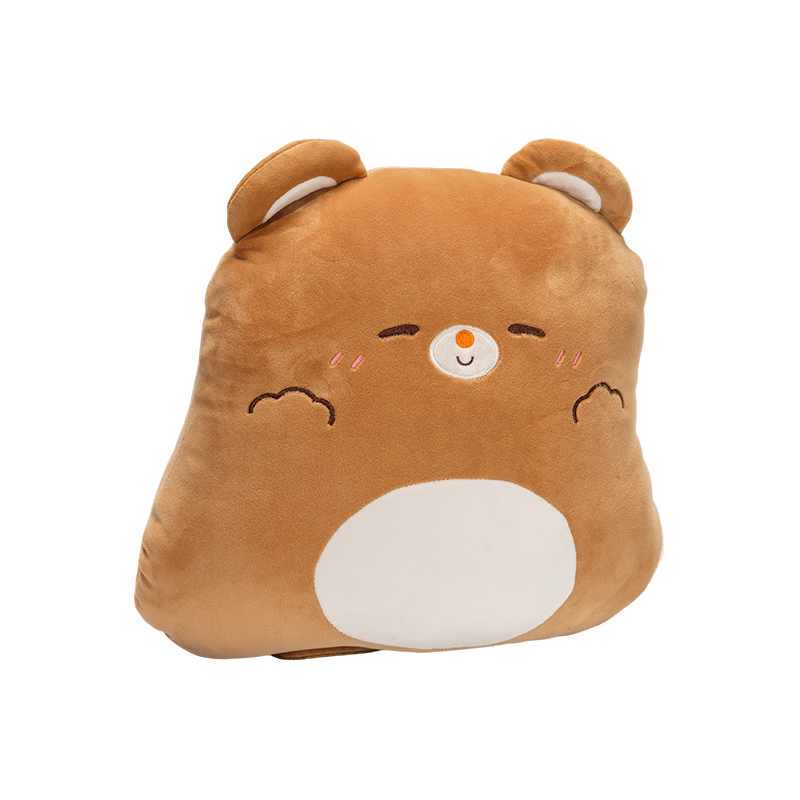
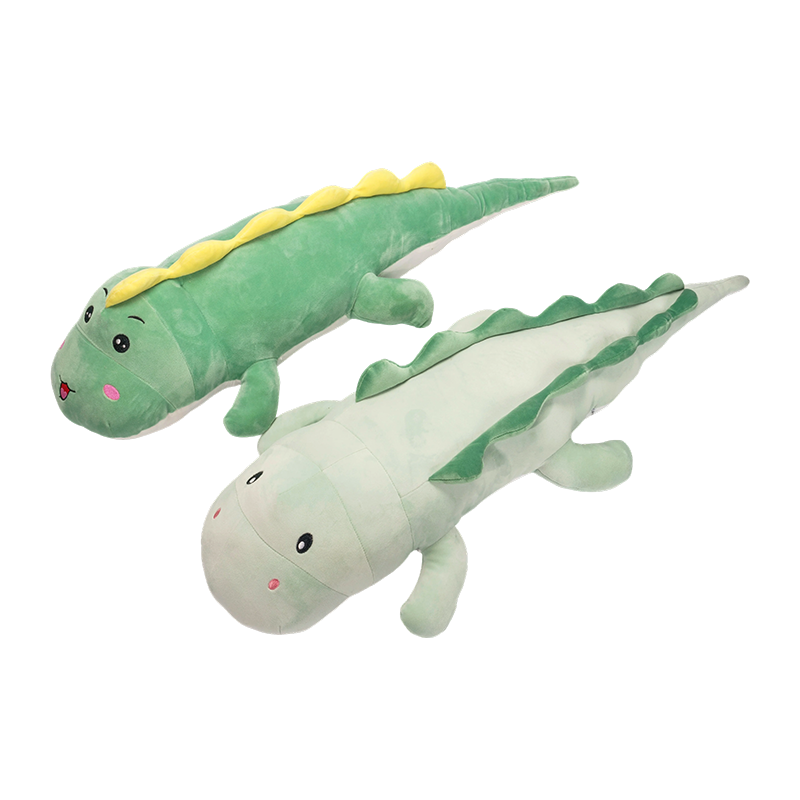
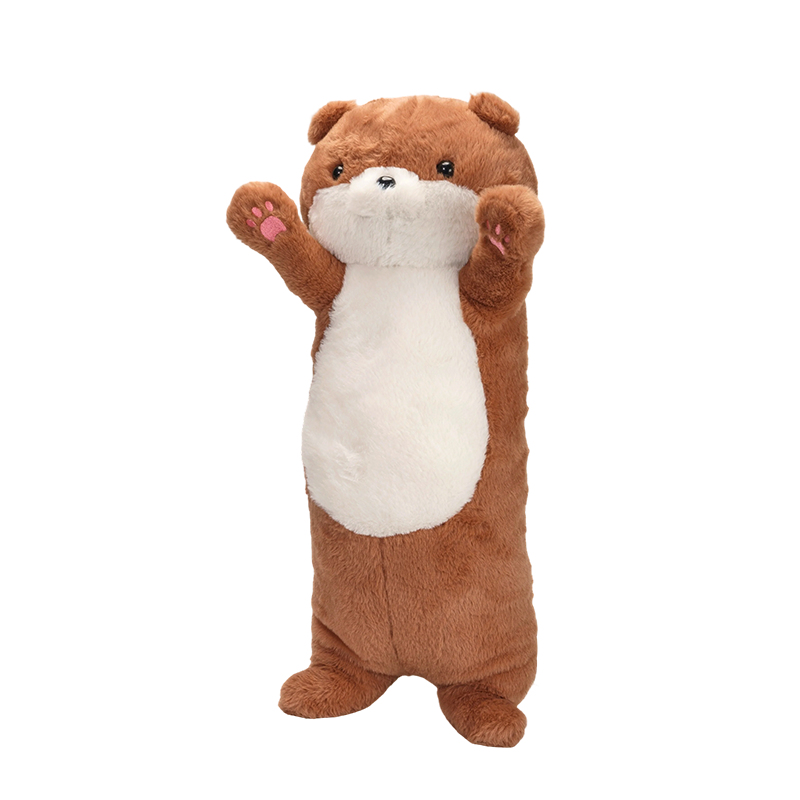
Plush Throw Pillows Wholesale

Home / Products / Home & Lifestyle Plush / Plush Throw Pillows
Trendy plush toys Tianchang Bestjoy Craft & Gift Co., Ltd.
Tianchang Bestjoy Craft & Gift Co., Ltd. is China Plush Pillows Manufacturers and Wholesale Plush Throw Pillows Factory encompassing R&D, design, production, and sales. Established in 2013 as a joint venture between Hong Kong Jintong International Co., Ltd. and Tianyuan Enterprise Investment Management Co., Ltd., our company is located in the scenic Jinji Town, Tianchang City, Anhui Province. Our factory covers an area of ​​over 10,000 square meters, with annual sales exceeding 12 million RMB. Our products are mainly sold to Europe, America, Australia, Japan, and South Korea, with major clients including Walmart, Target, Albertsons, and Kmart.
Our main products include trendy plush toys, children's plush toys, pet plush toys, plush promotional gifts, plush home furnishings, plush stationery gifts, plush handicrafts, and plush cartoon decorations.
We boast an innovative R&D and design team, professional production equipment, an excellent sales team, and a comprehensive after-sales service team. We offer in-stock services and welcome customers from all over the world to cooperate with us.
Tianchang Bestjoy Craft & Gift Co., Ltd.
Watch Video
Trendy plush toys High Standard
Factory
Explore More
Factory
  • BestJoy

    BestJoy

  • BestJoy

    BestJoy

  • BestJoy

    BestJoy

  • Workshop

    Workshop

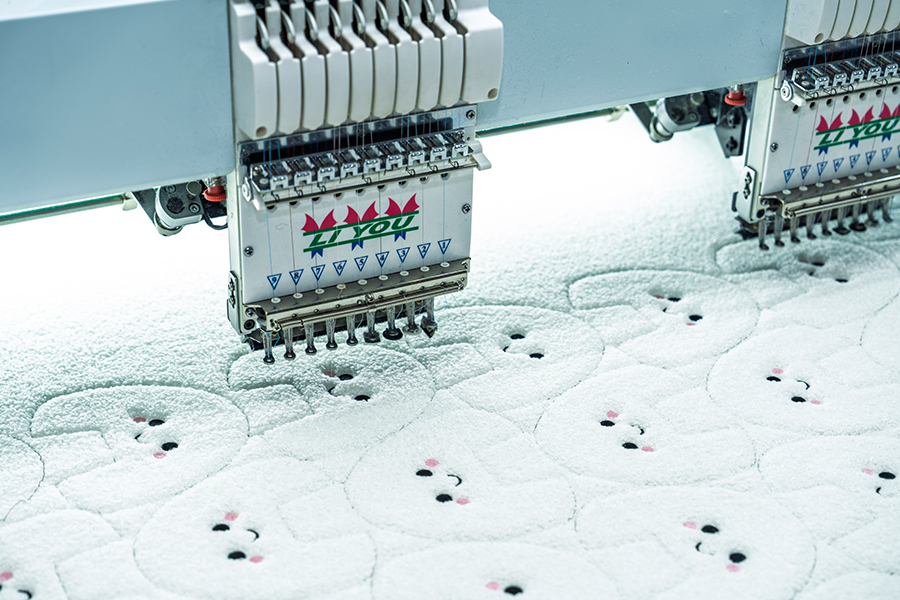
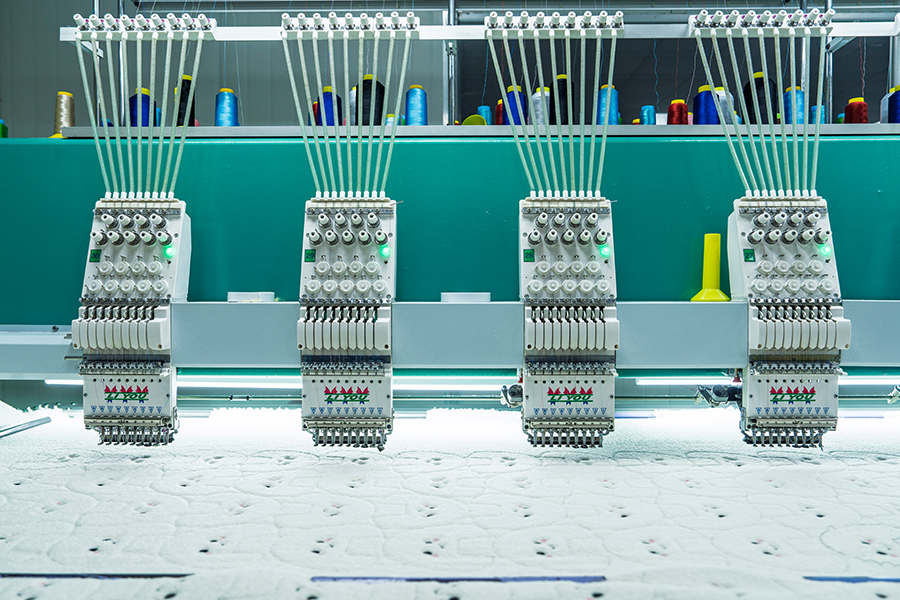
  • Embroidery

    Embroidery

  • Embroidery

    Embroidery

Trendy plush toys Follow
Our Updates

Follow news and information to stay informed about industry trends

    {php}$limitNum = 5;$limitNum2 = 160; if($cat_detail['parent_alias']==''){ $limitNum = 6; $limitNum2 = 100; }else if($cat_detail['parent_alias']=='product'){ $limitNum = 4; $limitNum2 =220; }else{ $limitNum = 3; $limitNum2 =320; }{/php
  • 2026-05-28
    Weighted anxiety animals — plush stuffed animals filled with weighted beads, pellets, or glass microbeads designed to deliver gentle, distributed pressure — have become one of the most quietly impactful tools in anxiety management for children and adults alike. Drawing on the same deep pressure stimulation principles as weighted blankets, these soft companions combine the therapeutic properties of weight therapy with the emotional comfort of a huggable, familiar form. This guide examines the science behind them, who benefits most, the full range of animal types and designs available, and what to look for when choosing one. The therapeutic rationale behind weighted anxiety animals rests on a well-documented neurological response to sustained, distributed pressure on the body known as deep pressure stimulation (DPS). When gentle, even weight is applied to the skin and underlying tissues — through a weighted blanket, a compression garment, or a weighted stuffed animal held against the body — the autonomic nervous system shifts from a state of sympathetic activation (the stress response) toward parasympathetic dominance (the rest-and-digest state). This shift is mediated in part by the release of serotonin and dopamine — neurotransmitters associated with mood regulation and calm — and by a reduction in cortisol, the primary stress hormone. Occupational therapists have used deep pressure techniques formally since the 1980s, building on the foundational work of Temple Grandin, who observed the calming effects of firm, distributed pressure in her own experience with autism and subsequently in clinical settings. What the research indicates Multiple peer-reviewed studies have investigated deep pressure stimulation as an intervention for anxiety, autism spectrum conditions, sensory processing disorder, ADHD, and PTSD. A 2020 study published in the American Journal of Occupational Therapy found that deep pressure stimulation produced statistically significant reductions in anxiety measures across diverse populations. While weighted animals specifically have fewer dedicated clinical trials than weighted blankets, they employ the same mechanism of action and are increasingly included in occupational therapy protocols for children who respond better to a handheld, huggable form factor than to a full blanket. Why the Animal Form Matters The specific choice of a stuffed animal form — rather than a weighted pillow, lap pad, or blanket — is not incidental. Research in developmental psychology and clinical therapy consistently shows that huggable, anthropomorphised forms activate prosocial neurological responses associated with attachment and safety. Children and adults under stress instinctively reach for something soft and holdable. The weighted animal combines this instinctive comfort response with deliberate therapeutic pressure application, creating a tool that works on both emotional and physiological levels simultaneously. Who Benefits from Weighted Anxiety Animals Children with Anxiety Disorders Generalised anxiety, separation anxiety, and school-related anxiety are among the most common presentations in children aged 4–14. A weighted animal provides an age-appropriate, stigma-free comfort tool that can travel with the child to school, medical appointments, or new environments. Autism Spectrum Conditions Sensory-seeking behaviour and difficulty with self-regulation are hallmarks of many autistic experiences. Weighted animals provide the proprioceptive input that many autistic individuals find genuinely regulating, in a socially acceptable, portable form that also supports communication through play and storytelling.ADHD and Attention Difficulties Deep pressure stimulation has been shown to reduce hyperactivity and increase on-task behaviour in children with ADHD. A weighted lap animal during desk work, reading, or screen time provides gentle proprioceptive input that supports sustained attention. Sleep Anxiety and Bedtime Fears Bedtime is a peak anxiety window for many children and some adults. A weighted stuffed animal placed on the chest or held against the body during sleep onset mimics the deep pressure of a weighted blanket in a form that feels safe, familiar, and child-directed rather than imposed. Medical and Hospital Settings Procedural anxiety — fear of needles, scans, examinations — is a significant barrier to paediatric healthcare. Weighted anxiety animals are used by child life specialists in hospital settings to reduce pre-procedural anxiety and support children during and after medical interventions. Adults and Older Users Adults managing anxiety disorders, PTSD, chronic stress, or sensory processing differences increasingly use weighted animals — particularly as desk companions, travel accessories, or bedside comfort objects — without the stigma that once surrounded such products for grown users. Types of Weighted Anxiety Animals The market for weighted anxiety animals has expanded dramatically, offering a wide spectrum of animal types, sizes, weight ranges, and feature sets. Understanding the main categories helps narrow the selection to what will genuinely work for a specific person and context. Weighted Stuffed Bears The most widely available and universally accepted type Weighted bears are the flagship of the category — the bear is the most culturally universal comfort animal form, embraced across ages and demographics without the age-specific associations of some other stuffed animals. They are available in weight ranges from 0.5 kg (suitable for toddlers) to 2.5 kg or more for adults, in sizes from palm-sized pocket companions to large lap bears intended to rest across the thighs during seated activity. High-quality weighted bears typically distribute weight across both the body and the limbs, so the weight is felt when held in any position rather than pooling in the torso alone. Ages 3+ Most versatile Widest size range Weighted Cats and Dogs Pet-form companions for animal-loving children and adults Weighted cats and dogs are particularly popular with children who have or want a real pet, and with adults who live alone or in environments where a live animal is not possible. Several premium weighted cat products are designed with realistic proportions and weight distributions that mimic the sensation of holding an actual cat on the lap — a deliberate design choice backed by research showing that animal contact, even simulated, can reduce cortisol levels and support mood. Weighted dogs, similarly, tend toward larger, lap-weight designs (1.5–3 kg) that function effectively as both comfort objects and sensory tools during desk work or television watching. All ages Realistic weight feel Lap use Weighted Sloths The most popular newer entrant — uniquely adapted for weighted design Weighted sloths have emerged as arguably the most popular contemporary design in the anxiety animal category, and their rise is not accidental. The sloth's elongated limbs are ideally suited to weighted distribution — they drape naturally over shoulders, wrap around necks, and hang across arms in ways that provide deep pressure stimulation to a wider body surface area than a bear or cat form allows. The "hang around the neck" wearing position delivers shoulder and chest pressure that many users find particularly effective for stress relief. Sloths also carry a cultural resonance of slowness, calm, and unhurried presence that aligns well with the anxiety management context. They are among the most widely gifted anxiety animals for adults. Wearable design Shoulder pressure Popular for adults Weighted Penguins, Owls, and Other Compact Forms Ergonomically suited for lap use and desk-based work Compact, upright animal forms — penguins, owls, hedgehogs, and similar designs with a naturally wide base — are optimised for lap and desk use rather than holding or wearing. Their flat base allows them to be positioned on a lap during reading, homework, or therapeutic sessions and remain stable without the user needing to actively hold them. Weighted penguins in particular have become a staple recommendation by occupational therapists for children who need proprioceptive lap input during seated school tasks but whose sensory needs are not severe enough to warrant a weighted vest or full lap pad. Lap positioning OT recommended School friendly Weighted Animals with Heat and Aromatherapy Multi-sensory designs combining weight, warmth, and scent A growing category of weighted anxiety animals integrates microwaveable heat packs — typically filled with a combination of weighted material and natural grain such as flaxseed, wheat, or lavender — allowing the animal to be warmed before use. Warmth is itself an evidence-based anxiolytic: thermoreceptors in the skin activate the same serotonergic pathways as deep pressure, and the combination of weight, warmth, and the calming scent of dried lavender creates a genuinely multi-sensory therapeutic experience. These products are particularly valued in bedtime routines, hospital use, and for adults using the animal to support sleep transition. Heat therapy Aromatherapy Sleep support Weighted Anxiety Animal Types at a Glance Animal Type Typical Weight Best Use Position Best Age Range Key Benefit Bear 0.5 – 2.5 kg Hold / hug All ages Universal comfort form, widest choice Cat / Dog 1.0 – 3.0 kg Lap / hold School age – adult Realistic pet simulation, lap weight Sloth 0.8 – 1.5 kg Wear / drape / hold Older children – adult Shoulder and chest deep pressure Penguin / Owl 0.7 – 1.2 kg Lap (stable base) Young children – adult Hands-free lap proprioceptive input Heated / Aromatherapy 0.5 – 1.5 kg Hold / chest / lap All ages Multi-sensory: weight + warmth + scent Weight Guidelines: How Heavy Should It Be? One of the most common questions when selecting a weighted anxiety animal is how much it should weigh. Unlike weighted blankets — where the commonly cited guideline of approximately 10% of the user's body weight has reasonable research support — weighted animals are held, worn, or placed on the lap rather than draped over the entire body, so the calculation is different. For children aged 3 to 7, animals in the 0.5 to 1.0 kg range provide adequate deep pressure without being tiring to hold or carry. Children in this range should always be supervised to ensure the weight does not become a safety concern. For school-aged children (7–12), 1.0 to 1.5 kg offers meaningful therapeutic weight that can be held or positioned on the lap during activities. For adolescents and adults, 1.5 to 2.5 kg is the most frequently recommended range for handheld use; for lap placement during seated work, weights up to 3 kg or more may be appropriate. Occupational therapist guidance If a weighted anxiety animal is being selected as part of a therapeutic program for a child with autism, sensory processing disorder, or ADHD, it is strongly advisable to consult with a registered occupational therapist before purchase. An OT can assess the child's specific sensory profile and recommend the appropriate weight, form, and usage schedule — including whether a weighted animal, a lap pad, a weighted vest, or a combination approach is most appropriate for that individual. What to Look for When Buying a Weighted Anxiety Animal Check the filling material: Glass microbeads provide the smoothest weight distribution and the most even feel, as they flow naturally within the casing. Poly pellets are common and durable but create a slightly coarser texture. Weighted animals filled with natural grains (millet, flaxseed) are suitable for heated versions but may not distribute as evenly as beads in a handheld form. Assess the weight distribution design: The best weighted animals distribute weight throughout the body and limbs, not only in the torso. Lift the product and feel whether the arms and legs carry weight — a bear or cat whose weight pools only in the belly will feel unbalanced when held and deliver less effective deep pressure to the hands and arms. Evaluate the outer fabric: The tactile quality of the outer fabric is a genuine therapeutic consideration, particularly for sensory-sensitive users. Ultra-soft minky, plush, or faux fur fabrics are consistently preferred by occupational therapists for sensory-seeking populations. Avoid scratchy seams, raised tags, or fabrics that generate static. Confirm safety standards and age-appropriateness: Verify that the product carries appropriate safety certification for the intended user's age group (CE marking in Europe, ASTM F963 in the United States). Weighted toys for children under 36 months are subject to the strictest standards; most weighted animals are recommended for ages 3 and above. Check care and washability: Anxiety animals are used frequently and held close to the face and body — they need to be washable. Confirm whether the entire product is machine washable or whether it requires spot cleaning, hand washing, or removal of the weighted insert before laundering. Products with removable weighted inserts provide the most practical maintenance solution. Consider size relative to the user: A palm-sized weighted animal designed for pocket carry is a different product from a large lap sloth intended for home use. Clarify the primary use scenario — travel, school, home, hospital — and match the size accordingly. Many users benefit from owning a smaller portable version and a larger at-home version. Using Weighted Anxiety Animals Effectively A weighted anxiety animal is most effective when used proactively — before anxiety peaks — rather than reactively once a panic state is fully established. Building the object into predictable routines helps the nervous system associate its presence with calm, strengthening its regulatory effect through conditioning over time. Introduce during calm moments first: Allowing a child to explore and play with a weighted animal during a relaxed, low-demand time builds positive associations before the object is needed during a stressful event. Presenting it for the first time during a meltdown or acute anxiety episode is less effective. Build it into predictable routines: Consistent use during bedtime, homework time, car journeys, or other regular transition points trains the autonomic nervous system to associate the weight and the animal's presence with a shift toward calm. Consistency matters more than duration. Follow the child's or user's lead: Weighted animals should never be imposed on a reluctant child or adult. If the person pushes the object away or shows no interest, offering it without pressure at different times — and trying a different animal form or weight — is more effective than insisting on use. Combine with other sensory strategies when appropriate: Deep pressure from a weighted animal can be effectively combined with slow, controlled breathing, sensory fidget tools, or calming sensory environments. Occupational therapists often design "sensory diets" that incorporate multiple such tools in a personalised sequence. Use as a transition support: Medical appointments, school transitions, travel, and public events are high-value contexts for a portable weighted animal. The predictability of having a familiar, weighted comfort object in an unfamiliar environment provides a concrete anchor for anxiety management. Respect the "enough" signal: Deep pressure stimulation has a natural saturation point — after a period of effective use, many users will spontaneously set the animal aside. Recognising and respecting this signal is important; the goal is regulation, not prolonged dependence on any single tool.  Important safety note: Weighted anxiety animals should never be used unsupervised with infants or children under 3 years of age, or placed on or near the face during sleep. The weight that provides therapeutic benefit for older children and adults can pose a risk for very young children. Always follow manufacturer age guidelines and, when in doubt, consult a healthcare professional. Weighted Animals in Therapeutic and Clinical Contexts Weighted anxiety animals occupy a specific and growing role within formal therapeutic settings, not merely as consumer wellness products but as clinical-grade sensory tools recommended and supervised by healthcare professionals. Occupational Therapy Registered occupational therapists (OTs) have incorporated weighted animals into sensory integration therapy protocols for decades. Within a sensory diet framework — a personalised schedule of sensory activities designed to maintain optimal arousal and attention — a weighted animal typically serves as a readily accessible, portable source of proprioceptive input that the child or adult can access independently between formal OT sessions. Child Psychology and Play Therapy In child psychotherapy and play therapy settings, weighted stuffed animals are used both as comfort objects during emotionally difficult therapeutic work and as narrative tools — the animal becomes a vehicle through which children can externalise and discuss feelings that are difficult to express directly. The weight adds a physical dimension to the object's psychological significance. Paediatric Hospital and Palliative Care Child life specialists — the professionals responsible for supporting children's emotional wellbeing in hospital environments — are among the most consistent advocates for weighted anxiety animals in clinical settings. The animals provide comfort during pre-procedural anxiety, support children during painful procedures, and offer a tangible, controllable source of comfort in environments where children have very little agency over their circumstances. School and Educational Settings A growing number of special educational needs (SEN) classrooms and mainstream schools with inclusion support programmes maintain weighted anxiety animals as part of their sensory tool inventory. Students with anxiety, autism, or ADHD who are identified as benefiting from proprioceptive input may be permitted to use a weighted lap animal during class, a strategy that has been shown in several school-based studies to improve on-task behaviour and reduce disruptive anxiety responses. Making Your Own Weighted Anxiety Animal For families with sewing skills, or those seeking a cost-effective or personalised option, weighted anxiety animals can be made at home using an existing unstuffed plush toy or a sewn fabric animal form. The core principle involves replacing a portion of the standard polyester stuffing with poly pellets, glass microbeads, or a combination of both to reach the target weight. The key considerations for a DIY weighted animal are weight distribution (ensuring pellets are distributed into separate sewn chambers in the limbs and body rather than pooling in a single cavity), outer seam security (double-stitching all seams to prevent pellet escape), and washing safety (providing a secure inner pouch for the weighted fill that can be removed before laundering). Several sewing pattern designers specialise in weighted sensory toy patterns with these considerations built in, and these are a recommended starting point for first-time makers. Weighted anxiety animals sit at a compelling intersection of sensory science, emotional comfort design, and accessible mental health support. They work because the mechanisms behind them — deep pressure stimulation, the psychological comfort of huggable form, and the calming effect of tactile warmth and scent — are grounded in robust neurological and psychological research, not wellness marketing. Whether chosen for a child with autism navigating a sensory-overwhelming world, a young person managing school anxiety, an adult seeking a desk-based stress tool, or a patient facing a difficult medical procedure, the right weighted animal offers something deceptively simple: a tangible, always-available, physically grounding anchor that helps the nervous system remember what calm feels like. In a world of complex and often inaccessible mental health interventions, that is no small thing. This article draws on published research in occupational therapy, sensory integration theory, and developmental psychology, including studies from the American Journal of Occupational Therapy, the Sensory Processing Disorder Foundation, and clinical guidance from the Royal College of Occupational Therapists (RCOT). Individual therapeutic needs vary — consult a registered occupational therapist or clinical psychologist for personalised recommendations....
  • 2026-05-27
    From May 20 to 22, 2026, the 2026 China (Hangzhou) SME Factory Exhibition (Xingcheng Factory Exhibition) was successfully held at the Hangzhou Grand Convention and Exhibition Center. Our company — Tianchang Jiayue Craft Gifts Co., Ltd., a source factory specializing in the research, development, and production of plush toys, showcased a variety of original design products at the exhibition. With high-quality and highly creative products, the company attracted the attention of numerous domestic and international buyers, becoming a vivid example of the exhibition’s “source manufacturing” concept. Exhibition Highlights: Original Plush Products Became a Major Attraction At the booth in Hall 5, our company designed the display area around the theme of “Childlike Fun · Warmth · Creativity.” Purple carpets combined with white shelves neatly displayed dozens of products, including classic animal plush toys, animal-shaped cotton slippers, holiday parent-child dolls, trendy blind box plush toys, as well as plush home and lifestyle products such as pillows, cushions, mirrors, and eye masks. Among them, the “Cute Animal Slippers” designed for the children’s market, made with rabbit fur/crystal ultra-soft fabric to provide both warmth and comfort, and the “Holiday-Themed Parent-Child Dolls,” which combine Christmas and New Year elements to emphasize emotional connection, became popular photo spots at the exhibition. Many buyers stopped to experience the product textures and inquire about customization services and bulk purchase policies. Our products focus on “original design + eco-friendly materials + detailed craftsmanship.” For example, the animal plush slippers use rabbit fur fabric, offering a smooth touch and excellent warmth retention, while the soles are treated with anti-slip technology, making them suitable for both indoor and outdoor use by children. In addition, the blind box dolls incorporate currently popular “designer toy” elements, featuring compact and exquisite designs that are highly favored by young consumers. Source Factory Advantages: Direct Connection with Buyers to Reduce Costs and Improve Efficiency As a participating “source factory,” the core objective of our participation was to establish a direct channel between the production side and the procurement side. During the exhibition, we received more than 20 buyers from Europe, the United States, Japan, South Korea, Southeast Asia, and major domestic cities. Among them, five customers reached preliminary cooperation intentions involving bulk orders for Christmas dolls and children’s slippers. “By connecting directly with factories through the exhibition, we eliminated intermediaries, which not only reduced procurement costs but also enabled us to obtain customized services more efficiently,” said a buyer from Germany. Although the 2026 China (Hangzhou) SME Factory Exhibition has concluded, the opportunities it created for small and medium-sized manufacturing enterprises continue. As a source factory for plush toys, our company will continue to uphold the philosophy of “Innovation, Quality, and Service,” leveraging the “global procurement bridge” established by the exhibition to provide global customers with higher-quality and more creative plush toy products. In the future, we will continue increasing investment in research and development, launching more new products that meet market demands, supporting the efficient development of the real economy, and contributing to the transformation from “Made in China” to “Intelligently Created in China.”...
  • 2026-05-21
    Few animals have conquered the internet — and the toy aisle — quite as thoroughly as the capybara. Calm, round, endlessly photogenic, and seemingly beloved by every creature it encounters, the capybara has become a global cultural phenomenon. And nowhere is this more visible than in the explosive popularity of the capybara plushie. Ask anyone who owns a capybara plush toy why they bought it, and you'll get a surprisingly emotional answer. It's rarely just about the toy itself. It's about the animal's legendary chill, an internet meme that made them smile at exactly the right moment, or simply the irresistible softness of a round, doe-eyed stuffed capybara sitting on their desk. This article breaks down every layer of the capybara plushie phenomenon — from viral culture to psychology, design, and what's driving sales worldwide. 1 Most searched exotic animal plush on major retail platforms, 2023–2024 50kg+ Average weight of a real capybara — the world's largest rodent Capacity to inspire calm, joy, and deeply irrational plushie purchases 1 The Capybara Internet Moment That Changed Everything The capybara's cultural ascent didn't happen overnight — it was the result of years of viral content converging into a global obsession. Capybaras first began circulating widely online through footage of their extraordinary social nature: videos of capybaras sitting peacefully while birds, monkeys, crocodiles, and small cats climbed all over them without a flicker of irritation. This laid-back demeanor resonated deeply with internet audiences, particularly during the burnout-heavy years of the early 2020s. The capybara wasn't just cute — it was a philosophy. An entire meme ecosystem grew around the idea of "being a capybara" as a lifestyle ideal: unbothered, friendly to all, and spectacularly relaxed in any situation. 2019–2020: Early Viral Spread Zoo footage and South American wildlife clips of socially tolerant capybaras begin circulating on Reddit, Twitter, and early TikTok, earning millions of shares. 2021: The "Capybara Energy" Meme Era The concept of "capybara energy" — calm, undramatic, universally liked — becomes a shorthand for a desirable personality trait. Fan accounts multiply globally. 2022: Soundtrack Goes Global The "Capybara Song" (Capivara) goes viral on TikTok with hundreds of millions of plays, cementing the animal as a full cultural phenomenon with music, merchandise, and plushies. 2023–Present: Plushie Market Explosion Search volume for capybara plush toys surges dramatically on Etsy, Amazon, and AliExpress. Independent makers report capybara as their single best-selling design. "The capybara became a symbol for an entire generation exhausted by hustle culture — a gentle, round reminder that sometimes the most powerful thing you can do is just… sit there, unbothered, with a mandarin orange on your head." 2 The Psychology Behind Capybara Plushie Appeal The popularity of capybara plushies isn't accidental — it's deeply rooted in psychology. Several well-documented human behavioral tendencies converge to make the capybara an almost irresistible plush subject. Kindchenschema (Baby Schema) Capybaras have large eyes relative to their face, round heads, and a pudgy body — all features that trigger the "cute response" wired into human brains to feel protective and affectionate toward infants. Projected Calm The animal's perpetually serene expression transfers directly to plush form. Owning a capybara plushie functions as a physical reminder to relax — a kind of tactile anxiety anchor. Social Identity Signaling Displaying a capybara plushie is a cultural shorthand that communicates internet fluency, emotional intelligence, and a self-aware sense of humor — all socially valued signals. Novelty in Familiar Form Capybaras are unusual enough to feel fresh and interesting, yet shaped similarly enough to more familiar animals that they feel approachable and non-threatening. Meme Attachment When a plushie represents a meme or viral moment you personally experienced, it becomes emotionally loaded — a memory object, not just a toy. Cross-Cultural Appeal The capybara's popularity spans Japan, Brazil, South Korea, Europe, and North America simultaneously — rare for any single animal. Global trends amplify each other. 3 Who Is Actually Buying Capybara Plushies? One of the most striking aspects of the capybara plushie boom is the unusual breadth of its audience. Unlike most plush toy markets, which skew strongly toward children under 10, capybara plushies attract a genuinely diverse demographic. Gen Z & Millennials (18–35) The dominant buyer group. Purchase capybara plushies as desk companions, dorm décor, self-gifting, and irony-inflected expressions of affection. Heavily driven by meme culture and social media. Children (4–12) Drawn to the animal's wide-eyed softness and their parents' enthusiasm. Capybara plushies are increasingly popular requests on birthday wish lists thanks to parental TikTok exposure. Collectors & Enthusiasts Wildlife plush collectors seek out brand-specific, limited edition, or handmade capybara designs. Steiff, Jellycat, and artisan Etsy sellers cater to this group's higher quality expectations. Gift-Givers The distinctive, meme-loaded nature of the capybara makes it a reliably crowd-pleasing gift for practically anyone — a safe creative choice for the hard-to-buy-for person. Market Insight: Multiple independent plush makers have reported that capybara designs outsell their next best-selling animal by a factor of 3–5x. On platforms like Etsy, "capybara plush" consistently ranks in the top trending searches in the toy and stuffed animal category. 4 What Makes a Great Capybara Plush Toy? Not all capybara plushies are created equal. The popularity of the design has led to a wide quality spectrum on the market — from fast-fashion mass-produced versions to exquisitely crafted artisan pieces. Here's what distinguishes an exceptional capybara plush from a forgettable one. Face accuracy: The capybara's characteristic flat, rectangular snout and small, high-set eyes are the most recognizable features. A well-crafted plush nails this silhouette without distorting it into generic teddy bear territory. Fabric texture: Real capybaras have coarse, sparse fur. Great plushies translate this into a pleasingly textured surface — often a mix of short-pile velboa with longer accent fibers — rather than uniform plush fabric throughout. Body proportions: The boxy, barrel-shaped body with short legs is essential to authenticity. Plushies with elongated bodies or long limbs lose the distinctive capybara silhouette. Expression: The famously serene, half-lidded expression is the soul of the capybara's appeal. Embroidered or printed eyes that capture this calm, slightly philosophical gaze are far more effective than generic round button eyes. Stuffing density: A capybara plushie should feel satisfyingly substantial — dense enough to maintain its shape but soft enough for comfortable cuddling. Color palette: Browns ranging from warm tan to dark chocolate, with lighter undersides and optional detail stitching, are most authentic and most popular among buyers seeking realistic designs. 5 The Capybara Plushie Ecosystem: Styles & Varieties The explosion of interest has produced a rich, varied product ecosystem. Whether you're shopping for a toddler, an adult collector, or a themed gift, there's a capybara plushie style to match. Style Key Features Best For Realistic Wildlife Accurate anatomy, natural coloring, textured fabric Collectors, wildlife enthusiasts, ages 8+ Kawaii / Chibi Oversized head, pastel tones, enormous eyes Children, anime fans, Japanese aesthetic lovers Meme Edition Accessories (orange on head, guitar, flower crown) Internet culture fans, Gen Z, ironic gifting Giant / Jumbo 60–120 cm, floor plushie or body pillow format Statement decor, pillow alternative, premium gifts Weighted Glass bead or sand filling for therapeutic use Anxiety relief, sensory needs, mindfulness Handmade / Artisan Custom designs, personalization, limited editions Collectors, personalized gifts, design enthusiasts 6 Capybara Plushies as Emotional Support Objects Beyond play and decoration, a significant portion of capybara plushie sales is driven by genuine emotional need — a trend that aligns with broader cultural shifts in how people relate to soft toys across all age groups. The "Adult Plushie" Movement Research by psychologists has consistently found that tactile comfort objects — including plush toys — reduce stress hormones and provide genuine anxiety relief for adults. The cultural permission to own stuffed animals as an adult has grown substantially, particularly in the aftermath of pandemic-era isolation. The capybara specifically fits this role with unusual elegance. Its association with calmness and unbothered equanimity means that a capybara plushie functions almost as a physical affirmation — a 3D embodiment of the mental state its owner aspires to. Workplace and Study Companions A notable subset of capybara plushie buyers place their toys on desks, workstations, and study spaces. Social media is filled with "desk capybara" setups — images of the plushie positioned near a keyboard, textbook, or laptop. The capybara's vibe of serene productivity has made it an unofficial mascot of "calm focus." Mental Health Community Adoption Within online communities focused on mental health, anxiety management, and neurodivergent experience, the capybara plushie has organically become a widely recognized comfort symbol. Its soft form, iconic expression, and positive cultural associations make it an unusually effective sensory comfort object. "I bought my capybara plush during a particularly hard week, and I'm not even embarrassed about it. It sits on my desk and somehow makes me feel like everything is going to be fine. That's a lot to ask of a stuffed animal, but it delivers." — A sentiment shared thousands of times across Reddit, TikTok, and X 7 The Cultural & Global Dimensions of Capybara Plushie Popularity What makes the capybara plushie phenomenon genuinely remarkable from a cultural perspective is how simultaneously it exploded across very different markets and cultural contexts. Japan: Kawaii Meets Chill Japanese culture had its own long-standing love for capybaras before the global internet moment. Several Japanese zoos feature resident capybaras who famously enjoy hot spring baths (onsen) with citrus fruits — a tradition that went viral decades ago. Japanese kawaii aesthetic applied to capybara plushies produces some of the most sought-after designs globally. Brazil: National Animal Pride Brazil is home to the world's largest population of wild capybaras, and the animal carries significant cultural identity weight. Brazilian-made capybara plushies, particularly those featuring the vibrant colors associated with Brazilian culture, have found global audiences eager for authentic regional design. South Korea: Plushie Culture Leadership South Korea's mature plushie collector culture — driven partly by K-pop merchandise traditions and a sophisticated character goods market — embraced capybara plushies early and enthusiastically. Korean-designed capybara plushies are among the highest-rated for quality and aesthetic polish on global platforms. 8 Where to Buy the Best Capybara Plush Toys With the market now flooded with options ranging from premium to disappointingly poor quality, knowing where to shop makes a significant difference in satisfaction. Etsy: The best destination for artisan, handmade, and custom capybara plushies. Expect higher prices but exceptional quality, personalization options, and designs that mass market can't match. Jellycat stockists: Jellycat's "Adjustable Capybara" and related designs are premium, ultra-soft, and widely available through official stockists globally. Amazon / major retailers: Wide selection at all price points. Pay close attention to verified reviews and customer photos rather than product listing images. Japanese import shops: For kawaii-style capybara plushies with exceptional softness and design refinement, Japanese character goods importers (online or in major cities) offer unmatched variety. Wildlife conservation brands: WWF and similar organizations produce capybara plushies tied to conservation funding — meaningful purchases with ecological impact. Zoo gift shops: Zoos with resident capybaras often carry locally commissioned plushies that make distinctive souvenirs unavailable elsewhere. capybara stuffed animal capybara soft toy capybara meme plush kawaii capybara plush giant capybara plushie capybara gift idea best capybara plush capybara desk toy  The Capybara Plushie Isn't Just a Trend It's a cultural artifact — soft, round, and full of meaning. Whether you're buying for a child, gifting a friend, or treating yourself to a little capybara energy, there has never been a better time to find the perfect capybara plush toy. ...
  • 2026-05-14
    From woodland fairy tales to modern nursery shelves, the boar plush toy has carved out a unique niche in the world of stuffed animals — combining wild, earthy charm with the irresistible softness every child (and collector) craves. The boar plush toy is no ordinary stuffed animal. With its distinctive tusks, bristly texture, and stout silhouette, it brings a touch of the untamed forest into any home. Whether you're shopping for a toddler, searching for a unique gift, or building a plush collection themed around forest wildlife, a boar stuffed toy offers a refreshing alternative to the usual bears and bunnies that crowd toy store shelves. In recent years, demand for nature-inspired plush toys has surged globally. Parents and educators alike are gravitating toward animals that introduce children to the full spectrum of wildlife — including the fascinating wild boar, an animal steeped in mythology, symbolism, and ecological importance. This guide covers everything you need to know before buying or gifting a boar plush toy. What Is a Boar Plush Toy? A boar plush toy is a soft stuffed animal designed to resemble a wild boar (Sus scrofa) or a domestic pig's wilder relative. Unlike standard pig plushies, boar versions typically feature defining anatomical details: curved ivory tusks, a darker brown or grey coat, a more muscular build, and sometimes a rough-textured mane running along the spine. These plushies range from highly realistic wildlife replicas — favored by collectors and nature enthusiasts — to cartoon-styled, chibi-proportioned versions adored by young children. Some designs draw inspiration from specific boar breeds or cultural representations, such as the European wild boar, the Japanese inoshishi, or mythological boars from Celtic and Norse folklore. Realistic Wildlife Style Accurate anatomy, textured fur, and lifelike coloring. Ideal for collectors and wildlife enthusiasts aged 8+. Chibi / Kawaii Style Large heads, rounded bodies, and pastel tones. Perfect for toddlers and fans of Japanese cute culture. Storybook Character Style Based on book or game characters. Popular as licensed merchandise and themed gifts. Eco-Friendly Style Made from organic or recycled materials. Appeals to sustainability-conscious parents and buyers. Why Choose a Boar Plush Toy? In a toy market saturated with cats, dogs, and pandas, the boar stands out as a bold, character-rich choice. Here's why a boar stuffed animal earns its place on any shelf: Unique and memorable: Few children own a boar plush, making it a conversation-starting gift that stands apart from predictable options. Educational value: Encourages curiosity about wildlife biology, habitat, and ecology in an engaging, tactile way. Rich cultural symbolism: Boars appear in Celtic mythology, Japanese zodiac traditions, Greek legends, and Norse sagas — opening doors to storytelling and cultural education. Gender-neutral appeal: The robust, adventurous image of the wild boar appeals across all children regardless of gender. Collector's item potential: High-quality boar plushies, especially limited editions from known brands, hold collectible value over time. Storytelling companion: The boar's wild, forest-dwelling nature makes it a natural protagonist in imaginative play scenarios. "A boar plush toy isn't just a stuffed animal — it's a gateway to forest adventures, ancient myths, and a deep respect for wild creatures that so often go unnoticed in the animal toy world." Materials, Safety & Quality Standards The quality of a boar plush toy hinges on its materials — both the outer fabric and the internal stuffing. Premium plushies use materials that are soft to the touch, durable over years of play, and safe for children of all ages. Outer Fabric Options Ultra-soft minky, short-pile velboa, faux fur with textured bristle effect, or organic cotton knit for eco-conscious lines. Internal Filling PP cotton (standard), recycled polyester fill (eco), memory foam beads (weighted), or organic kapok fiber for natural options. Safety Certifications Look for EN71 (Europe), ASTM F963 (USA), and CE markings. These confirm non-toxic dyes and secure embroidery for eyes/tusks. Age Appropriateness Boar plushies without detachable parts are safe from birth+. Those with sewn tusks and button accents suit ages 3 and up. Buyer Tip: For young children under 3, always choose a boar plush toy with embroidered tusks and eyes rather than plastic or glued-on components. Embroidered features are both safer and more durable over intensive use. Size Guide: Finding the Right Boar Plush Boar stuffed animals come in a surprisingly wide range of sizes. Choosing the right size depends on the recipient's age, intended use, and where the plush will live. Mini (10–15 cm): Keychain or backpack clip size. Great for collectors, desk decor, or as a small gift companion. Small (20–30 cm): Ideal for toddlers — easy to grip, carry, and sleep with. Most popular size range for children's gifts. Medium (35–50 cm): The classic cuddly companion. Fits comfortably in a child's arms and makes an impressive display piece. Large (60–80 cm): Statement nursery decor or a premium gift. Some children use large plushies as pillow alternatives. Jumbo (90 cm+): Oversized floor plushies for playrooms or photo-worthy gifts. Often found in specialty wildlife toy brands. Top Uses for a Boar Plush Toy The versatility of a boar stuffed animal extends well beyond childhood play. Here are the most popular contexts in which these plushies shine:  Gift-Giving A boar plush toy makes an unexpected, thoughtful gift for birthdays, baby showers, or holidays. Its uniqueness guarantees it won't duplicate something the recipient already owns. For fans of games like Pokémon (Swinub, Grumpig), Animal Crossing, or fantasy RPGs featuring boar-type creatures, themed plushies carry extra sentimental weight.  Educational Play Nature-themed plush toys are widely used by educators and parents to foster early science literacy. A boar plushie can be the centerpiece of lessons about forest ecosystems, omnivorous diet, animal adaptations, or world geography — covering regions where wild boars roam from European forests to Asian jungles.  Home & Nursery Décor Boar plush toys — particularly those in earthy tones and realistic styling — complement woodland, Scandinavian, or nature-inspired interior aesthetics. Arranged on shelves alongside other forest animal plushies (foxes, deer, owls), they create a cohesive, design-forward display.  Collector's Display Collectors who focus on wildlife plushies or regional folklore toys often seek out boar-specific designs. Limited edition releases by brands like Steiff, Folkmanis, or Jellycat attract premium resale prices and dedicated fan communities.  Comfort & Emotional Support Weighted and oversized plush toys — including boar designs — are increasingly used in therapeutic contexts for children with anxiety, sensory processing differences, or autism spectrum conditions. The firm, substantial build of a boar plushie can provide comforting proprioceptive input. How to Care for Your Boar Plush Toy Proper maintenance keeps a boar plushie looking pristine and extending its lifespan for years of continued use. Surface cleaning: For light dust and minor stains, use a damp cloth with mild soap. Gently dab rather than rub to preserve the fabric texture. Machine washing: If the care label permits, place the plush inside a mesh laundry bag and wash on a gentle cold cycle. Avoid hot water, which can shrink or damage synthetic fibers. Drying: Air-dry flat or hang carefully. Avoid tumble dryers unless the label specifically allows it. High heat can deform stuffing and melt glued components. Restoring fluffiness: After washing, gently shake the toy and use a soft brush or clean toothbrush to restore the pile of faux fur or textured bristle areas. Storage: Store in a breathable cotton bag away from direct sunlight to prevent color fading. Avoid plastic bags, which trap moisture and can cause mildew. Notable Brands Offering Boar Plush Toys Several toy manufacturers have earned a strong reputation for wildlife plush quality, and many include boar or wild pig designs in their lineups: Steiff German heritage brand known for heirloom-quality, hyper-realistic wildlife plushies. Their boar designs are collector classics. Jellycat British brand celebrated for ultra-soft, whimsical designs. Their pig and boar-inspired characters have dedicated fandoms worldwide. Folkmanis Puppet-plush hybrids with exceptional detail. Their wild boar puppet is a favorite in educational and theatrical settings. WWF & Wildlife Brands Conservation-linked plush lines where purchases support habitat protection programs. Meaningful for eco-conscious buyers. What to Look for When Buying a Boar Plush Toy With so many options on the market, narrowing down your choice requires attention to a few key criteria: Intended recipient's age: Confirm safety certifications match the age group. Avoid removable tusks or hard plastic eyes for young children. Aesthetic style: Match the design style — realistic, kawaii, or character-based — to the recipient's taste and existing collection. Material quality: Read product descriptions carefully for fabric composition. Ultra-soft minky or velboa outperform cheaper polyester in durability and feel. Brand reputation: Purchase from established brands or verified sellers with clear return policies and positive reviews focused on stitching quality and stuffing density. Sustainability: Check whether the brand uses recycled fill, organic fabrics, or supports wildlife conservation programs. Customization options: Some independent makers on Etsy or craft platforms offer personalized boar plushies with custom colors, accessories, or embroidered names. wild boar stuffed animal boar soft toy forest animal plush wildlife plush toy boar plushie gift realistic boar plush kawaii boar educational plush The Cultural Significance of the Boar One reason boar plush toys carry such narrative depth is the animal's extraordinary presence in world mythology and culture. Understanding this backstory enriches the gifting experience: Celtic & Norse Mythology The boar was a sacred animal in Celtic tradition, symbolizing courage, ferocity, and warrior spirit. In Norse mythology, the boar Gullinbursti — with bristles that glowed like gold — was the mount of the fertility god Freyr. A boar plushie for a mythology enthusiast carries centuries of symbolic weight. Japanese Zodiac (Inoshishi) In the Japanese zodiac, the boar (亥, i) is the twelfth and final sign, associated with sincerity, determination, and generosity. The year of the Boar recurs on a 12-year cycle, making boar-themed gifts especially meaningful for those born in that year. Kawaii boar plushies are popular New Year gifts in Japan. European Heraldry The boar features prominently in European heraldry as a symbol of bravery and stubbornness in battle. It appeared on the coats of arms of noble families across Scotland, Germany, and France — lending boar imagery a regal, historical dimension. Frequently Asked Questions Are boar plush toys suitable for newborns? Plush toys with no detachable parts and fully embroidered features are generally safe for newborns as supervised companions. Always check the product's age rating and ensure the toy meets relevant safety standards (EN71, ASTM F963) before placing it in a crib or pram. What's the difference between a boar plush toy and a pig plush toy? Wild boar plush toys are designed with features specific to the wild species: darker coloring (grey, brown, or black), prominent tusks, a bristled mane, and a more robust, muscular body shape. Pig plushies typically reflect the domesticated farm animal with a pink hue, rounded body, and curly tail. Some kawaii designs blur the distinction through stylized features. Can I find licensed boar plush toys from video games or anime? Yes. Several popular franchises feature boar-inspired characters with official merchandise. Pokémon (Swinub, Emboar), Zelda (Ganon's boar form), and various Japanese anime feature boar characters with licensed plush releases. These are typically available through official brand stores, specialty gaming retailers, or Japanese import shops. How do I verify the quality before purchasing online? Review customer photos (not just product images) in online listings, check for specific fabric and filling descriptions, read reviews that mention washing durability and stitching quality, and prioritize sellers offering clear return or exchange policies. Purchases from established toy brands with physical retail presence add an additional layer of quality assurance. Are eco-friendly boar plush toys available? Absolutely. A growing number of independent makers and mainstream brands now offer boar plushies made from GOTS-certified organic cotton, recycled PET bottle fill, or natural kapok fiber. Look for certifications and transparent supply chain information on the product page or brand's sustainability page. Ready to Find Your Perfect Boar Plush Toy? Whether you're gifting a little one, adding to a wildlife collection, or decorating a forest-themed nursery — a boar plush toy is a bold, meaningful choice that stands the test of time. ...
  • 2026-05-13
    Walk into any toy store and you will find soft dolls of every shape, size, and style — from yarn-haired cloth figures with embroidered smiles to velvety stuffed animals and licensed character plushies. Two terms that often come up in this space are rag doll and plush doll. While both are soft, huggable, and beloved by children and collectors alike, they are meaningfully different in origin, construction, materials, aesthetic, and purpose. Understanding these differences helps parents, gift-givers, and collectors make more informed choices — and deepens an appreciation for both forms as distinct traditions in the history of toys. Defining a Rag Doll A rag doll is, at its most fundamental, a doll made from scraps of fabric. Authoritative references define it as a cloth doll made from scraps of fabric — and the Oxford English Dictionary adds that it is usually handmade and crudely fashioned. The word "crudely" here is not a criticism but a descriptor of intentional simplicity: the charm of a rag doll lies precisely in its imperfect, handmade character. Seams may be visible, facial features are embroidered with thread or occasionally omitted entirely, and limbs are attached to the body in a basic, straightforward manner. The main body of a traditional rag doll is constructed from everyday textile scraps — old shirts, bed sheet remnants, coarse cotton, or whatever fabric happened to be available. The filling is typically cotton batting, wool, or additional fabric scraps, making the doll light, soft, and fluffy. Faces, when present, are usually sewn or embroidered rather than molded, painted, or printed. Clothing is often stitched directly onto the body rather than made as a separate, removable garment. What gives a rag doll its unmistakable character — the slight irregularity of a hand-stitched face, the patchwork mismatched fabrics, the soft formlessness of a stuffed cloth body — is precisely what comes from being handmade with care rather than engineered for precision. Psychological research has found that infants and young children feel more secure with imperfect but soft rag dolls because their tactile qualities evoke familiarity, and the visible traces of hand-craftsmanship convey a sense of warmth and personal care that mass-produced alternatives struggle to replicate. Defining a Plush Doll A plush doll is a soft stuffed figure made from plush fabric — a textile characterized by a dense, cut pile that creates a soft, fur-like surface texture. The word "plush" refers specifically to this fabric type, which is typically made from synthetic fibers such as polyester, though historically it was made from silk or mohair. The defining quality of a plush doll is its outer surface: that soft, velvety pile that gives the toy its characteristic feel and visual appeal. Plush dolls are almost universally factory-produced using precision die-cut fabric pieces, industrial sewing, and machine-inserted synthetic stuffing (typically polyester fiberfill). This manufacturing process allows for consistent, highly detailed results — smooth curves, symmetrical features, and a polished, uniform appearance that hand-production cannot replicate at scale. Faces on plush dolls are commonly made from embroidered features, printed designs, or molded plastic safety eyes, giving them a more sculpted, defined look than the minimalist embroidered faces typical of rag dolls. While rag dolls predominantly represent human figures, plush dolls more commonly take animal forms — bears, rabbits, cats, dogs, and fantastical creatures. This reflects both their origins and their strongest commercial territory. Plush toys also frequently represent characters from film, television, video games, and books, making licensed intellectual property one of the dominant forces in the modern plush toy market. A Tale of Two Histories The Ancient Origins of the Rag Doll Rag dolls are among the oldest children's toys in recorded history. The British Museum holds a Roman rag doll found in a child's grave, believed to date somewhere between the 1st and 5th century AD. The earliest known example was discovered in Egypt and dates to the 1st century AD, made from scraps of rags and papyrus. In ancient Rome, dolls were made from clay, wood, ivory, and rags — and have been found in children's graves dressed according to the fashions of the time. Throughout the centuries, rag dolls were made from whatever materials were available: fabric scraps, straw, corn husks, and old clothing. In America, from the colonial era up to the early twentieth century, children of various social classes played with dolls made from rags or corn husks. They were given to children as first toys, used as comfort objects, and served a practical educational purpose — children could learn to sew by making new clothing for their dolls from small fabric scraps. Mass production of rag dolls began around 1830, when fabric color printing was first developed, enabling the printing of doll faces and clothing patterns directly onto cloth. One of the most famous rag dolls in history is Raggedy Ann, who first appeared in 1918 as the main character of a series of children's stories by Johnny Gruelle. Her brother Raggedy Andy followed in 1920. These characters, with their yarn hair, button eyes, and embroidered smiles, became the defining cultural image of the rag doll in the twentieth century and remain in production today. The More Recent Emergence of the Plush Toy Plush toys are a much more recent invention. The earliest modern stuffed toys were made in 1880, and they differed from earlier rag dolls in that they were made of plush fur-like fabric and commonly portrayed animals rather than humans. The teddy bear — arguably the most iconic plush toy in history — first appeared in 1902 and 1903, inspired simultaneously by American president Theodore Roosevelt's famous refusal to shoot a bear cub and by German toy manufacturer Steiff's introduction of a stuffed bear at the Leipzig Toy Fair. The rise of synthetic fabrics in the mid-twentieth century transformed the plush toy industry. Polyester plush became the dominant material, offering consistent quality, easy maintenance, and a softness that natural materials struggled to match at industrial scale. With the advent of licensed character merchandise in the latter half of the twentieth century — and the explosion of film, television, and gaming franchises from the 1970s onward — the plush doll became one of the most commercially powerful toy categories in the world. Key Differences: Rag Doll vs. Plush Doll Materials and Construction This is the most fundamental difference between the two types. Rag dolls are typically made from plain woven fabrics — cotton muslin, calico, felt, velvet, or stockinette — using fabric scraps as both the outer shell and the stuffing. The fabric has little to no surface pile; it is flat, smooth, or loosely woven. The construction is simple by design: basic sewn seams, stuffed interiors, and features added with thread or paint. Plush dolls, by contrast, are defined by their outer fabric: the cut-pile plush textile that gives them their signature furry, velvety texture. The filling is typically polyester fiberfill — uniform, resilient, and machine-inserted. The manufacturing process involves die-cut fabric pieces assembled with precision, producing consistent shapes, dimensions, and surface appearances across thousands of identical units. Aesthetic and Visual Character Rag dolls have a deliberately rustic, nostalgic aesthetic. Their charm comes from visible imperfection — the slight irregularity of hand-stitched facial features, patchwork fabrics in mismatched patterns, yarn hair attached in loose bundles, and a general warmth that signals human hands were involved in their making. Even commercially produced rag dolls are designed to mimic this handmade quality, featuring simple features, soft cloth bodies, and patchwork-style clothing. Plush dolls project a very different visual language: smooth surfaces, consistent proportions, vivid and uniform colors, and carefully designed facial features that convey specific expressions. They tend toward a polished, finished appearance that reflects their industrial origins. When a plush doll represents a character — say, a beloved cartoon animal — the design is engineered to be immediately recognizable and consistent across every unit produced. Subject Matter: Human vs. Animal Rag dolls have historically represented human figures. Their traditional form is a cloth human being — however simplified — complete with a head, face, body, arms, and legs. This humanoid quality is central to how children relate to rag dolls as nurturing companions and imaginary friends. Plush dolls most commonly represent animals, mythical creatures, or anthropomorphized characters. While plush human-form dolls certainly exist, the plush format is most naturally suited to rounded, soft animal forms — the teddy bear being the archetype. When plush dolls represent characters from media, those characters are often themselves animals or fantastical beings, reinforcing this tendency. Production: Handmade vs. Mass-Produced Traditionally, rag dolls were handmade in the home. Families used old clothes, blankets, or fabric scraps to create one-of-a-kind toys for their children. Each doll was unique, reflecting the specific fabrics available and the individual skill of its maker. This handmade tradition persists today among craft makers, artists, and independent toy producers who continue to make rag dolls by hand as heirlooms, gifts, or collectibles. Plush dolls are fundamentally a product of industrial manufacturing. While artisan plush makers exist, the category is dominated by factory production, often at enormous scale. A popular licensed plush character may be produced in the millions, with every unit virtually identical. This mass production is what makes plush toys affordable and universally accessible — but it also means they lack the individuality that defines a truly handmade rag doll. Durability and Care Both rag dolls and plush dolls are generally machine washable, making them practical choices for children's toys. Rag dolls, especially those made from natural cotton fabrics, tend to soften and develop character with washing and handling — their slight imperfections becoming more pronounced and endearing over time. They are also highly repairable: a loose seam or torn limb can be easily re-stitched, and worn fabric patches can be replaced with new scraps, often in a way that adds to the doll's charm rather than detracting from it. Plush dolls can lose their surface texture with heavy washing and handling over time. The pile may flatten or pill, plastic safety eyes can become loose in older or lower-quality models, and the uniform perfection of a new plush toy gradually gives way to a more worn appearance. High-quality plush toys from reputable manufacturers are designed to withstand significant use, but they generally do not age as gracefully as a well-made rag doll. Cultural and Emotional Significance Rag dolls carry a deep cultural weight that plush toys, as a newer and more commercialized category, have not yet accumulated to the same degree. Traditional rag dolls from cultures around the world carry specific meanings and stories: the Motanka dolls of Ukraine and Poland, made by wrapping and tying fabric without needle or thread, are traditional amulets believed to bring good luck and protection. The faceless Amish dolls of America reflect religious values around humility and the avoidance of vanity. UNESCO has recognized traditional rag doll-making techniques from several regions as intangible cultural heritage, acknowledging their role in transmitting values, skills, and identity across generations. Plush dolls, while enormously emotionally significant to individual children — a beloved stuffed bear can be one of the most important objects in a child's life — tend to derive their cultural meaning from the characters they represent rather than from the form itself. The emotional attachment a child forms with a plush toy is real and powerful, but it is typically tied to the character, the franchise, or the specific relationship with that individual toy rather than to the plush format as a cultural tradition. Types of Rag Dolls Within the rag doll category, several distinct subtypes exist, each with its own history and character: Traditional handmade rag dolls — Made from household fabric scraps, stuffed with cotton or wool, with simple embroidered or painted faces. These are the oldest and most historically universal form. Raggedy Ann-style dolls — The commercial archetype of the American rag doll: yarn hair, button or embroidered eyes, a wide painted smile, and a soft cotton body with printed clothing. First appearing in 1918, this style remains one of the most recognizable rag doll designs in the world. Amish dolls — Traditional American rag dolls made by Old Order Amish communities, distinguished by having no facial features at all. This reflects Amish religious values discouraging vanity and graven images. Motanka dolls — Traditional Ukrainian, Polish, and Belarusian amulet dolls made by wrapping and tying fabric without the use of a needle or sharp objects. They often have no facial features, sometimes with a cross instead, and were made with specific intentions — guarding the family, bringing prosperity, or blessing a marriage. Mexican Marias — Colorful rag dolls linked to the Otomi people of Querétaro, Mexico, dressed in traditional clothing and sold at markets as both toys and cultural artifacts. Corn husk dolls — Traditional Native American dolls made from dried corn leaves, traditionally made without a face, adopted by early European settlers and considered a variant within the broader rag doll family. Types of Plush Dolls Classic stuffed animals — Bears, rabbits, cats, dogs, and other animals in plush form. The teddy bear is the foundational example of this category, dating to 1902. Licensed character plush — Plush versions of characters from films, television series, video games, and books. This is the dominant commercial force in the modern plush toy market, from cartoon animals to superhero figures to fantasy creatures. Plush human-form dolls — Soft-bodied dolls with plush outer fabric representing human characters, bridging the gap between the rag doll's humanoid tradition and the plush format's tactile qualities. Collector and artist plush — High-end plush toys designed for adult collectors, often limited-edition, made from premium mohair or specialty plush fabrics, and crafted with exceptional detail and artistry. Novelty and giant plush — Oversized or unusually shaped plush toys designed as décor, gifts, or novelty items rather than traditional play objects. Choosing Between a Rag Doll and a Plush Doll The right choice between a rag doll and a plush doll depends on several practical and personal considerations: For newborns and very young infants, rag dolls are often the safer and more recommended option. Their construction avoids small parts — there are no plastic safety eyes, no hard components, and no pieces that can detach and become choking hazards. Their soft, pliable bodies also make them ideal as comfort objects for babies who grip and mouth everything around them. For children who love animals or specific characters, a plush doll is almost certainly the more engaging choice. The ability to represent a beloved cartoon character, a specific animal species, or a favorite film protagonist with accuracy and tactile softness is where the plush format excels. For heirloom gifts, cultural gifts, or meaningful presents, a handmade or artisan rag doll carries a depth of meaning and personal character that a mass-produced plush toy cannot replicate. A rag doll made with care — from quality fabric, with embroidered features and thoughtfully designed clothing — becomes an object that can be cherished for a lifetime and passed down through generations. For sustainability-conscious parents, rag dolls offer significant advantages. They can be made from upcycled or organic natural fabrics, they are easily repaired rather than discarded, and they generate none of the microplastic shedding associated with synthetic plush fabrics. The growing interest in sustainable and eco-conscious toy choices has driven a meaningful resurgence in rag doll making, with small independent makers around the world reviving the craft with modern aesthetics and ethically sourced materials. For collectors, both categories offer rich territory. Vintage rag dolls — especially early Raggedy Ann editions, regional folk dolls, and handmade examples with documented provenance — are sought-after antiques. Collector plush, particularly vintage Steiff pieces and limited-edition artist plush, commands high prices in specialized markets. Where the Lines Blur: Modern Hybrid Dolls The contemporary toy market has produced a growing number of dolls that intentionally blur the boundary between rag doll and plush doll. These hybrid designs typically feature a plush outer fabric — giving them the soft, tactile appeal of a plush toy — but are styled with the simplified facial features, yarn hair, and patchwork-inspired aesthetics associated with rag dolls. They aim to combine the nostalgic, handmade warmth of the rag doll tradition with the visual consistency and tactile richness of modern plush materials. Similarly, many modern commercially produced rag dolls incorporate high-quality plush fabrics into their clothing or accessories, while some artisan plush makers hand-craft their toys in small batches in ways that deliberately echo the individuality of rag doll tradition. The categories are not rigid walls but points on a spectrum — and the most interesting toys often sit somewhere between them. In essence, the difference between a rag doll and a plush doll comes down to materials, history, aesthetic, and intent. A rag doll is defined by its use of plain woven fabric scraps, its handmade character, its human form, and its roots in a craft tradition stretching back thousands of years across cultures. A plush doll is defined by its cut-pile plush textile, its industrial manufacturing, its more frequent representation of animals and characters, and its origins in the late nineteenth century. Both types are soft, both are beloved, and both have earned their place as some of the most enduring objects in childhood. The rag doll speaks of resourcefulness, handcraft, and the warmth of something made by human hands with personal care. The plush doll speaks of imagination, character, and the tactile pleasure of an exceptionally soft, well-designed object. Understanding the difference between them does not require choosing sides — it simply adds depth to the experience of giving or receiving either one. ...
  • 2026-05-07
    In a world saturated with branded pens, tote bags, and USB drives, stuffed animal promotional items cut through the clutter in a way few giveaways can — because they're not just useful, they're loved. From trade show handouts to corporate gifting campaigns and charity fundraisers, stuffed animal promotional items have carved out a distinct and growing niche in the branded merchandise industry. Soft, tactile, and emotionally resonant, they deliver something that a logo-printed mug simply cannot: genuine affection. This guide covers everything procurement managers, marketing teams, and event organizers need to know to make the most of plush promotional products. $26B+ Global promotional products market size 83% of recipients remember the brand on a promo item they keep 6–12 mo average retention time for quality plush promotional gifts 3× higher emotional engagement vs. standard hard-goods promos Why Stuffed Animals Work as Promotional Items The promotional products industry has long understood that the best branded merchandise earns its place in someone's life — on their desk, in their car, on a shelf at home. Stuffed animals do exactly that. Unlike functional items that get used and forgotten, a quality branded plush toy creates a persistent emotional touchpoint between your audience and your brand. There are several concrete reasons why stuffed animal promotional items outperform many traditional alternatives: Emotional Connection Soft toys trigger warmth and positive association instinctively. That positive feeling transfers directly to the brand whose logo or mascot the plush represents. Sustained Brand Visibility A stuffed animal sitting on a desk or in a child's room delivers thousands of brand impressions over months or years — far outlasting a branded pen or lanyard. Social Shareability Plush promotional items are highly photogenic. Recipients share them on social media organically, extending your campaign's reach well beyond the original recipient. Wide Demographic Appeal While often associated with children, branded plush toys resonate with adults too — especially in healthcare, hospitality, pet care, and education sectors. Extensive Customization From custom mascot designs to embroidered logos, hang tags, and branded packaging — stuffed animals offer more personalization options than almost any other promo format. Perceived Value Recipients perceive quality plush items as high-value gifts, which elevates brand perception and increases the likelihood they'll be kept rather than discarded. Industries That Benefit Most from Plush Promotional Items Stuffed animal promotional items are not one-size-fits-all — certain industries have discovered they're particularly well suited to this format, and for good reason. Healthcare & Children's Hospitals Few sectors have adopted branded plush toys as enthusiastically as healthcare. Hospitals and pediatric clinics use stuffed animals to comfort young patients, reduce anxiety during procedures, and reinforce a caring brand identity. A branded teddy bear given to a child before surgery creates an overwhelmingly positive association between the medical provider and a moment of comfort — brand loyalty built in the most human way possible. Financial Services & Insurance Banks, credit unions, and insurance companies have long used animal mascots to humanize complex or anxiety-inducing services. A branded plush of a company's mascot — a bear, a lion, a friendly dog — translates that mascot into a tactile ambassador that clients keep and display, reinforcing trust with every glance. Education & Universities Schools, colleges, and e-learning platforms use branded stuffed animals extensively for recruitment fairs, alumni gifts, and student orientation packages. A university mascot plush is a collectible that graduates carry into their adult lives — a branded item with a genuine sentimental lifespan of decades. Non-Profits & Cause Marketing Animal welfare organizations, children's charities, and environmental non-profits find that plush animals are among the most effective donor acquisition and retention tools available. A branded bear or panda offered as a thank-you gift for a donation creates an immediate, tangible return on charitable giving — and keeps the cause top-of-mind in the donor's home. Retail & Consumer Brands Consumer-facing brands use stuffed animal promotional items as loyalty rewards, purchase incentives, and limited-edition collectibles. Fast food brands have long understood that a branded plush toy drives repeat purchase behavior across family demographics — an insight that applies equally well to subscription boxes, retail chains, and food and beverage companies. A stuffed animal doesn't just carry your logo — it carries your brand into the private emotional spaces of people's lives, where no advertisement can reach. Types of Stuffed Animal Promotional Items The category is broader than many buyers initially realize. Here's a breakdown of the main formats available within the stuffed animal promotional items space: Custom Mascot Plush The gold standard of promotional plush. A fully custom-designed stuffed animal built to replicate your brand's existing mascot character — every detail matched to your brand guidelines. These require longer lead times and higher minimum order quantities, but the result is a wholly unique, on-brand product that cannot be purchased anywhere else. Custom mascot plush items are ideal for flagship campaigns, major event launches, and premium gifting tiers. Stock Plush with Custom Branding Pre-designed animal shapes — bears, dogs, rabbits, elephants, and dozens of others — customized with your embroidered logo, branded ribbon, or custom t-shirt. This is the most accessible entry point for organizations with moderate budgets or tighter timelines. Quality stock plush with thoughtful branding can be just as impactful as a fully custom piece, particularly when the animal shape aligns naturally with your brand personality. Branded Plush Keychains & Mini Figures Smaller, lower-cost plush items — typically five to fifteen centimetres — that function as keychains, bag charms, or desk ornaments. These are ideal for mass-distribution events like trade shows, conferences, or retail point-of-sale promotions, where a high-volume, lower-unit-cost item is required. Despite their size, quality mini plush items with bold branding carry excellent recall value. Plush with Sound or Tech Integration Higher-end promotional plush can be fitted with sound modules (branded messages, jingles, or sounds associated with a campaign), QR code tags linking to digital content, or NFC chips enabling product registration and loyalty rewards. These add-ons significantly increase perceived value and create interactive brand experiences that traditional plush cannot. Eco-Friendly & Sustainable Plush A rapidly growing subcategory driven by corporate sustainability mandates. Stuffed animals made from recycled PET bottles (rPET), organic cotton stuffing, and OEKO-TEX certified materials allow brands to communicate environmental values through the promotional item itself. Packaging in recycled or FSC-certified materials completes the sustainability narrative. Customization Options: Making Your Plush Truly On-Brand The breadth of customization available for stuffed animal promotional items is one of the format's greatest strengths. Here's what you can typically specify when placing an order: Animal species, shape, and body proportions Fabric type, colour, and texture (minky, velboa, sherpa) Embroidered logo placement and size Custom eye designs and facial expression Branded accessories (t-shirt, bandana, vest, hat) Printed or embroidered clothing with campaign messaging Custom hang tags (logo, campaign URL, QR code) Branded poly-bag, gift box, or window display packaging Sound modules with custom audio clips NFC or RFID tag integration Scent infusion for the fabric Fill material type (standard, weighted, organic) Pro tip: The single most common mistake in plush promotional item briefs is underspecifying the hang tag. A well-designed custom hang tag — with your brand story, campaign URL, and a personal message — dramatically increases the perceived value and memorability of even a stock plush item. Treat it as a mini marketing document, not an afterthought. How to Brief a Supplier: A Step-by-Step Approach Getting the most from a stuffed animal promotional items supplier requires a thorough brief. Vague briefs produce generic results; detailed briefs produce memorable ones. Follow this process: Define your campaign objective. Is this for brand awareness, lead generation, employee recognition, customer retention, or event activation? The objective shapes every other decision. Identify your audience. Children or adults? Mass distribution or select VIP gifting? The audience determines appropriate size, complexity, and safety certification requirements. Set your total budget — not your unit price target. Total budget determines what's achievable. Share the full figure with your supplier; a good partner will optimize the design to hit the best possible quality within that envelope. Provide complete brand assets. Logo files in vector format, Pantone colour references, brand guidelines, and any existing mascot artwork. The more complete your assets, the more accurate the prototype will be. Specify quantity and delivery requirements. Minimum order quantities for custom plush typically start at 100–300 units; fully custom mascot plush may require 500+. Confirm your in-hands date and work backward from there — allow 8–14 weeks for fully custom items. Request a physical prototype before production approval. Always approve a physical sample — photographs do not accurately represent fabric texture, fill density, or embroidery quality. A prototype approval step protects your investment. Confirm compliance certifications. If the plush will be given to or near children, ensure EN71 (Europe) or ASTM F963 (USA) compliance. Ask for written confirmation and test reports. Comparing Stuffed Animal Promotional Item Formats Format Typical Unit Cost MOQ Lead Time Best Use Case Impact Level Stock plush + logo $4 – $12 50 – 100 3 – 5 weeks Trade shows, bulk giveaways Moderate Branded mini plush keychain $2 – $6 100 – 250 3 – 5 weeks Mass events, retail POS Moderate Stock plush with custom outfit $8 – $18 100 – 200 5 – 8 weeks Brand mascot alignment High Fully custom mascot plush $18 – $45 300 – 500 10 – 14 weeks Flagship campaigns, premium gifts Very High Eco-friendly sustainable plush $10 – $28 200 – 500 8 – 12 weeks CSR campaigns, B-Corp brands High Tech-integrated plush (sound/NFC) $20 – $55 200 – 500 10 – 16 weeks Interactive activations, VIP gifts Very High Safety & Compliance: What You Must Know Any stuffed animal promotional item distributed to or in the presence of children must meet mandatory safety standards. Overlooking compliance is not only a legal risk — it's a reputational one. Here is what responsible buyers need to verify: EN71 (European Union): The mandatory toy safety standard covering mechanical and physical properties, flammability, and chemical requirements. All plush toys sold or given away in the EU and UK must comply with EN71 Part 1, 2, and 3. ASTM F963 (United States): The American standard for toy safety, covering similar categories to EN71. Products distributed in the USA, particularly those marketed to or accessible by children under 12, must comply. CPSIA (Consumer Product Safety Improvement Act): US federal law requiring independent third-party testing and a Children's Product Certificate (CPC) for children's products. Import compliance is the importer's responsibility — not the overseas factory's. REACH Regulation: EU chemical safety rules restricting hazardous substances in consumer products, including plush toys. REACH-compliant materials must be confirmed in writing by your supplier. Beyond formal certification, apply basic safety judgment: embroidered facial features rather than glued-on plastic eyes for items intended for young children, no small detachable parts, and fill material that meets country-specific requirements for hypoallergenic or non-toxic stuffing. Important: Always request actual test reports — not just a supplier's verbal assurance of compliance. A legitimate factory will have current, third-party laboratory test certificates readily available. If a supplier hesitates or cannot produce these, treat it as a disqualifying red flag. Measuring ROI on Stuffed Animal Promotional Items Marketing teams are increasingly expected to quantify the return on promotional product spend. While plush toys present some measurement challenges compared to digital channels, several methodologies provide meaningful data: Recall surveys. Post-event or post-campaign surveys asking recipients whether they still have the item and whether they can recall the brand name provide direct evidence of retention and brand recall — the primary metrics for promotional merchandise. QR code tracking. Hang tags printed with unique QR codes allow you to track how many recipients scan the code and visit a landing page. This converts a physical item into a measurable digital touchpoint. Social listening. Monitor branded hashtags and perform image-search monitoring to quantify organic social sharing of your promotional plush. User-generated content featuring your branded stuffed animal is earned media with calculable value. NPS correlation. For customer gifting programs, compare Net Promoter Scores or customer satisfaction ratings between groups that received promotional plush and control groups that did not. A consistent positive correlation is a powerful internal business case for continued investment. Sustainability in Promotional Plush: The Growing Imperative Corporate procurement teams are under increasing pressure to align promotional merchandise with environmental and social governance (ESG) commitments. Stuffed animal promotional items are rising to meet this challenge, with a growing ecosystem of sustainable options: Recycled materials. Plush fabric and fill made from post-consumer recycled PET (rPET) — typically sourced from recycled plastic bottles — reduces reliance on virgin petrochemical materials and supports a credible circular-economy story. Many suppliers now offer rPET as a standard option, with minimal cost premium at volume. OEKO-TEX Standard 100 certification. This widely recognized standard certifies that every component of a textile product has been tested for harmful substances. It's particularly relevant for healthcare and children's promotional items, where chemical safety is paramount. Fair trade and ethical manufacturing. Audit-certified factories operating under fair labour standards — BSCI, SEDEX, or WRAP-certified production facilities — allow brands to extend their ethical sourcing commitments to promotional merchandise without sacrificing quality. Minimal and recyclable packaging. Sustainable promotional plush programs increasingly pair the product with packaging made from recycled board, printed with water-based inks, and designed to be recyclable or compostable after use. Frequently Asked Questions What is the minimum order quantity for custom stuffed animal promotional items? Minimum order quantities (MOQs) vary significantly by format. Stock plush with logo embroidery typically starts at 50–100 units. Fully custom mascot plush — with unique tooling and design — generally requires a minimum of 300–500 units to make the tooling cost economical. Some specialist suppliers offer lower MOQs for premium-priced custom pieces. Always confirm MOQs, including for packaging components, before finalizing your brief. How long does production take for promotional stuffed animals? Lead times depend on complexity. Stock plush with embroidery can ship in 3–5 weeks. Semi-custom pieces (stock plush with custom outfits or accessories) typically require 5–8 weeks. Fully custom mascot plush requires 10–14 weeks, including design approval, prototype production, revision, and bulk manufacturing. Always add 1–2 weeks as a buffer for shipping and customs clearance, particularly for international orders. Are stuffed animal promotional items appropriate for adult audiences? Absolutely. Adult audiences respond strongly to high-quality plush promotional items, particularly when the design is sophisticated, the branding is subtle, or the item carries sentimental significance. Corporate mascot plush, desk companion animals, and charity-tied branded bears all perform well with adult recipients. The key is calibrating design, size, and quality to an adult aesthetic rather than a child-directed one. What safety certifications should I require from my supplier? For Europe, require EN71 Part 1, 2, and 3 test reports from an accredited third-party laboratory. For the United States, require ASTM F963 compliance and a Children's Product Certificate (CPC) if items will be distributed to or near children. REACH compliance should be confirmed in writing for all EU distributions. Always request the actual laboratory test reports — not just a letter of compliance from the factory — and verify that the reports cover the specific product being produced for your order. Can I use a character I own as the basis for a promotional plush? Yes — and this is precisely what a fully custom mascot plush program is designed for. You'll need to provide detailed artwork, colour references in Pantone, and dimensional guidance where available. A skilled factory design team will translate 2D artwork into a three-dimensional plush prototype that captures the essential character traits of your mascot. Plan for two to three rounds of prototype revision to achieve accurate character fidelity. How do I handle international shipping for large promotional plush orders? Most stuffed animal promotional items are manufactured in Asia (primarily China, Vietnam, and Bangladesh) and shipped to destination markets. For large orders, sea freight is significantly more cost-effective than air freight, but adds 4–6 weeks of transit time. Budget for customs duties, import taxes, and freight forwarding fees — these are often not included in factory quotes. Working with an experienced freight forwarder who handles promotional merchandise regularly will simplify compliance documentation and avoid costly delays. Distributing Your Promotional Plush Effectively Even the best-designed stuffed animal promotional item underperforms if distribution is poorly planned. The context in which someone receives a branded plush shapes their emotional response to it — and therefore to your brand. At events: Position plush items as earned or conditional giveaways rather than freely distributed freebies. "Visit our booth for a full demo and take home a bear" creates higher perceived value than a pile of stuffed animals anyone can grab. Event staff handing items to recipients personally — with a brief brand story — substantially improves recall. For direct mail campaigns: A stuffed animal mailed in a branded box is a high-impact direct marketing piece. The three-dimensional surprise of opening a box and finding a quality plush cuts through the monotony of flat-mail campaigns. Pair it with a handwritten card or a personalized campaign message for maximum effect. As loyalty or milestone rewards: Branded plush items given to customers at specific loyalty milestones — anniversary of account opening, fifth purchase, referral completion — carry more emotional weight than discount vouchers, because they are tangible evidence that the brand values the relationship. In retail environments: Point-of-sale plush promotions (purchase over a threshold to receive a branded stuffed animal) drive transaction value increases and create family-friendly brand moments that shoppers remember and share. The Lasting Value of Soft Brand Ambassadors In the promotional products landscape, stuffed animal promotional items occupy a category of their own — not because they're universally applicable, but because when they're right, they're exceptionally right. They carry brand identity into homes, offices, hospital rooms, and school bags. They create emotional associations that no digital ad can replicate. And they persist, quietly representing your brand, for months and years after every other giveaway from the same event has been lost or discarded. The organizations that get the most from stuffed animal promotional items are the ones that approach them with the same strategic intent they bring to any other marketing investment — clear objectives, careful audience definition, deliberate design, and rigorous quality control. Do that, and you won't just have a branded stuffed animal; you'll have a soft, enduring ambassador for everything your brand stands for....
  • 2026-05-06
    As dawn broke through the workshop's dome, it illuminated rows of sewing machines. The metal parts reflected dappled light and shadow, fabric piled high like clouds, and cotton wadding danced lightly in the air. This is the plush toy production workshop of Jiayue Arts & Crafts Company, where over 200 workers, with the warmth of their fingertips and the precision of the machines, transform rolls of fabric into plush toys full of childlike fun and warmth. Intelligent production line: a perfect fusion of traditional craftsmanship and modern technology Stepping into the workshop, the first thing that catches the eye is the orderly and intelligent production scene. Automatic cutting machines precisely cut out panda ears and rabbit tails, and laser positioning technology ensures that the error of each piece of fabric does not exceed 0.1 millimeters; high-speed sewing machines shuttle at a speed of 800 stitches per minute, with stitches as fine as silkworms spinning silk; cotton filling machines roar, and fluffy PP cotton floats into the toys like snowflakes, giving them a soft soul. Quality Control: Needle Detectors as a Safety Barrier to Protect Children's Innocence In the heart of the quality control area, a silver-gray needle detector stands like a loyal guardian, its sophisticated electromagnetic induction system scanning every toy on the production line 30 times per second. This dual protection—the needle detector and manual re-inspection—works together to create an unbreakable safety barrier for children. Exquisite craftsmanship: Every stitch in the sewing workshop embodies warmth and soul. The lights in the sewing workshop are always exceptionally soft. Nearly a hundred electric sewing machines are neatly arranged, their needles rising and falling, creating a gentle industrial symphony. The sewing masters press down the front piece of the doll to be sewn with their left hands, while gently pushing the back piece with their right. The fabric glides rhythmically and slowly over the presser foot, and the fine stitches are faintly visible beneath the plush. They use tweezers to pick up the loose threads at the base of the fibers, and their fingers fly to complete the final stitch—here, every inch of fabric and every plush toy is given warmth and soul through the fusion of machine and hand. As the sun sets, the last batch of toys is packaged and ready to be shipped to countries around the world. In the workshop, a new batch of fabric is ready, and the clatter of sewing machines rings out again—this sound is the inheritance of craftsmanship, the protection of childlike innocence, and the resounding footsteps of "Made in China" moving towards "Intelligent Manufacturing in China"....
  • 2026-04-29
    There's a particular thrill in not knowing what you're about to unwrap — and that's precisely the magic that has turned the mystery plush box into one of the most sought-after collectible experiences of the decade. Whether you're a lifelong stuffed-animal enthusiast, a subscription-box devotee, or simply someone looking for a truly surprising gift, the mystery plush box sits at the intersection of play, collecting, and the irresistible suspense of the unknown. In this guide we break down everything you need to know: what these boxes are, what makes them worth buying, how to choose the right one, and how brands craft the experience that keeps collectors coming back month after month. What Is a Mystery Plush Box? A mystery plush box is a curated package — usually sold on a subscription basis or as a one-time purchase — that contains one or more soft plush toys whose exact identities are not revealed until the box is opened. The element of surprise is the product. You might know the theme (kawaii animals, horror characters, licensed anime), the approximate size, or even a general price tier, but the specific plushies inside remain secret until unboxing day. The format borrows from the broader "blind box" and "mystery bag" tradition, which has roots in Japanese capsule toys (gashapon) and the trading-card hobby. Over the past five years, it has exploded into a standalone market, with brands offering everything from budget-friendly grab-bags to premium limited-edition collector sets valued at over $150 per box. Did you know? The global plush toy market was valued at over $13 billion in 2023, and subscription-box models now account for a rapidly growing slice of that figure — driven largely by the viral "unboxing" phenomenon on social platforms like TikTok and YouTube. Why the Mystery Element Changes Everything Consumer psychology research consistently shows that anticipation can be as rewarding as the reward itself. The brain's dopamine system activates strongly in response to uncertain positive outcomes — which is exactly what a mystery plush box delivers. You know something soft and delightful is on its way; you simply don't know which one. This creates a multi-layered emotional experience that a standard toy purchase cannot replicate: Anticipation — the days between ordering and delivery. Suspense — the moment you cut the tape on the box. Surprise — the reveal of the plushie inside. Community — sharing the unboxing with others online or in person. Repeat motivation — wanting to "complete the set" or try your luck again. That last point is commercially significant. Many mystery plush box brands release themed waves or series with rarer variants hidden among common ones, borrowing the "chase figure" mechanic from the trading-card world. The possibility of pulling a limited-edition or holographic plushie turns each box into a small lottery ticket — one with a guaranteed soft prize regardless of outcome. "A mystery plush box isn't just a toy — it's a structured moment of joy, engineered from the outside in." Key Features to Look for in a Quality Mystery Plush Box Not all mystery plush boxes are created equal. Here's what separates a memorable unboxing experience from a disappointing one: Plush Quality Look for minky or ultra-soft materials, well-stitched seams, and embroidered (not printed) facial features. Quality plushies last for years; cheap ones pill and fade. Theme Coherence The best boxes curate around a consistent theme — whether kawaii, spooky, cottagecore, or licensed IP — so every plushie feels intentional, not random. Packaging Presentation Premium boxes invest in the unboxing ritual itself: tissue paper, custom wrapping, scented inserts, or a collector's card that enhances the reveal moment. Rarity Tiers A well-designed rarity system — common, rare, ultra-rare — gives collectors a reason to keep subscribing and adds genuine excitement to every unboxing. Community & Spoilers Active Discord servers, spoiler reveal schedules, and community swap groups extend the product's lifespan well beyond the unboxing itself. Swap or Guarantee Policy Reputable brands allow you to swap a duplicate or guarantee at least one character from your wishlist — a meaningful policy for serious collectors. Types of Mystery Plush Boxes Available Today Licensed IP Boxes These feature characters from well-known franchises — anime series, video game titles, or animated films. Because they're tied to existing intellectual property, the designs are immediately recognizable and tend to command higher price points. Examples include boxes themed around popular shōnen anime, retro gaming mascots, and global animated franchises. Original Character Boxes Independent brands and small studios create their own cast of characters and release mystery boxes within their proprietary universe. These are often produced in smaller runs, which increases perceived rarity and supports independent artists — a major selling point for a conscious-consumption generation of buyers. Seasonal & Limited-Edition Drops Many brands forgo the monthly subscription model in favor of limited seasonal drops — Halloween, Valentine's Day, or summer beach themes, for instance. These generate urgency through scarcity and give collectors natural "chapters" to complete their plush libraries. Blind Bag Mini Plush At the more accessible end of the market, blind bags contain smaller plushies (typically three to eight centimetres) at a lower price point. These are gateway products for younger collectors and impulse purchases at retail checkouts, and they carry many of the same psychological hooks as larger subscription boxes. How to Choose the Right Mystery Plush Box for You With so many options on the market, narrowing down which mystery plush box is right for you (or the person you're gifting) comes down to a handful of key questions: Define your theme preference. Do you love soft pastels and round kawaii shapes, or do you prefer spooky, gothic aesthetics? Knowing your aesthetic makes it easier to filter brands that specialize in it. Set a budget per box. Mystery plush boxes range from roughly $15 for mini blind bags to $80–$150 for premium curated subscription boxes. Be honest about what you're comfortable spending each month. Check the brand's track record. Search for unboxing videos on YouTube and TikTok. Real unboxings reveal actual plush quality, packaging care, and whether the brand lives up to its marketing photos. Read the spoiler policy. Some brands release partial spoilers ahead of shipment; others prefer total surprise. Know which experience you prefer before subscribing. Look for a duplicate protection policy. If you're a long-term subscriber, ask whether the brand tracks what you've already received and adjusts accordingly, or at minimum allows swaps. Verify shipping and customs details. Many top mystery plush box brands ship internationally, but customs duties can add significant cost. Factor this in, especially for EU buyers. Mystery Plush Boxes as Gifts: A Perfect Fit Few gifts land as well as a mystery plush box for the right recipient. The combination of surprise and softness makes it uniquely versatile — appropriate for children as young as three (with age-appropriate rarity designs and safe materials) and for adult collectors in their thirties and beyond. For gifting purposes, consider purchasing a one-time box rather than enrolling someone else in a subscription without their consent. Many brands offer gift boxes explicitly marketed for this occasion, often with elevated packaging and a personalized message card. Some also offer gift subscriptions that let the recipient manage their own preferences after the first box — a thoughtful way to give the experience without overcommitting on someone else's behalf. Gift tip: Pair a mystery plush box with a handwritten note about why you chose that particular theme for the recipient. The personal gesture transforms an already exciting unboxing into something genuinely memorable. The Collector's Perspective: Building a Plush Library For dedicated collectors, mystery plush boxes aren't impulse purchases — they're the building blocks of a curated display. If you're approaching it with a collector's mindset, a few strategies will serve you well: Track what you have. Maintain a spreadsheet or use a dedicated collector app to log every plushie you've received, including the series, wave, and rarity tier. This prevents duplicate frustration and helps you identify gaps in a set. Engage with the secondary market. Platforms like eBay, Mercari, and brand-specific Discord swap channels allow collectors to trade duplicates for wanted pieces. This is an essential part of completing sets when the "pull" system doesn't cooperate. Protect your collection. Plushies stored in direct sunlight or dusty environments degrade faster. UV-protective display cases or sealed shelving units preserve colour and fabric integrity, particularly for limited-edition pieces that hold monetary value. Follow brand announcements. The most sought-after mystery plush boxes often sell out within minutes of announcement. Following brands on social media and joining their newsletters puts you at the front of the queue. Comparing Popular Mystery Plush Box Formats at a Glance Format Typical Price Range Plush Size Best For Rarity System Blind Bag Mini Plush $8 – $20 3 – 8 cm Casual collectors, younger fans Basic (common / rare) Monthly Subscription Box $25 – $60 15 – 30 cm Regular collectors, gifting Tiered (common / rare / ultra-rare) Premium Curated Drop $60 – $150 20 – 50 cm Serious collectors, display pieces Chase figures, 1-in-X odds Licensed IP Subscription $35 – $80 15 – 35 cm Franchise fans, gift recipients Character variants, exclusives Seasonal Limited Drop $30 – $70 Varies Holiday gifting, themed collectors Limited edition = all "rare" Frequently Asked Questions Are mystery plush boxes worth the price compared to buying individual plushies? It depends on what you value. If the surprise and curated experience matter to you — and especially if the brand offers exclusives unavailable elsewhere — mystery plush boxes often deliver excellent perceived value. If you have very specific character preferences and hate the possibility of duplicates, individual purchases may suit you better. What age range are mystery plush boxes suitable for? Most mystery plush boxes are designed for ages three and up, though you should always verify the brand's stated age recommendation. Some brands produce boxes explicitly for adult collectors with small accessories or detailed embroidery that isn't appropriate for young children. Premium or horror-themed boxes are typically marketed to teens and adults only. Can I cancel a mystery plush box subscription at any time? Reputable brands allow cancellation before the next billing cycle closes. Always read the cancellation policy before subscribing — some brands require notice several weeks in advance to avoid the next shipment. Avoid brands that lock you into multi-month commitments without a clear exit policy. How do I know if a mystery plush box is from a trustworthy brand? Look for independent unboxing reviews on YouTube and TikTok, verified purchase reviews on the brand's website, and activity in collector communities on Discord or Reddit. Red flags include no clear address or business registration, no stated return policy, and exclusively positive reviews with no detail. Do mystery plush boxes ship internationally? Many do, but international shipping adds cost and delivery time. Some brands also restrict certain limited-edition boxes to domestic markets only. Always confirm shipping availability to your country at checkout, and factor in potential customs and import duties — particularly if you're ordering from the US to Europe or vice versa. What materials should a safe mystery plush be made from? Quality mystery plushies are typically made from minky fabric, polyester plush, or velboa — all soft, washable, and durable. Stuffing is generally hypoallergenic polyester fiberfill. For children's boxes, look for CE or ASTM safety certifications and embroidered rather than glued-on features, which can become choking hazards. The Community Around Mystery Plush Boxes One of the most underrated aspects of the mystery plush box ecosystem is the community it fosters. Collectors form tight-knit groups on Discord servers, subreddits, and Facebook groups dedicated entirely to sharing unboxings, coordinating swaps, and celebrating rare pulls together. For many enthusiasts, the social dimension — the collective gasp when someone lands an ultra-rare — is as rewarding as the plushie itself. Brands have recognized this and increasingly build community engagement into their product strategy. Live unboxing events, spoiler reveal countdowns, fan art contests, and character naming polls all keep subscribers emotionally invested between boxes. The most successful mystery plush box brands are, in effect, running a content community as much as a retail business. Final Thoughts The mystery plush box is more than a novelty — it's a thoughtfully engineered experience that taps into some of our deepest instincts: the joy of surprise, the pleasure of softness, the pride of collecting, and the warmth of shared excitement. Whether you're treating yourself to a monthly subscription, hunting for the perfect present, or building a dedicated display shelf, this format offers something genuinely distinctive in a crowded toy market. The key is choosing a brand that treats quality, community, and collector respect as seriously as the suspense it manufactures. Get that right, and each mystery plush box becomes less a purchase and more a ritual — one you'll look forward to every time a familiar package appears at your door....
  • 2026-04-21
    There is also the dimension of tradition. A child who receives a Halloween bat plush every October builds a collection that, over the years, becomes a personal archive of childhood. Adults, too, are drawn to the ritual. Brands like Jellycat, Steiff, and Aurora have long understood that a well-timed seasonal release is not just merchandise — it is memory-making. The Four Seasons of Plush: What to Expect Each season brings its own cast of characters, color palettes, and themes. Understanding this calendar helps shoppers plan purchases and helps collectors anticipate drops. Spring Spring & Easter Pastel lambs, chicks, bunnies, and garden-themed animals dominate. Soft yellows, mint greens, and lilacs define the palette. Easter-specific releases often feature egg motifs and floral embroidery. Summer Summer Releases Ocean creatures — sharks, turtles, jellyfish, crabs — surge in popularity. Beach-themed bears and tropical birds appear. Colors shift to bold corals, aquas, and sunny yellows. Autumn Fall & Halloween The richest season for plush variety. Pumpkin-costumed animals, harvest foxes, spooky bats, skeleton cats, and autumnal owls. Burnt oranges, deep burgundies, and forest greens rule. Winter Holiday & Winter The peak season. Reindeer, polar bears, penguins, and holiday-dressed classics appear in abundance. Red and white, icy blues, and silver are the signature tones of the season. Top Materials and Construction Quality Seasonal stuffed animals vary widely in quality, and knowing what to look for prevents disappointment — especially for gifts intended for young children or collectors seeking longevity. Fabric Types That Matter The outer fabric largely determines how a plush feels and ages. Minky and Cuddle fabric — a type of ultra-soft polyester — has become the gold standard for premium seasonal plush. It holds color vibrantly and resists pilling over time. Velboa offers a slightly shorter pile and is common in mid-range products. Avoid seasonal stuffed animals with cheap velour that pills quickly, particularly for items meant to survive repeated washes. Fill Material Considerations Polyester fiberfill remains the most common stuffing, but quality varies. Premium plush toys use virgin polyester fibers that maintain loft. Lower-end seasonal toys can feel lumpy after a few months of use. For collector-grade plush, look for brands that specify "hypo-allergenic fiberfill" — this typically signals better material sourcing and more consistent filling density. Certifications to Look For CE marking (Europe) — confirms safety testing compliance for children's products ASTM F963 (United States) — the key toy safety standard covering stuffed animals OEKO-TEX Standard 100 — verifies that fabrics are free of harmful chemicals CPSC compliance — especially relevant for toys sold in the US market Leading Brands in Seasonal Stuffed Animals The landscape ranges from heritage manufacturers with century-old traditions to nimble direct-to-consumer brands that drop limited seasonal collections with near-fashion-industry precision. Jellycat The London-based brand has become arguably the dominant force in premium seasonal plush. Their seasonal collections — particularly the autumn and winter drops — routinely sell out within days online. Jellycat's approach combines whimsical character design with genuinely soft fabrics, and their seasonal offerings feel cohesive as a collection rather than a hodgepodge of holiday-themed items. Steiff The German manufacturer, founded in 1880, produces limited-edition seasonal stuffed animals that sit firmly in collector territory. Their annual Christmas releases — often mohair bears or traditional woodland animals — command premium prices and hold value on the secondary market. The iconic "button in ear" trademark signals authenticity and craftsmanship. Ty (Beanie Babies & Beyond) Ty remains a powerhouse in accessible seasonal plush. Their Halloween and holiday Beanie Babies are widely distributed, affordably priced, and recognized across generations. While not collector-grade in the Steiff sense, certain limited runs have historically appreciated in value, particularly retired Halloween editions from the 1990s and early 2000s. Aurora World Aurora's seasonal lines — particularly their Miyoni and Flopsie ranges with holiday theming — offer excellent fabric quality at a mid-range price point. Their spring and Easter collections are especially strong, featuring realistic animal designs with seasonal color overlays. Collector's Tip When buying seasonal stuffed animals for potential collector value, always retain the original tag and packaging. A retired Jellycat Halloween character in mint condition with its original tag can command two to five times its retail price within a few years of retirement. Document purchases with receipts and photos of the tag. Gifting Seasonal Stuffed Animals: Getting It Right A seasonal stuffed animal is one of the most universally appropriate gifts across a wide age range — but selecting the right one requires a little strategy. Age-Appropriate Selection For infants and toddlers under three years, safety is paramount. Avoid any seasonal plush with button eyes, detachable accessories, or small decorative elements that could become choking hazards. Look for embroidered features and machine-washable fabrics. For children aged three to eight, character personality becomes important — a plush that has a name, a quirky expression, or a surprising softness creates immediate attachment. For older children and adults, aesthetics, brand story, and collectibility become the primary drivers. Occasion Matching The most successful seasonal gifting matches the plush character to the recipient's personality rather than defaulting to the most generic holiday option. A fox in an autumn coat resonates differently than a pumpkin-hat bear — both are Halloween-adjacent, but the former works year-round while the latter is explicitly seasonal. Consider whether the recipient will want to display the plush beyond the holiday itself. Personalization Options Several specialty retailers now offer embroidered personalization on seasonal stuffed animals — typically a name on the foot or a brief message on an attached tag. This transforms a seasonal plush into a keepsake. Build-A-Bear's seasonal workshop events allow a deeper level of customization, including recorded sound components, which adds significant sentimental value. Caring for Seasonal Stuffed Animals Proper care extends the life of a seasonal plush considerably and is especially important for collector pieces that may be displayed or rotated year after year. Washing Guidelines Most modern plush animals can be machine-washed on a gentle or delicate cold cycle inside a mesh laundry bag. Avoid hot water, which can cause shrinkage in the outer fabric and breakdown of adhesives used in embellishments. Air drying is strongly preferred over machine drying — heat can mat the pile and warp any wire armatures used to pose the animal. Storage Between Seasons The enemy of stored plush is moisture and compression. Store seasonal stuffed animals in breathable cotton storage bags or archival boxes — never sealed plastic bags, which trap humidity and can lead to mildew. Cedar balls or lavender sachets near (not touching) the plush deter moths and absorb minor odors. Avoid storing under heavy items that will compress the filling. Restoring Flattened Pile Over time, the plush pile on well-loved seasonal stuffed animals can flatten and lose its loft. A soft-bristle brush — a baby hairbrush works well — used in gentle circular motions after washing can restore much of the original texture. For particularly matted areas, a brief pass with a cool-setting hair dryer while brushing can help lift the fibers. The Secondary Market for Seasonal Plush A thriving resale ecosystem has grown around seasonal stuffed animals, particularly for retired or limited-edition releases. Understanding this market is useful both for buyers seeking discontinued characters and for collectors considering the investment dimension of their purchases. Platforms like eBay, Mercari, and dedicated Facebook collector groups are the primary venues for secondary-market plush. Jellycat retirements in particular generate significant resale activity — characters that retail at £15–25 GBP have been known to resell at £80–150 within a year of retirement, particularly if they were popular seasonal releases with a short production window. Authentication is a growing concern in this market. Counterfeit versions of popular Jellycat and Steiff seasonal releases do circulate. Key authenticity markers include tag font consistency, stitching density, and fabric hand-feel — genuine plush from reputable manufacturers has a distinct tactile quality that is difficult for counterfeiters to replicate at scale. Sustainability in Seasonal Plush Production The seasonal nature of stuffed animals raises legitimate sustainability questions — production volumes are high, and unsold inventory has historically ended up in landfill. The industry is responding, albeit unevenly. Several brands now use recycled polyester fiberfill made from post-consumer plastic bottles. GUND, owned by Enesco, has made public commitments to increase recycled content in their plush lines. Wild Republic markets their entire range as using recycled materials. For shoppers prioritizing sustainability, these brands represent a meaningful step forward without sacrificing the quality expected from seasonal collectibles. The durability argument also applies here: a well-made seasonal stuffed animal that survives decades of use and storage — rotating out annually as a cherished tradition — has a far lower environmental footprint per unit of joy than disposable seasonal décor. Investing in quality from the start is itself a sustainability choice. The Enduring Meaning of Seasonal Plush Seasonal stuffed animals occupy a unique space in material culture — they are simultaneously toys, collectibles, décor, and time markers. Their value is rarely purely monetary. A small lamb placed on the mantelpiece every Easter, a particular Halloween bat that always comes down from the attic in October — these objects accumulate meaning across years and decades in ways that most purchases simply do not. Whether you are approaching seasonal stuffed animals as a thoughtful gift buyer, a serious collector, or a parent trying to understand what makes one plush worth the premium over another, the fundamentals are consistent: prioritize quality construction and materials, understand the seasonal release calendar of the brands you love, and store pieces carefully between uses. The market will continue to grow, brands will keep innovating with new characters and materials, and the secondary market will mature further. But at the heart of it all remains something simple — a soft, well-made animal that makes a season feel a little more present, a little more real. ...
  • 2026-04-13
    Why the Animal Plush Toy Market Continues to Dominate the Global Gift Industry The Animal Plush Toy market is not simply surviving in the age of screens and smart devices — it is thriving with a momentum that few other gift categories can match. The global plush toy market was valued at approximately USD 9.8 billion in 2023 and is projected to exceed USD 16 billion by 2032, driven by an expanding consumer base that stretches far beyond children. Adults now account for a significant and growing share of plush toy purchases, particularly in the premium and collector segments. What began as a simple nursery staple has evolved into one of the most emotionally resonant, aesthetically sophisticated, and culturally embedded product categories in the gift industry. Three forces are propelling this dominance: the shift toward emotional support objects, breakthroughs in tactile material innovation, and the rise of personalization that transforms a soft toy into a one-of-a-kind possession. The Shift to Emotional Support: From Nursery Toy to Essential Companion The psychological function of the Animal Plush Toy has been reframed over the past decade. Developmental psychologists have long recognized stuffed animals as "transitional objects," helping young children manage separation anxiety. What is newer is the open acknowledgment that adults derive identical benefits. Studies published in the Journal of Consumer Psychology found that touching soft, rounded objects measurably reduces cortisol levels in adult subjects under stress. This has been a major commercial insight: the plush toy is no longer positioned as something to be outgrown but as a legitimate wellness product for all ages. Mental health awareness campaigns and the normalization of discussing anxiety have created permission structures for adults to own and display plush animals without social stigma. Brands like Jellycat in the United Kingdom have built entire marketing strategies around adult ownership, with store displays in premium department stores like Selfridges placed at adult eye level, not in the toy section. Their annual revenues, estimated at over USD 200 million, reflect the commercial power of this repositioning. Tactile Innovation: Faux-Mink Fabrics and Weighted Fillings Transform the Sensory Experience Material science has fundamentally altered what an Animal Plush Toy feels like to hold. The introduction of faux-mink fabric, a high-pile polyester velboa with a density and softness that closely mimics genuine fur, created a tier of plush products that feel genuinely luxurious. Premium-tier plush products using faux-mink and minky fabrics command retail prices two to four times higher than standard polyester equivalents, yet they consistently outperform in customer satisfaction ratings on platforms like Amazon and Etsy. Weighted filling technology, borrowed from the therapeutic blanket sector, has also entered the plush toy world. Weighted plush animals, filled with glass beads or poly pellets alongside traditional polyfill, provide the gentle proprioceptive pressure that occupational therapists recommend for children and adults with sensory processing challenges. Brands targeting this niche, such as Weighted Evolution and YappyDogs, report that their weighted Animal Plush Toy lines sell out within days of restocking, demonstrating the depth of unmet demand in this segment. Customization and Personalization: The Build-Your-Own Model Captures the High-End Collector Market Build-a-Bear Workshop pioneered the interactive customization model in 1997, but the concept has been dramatically elevated by the rise of artisan and independent plush makers. Platforms like Etsy now host thousands of sellers offering fully bespoke Animal Plush Toy designs where customers can specify fabric type, eye style, embroidery details, accessory kits, and even custom scent inserts. Custom plush commissions on Etsy regularly reach prices between USD 80 and USD 400 per piece, a price point that would have been unthinkable for a stuffed animal two decades ago. At the corporate end, brands like Budsies allow customers to transform original artwork or photographs into one-of-a-kind plush replicas, with turnaround times of eight to twelve weeks and prices starting at USD 99 for a standard custom plush. The appeal crosses demographics: parents commissioning plush versions of their children's drawings, couples creating animal replicas of their pets, and collectors seeking unique pieces that no mass-market product can replicate. This customization economy has introduced a high-margin, loyal customer segment that continuously reinvests in the category. Which Ocean Life Plush Toys and Wild Animal Plush Toys Are Defining Modern Decor Trends Ocean Life Plush Toys and Wild Animal Plush Toys have moved decisively out of the toy box and onto the shelf, the bed, and the carefully curated Instagram flat lay. The defining characteristic of this shift is the consumer's desire for pieces that simultaneously function as decorative objects and conversation starters. The creatures dominating this trend are not the expected dolphins and pandas but increasingly bizarre and niche species that carry cultural cachet precisely because of their obscurity. The Deep Sea Phenomenon: Blobfish, Giant Squids, and Viral Home Decor The blobfish became a meme phenomenon after being named the "world's ugliest animal" by the Ugly Animal Preservation Society in 2013, and plush manufacturers were quick to capitalize on the affection that the internet had developed for its melancholy, drooping face. GUND, Squishable, and dozens of independent makers now produce blobfish plush in sizes ranging from palm-sized to over 90 centimeters. Searches for "blobfish plush" on platforms like Google Shopping and Etsy have grown by over 300 percent since 2020, tracking almost perfectly with the rise of "weird ocean creature" content on TikTok and YouTube. Giant squid plush, anglerfish plush with LED lures, and isopod plush (inspired by the giant sea isopod that became a viral mascot for a Japanese aquarium in 2023) are among the fastest-growing Ocean Life Plush Toys subcategories. These animals appeal to a specific consumer profile: scientifically literate, digitally active, and motivated by irony and affection in equal measure. They function as plush humor, interior decor, and a personal brand statement simultaneously. The Realism vs. Minimalism Debate: Two Aesthetics Competing for the Same Shelf Space A clear aesthetic fault line runs through the Wild Animal Plush Toys market. On one side are hyper-realistic wildlife replicas, exemplified by the products of Hansa Creation, a Philippine manufacturer whose hand-crafted animal plush toys are used in museums, wildlife education programs, and high-end gift stores. Their lifelike lion, gorilla, and tiger plush products retail for USD 150 to USD 800 and are purchased primarily by adult collectors, educational institutions, and wildlife conservation donors. The materials, construction techniques, and sculptural accuracy in Hansa products are so advanced that they are genuinely mistaken for taxidermy in photographs. On the opposing side is the "squishy" minimalist aesthetic, best represented by Jellycat's Bashful series and the broader "round, smooth, large-eyed" design language popularized by Japanese soft toy culture. These Wild Animal Plush Toys deliberately deform anatomy into soft spherical shapes, replacing realistic proportion with maximum tactile comfort. Both aesthetics are growing simultaneously, suggesting that rather than one displacing the other, the market has genuinely segmented into two distinct consumer intentions: display and comfort. Aesthetic Style Representative Brands Primary Consumer Typical Price Range (USD) Primary Function Hyper Realistic Hansa Creation, Folkmanis Adult collectors, educators 150 to 800 Display, education, gifting Squishy Minimalist Jellycat, Squishable Children, young adults 18 to 75 Comfort, emotional support Weird and Viral Various indie Etsy makers, GUND Digitally active millennials and Gen Z 20 to 60 Decor, humor, social media content Eco-Conscious Wildlife Collections: Recycled Ocean Plastics Enter the Plush Toy Supply Chain Sustainability has become a purchasing criterion rather than a bonus feature for a growing cohort of plush toy buyers. Brands including Aurora World, Wild Republic, and WWF's official merchandise line have introduced Ocean Life Plush Toys made from certified recycled polyester derived from recovered ocean plastic bottles. Each standard 30 centimeter plush toy made from recycled ocean plastic diverts approximately 15 to 20 plastic bottles from marine environments, a fact that manufacturers now print prominently on packaging and use as a central marketing message. The alignment between the product (ocean animals) and the material story (recycled ocean plastic) is particularly persuasive to consumers. Purchasing a plush sea turtle made from the very plastic that threatens real sea turtles creates a redemption narrative that resonates powerfully with environmentally conscious gift givers. This has helped eco-conscious Ocean Life Plush Toys achieve a price premium of 15 to 25 percent over comparable conventionally manufactured products while maintaining strong conversion rates in direct-to-consumer channels. How Classic Bears Plush Toys and Farm Animals Plush Toys Maintain Their Timeless Appeal In a market that celebrates novelty, the enduring commercial dominance of Classic Bears Plush Toys and Farm Animals Plush Toys is a remarkable phenomenon. The teddy bear alone accounts for an estimated 25 to 30 percent of all plush toy retail sales globally, a market share it has maintained through multiple waves of toy industry disruption, from video games to smart toys. Understanding why these categories persist reveals as much about human psychology as it does about product design. The Teddy Bear Legacy: From Roosevelt to Steiff to the Modern Luxury Gift The teddy bear's origin story is inseparable from its cultural power. Named after President Theodore Roosevelt following a 1902 hunting trip, the bear became the first mass-produced stuffed animal and has never left the top position in the plush toy hierarchy. German manufacturer Steiff, which has been producing mohair and alpaca wool bears since 1902, operates at the luxury end of Classic Bears Plush Toys with individual pieces selling for hundreds to thousands of dollars at auction. A 1905 Steiff "Rod Bear" sold at Christie's in 2000 for USD 193,000, the highest price ever paid for a stuffed toy. At mass-market level, the bear's dominance is maintained by its suitability across every gifting occasion: birth gifts, Valentine's Day, get-well gifts, graduation presents, and sympathy gestures all default to the bear with remarkable consistency. Retailers report that Classic Bears Plush Toys have the broadest age-appropriate gifting range of any toy category, suitable for recipients from newborns to centenarians, which creates a depth of market that no other animal category can fully replicate. The Cottagecore Influence: Highland Cows, Chubby Sheep, and the Pastoral Aesthetic Boom The "cottagecore" aesthetic movement, which peaked on TikTok and Pinterest between 2020 and 2023 and continues to maintain a devoted following, has been a powerful commercial catalyst for Farm Animals Plush Toys. The movement idealizes rural, pastoral life and celebrates imagery of wildflower meadows, rustic ceramics, and farm animals as symbols of simplicity and emotional warmth. Within this aesthetic framework, the Highland cow plush toy became one of the most-searched plush products of 2022 and 2023, with Jellycat's Dashing Highland Cow selling out repeatedly and independent makers creating months-long waitlists for hand-sewn versions. Chubby sheep, pink piglets with curly tails, and oversized chickens have followed the Highland cow into mainstream popularity, all sharing the characteristic cottagecore quality of being simultaneously rustic and impossibly adorable. Farm Animals Plush Toys in this aesthetic register function as lifestyle objects as much as toys, appearing in bedroom "shelf-scapes," coffee shop decorations, and backdrop arrangements for food photography. The commercial result has been a sustained multi-year growth phase for farm animal plush across retailers from independent gift shops to major chains like Anthropologie and Urban Outfitters. Nostalgia Marketing: The Psychological Power of Traditional Designs in a Digital Age Nostalgia is one of the most potent emotional drivers in consumer behavior, and Classic Bears Plush Toys and Farm Animals Plush Toys are among its primary beneficiaries. Research in the Journal of Consumer Research has established that nostalgia increases willingness to pay, strengthens brand attachment, and creates a sense of social connectedness that digital products rarely replicate. Manufacturers have learned to activate this nostalgia deliberately through design choices: the slightly worn look of vintage bears, the use of traditional corduroy and velvet fabrics, and the inclusion of classic stitched features that evoke childhood memories of specific beloved toys. Collaborations between classic toy brands and fashion houses have reinforced this dynamic. Steiff's collaborations with Dior and Louis Vuitton produced limited-edition bears that commanded prices of USD 500 to USD 2,000 and sold out immediately, demonstrating that the bear's cultural authority is strong enough to translate into the luxury fashion world. These collaborations also introduce Classic Bears Plush Toys to entirely new consumer demographics: fashion-forward adults who would never visit the toy aisle but are motivated by the brand association and the collectible investment angle. How the Fantasy Animal Plush Toys Category Is Expanding the Boundaries of Imagination Fantasy Animal Plush Toys represent the fastest-growing major segment within the broader plush market, with annual growth rates estimated at 18 to 22 percent between 2020 and 2024 — significantly outpacing the overall market rate of approximately 7 percent. The category's expansion is driven by a combination of pop culture influence, technological integration, and the collector subculture's appetite for exclusivity. Dragons, unicorns, phoenixes, and increasingly elaborate hybrid creatures have become a distinct aesthetic and commercial language within the plush world. Mythical Hybrid Designs: Cat-Dragons, Winged Axolotls, and the New Creature Vocabulary The most culturally significant development in Fantasy Animal Plush Toys over the past five years has been the explosive popularity of hybrid creature designs that combine two or more animals into impossible but deeply appealing chimeras. The "cat-dragon" — typically depicted as a fluffy, round-faced feline body with small dragon wings, horns, and a scaled tail — became a defining product of the 2021 to 2024 period, appearing across independent plush artists, manufacturer catalogs, and fan merchandise stores. Similarly, winged axolotls, fox-rabbits, and deer-unicorn hybrids have developed devoted followings driven by their appearance in indie games, animation, and fan fiction communities. These hybrid designs thrive because they allow makers to combine the recognizable comfort of familiar animals with the aspirational wonder of mythical creatures, creating Fantasy Animal Plush Toys that feel both emotionally warm and genuinely novel. The design language also offers unlimited creative variation: every maker can produce a unique interpretation, making the space naturally resistant to monopolization by any single brand. On Etsy alone, searches for "dragon plush" return over 40,000 active listings, with the top sellers regularly achieving sales of over 1,000 units per design. Interactive and Smart Features: LEDs, Sound Modules, and the Living Dragon Effect Technology integration has elevated Fantasy Animal Plush Toys from passive comfort objects to interactive play companions. The integration of LED lighting into dragon and unicorn plush toys, particularly in horns, eyes, and wing membranes, creates a luminous quality that is particularly effective in darkened environments and has become a popular feature for nighttime comfort objects. More sophisticated products incorporate NFC chips, pressure sensors, and miniaturized sound modules that produce roars, purring, or magical chime sounds when squeezed. The "interactive dragon" category, led by products like WowWee's Fingerlings Dragons and various Chinese-manufactured LED dragon plush lines, has demonstrated that technology integration does not necessarily drive up price to the point of inaccessibility. LED-equipped fantasy plush toys retailing between USD 25 and USD 60 have shown the strongest volume growth in the interactive plush segment, suggesting that moderate technology enhancement at an affordable price point is the sweet spot for maximizing market penetration. Higher-end interactive products incorporating app connectivity and animatronics occupy a separate premium niche but carry significantly higher return rates due to technical complexity. Collectors' Limited Editions: Blind Boxes and Rare Drops in the Fantasy Plush Subculture The "blind box" mechanic, imported from Japanese gashapon culture and popularized in the Western market primarily by Pop Mart and its Labubu characters, has been enthusiastically adopted by the Fantasy Animal Plush Toys sector. Blind box fantasy plush sets, where the buyer does not know which specific creature variant they will receive until the package is opened, create a gambling-adjacent excitement loop that drives repeat purchase behavior and social media unboxing content. Limited edition "rare drops" with production runs of 100 to 500 units are particularly effective in building collector communities around fantasy plush brands. Companies like Dragon Quest plush licensees, independent artists operating through platforms like Makeship, and boutique fantasy toy brands routinely sell out rare Fantasy Animal Plush Toys drops within hours of announcement, with secondary market resale prices frequently reaching two to five times the original retail price. The secondary resale market for limited-edition fantasy plush is estimated to have exceeded USD 200 million in 2023, indicating that the collector dynamic has created genuine financial value within the category beyond standard retail transactions. Why Capybara Plush Toys Have Become the Unrivaled Icon of the Animal Plush Toy World Of all the creatures to achieve cultural dominance in the plush toy world in the 2020s, none has done so more dramatically or more surprisingly than the capybara. Capybara Plush Toys went from a niche novelty item to one of the top-ten searched plush categories on major retail platforms between 2022 and 2024, a trajectory unprecedented for a single animal species in the modern plush market. Understanding this phenomenon requires examining the cultural, psychological, and commercial forces that converged to elevate a large South American rodent to global icon status. The Capybara State of Mind: Decoding the Cultural Obsession With Calm Energy The capybara's cultural ascendancy is rooted in a specific set of viral video content that circulated heavily on TikTok, Twitter, and YouTube between 2021 and 2023. These videos consistently showed capybaras in their natural social role as the animal world's great equalizer: resting contentedly while birds perched on their backs, sharing fruit with monkeys at wildlife sanctuaries, and sitting in warm springs with expressions of unshakeable tranquility while other animals jostled around them. The capybara's face, naturally arranged into what appears to be a serene, mildly amused expression, became the visual representation of a specific emotional aspiration that resonated powerfully with stressed, digitally fatigued young adults. The phrase "capybara energy" entered informal vocabulary as a way of describing the state of being unbothered by chaos, comfortable in one's own skin, and universally accepted by peers — qualities that were celebrated as aspirational in a social media environment characterized by anxiety, comparison, and performative intensity. The hashtag #capybara accumulated over 8 billion views on TikTok by the end of 2023, an extraordinary figure for a single animal species and the direct cultural driver of demand for Capybara Plush Toys as physical embodiments of the "capybara state of mind." Functional Quirks: Transformative Designs With Removable Accessories Drive Repeat Purchases One of the most commercially clever developments in Capybara Plush Toys has been the integration of functional accessories and transformative design features that justify both premium pricing and repeat purchase behavior. Capybara plush with removable miniature backpacks — able to store small items, notes, or additional tiny plush toys — became a category-defining hit after going viral on multiple platforms in 2022. The combination of the beloved base animal with a genuinely useful or playful functional element created a product that appealed simultaneously to the animal's fan base, the "desk accessory" market, and buyers seeking gifts with an interactive element. Magnetic accessories represent another successful functional innovation: Capybara Plush Toys with magnetic attachment points allow owners to dress their capybara in interchangeable fruit hats (a visual reference to the viral videos showing capybaras wearing citrus rinds as impromptu headwear), saddle blankets, and seasonal costume accessories. Accessory packs for Capybara Plush Toys have created an ongoing revenue stream for manufacturers, with accessory set sales growing the average customer lifetime value significantly beyond the initial plush purchase price. Social Media Virality: How Short-Form Video Built a Multi-Million Dollar Plush Category The commercial story of Capybara Plush Toys is a definitive case study in how short-form video content on platforms like TikTok, Instagram Reels, and YouTube Shorts can create product categories from near-zero demand in an accelerated timeframe. In 2019, capybara plush toys were a minor novelty item with minimal search volume and limited retail presence. By 2023, major plush manufacturers including Aurora World, Jellycat (with their Cordy Roy Capybara), and dozens of Asian manufacturers had dedicated capybara lines, and the search term "capybara plush" was generating millions of monthly searches globally. The mechanism was straightforward: creators on TikTok and Instagram began pairing capybara video content with product hauls featuring newly purchased Capybara Plush Toys, creating an aspirational feedback loop where viewers who had absorbed the "capybara energy" cultural message were then shown the physical product that represented it. This creator-driven product discovery pathway, sometimes called "TikTok Made Me Buy It" commerce, drove an estimated USD 50 to USD 80 million in incremental Capybara Plush Toy revenue between 2022 and 2024, making it one of the most successful examples of organic social commerce in the broader toy category. The Broader Trends Shaping the Future of the Animal Plush Toy Market Looking across the full spectrum from Classic Bears Plush Toys and Farm Animals Plush Toys to the newest Fantasy Animal Plush Toys and Capybara Plush Toys, several overarching trends emerge that will define the category's development over the coming decade. These trends illuminate not just what consumers are buying but why the plush toy has proven so resistant to disruption and so capable of continuous reinvention. The "Kidult" Demographic: Adults Are Now the Growth Engine The toy industry uses the term "kidult" to describe the growing segment of adult consumers who purchase toys for their own use rather than for children. This demographic now accounts for an estimated 26 percent of total global toy sales, and within the Animal Plush Toy category, the adult share is even higher, particularly in the premium, collector, and emotionally-motivated purchase segments. The kidult shift has raised the average transaction value for plush toys significantly, as adults have more disposable income and are more willing to invest in quality materials, unique designs, and collectible editions than gift-buyers purchasing for children. Retailers have responded by elevating the retail environments in which plush toys are presented. Dedicated "plush boutiques" within larger department stores, pop-up experiences for collector drops, and the migration of premium plush brands into home goods and lifestyle retail channels have all repositioned the Animal Plush Toy as an adult lifestyle product. This repositioning is not a rebranding trick: it reflects a genuine behavioral shift in how adults relate to soft, tactile animal objects as sources of comfort, identity expression, and aesthetic pleasure. Cross-Category Gifting: Plush Animals as Universal Emotional Currency One of the structural advantages of Animal Plush Toys over virtually every other gift category is their emotional universality. A plush animal communicates warmth, care, and affection without requiring the giver to know the recipient's size, taste in jewelry, dietary preferences, or reading habits. This makes the Animal Plush Toy a remarkably low-risk gift choice that carries high emotional return — a combination that sustains repeat gift purchases across birthdays, holidays, get-well occasions, and sympathy gestures year after year. The gifting segment accounts for an estimated 65 to 70 percent of all premium plush toy purchases, reinforcing the category's position as a cornerstone of the gift industry rather than merely a segment of the toy market. This distinction matters commercially because the gift market is driven by occasion calendars, emotional events, and personal relationships rather than by play trends or child development stages, giving plush animals a stability and predictability of demand that other toy categories lack. IP Collaboration and Media Tie-Ins: The Franchise Power of Animal Characters Licensed character plush toys, particularly those based on animal characters from films, television series, and video games, represent a substantial commercial pillar of the Animal Plush Toy market. Pikachu (Pokémon), Toothless (How to Train Your Dragon), and various characters from Bluey, Encanto, and Studio Ghibli films generate annual plush toy revenues running into the hundreds of millions of dollars through licensing agreements with major manufacturers. The animal character format translates especially well to plush because it allows designers to retain a character's recognizable identity while maximizing softness and huggability. The rise of independent entertainment properties on YouTube, Webtoon, and independent game platforms has also created a new tier of animal character licensing that benefits smaller plush manufacturers. Creators with audiences of 100,000 to 1,000,000 followers can successfully fund and sell licensed plush toys of their original animal characters through crowdfunding platforms and direct-to-consumer stores, creating a long-tail of commercially viable Animal Plush Toy properties that did not exist before the era of creator-owned IP. Safety, Certification, and the Premium Trust Economy As the Animal Plush Toy market has expanded and premiumized, consumer expectations around safety certifications and materials transparency have risen correspondingly. Parents purchasing for infants and young children demand CE certification (in Europe), ASTM F963 compliance (in the United States), and OEKO-TEX Standard 100 certification for dye and chemical safety in fabrics. For adult collectors, OEKO-TEX certification has also become a meaningful purchasing consideration, reflecting broader consumer awareness of chemical exposure from textiles. Brands that prominently display certification information on product pages and packaging have demonstrated measurably higher conversion rates in competitive digital retail environments, suggesting that safety and materials transparency have become genuine commercial differentiators rather than mere compliance checkboxes. This creates a quality moat for brands that invest in certification, as it raises the cost and credibility threshold for low-quality competitors seeking to enter premium Animal Plush Toy market segments. References Grand View Research. (2024). Plush Toy Market Size, Share and Trends Analysis Report, 2024 to 2032. Grand View Research Inc. Winnicott, D. W. (1953). Transitional objects and transitional phenomena. International Journal of Psycho-Analysis, 34, 89 to 97. Krishna, A. (2012). An integrative review of sensory marketing: Engaging the senses to affect perception, judgment and behavior. Journal of Consumer Psychology, 22(3), 332 to 351. Sedikides, C., Wildschut, T., Arndt, J., and Routledge, C. (2008). Nostalgia: Past, present, and future. Current Directions in Psychological Science, 17(5), 304 to 307. The NPD Group. (2023). 2023 Global Toy Industry Report: Kidult Segment Analysis. NPD Group Consumer Insights Division. OEKO-TEX Association. (2023). OEKO-TEX Standard 100: Testing for Harmful Substances in Textiles. OEKO-TEX Association Publications. Ugly Animal Preservation Society. (2013). Official Announcement: The World's Ugliest Animal Mascot Selection. British Science Festival, Newcastle. Etsy Inc. (2023). Annual Trend Report: Search and Purchase Behavior in the Handmade Toy and Plush Category. Etsy Seller Intelligence Publications. TikTok Newsroom. (2023). Year in Review: Top Trending Animal and Wildlife Content Hashtags 2023. ByteDance Ltd. Christie's Auction House. (2000). Toys and Childhood Memorabilia Sale: Record Prices for Vintage Steiff Bears. Christie's Sale Catalogue, London, December 2000. ...
Trendy plush toys Get In Touch
Plush Throw Pillows Industry knowledge

What Are the Key Materials and Designs Used in Plush Throw Pillows?

Plush throw pillows have become indispensable in modern home décor, serving both functional and aesthetic purposes. The primary appeal of a plush throw pillow lies in the quality of its materials and the creativity of its design. At Tianchang Bestjoy Craft & Gift Co., Ltd., we focus on producing plush pillows that strike the perfect balance between softness, durability, and visual elegance. Our designs are inspired by global trends in home décor, as well as customer feedback from both domestic and international markets, ensuring our products remain relevant and appealing.

The outer materials of plush throw pillows play a significant role in their comfort and longevity. High-quality polyester plush, velour, and microfiber fabrics are commonly used due to their soft texture, durability, and ability to retain color even after frequent washing. Tianchang Bestjoy Craft & Gift Co., Ltd. emphasizes using premium polyester plush that is hypoallergenic and safe for both children and adults. This ensures that our plush pillows are not only comfortable but also environmentally friendly and safe for daily use. In addition to standard plush materials, we also provide specialized fabrics such as faux fur or velvet for luxury collections, meeting the demands of high-end consumers and boutique retailers.

Design is equally important in the plush throw pillow industry. Consumers are increasingly looking for pillows that not only provide comfort but also complement their home décor. At Tianchang Bestjoy Craft & Gift Co., Ltd., our design team integrates innovative elements such as embroidery, applique, and 3D plush shapes into our products. This allows us to create a wide variety of designs, ranging from minimalist solid colors to novelty shapes like animals, cartoon characters, or abstract forms. By focusing on both visual appeal and functionality, we ensure our plush pillows are versatile enough for living rooms, bedrooms, and even office spaces.

Another crucial aspect is the pillow filling. Premium fillings such as high-quality PP cotton, memory foam, or down alternatives provide optimal support and comfort. Tianchang Bestjoy Craft & Gift Co., Ltd. meticulously controls the filling process to ensure uniform density and shape retention, which guarantees that our pillows maintain their form and comfort over time, even after repeated use. The combination of superior outer materials and carefully selected fillings positions our plush throw pillows as high-quality products in a competitive market.

Feature Description Advantage
Outer Material Premium polyester plush, velour, microfiber Soft, durable, and hypoallergenic
Filling PP cotton, memory foam, down alternatives Provides support and long-lasting comfort
Design Options Solid colors, embroidery, animal shapes Suitable for home décor and gifting
Size Range 30x30 cm to 50x50 cm Versatile for sofas, beds, and chairs
Durability Machine-washable and colorfast Maintains quality and appearance over time
Customization Available for bulk orders Fits retail, promotional, and personalized needs

By combining high-quality materials and innovative designs, Tianchang Bestjoy Craft & Gift Co., Ltd. ensures that every plush throw pillow we manufacture meets the needs of modern consumers who seek both comfort and style in their home environments.

How Do Plush Throw Pillows Enhance Home Comfort and Interior Aesthetics?

Plush throw pillows are essential accessories for enhancing both comfort and the visual appeal of any living space. Beyond their practical function of providing support, they contribute significantly to the overall aesthetics of a room. At Tianchang Bestjoy Craft & Gift Co., Ltd., we understand that home décor is about creating a cozy, inviting atmosphere. Our plush pillows are carefully designed to offer ergonomic comfort while complementing interior design trends, making them highly versatile for any home setting.

From a comfort standpoint, plush throw pillows provide critical support for the back, neck, and shoulders. High-quality fillings like PP cotton or memory foam offer a perfect balance of softness and resilience, allowing for prolonged use without losing shape. Tianchang Bestjoy Craft & Gift Co., Ltd. prioritizes both comfort and safety, ensuring that every pillow is hypoallergenic, free of harmful chemicals, and suitable for use by people of all ages. This makes our pillows ideal for living rooms, bedrooms, lounges, or even office spaces where relaxation and support are needed.

Aesthetically, plush throw pillows are highly versatile. They can be used to introduce pops of color, create visual contrast, or tie together existing furniture and décor elements. At Tianchang Bestjoy Craft & Gift Co., Ltd., our designers offer a wide variety of styles—from minimalistic and monochromatic designs for modern interiors to playful animal-shaped pillows that appeal to children and families. Embroidery, appliqué, and 3D plush designs allow us to cater to a broad audience with diverse tastes and preferences. Our pillows are not merely functional items; they serve as accent pieces that enhance the personality and warmth of any room.

Plush throw pillows can act as statement pieces or collectibles. Homeowners frequently use unique or seasonal designs to update the look of their living spaces without a complete interior overhaul. Tianchang Bestjoy Craft & Gift Co., Ltd. manufactures pillows in a wide range of shapes, sizes, and textures to suit these decorative needs. Our products are designed for durability, ensuring that even with daily use, the pillows maintain their appearance, softness, and structural integrity over time.

Comfort & Décor Feature Description Benefit
Ergonomic Support PP cotton or memory foam filling Provides lumbar and neck support for prolonged comfort
Versatile Placement Suitable for sofas, beds, chairs, and lounges Enhances multiple areas within a home or office
Aesthetic Variety Solid colors, animal designs, embroidery Complements various interior styles and trends
Texture Soft, plush surface Creates a cozy and inviting atmosphere
Trend Adaptability Seasonal patterns and customizable designs Allows for frequent style updates and personalization

With their combination of comfort, design versatility, and durability, plush throw pillows from Tianchang Bestjoy Craft & Gift Co., Ltd. not only provide a functional benefit but also elevate the aesthetic value of any home, making them an essential component of modern interior design.

What Are the Market Trends and Manufacturing Challenges in the Plush Throw Pillow Industry?

The plush throw pillow industry has experienced remarkable growth in recent years, driven by rising consumer interest in home décor, increasing disposable incomes, and a growing demand for personalized and cozy living spaces. Tianchang Bestjoy Craft & Gift Co., Ltd. has actively responded to these trends by offering innovative designs, superior materials, and customized manufacturing solutions to meet the evolving needs of both domestic and international markets.

One prominent market trend is the growing demand for themed and personalized plush pillows. Consumers increasingly seek products that reflect their personal tastes, favorite animals, or pop culture elements. Tianchang Bestjoy Craft & Gift Co., Ltd. has developed a wide range of customizable options to accommodate bulk orders, allowing retailers and distributors to provide seasonal, promotional, or specialty designs tailored to consumer preferences. Our ability to integrate embroidery, 3D plush shapes, and high-quality printing ensures that each pillow meets the aesthetic expectations of modern buyers.

Sustainability is another key consideration influencing market demand. Eco-conscious consumers are increasingly seeking pillows made from environmentally friendly fabrics and fillings. At Tianchang Bestjoy Craft & Gift Co., Ltd., we prioritize sourcing materials that are recyclable, safe, and compliant with global environmental standards. This approach not only meets regulatory requirements but also aligns with the values of modern consumers who prioritize sustainability alongside quality.

Despite these opportunities, the industry faces challenges in maintaining product consistency during large-scale production. Plush fabrics are sensitive to environmental factors such as temperature and humidity, and filling materials can shift during manufacturing, leading to uneven shapes or texture. Tianchang Bestjoy Craft & Gift Co., Ltd. addresses these challenges through rigorous quality control, advanced machinery, and standardized production processes to ensure that every pillow maintains uniformity, softness, and durability.

Industry Factor Description Impact
Customization Demand Personalized designs and themed pillows Encourages product innovation and variety
Sustainability Eco-friendly fabrics and fillings Meets environmental regulations and consumer expectations
Production Consistency Uniformity in color, texture, and filling Ensures high-quality products and brand reputation
Market Growth Rising demand for home décor products Expands business opportunities internationally
Innovation New shapes, materials, and textile technology Enhances product appeal and competitive edge

By staying ahead of market trends and overcoming manufacturing challenges, Tianchang Bestjoy Craft & Gift Co., Ltd. continues to establish itself as a leading manufacturer in the plush throw pillow industry. Our commitment to quality, innovation, and sustainability ensures that our products meet global consumer demands while maintaining industry leadership.