en
en  русский
 Español
 عربى
عربى
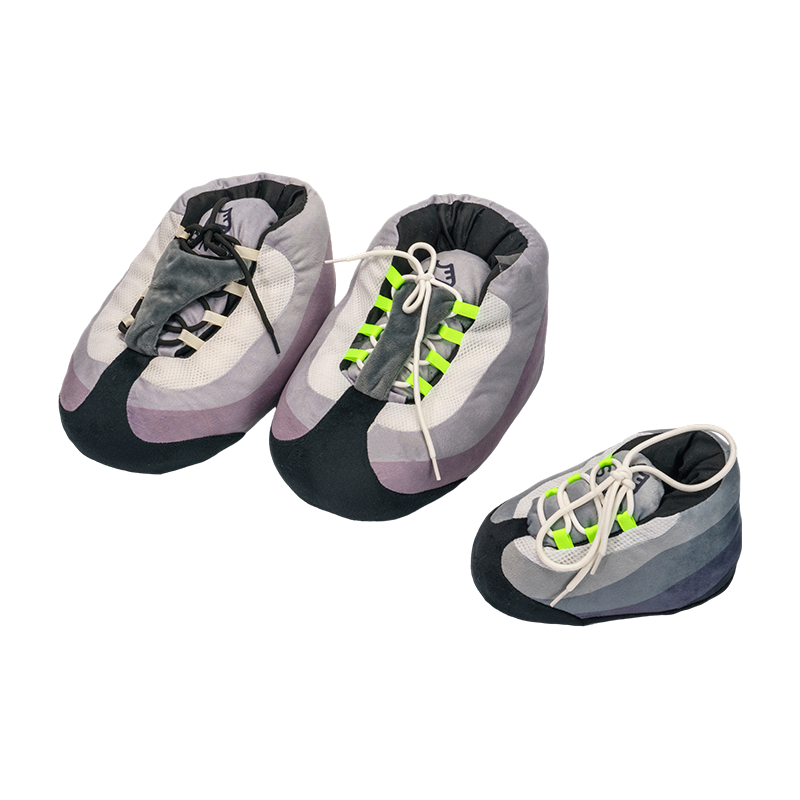
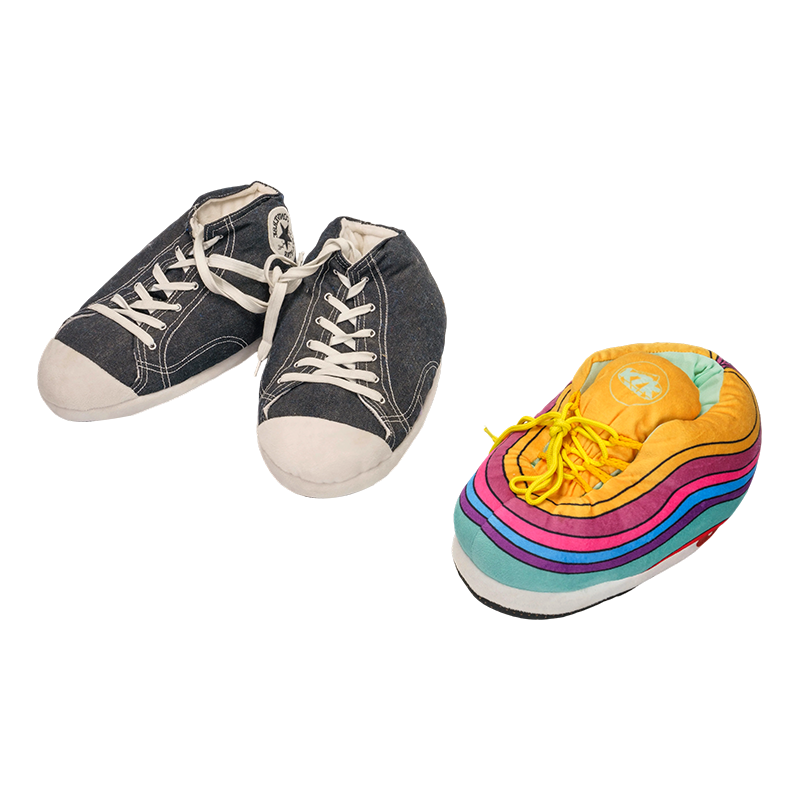
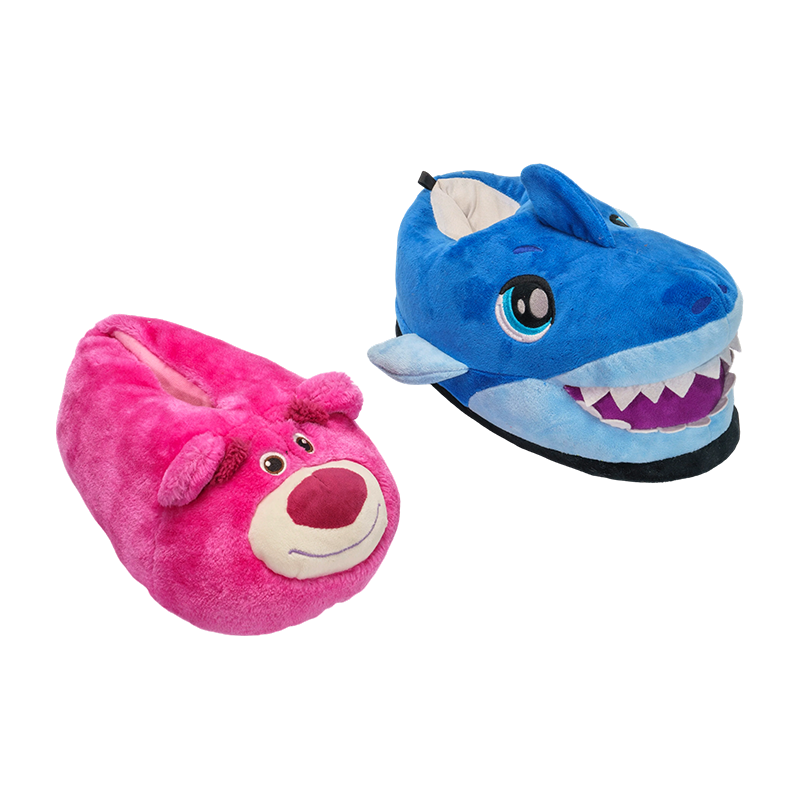



Softness and Breathability of Plush Shoes Lining and Insole Materials
Materials Used in Linings
The lining of plush shoes serves as the interface between the foot and the shoe, directly affecting comfort and breathability. Manufacturers typically select fabrics such as cotton blends, soft polyester, or microfiber. These materials are chosen for their ability to absorb moisture while allowing airflow, which helps maintain a comfortable internal temperature and reduce the risk of odor accumulation. For children’s and pet products, linings are tested for non-toxicity and chemical safety in accordance with international standards.
Insole Composition and Comfort
Insoles in plush shoes combine cushioning and ventilation properties. Materials such as memory foam, EVA, or soft sponge are commonly used, often layered with breathable fabric covers. These insoles adapt to the shape of the foot, providing gentle support during prolonged wear. Breathability is enhanced through perforations or moisture-wicking fabric layers that allow air circulation and reduce sweat buildup.
Standards for Children and Pet Products
Products intended for children or pets must meet safety regulations that cover chemical content, flammability, and material durability. Standards such as ASTM F963, EN71, and ISO 8124 ensure that lining and insole materials do not contain harmful substances and are suitable for prolonged skin contact. In addition, softness and breathability are evaluated to prevent discomfort, skin irritation, or overheating during extended use.
Comparative Table of Common Lining and Insole Materials
| Material | Function | Breathability | Softness |
| Cotton Blend | Lining | High | Moderate |
| Microfiber | Lining | Moderate | Soft |
| EVA Foam | Insole | Moderate | High |
| Memory Foam | Insole | Low to Moderate | High |
Quality Control During Production
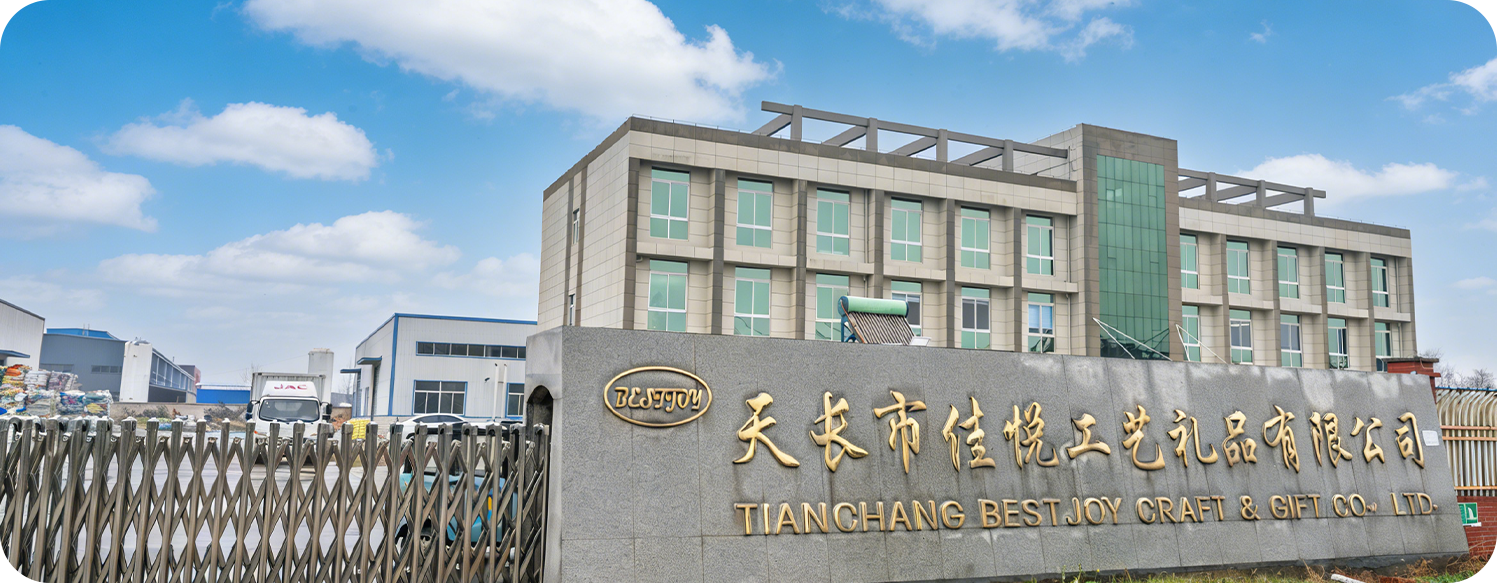
At Tianchang Bestjoy Craft & Gift Co., Ltd., quality assurance begins with raw material inspection. Each batch of lining and insole materials is sampled for softness, elasticity, and breathability tests. During production, assembly lines monitor proper stitching, alignment, and attachment to avoid uneven surfaces that could affect comfort. Finished products undergo final inspection to verify softness, fit, and air permeability, ensuring the shoes remain suitable for extended wear.
Design Considerations for Extended Wear
Design choices influence both comfort and breathability. Lining fabrics are selected to match the shoe’s structure, with seams minimized to reduce friction. Insoles are designed to distribute weight evenly, reduce pressure points, and support natural foot movement. Ventilation channels or mesh panels are sometimes integrated to improve airflow, contributing to overall foot comfort during long periods of use.
Maintenance Recommendations
Proper care of plush shoes helps maintain softness and breathability. Light cleaning with mild detergents and air drying are preferred to prevent material compression or damage. Insoles can be removed and cleaned separately, allowing them to retain cushioning and moisture-absorbing properties. These maintenance practices extend the functional life of the shoe while preserving comfort and hygiene.
Emerging Materials and Innovations
The plush footwear industry is exploring new fabrics and insoles that improve air circulation and skin comfort. Innovations include breathable synthetic blends, moisture-absorbing liners, and lightweight cushioning foams. These materials are tested to comply with safety regulations and offer consistent softness and ventilation over time, providing solutions suitable for children and pets who wear plush shoes for extended periods.
FAQ
Q: How does Tianchang Bestjoy ensure the lining and insole of plush shoes remain comfortable for long periods of wear?
A: The company carefully selects soft and breathable materials for linings and insoles, such as cotton blends and EVA or memory foam layers. Each material is tested for moisture absorption, airflow, and cushioning to provide comfort during extended use.
Q: Are plush shoes suitable for both children and pets?
A: Yes, plush shoes are designed with safety and durability in mind. For children, materials comply with standards like ASTM F963 and EN71, while pet versions use chew-resistant fabrics and reinforced stitching to withstand activity without compromising comfort.
Q: Can plush shoes be customized for promotional or retail purposes?
A: Customization options include color, embroidery, logo placement, and themed designs. Customization is performed while maintaining safety standards for linings and insoles, ensuring the shoes remain suitable for intended users.
Q: What cleaning methods are recommended for plush shoes to maintain softness and breathability?
A: Gentle hand washing or spot cleaning with mild detergents is recommended. Insoles can be removed for separate cleaning, and shoes should be air-dried to preserve softness, shape, and airflow properties of the materials.
Q: How does Tianchang Bestjoy manage quality control during plush shoe production?
A: The company inspects raw materials for softness and safety, monitors stitching and assembly, and conducts final checks for comfort, breathability, and material integrity. Each batch undergoes thorough evaluation to maintain consistent product standards.
Q: What innovations are being applied to enhance plush shoe comfort?
A: New materials, including moisture-wicking fabrics, lightweight cushioning foams, and breathable synthetic blends, are being incorporated. These enhancements improve ventilation, cushioning, and overall comfort while meeting safety regulations for children and pets.
Q: Are the materials used in plush shoes tested for chemical safety?
A: Yes, linings and insoles are tested to ensure they are free from harmful chemicals such as heavy metals, phthalates, and toxic dyes. This ensures the shoes are safe for direct contact with skin for children and pets.