en
en  русский
 Español
 عربى
عربى
The consumer logic of the toy market is undergoing a quiet transformation. Product development, which once focused entirely on children's preferences, is now being influenced by a new trend centered on cross-generational emotional connections. Recent research covering nine major global consumer markets shows that nostalgia culture has become a significant factor influencing children's toy choices and reshaping family purchasing decisions, creating new opportunities for the toy industry.
The survey was conducted in the fourth quarter of 2025 across nine key markets, including the United States, Canada, the United Kingdom, Germany, France, Poland, Italy, Spain, and Australia. It collected feedback from children aged 3 to 15 and parents with children aged 1 to 15, providing insights into how nostalgic emotions influence family toy consumption.
According to the survey, 68% of parents said they were more likely to choose classic toys that remind them of their own childhood experiences when purchasing toys for their children. Meanwhile, 57% of children aged 3 to 15 showed stronger curiosity and emotional attachment toward toys that their parents once played with compared with completely new products.
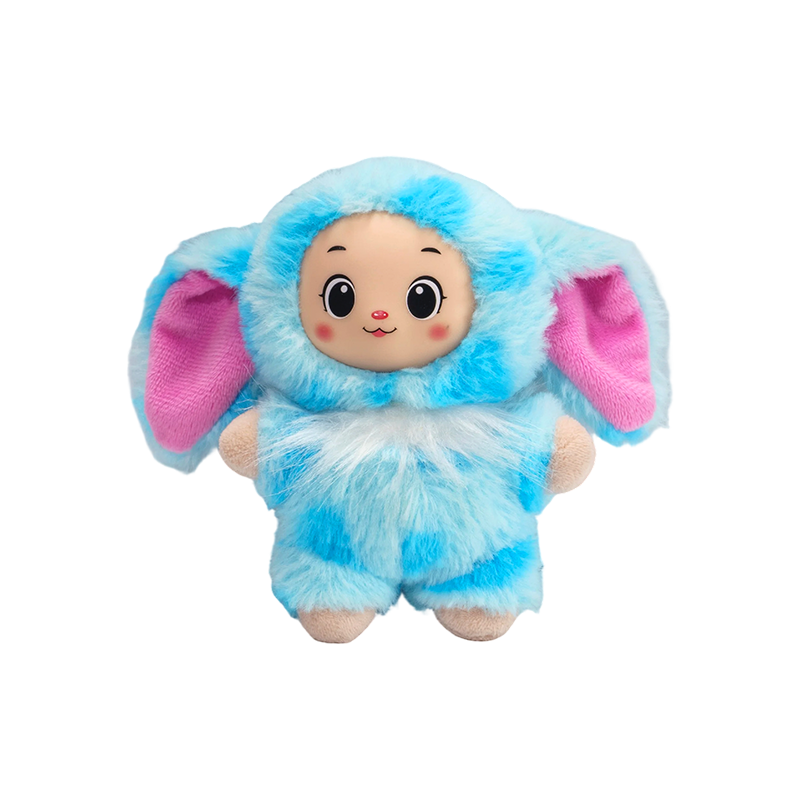
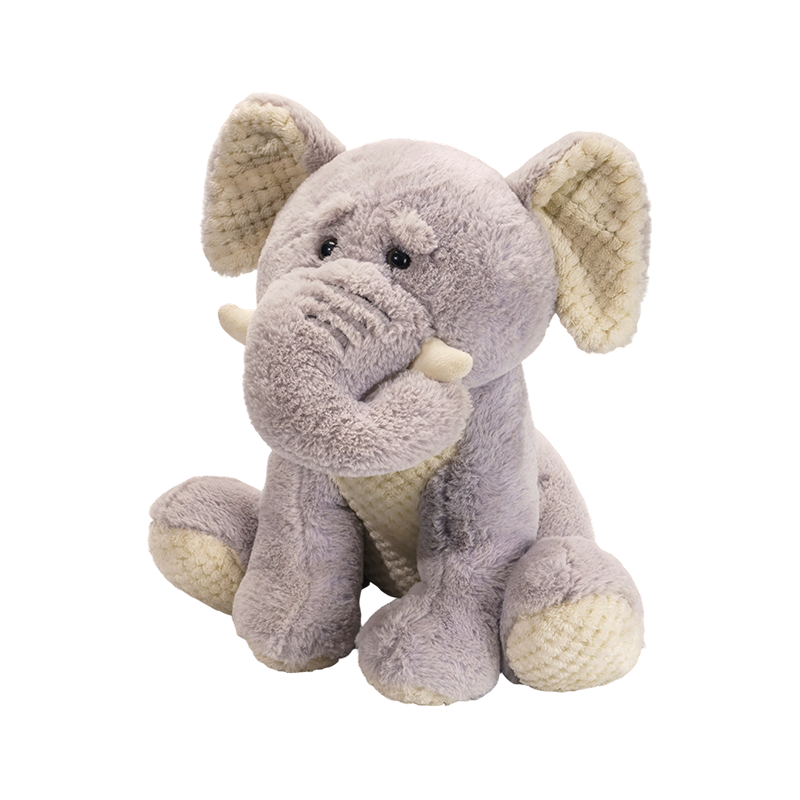
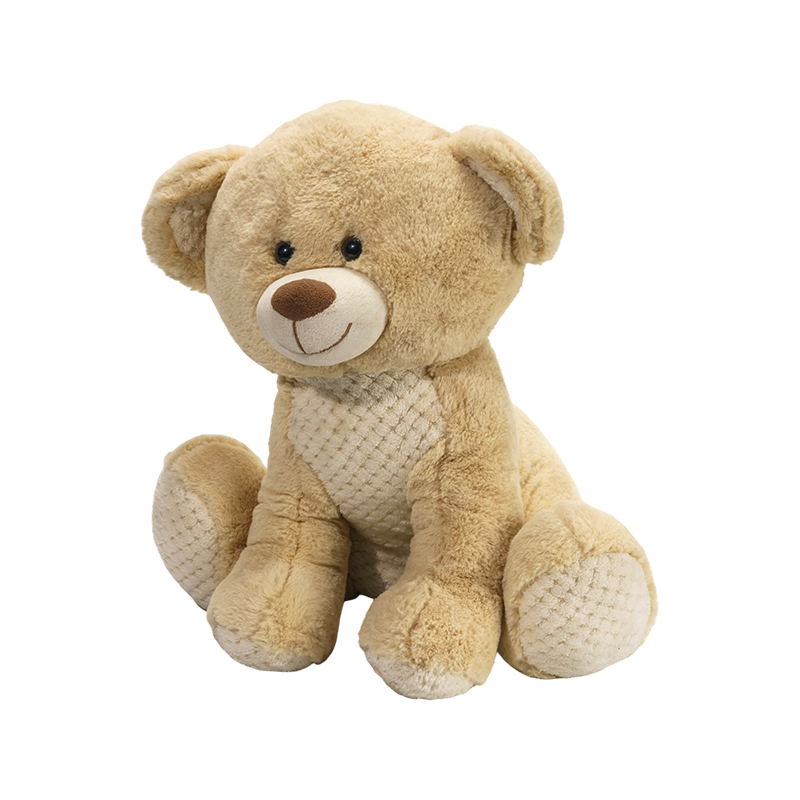
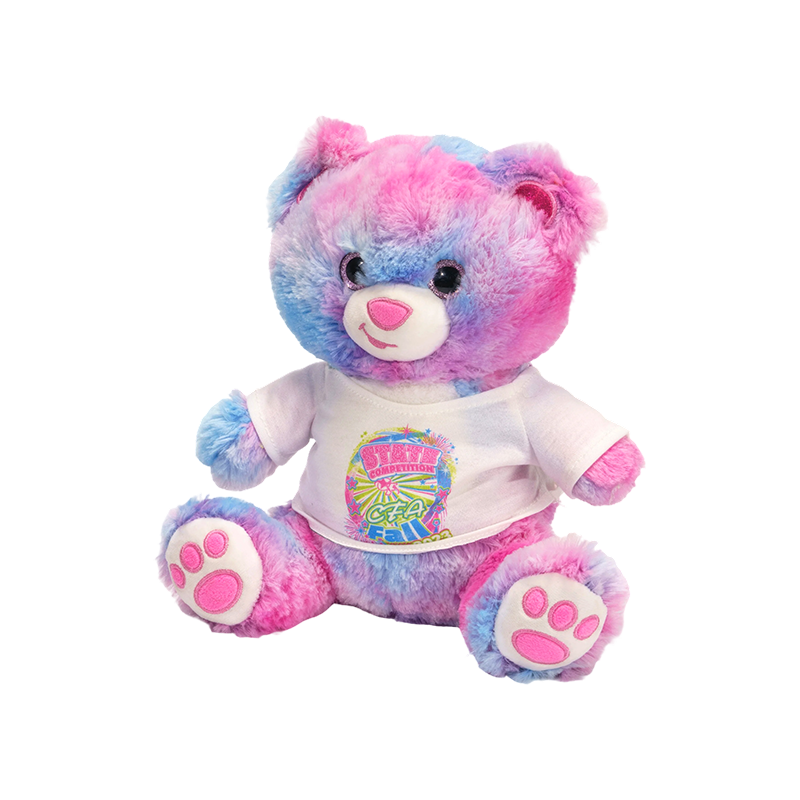
This shared emotional connection has created a new market trend. Classic plush toys with nostalgic elements, retro cartoon merchandise, and recreated childhood collectibles achieved a 31% year-on-year sales increase in the global toy market in 2025, significantly exceeding the average industry growth rate. The appeal of these products has expanded beyond entertainment value, becoming a bridge connecting two generations.
Nostalgic Toys Become Emotional Bridges Between Generations
In many family activities during 2025, nostalgic toys played an important role in creating parent-child interactions. Parents shared childhood stories with their children through recreated classic plush figures and familiar toy designs, allowing two generations to connect through shared memories.
Research data also indicates that nostalgic toys are used together by families 42% more frequently than completely unfamiliar new toys. These products provide longer-lasting companionship value by encouraging communication, storytelling, and emotional interaction between parents and children.
New Marketing Opportunities for Toy Brands and Manufacturers
For toy brands and manufacturers, the rise of nostalgia-driven consumption provides new marketing strategies. Traditional toy marketing usually targets children as the primary audience, while parents are mainly considered purchasing decision-makers. However, the nostalgia trend allows brands to directly communicate with parents by using familiar childhood symbols and emotional memories.
By creating family-oriented experiences, brands can encourage children to develop emotional connections with toys that carry historical and cultural value. Many successful toy brands in 2025 adopted this approach by preserving classic designs and recognizable features while upgrading products with environmentally friendly materials, improved safety standards, and small innovations that match modern children's lifestyles.
In marketing campaigns, these brands focused on the concept of sharing the same childhood memories between parents and children. This strategy helped attract both generations and strengthened emotional engagement with the products.
Nostalgia-Driven Toy Consumption Becomes a Long-Term Trend
Industry analysts believe that nostalgia-driven toy consumption is not just a short-term market trend, but a long-term demand created by changing family consumption preferences. As parents become increasingly willing to invest in products that provide emotional value and meaningful companionship, toys are evolving from simple entertainment items into important carriers of family memories.
Future toy product development and marketing strategies are expected to include more cross-generational emotional design. By combining childhood memories with modern innovation, nostalgic toys can offer children richer experiences while creating stronger emotional connections within families.