en
en  русский
 Español
 عربى
عربى
Content
- 1 Plush Toy Consumption Recovers in 2026 — Emotional Companionship Becomes an Important Market Driver
- 2 Classic IP and Therapeutic Original Products Show Different Growth Trends
- 3 Young Consumers Place Greater Importance on the Emotional Value of Plush Toys
- 4 Chinese Plush Toy Manufacturers Respond to Market Demand Through Product Upgrades
- 5 Industry Standards Promote More Standardized Plush Toy Production
Plush Toy Consumption Recovers in 2026 — Emotional Companionship Becomes an Important Market Driver
In 2026, the global toy market is experiencing a round of structural recovery, with the plush toy category showing a noticeable performance. According to the latest market data released by overseas toy industry organization Circana, overall toy sales in the UK increased by 12% year over year during the first four months of 2026. As a traditional emotional companionship category, plush toys ranked second in incremental growth across the toy market, exceeding most toy segments outside building sets and becoming an important category contributing to market growth. This trend is not limited to a single market. From North America to Europe, and from major Chinese cities to lower-tier markets, plush toys are moving beyond their traditional positioning as “children’s toys” and increasingly taking on the role of “emotional companionship products,” becoming an emotional consumption choice for consumers across age groups.
Classic IP and Therapeutic Original Products Show Different Growth Trends
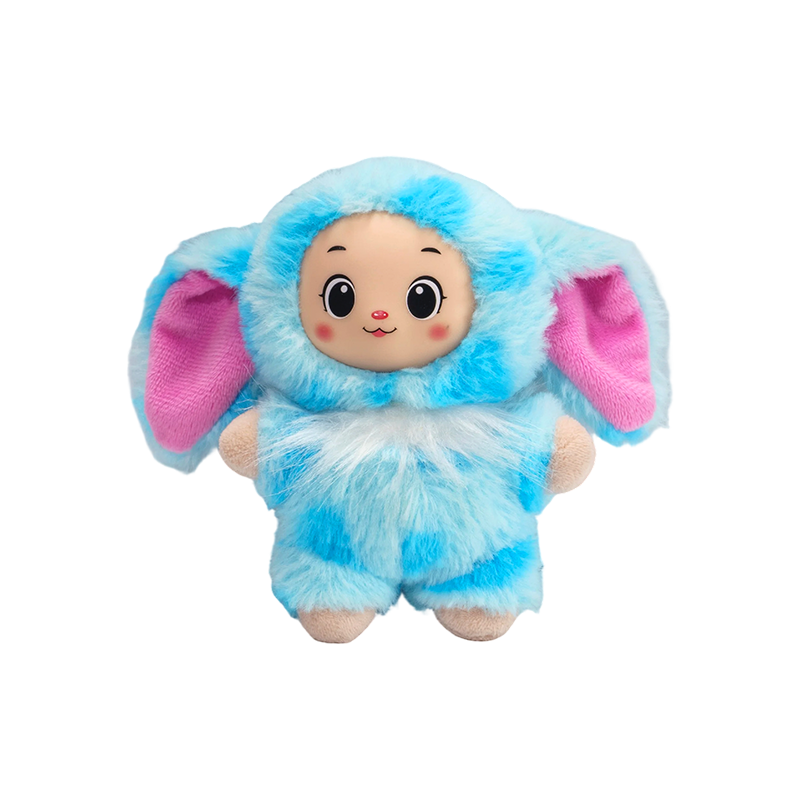
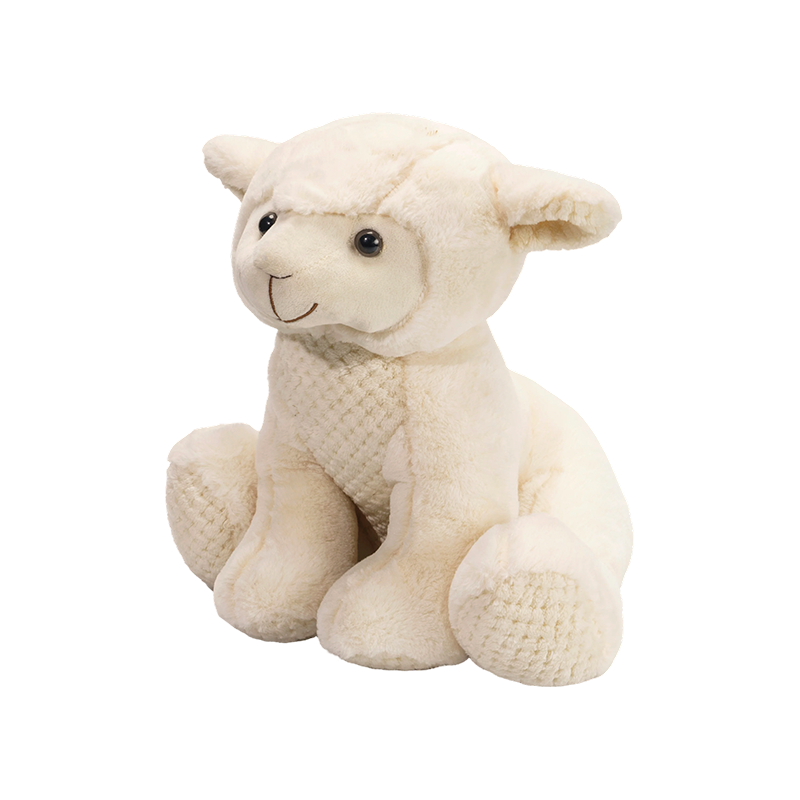
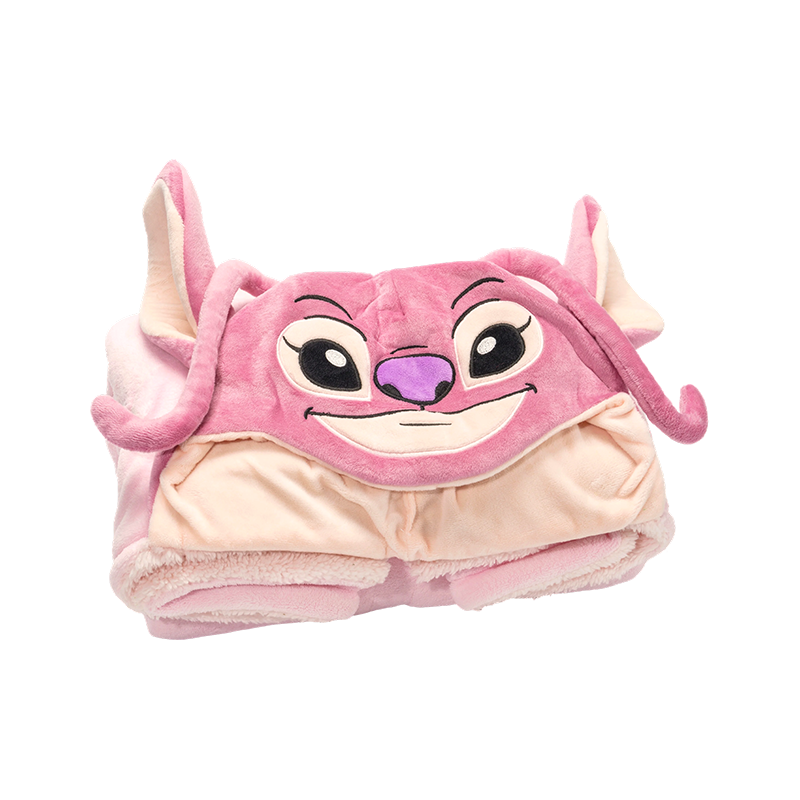
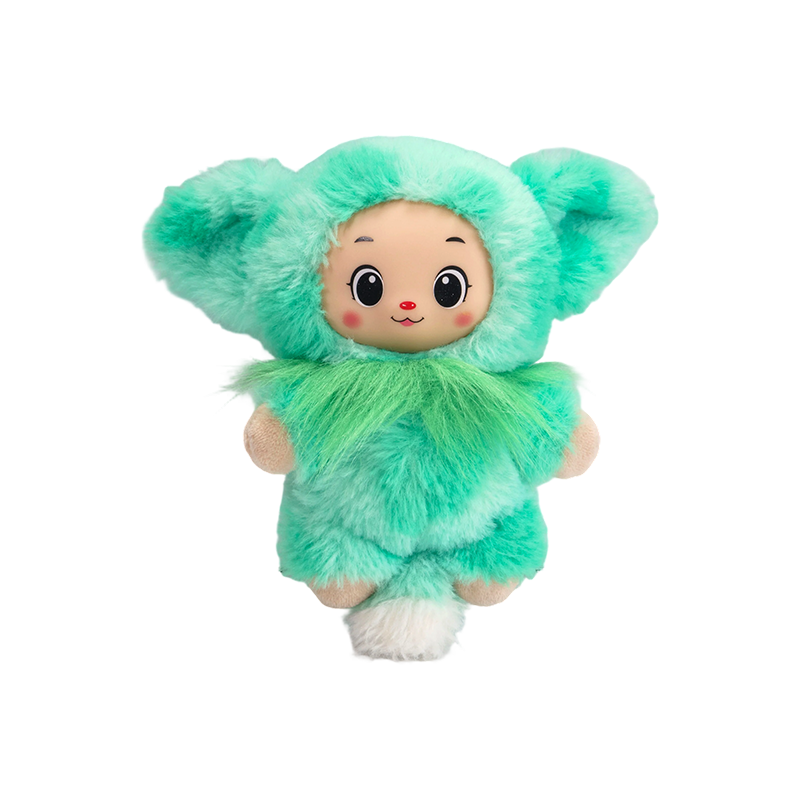
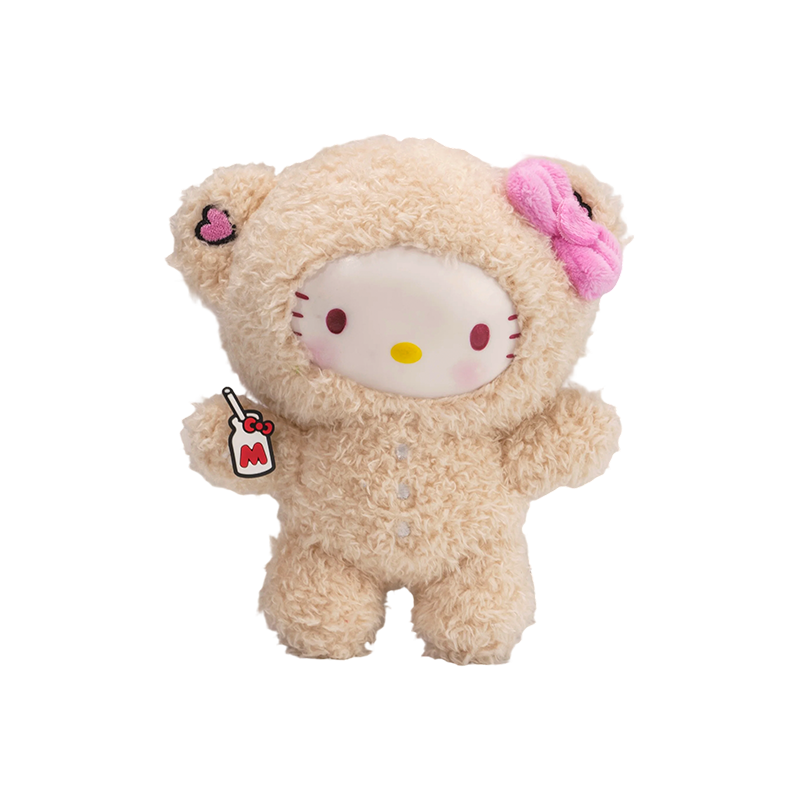
Looking at specific consumer trends this year, plush toy consumption shows clear segmentation. On one side, classic IP products continue to maintain long-tail demand. Plush products from series such as the Pokémon 30th anniversary collection have attracted consumer attention after launch. Reissued life-size Pikachu plush toys have also drawn queues at pop-up stores in various locations around the world, while their collectible value in the second-hand market continues to receive attention. On the other side, niche therapeutic plush products without strong IP associations are developing rapidly. Products such as simple long cushions, palm-sized stress-relief figures, and companion sleep toys with soft textures have recorded year-over-year sales growth of more than 60%. Some original plush brands without well-known IP support have gained attention among younger consumers simply through their soft tactile experience. Although these two consumption trends appear different, they point to the same underlying change: consumers are no longer purchasing solely for “IP popularity” or “toy functions,” but are increasingly paying attention to the emotional value provided by the plush product itself.
Young Consumers Place Greater Importance on the Emotional Value of Plush Toys
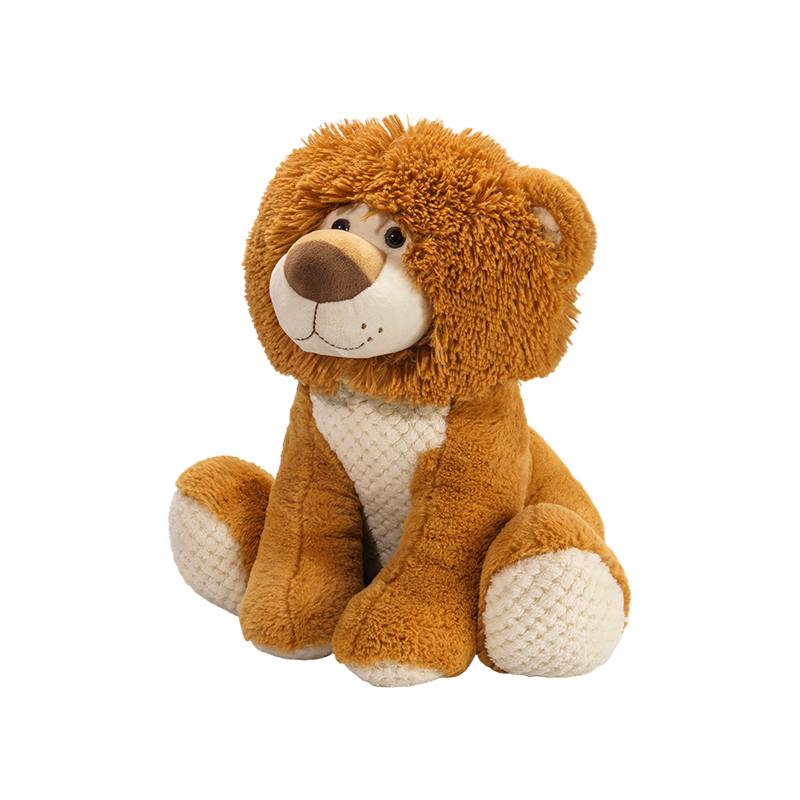
The underlying reason young consumers are willing to pay for plush products is no longer limited to the basic need to “play.” For today’s Generation Z consumers, soft plush toys can serve as a “stress-relief outlet” during workplace pressure, a silent “roommate” in independent living, and an “emotional comfort item” that can be carried during business trips and travel. Many consumers say that when choosing plush products, they first touch the fabric and squeeze the filling. A comfortable tactile experience is more important than an elaborate appearance. Even without support from a well-known IP, consumers may still be willing to pay for a sense of comfort if the product feels comfortable to hold. This shift in consumer attitudes has further highlighted the emotional companionship characteristics of plush toys and has also changed the competitive dynamics of the industry.
Chinese Plush Toy Manufacturers Respond to Market Demand Through Product Upgrades
In response to this round of consumer recovery, Chinese plush toy manufacturers have begun making product adjustments, ranging from fabric upgrades to softness optimization, using product development to respond to new market demand. Many factories have introduced new materials such as double-sided fleece and high-elasticity cloud-feel cotton. Through multiple brushing and softening processes, they improve the soft tactile experience of plush toys. Some companies have also optimized filling ratios and sewing processes, allowing plush toys to maintain their shape while providing a stress-relief feel that is soft when squeezed and quickly returns to its original form after release.
At the same time, Chinese factories draw on their accumulated flexible manufacturing capabilities to handle both large-volume orders for major IPs and small-batch rapid-response requirements from niche original brands. The ability to produce samples quickly within 7 days allows ideas from many emerging therapeutic plush brands to be developed into products more quickly.
Industry Standards Promote More Standardized Plush Toy Production
As the requirements of new national standards for formaldehyde and limits on hazardous substances in plush toys become stricter, the industry is also moving toward more standardized and higher-quality development. Looking ahead, the plush toy market will no longer be a stage where companies can rely solely on IP traffic to gain a competitive advantage. Companies that can establish distinctive product features in terms of “soft tactile experience” and “emotional companionship” may have more opportunities for development during this round of market recovery.