en
en  русский
 Español
 عربى
عربى
Content
- 1 What Wildlife Stuffed Animals Are Designed To Capture
- 2 Materials And Fabric Selection
- 3 Coloring And Pattern Accuracy
- 4 Facial Features And Expression Design
- 5 Stitching Techniques And Structural Durability
- 6 Common Uses For Wildlife Stuffed Animals
- 7 Factors To Consider When Choosing A Wildlife Plush Toy
What Wildlife Stuffed Animals Are Designed To Capture
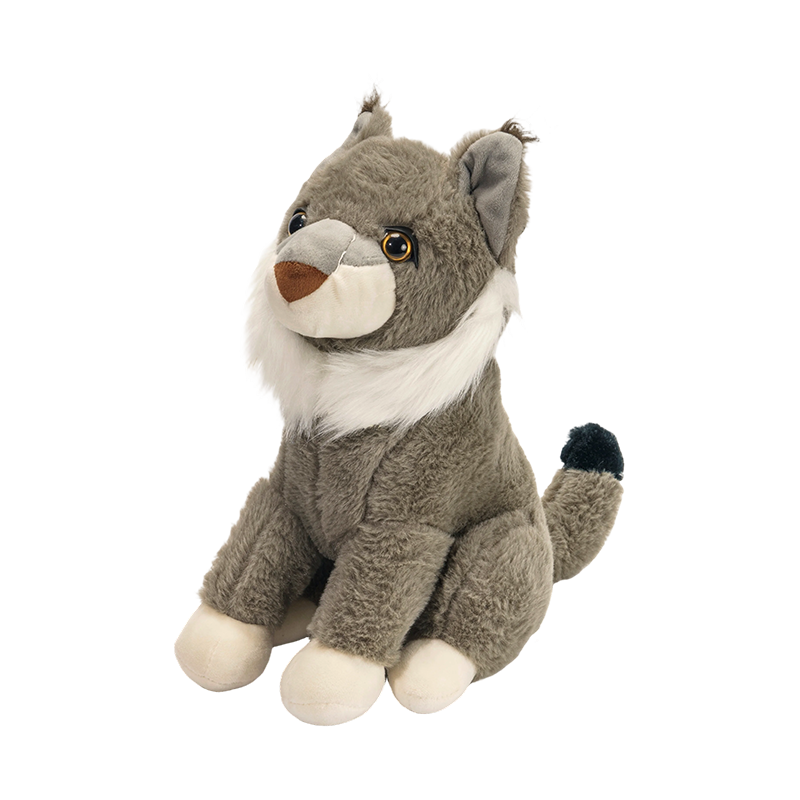
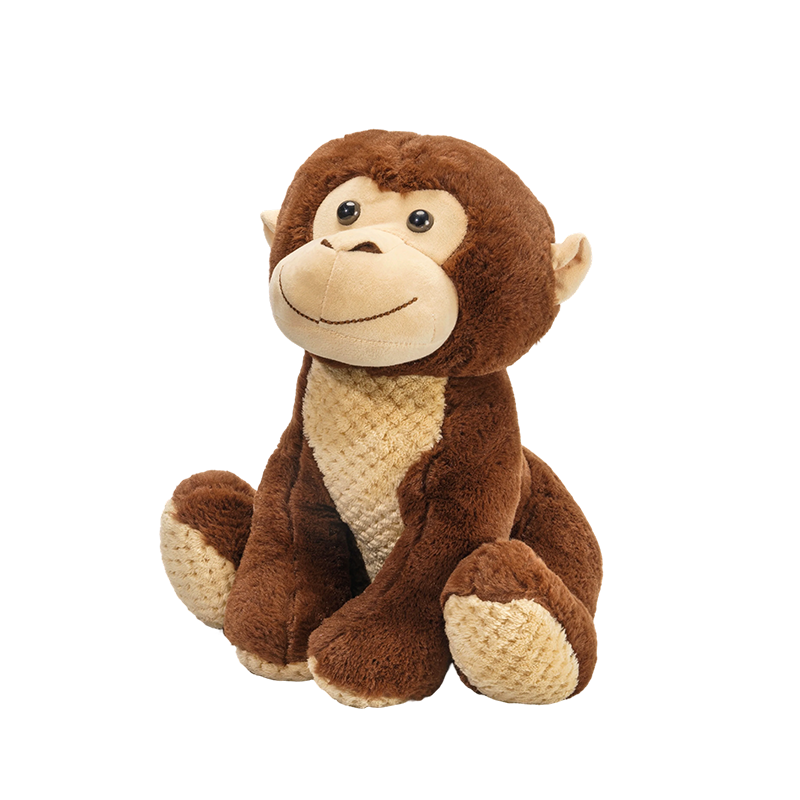
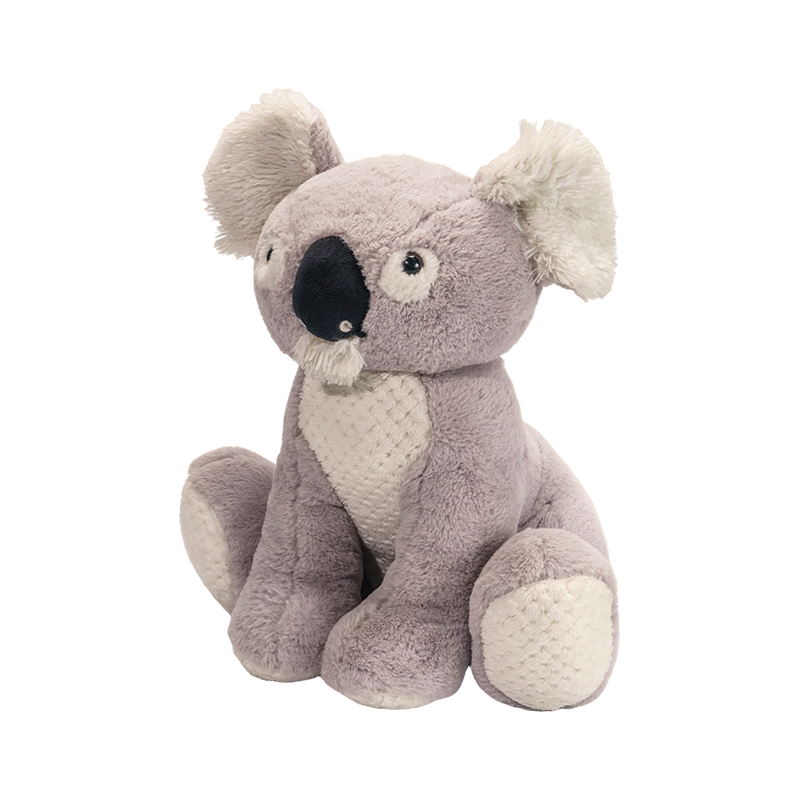
Wildlife stuffed animals are designed to recreate the wonders of the wild through careful attention to posture, coloring, and texture, aiming to reflect the recognizable characteristics of a specific species rather than a generic animal shape. This design approach differs from simplified cartoon-style plush toys, since it prioritizes proportion and detail that align with how the animal actually appears, while still keeping a soft and approachable overall form suitable for both display and handling. A sitting wildlife tiger plush toy illustrates this balance well, recreating the recognizable posture of a tiger while maintaining a rounded, friendly expression that softens the more intense presence associated with the animal in its natural setting.
Materials And Fabric Selection
Each animal is typically crafted from ultra-soft materials such as short-pile plush fabric or minky-style textiles, chosen for a texture that feels pleasant to the touch while still holding its shape well enough to support detailed features like ears, stripes, or facial markings. Fabric selection often varies by body region, with denser pile used for areas that need to hold a defined shape, such as ears or a rounded head, and a softer, longer pile reserved for areas meant to feel plush and comforting during handling.
Realistic texture is achieved partly through fabric choice and partly through how the fur is trimmed or brushed during finishing, a technique that helps replicate the visual layering seen in an animal's natural coat. Filling material is generally a polyester fiber fill selected for consistent loft and washability, allowing the toy to maintain its shape over repeated handling without becoming lumpy or uneven.
Coloring And Pattern Accuracy
Color accuracy plays a central role in how recognizable a wildlife stuffed animal appears, with dye and print processes calibrated to match the natural coloring of the species being represented. The sitting wildlife tiger plush toy demonstrates this through its orange-yellow body paired with dark black stripes, where the shape and arrangement of the stripes are designed to closely resemble those of an actual tiger rather than a simplified striped pattern. This level of pattern detail requires precise placement during fabric cutting and stitching, since inconsistent stripe alignment would noticeably affect how convincingly the finished toy resembles the animal.
Contrast details, such as the soft white fur commonly placed on the inner ears of a tiger design, add a further layer of realism by echoing the natural color variation seen on the animal's face and ears. These smaller color transitions are generally added as separate fabric pieces stitched into the main body panel, rather than printed directly onto the base fabric, which helps the contrast hold up over time without fading.
Facial Features And Expression Design
Facial design generally balances realistic proportion with an approachable expression, since a plush toy intended for handling and display benefits from a gentle, friendly look rather than a fully accurate predatory expression. Round, expressive eyes are a common feature across wildlife stuffed animal designs, often made from safety-rated plastic or glass components secured firmly into the fabric to meet handling safety requirements. A rounded head shape with upright ears, paired with a black nose and a softly curved mouth, is a design pattern seen across many wildlife plush designs, contributing to an expression that reads as gentle and welcoming despite representing an animal associated with strength in its natural environment.
Core Wildlife Plush Toy Features
- Ultra-soft fabric selected for texture and durability
- Species-accurate coloring and pattern placement
- Expertly stitched seams for long-term structural durability
- Safety-rated eyes and facial components for handling
- Balanced posture design suited for sitting or display poses
Stitching Techniques And Structural Durability
| Element | Typical Approach | Purpose |
|---|---|---|
| Seam Stitching | Reinforced double-stitched seams | Withstands repeated handling and play |
| Filling Material | Polyester fiber fill | Maintains shape and washability |
| Eye Attachment | Locking safety washers | Secures components against pulling |
Seams along a wildlife stuffed animal's body are generally expertly stitched with reinforced thread paths at stress points such as the neck, limb joints, and ear bases, where repeated handling places significant strain on the fabric. This attention to seam construction is what allows a plush toy to hold up over years of imaginative play, cuddling, and occasional washing without the seams beginning to separate.
Common Uses For Wildlife Stuffed Animals
Imaginative play is a common context for wildlife stuffed animals, where children use the toys to act out scenes involving different habitats, animal behaviors, or storytelling scenarios that support early learning about the natural world. Educational settings, including classrooms and nature centers, also use wildlife plush toys as teaching aids, helping introduce species characteristics such as coloring, body shape, and habitat in a tactile format that complements books or videos.
Beyond play and education, wildlife stuffed animals are frequently used for cuddly comfort, particularly designs like a sitting tiger plush toy that combine a recognizable animal form with a soft, rounded body suited for holding. Collectors and gift-givers also use wildlife plush designs to mark occasions tied to conservation awareness or a personal interest in a particular animal, where the accuracy of coloring and posture contributes to the toy's appeal as a display piece.
Factors To Consider When Choosing A Wildlife Plush Toy
Fabric texture and pile length affect how a wildlife stuffed animal feels during handling, with shorter pile generally holding fine detail like stripes or spots more clearly, while longer pile tends to feel softer but can blur sharp pattern edges. Checking seam construction and filling material is worth doing when durability matters, particularly for toys intended for younger children who may handle them more roughly during play.
Size and posture also influence how a wildlife plush toy is used, since a sitting design suited for display on a shelf differs functionally from a larger, huggable design intended primarily for comfort. Matching the intended use, whether educational, decorative, or for everyday cuddling, to these design characteristics helps identify which wildlife stuffed animal style fits a particular purpose.