en
en  русский
 Español
 عربى
عربى
Content
- 1 Why Stuffed Animals Work as Promotional Items
- 2 Industries That Benefit Most from Plush Promotional Items
- 3 Types of Stuffed Animal Promotional Items
- 4 Customization Options: Making Your Plush Truly On-Brand
- 5 How to Brief a Supplier: A Step-by-Step Approach
- 6 Comparing Stuffed Animal Promotional Item Formats
- 7 Safety & Compliance: What You Must Know
- 8 Measuring ROI on Stuffed Animal Promotional Items
- 9 Sustainability in Promotional Plush: The Growing Imperative
- 10 Frequently Asked Questions
- 11 Distributing Your Promotional Plush Effectively
- 12 The Lasting Value of Soft Brand Ambassadors
In a world saturated with branded pens, tote bags, and USB drives, stuffed animal promotional items cut through the clutter in a way few giveaways can — because they're not just useful, they're loved.
From trade show handouts to corporate gifting campaigns and charity fundraisers, stuffed animal promotional items have carved out a distinct and growing niche in the branded merchandise industry. Soft, tactile, and emotionally resonant, they deliver something that a logo-printed mug simply cannot: genuine affection. This guide covers everything procurement managers, marketing teams, and event organizers need to know to make the most of plush promotional products.
Why Stuffed Animals Work as Promotional Items
The promotional products industry has long understood that the best branded merchandise earns its place in someone's life — on their desk, in their car, on a shelf at home. Stuffed animals do exactly that. Unlike functional items that get used and forgotten, a quality branded plush toy creates a persistent emotional touchpoint between your audience and your brand.
There are several concrete reasons why stuffed animal promotional items outperform many traditional alternatives:
Emotional Connection
Soft toys trigger warmth and positive association instinctively. That positive feeling transfers directly to the brand whose logo or mascot the plush represents.
Sustained Brand Visibility
A stuffed animal sitting on a desk or in a child's room delivers thousands of brand impressions over months or years — far outlasting a branded pen or lanyard.
Plush promotional items are highly photogenic. Recipients share them on social media organically, extending your campaign's reach well beyond the original recipient.
Wide Demographic Appeal
While often associated with children, branded plush toys resonate with adults too — especially in healthcare, hospitality, pet care, and education sectors.
Extensive Customization
From custom mascot designs to embroidered logos, hang tags, and branded packaging — stuffed animals offer more personalization options than almost any other promo format.
Perceived Value
Recipients perceive quality plush items as high-value gifts, which elevates brand perception and increases the likelihood they'll be kept rather than discarded.
Industries That Benefit Most from Plush Promotional Items
Stuffed animal promotional items are not one-size-fits-all — certain industries have discovered they're particularly well suited to this format, and for good reason.
Healthcare & Children's Hospitals
Few sectors have adopted branded plush toys as enthusiastically as healthcare. Hospitals and pediatric clinics use stuffed animals to comfort young patients, reduce anxiety during procedures, and reinforce a caring brand identity. A branded teddy bear given to a child before surgery creates an overwhelmingly positive association between the medical provider and a moment of comfort — brand loyalty built in the most human way possible.
Financial Services & Insurance
Banks, credit unions, and insurance companies have long used animal mascots to humanize complex or anxiety-inducing services. A branded plush of a company's mascot — a bear, a lion, a friendly dog — translates that mascot into a tactile ambassador that clients keep and display, reinforcing trust with every glance.
Education & Universities
Schools, colleges, and e-learning platforms use branded stuffed animals extensively for recruitment fairs, alumni gifts, and student orientation packages. A university mascot plush is a collectible that graduates carry into their adult lives — a branded item with a genuine sentimental lifespan of decades.
Non-Profits & Cause Marketing
Animal welfare organizations, children's charities, and environmental non-profits find that plush animals are among the most effective donor acquisition and retention tools available. A branded bear or panda offered as a thank-you gift for a donation creates an immediate, tangible return on charitable giving — and keeps the cause top-of-mind in the donor's home.
Retail & Consumer Brands
Consumer-facing brands use stuffed animal promotional items as loyalty rewards, purchase incentives, and limited-edition collectibles. Fast food brands have long understood that a branded plush toy drives repeat purchase behavior across family demographics — an insight that applies equally well to subscription boxes, retail chains, and food and beverage companies.
A stuffed animal doesn't just carry your logo — it carries your brand into the private emotional spaces of people's lives, where no advertisement can reach.
Types of Stuffed Animal Promotional Items
The category is broader than many buyers initially realize. Here's a breakdown of the main formats available within the stuffed animal promotional items space:
Custom Mascot Plush
The gold standard of promotional plush. A fully custom-designed stuffed animal built to replicate your brand's existing mascot character — every detail matched to your brand guidelines. These require longer lead times and higher minimum order quantities, but the result is a wholly unique, on-brand product that cannot be purchased anywhere else. Custom mascot plush items are ideal for flagship campaigns, major event launches, and premium gifting tiers.
Stock Plush with Custom Branding
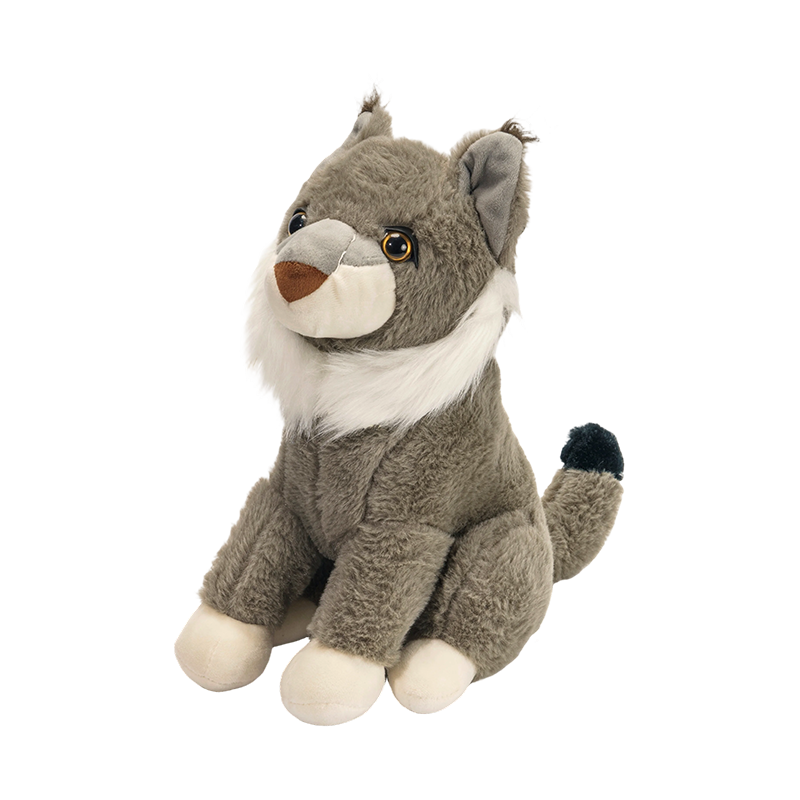
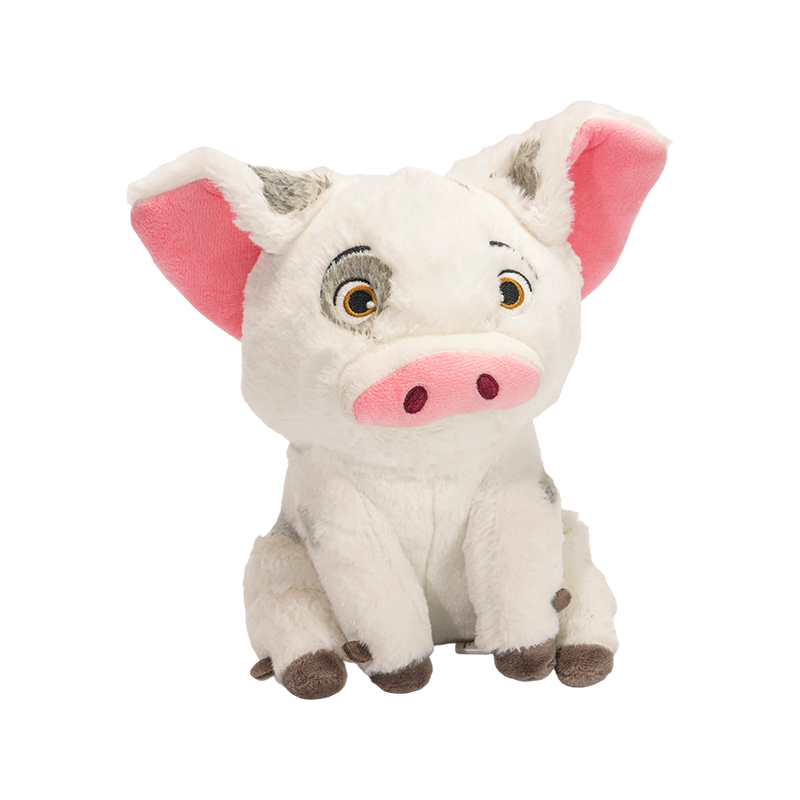
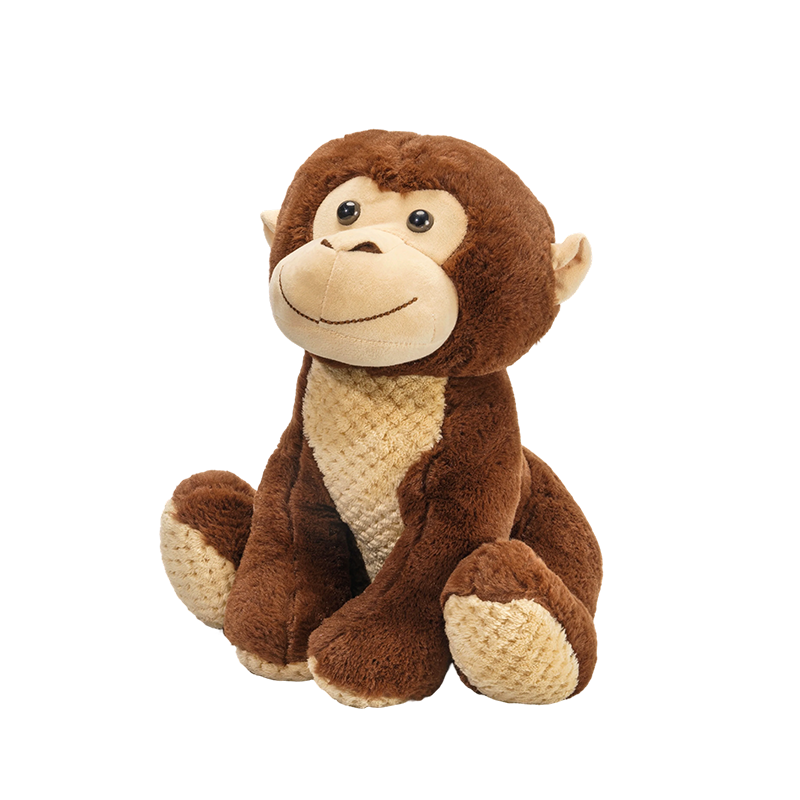
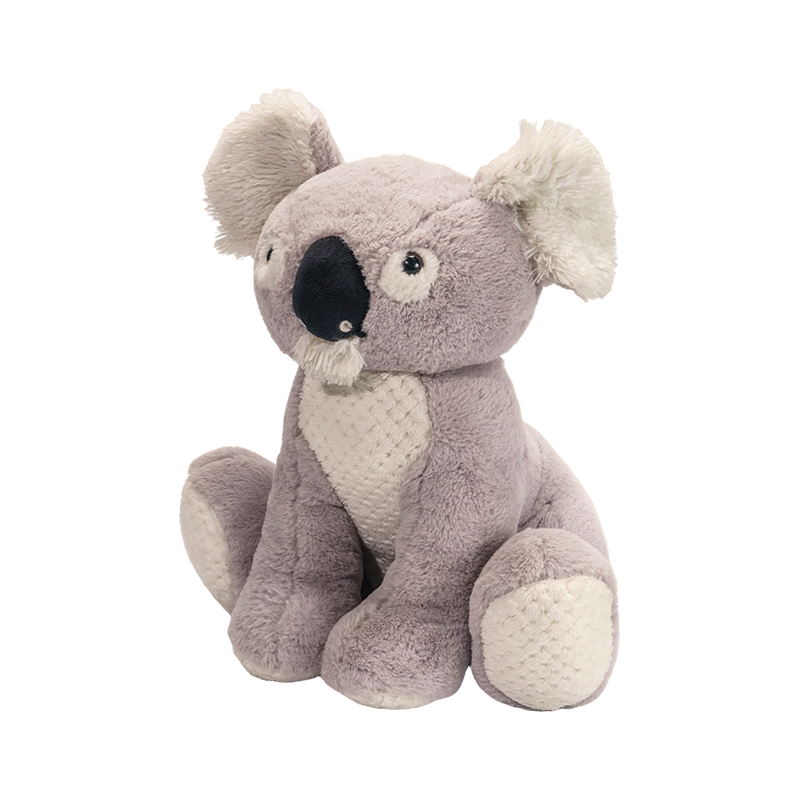
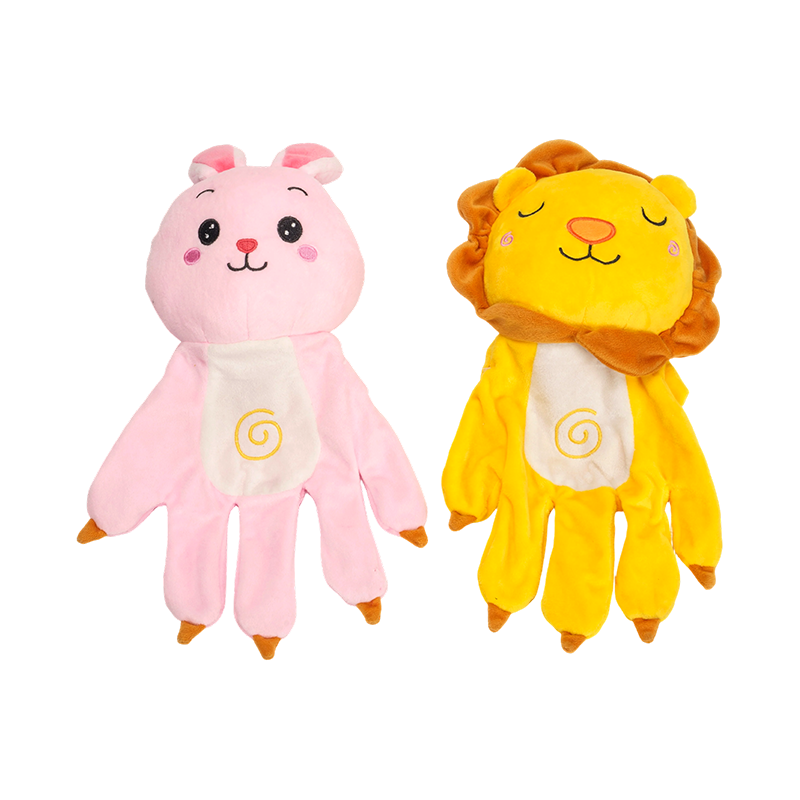
Pre-designed animal shapes — bears, dogs, rabbits, elephants, and dozens of others — customized with your embroidered logo, branded ribbon, or custom t-shirt. This is the most accessible entry point for organizations with moderate budgets or tighter timelines. Quality stock plush with thoughtful branding can be just as impactful as a fully custom piece, particularly when the animal shape aligns naturally with your brand personality.
Branded Plush Keychains & Mini Figures
Smaller, lower-cost plush items — typically five to fifteen centimetres — that function as keychains, bag charms, or desk ornaments. These are ideal for mass-distribution events like trade shows, conferences, or retail point-of-sale promotions, where a high-volume, lower-unit-cost item is required. Despite their size, quality mini plush items with bold branding carry excellent recall value.
Plush with Sound or Tech Integration
Higher-end promotional plush can be fitted with sound modules (branded messages, jingles, or sounds associated with a campaign), QR code tags linking to digital content, or NFC chips enabling product registration and loyalty rewards. These add-ons significantly increase perceived value and create interactive brand experiences that traditional plush cannot.
Eco-Friendly & Sustainable Plush
A rapidly growing subcategory driven by corporate sustainability mandates. Stuffed animals made from recycled PET bottles (rPET), organic cotton stuffing, and OEKO-TEX certified materials allow brands to communicate environmental values through the promotional item itself. Packaging in recycled or FSC-certified materials completes the sustainability narrative.
Customization Options: Making Your Plush Truly On-Brand
The breadth of customization available for stuffed animal promotional items is one of the format's greatest strengths. Here's what you can typically specify when placing an order:
- Animal species, shape, and body proportions
- Fabric type, colour, and texture (minky, velboa, sherpa)
- Embroidered logo placement and size
- Custom eye designs and facial expression
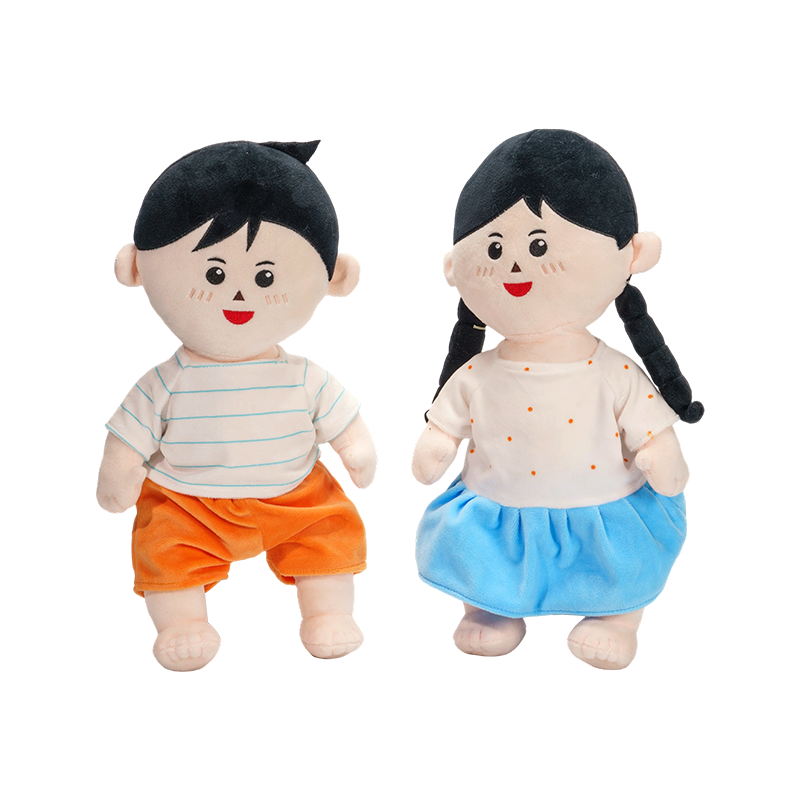
- Branded accessories (t-shirt, bandana, vest, hat)
- Printed or embroidered clothing with campaign messaging
- Custom hang tags (logo, campaign URL, QR code)
- Branded poly-bag, gift box, or window display packaging
- Sound modules with custom audio clips
- NFC or RFID tag integration
- Scent infusion for the fabric
- Fill material type (standard, weighted, organic)
Pro tip: The single most common mistake in plush promotional item briefs is underspecifying the hang tag. A well-designed custom hang tag — with your brand story, campaign URL, and a personal message — dramatically increases the perceived value and memorability of even a stock plush item. Treat it as a mini marketing document, not an afterthought.
How to Brief a Supplier: A Step-by-Step Approach
Getting the most from a stuffed animal promotional items supplier requires a thorough brief. Vague briefs produce generic results; detailed briefs produce memorable ones. Follow this process:
- Define your campaign objective. Is this for brand awareness, lead generation, employee recognition, customer retention, or event activation? The objective shapes every other decision.
- Identify your audience. Children or adults? Mass distribution or select VIP gifting? The audience determines appropriate size, complexity, and safety certification requirements.
- Set your total budget — not your unit price target. Total budget determines what's achievable. Share the full figure with your supplier; a good partner will optimize the design to hit the best possible quality within that envelope.
- Provide complete brand assets. Logo files in vector format, Pantone colour references, brand guidelines, and any existing mascot artwork. The more complete your assets, the more accurate the prototype will be.
- Specify quantity and delivery requirements. Minimum order quantities for custom plush typically start at 100–300 units; fully custom mascot plush may require 500+. Confirm your in-hands date and work backward from there — allow 8–14 weeks for fully custom items.
- Request a physical prototype before production approval. Always approve a physical sample — photographs do not accurately represent fabric texture, fill density, or embroidery quality. A prototype approval step protects your investment.
- Confirm compliance certifications. If the plush will be given to or near children, ensure EN71 (Europe) or ASTM F963 (USA) compliance. Ask for written confirmation and test reports.
Comparing Stuffed Animal Promotional Item Formats
| Format | Typical Unit Cost | MOQ | Lead Time | Best Use Case | Impact Level |
|---|---|---|---|---|---|
| Stock plush + logo | $4 – $12 | 50 – 100 | 3 – 5 weeks | Trade shows, bulk giveaways | Moderate |
| Branded mini plush keychain | $2 – $6 | 100 – 250 | 3 – 5 weeks | Mass events, retail POS | Moderate |
| Stock plush with custom outfit | $8 – $18 | 100 – 200 | 5 – 8 weeks | Brand mascot alignment | High |
| Fully custom mascot plush | $18 – $45 | 300 – 500 | 10 – 14 weeks | Flagship campaigns, premium gifts | Very High |
| Eco-friendly sustainable plush | $10 – $28 | 200 – 500 | 8 – 12 weeks | CSR campaigns, B-Corp brands | High |
| Tech-integrated plush (sound/NFC) | $20 – $55 | 200 – 500 | 10 – 16 weeks | Interactive activations, VIP gifts | Very High |
Safety & Compliance: What You Must Know
Any stuffed animal promotional item distributed to or in the presence of children must meet mandatory safety standards. Overlooking compliance is not only a legal risk — it's a reputational one. Here is what responsible buyers need to verify:
EN71 (European Union): The mandatory toy safety standard covering mechanical and physical properties, flammability, and chemical requirements. All plush toys sold or given away in the EU and UK must comply with EN71 Part 1, 2, and 3.
ASTM F963 (United States): The American standard for toy safety, covering similar categories to EN71. Products distributed in the USA, particularly those marketed to or accessible by children under 12, must comply.
CPSIA (Consumer Product Safety Improvement Act): US federal law requiring independent third-party testing and a Children's Product Certificate (CPC) for children's products. Import compliance is the importer's responsibility — not the overseas factory's.
REACH Regulation: EU chemical safety rules restricting hazardous substances in consumer products, including plush toys. REACH-compliant materials must be confirmed in writing by your supplier.
Beyond formal certification, apply basic safety judgment: embroidered facial features rather than glued-on plastic eyes for items intended for young children, no small detachable parts, and fill material that meets country-specific requirements for hypoallergenic or non-toxic stuffing.
Important: Always request actual test reports — not just a supplier's verbal assurance of compliance. A legitimate factory will have current, third-party laboratory test certificates readily available. If a supplier hesitates or cannot produce these, treat it as a disqualifying red flag.
Measuring ROI on Stuffed Animal Promotional Items
Marketing teams are increasingly expected to quantify the return on promotional product spend. While plush toys present some measurement challenges compared to digital channels, several methodologies provide meaningful data:
Recall surveys. Post-event or post-campaign surveys asking recipients whether they still have the item and whether they can recall the brand name provide direct evidence of retention and brand recall — the primary metrics for promotional merchandise.
QR code tracking. Hang tags printed with unique QR codes allow you to track how many recipients scan the code and visit a landing page. This converts a physical item into a measurable digital touchpoint.
Social listening. Monitor branded hashtags and perform image-search monitoring to quantify organic social sharing of your promotional plush. User-generated content featuring your branded stuffed animal is earned media with calculable value.
NPS correlation. For customer gifting programs, compare Net Promoter Scores or customer satisfaction ratings between groups that received promotional plush and control groups that did not. A consistent positive correlation is a powerful internal business case for continued investment.
Sustainability in Promotional Plush: The Growing Imperative
Corporate procurement teams are under increasing pressure to align promotional merchandise with environmental and social governance (ESG) commitments. Stuffed animal promotional items are rising to meet this challenge, with a growing ecosystem of sustainable options:
Recycled materials. Plush fabric and fill made from post-consumer recycled PET (rPET) — typically sourced from recycled plastic bottles — reduces reliance on virgin petrochemical materials and supports a credible circular-economy story. Many suppliers now offer rPET as a standard option, with minimal cost premium at volume.
OEKO-TEX Standard 100 certification. This widely recognized standard certifies that every component of a textile product has been tested for harmful substances. It's particularly relevant for healthcare and children's promotional items, where chemical safety is paramount.
Fair trade and ethical manufacturing. Audit-certified factories operating under fair labour standards — BSCI, SEDEX, or WRAP-certified production facilities — allow brands to extend their ethical sourcing commitments to promotional merchandise without sacrificing quality.
Minimal and recyclable packaging. Sustainable promotional plush programs increasingly pair the product with packaging made from recycled board, printed with water-based inks, and designed to be recyclable or compostable after use.
Frequently Asked Questions
What is the minimum order quantity for custom stuffed animal promotional items?
Minimum order quantities (MOQs) vary significantly by format. Stock plush with logo embroidery typically starts at 50–100 units. Fully custom mascot plush — with unique tooling and design — generally requires a minimum of 300–500 units to make the tooling cost economical. Some specialist suppliers offer lower MOQs for premium-priced custom pieces. Always confirm MOQs, including for packaging components, before finalizing your brief.
How long does production take for promotional stuffed animals?
Lead times depend on complexity. Stock plush with embroidery can ship in 3–5 weeks. Semi-custom pieces (stock plush with custom outfits or accessories) typically require 5–8 weeks. Fully custom mascot plush requires 10–14 weeks, including design approval, prototype production, revision, and bulk manufacturing. Always add 1–2 weeks as a buffer for shipping and customs clearance, particularly for international orders.
Are stuffed animal promotional items appropriate for adult audiences?
Absolutely. Adult audiences respond strongly to high-quality plush promotional items, particularly when the design is sophisticated, the branding is subtle, or the item carries sentimental significance. Corporate mascot plush, desk companion animals, and charity-tied branded bears all perform well with adult recipients. The key is calibrating design, size, and quality to an adult aesthetic rather than a child-directed one.
What safety certifications should I require from my supplier?
For Europe, require EN71 Part 1, 2, and 3 test reports from an accredited third-party laboratory. For the United States, require ASTM F963 compliance and a Children's Product Certificate (CPC) if items will be distributed to or near children. REACH compliance should be confirmed in writing for all EU distributions. Always request the actual laboratory test reports — not just a letter of compliance from the factory — and verify that the reports cover the specific product being produced for your order.
Can I use a character I own as the basis for a promotional plush?
Yes — and this is precisely what a fully custom mascot plush program is designed for. You'll need to provide detailed artwork, colour references in Pantone, and dimensional guidance where available. A skilled factory design team will translate 2D artwork into a three-dimensional plush prototype that captures the essential character traits of your mascot. Plan for two to three rounds of prototype revision to achieve accurate character fidelity.
How do I handle international shipping for large promotional plush orders?
Most stuffed animal promotional items are manufactured in Asia (primarily China, Vietnam, and Bangladesh) and shipped to destination markets. For large orders, sea freight is significantly more cost-effective than air freight, but adds 4–6 weeks of transit time. Budget for customs duties, import taxes, and freight forwarding fees — these are often not included in factory quotes. Working with an experienced freight forwarder who handles promotional merchandise regularly will simplify compliance documentation and avoid costly delays.
Distributing Your Promotional Plush Effectively
Even the best-designed stuffed animal promotional item underperforms if distribution is poorly planned. The context in which someone receives a branded plush shapes their emotional response to it — and therefore to your brand.
At events: Position plush items as earned or conditional giveaways rather than freely distributed freebies. "Visit our booth for a full demo and take home a bear" creates higher perceived value than a pile of stuffed animals anyone can grab. Event staff handing items to recipients personally — with a brief brand story — substantially improves recall.
For direct mail campaigns: A stuffed animal mailed in a branded box is a high-impact direct marketing piece. The three-dimensional surprise of opening a box and finding a quality plush cuts through the monotony of flat-mail campaigns. Pair it with a handwritten card or a personalized campaign message for maximum effect.
As loyalty or milestone rewards: Branded plush items given to customers at specific loyalty milestones — anniversary of account opening, fifth purchase, referral completion — carry more emotional weight than discount vouchers, because they are tangible evidence that the brand values the relationship.
In retail environments: Point-of-sale plush promotions (purchase over a threshold to receive a branded stuffed animal) drive transaction value increases and create family-friendly brand moments that shoppers remember and share.
The Lasting Value of Soft Brand Ambassadors
In the promotional products landscape, stuffed animal promotional items occupy a category of their own — not because they're universally applicable, but because when they're right, they're exceptionally right. They carry brand identity into homes, offices, hospital rooms, and school bags. They create emotional associations that no digital ad can replicate. And they persist, quietly representing your brand, for months and years after every other giveaway from the same event has been lost or discarded.
The organizations that get the most from stuffed animal promotional items are the ones that approach them with the same strategic intent they bring to any other marketing investment — clear objectives, careful audience definition, deliberate design, and rigorous quality control. Do that, and you won't just have a branded stuffed animal; you'll have a soft, enduring ambassador for everything your brand stands for.