en
en  русский
 Español
 عربى
عربى
Content
- 1 Why the Animal Plush Toy Market Continues to Dominate the Global Gift Industry
- 2 Which Ocean Life Plush Toys and Wild Animal Plush Toys Are Defining Modern Decor Trends
- 3 How Classic Bears Plush Toys and Farm Animals Plush Toys Maintain Their Timeless Appeal
- 4 How the Fantasy Animal Plush Toys Category Is Expanding the Boundaries of Imagination
- 5 Why Capybara Plush Toys Have Become the Unrivaled Icon of the Animal Plush Toy World
- 6 The Broader Trends Shaping the Future of the Animal Plush Toy Market
- 7 References
Why the Animal Plush Toy Market Continues to Dominate the Global Gift Industry
The Animal Plush Toy market is not simply surviving in the age of screens and smart devices — it is thriving with a momentum that few other gift categories can match. The global plush toy market was valued at approximately USD 9.8 billion in 2023 and is projected to exceed USD 16 billion by 2032, driven by an expanding consumer base that stretches far beyond children. Adults now account for a significant and growing share of plush toy purchases, particularly in the premium and collector segments. What began as a simple nursery staple has evolved into one of the most emotionally resonant, aesthetically sophisticated, and culturally embedded product categories in the gift industry.
Three forces are propelling this dominance: the shift toward emotional support objects, breakthroughs in tactile material innovation, and the rise of personalization that transforms a soft toy into a one-of-a-kind possession.
The Shift to Emotional Support: From Nursery Toy to Essential Companion
The psychological function of the Animal Plush Toy has been reframed over the past decade. Developmental psychologists have long recognized stuffed animals as "transitional objects," helping young children manage separation anxiety. What is newer is the open acknowledgment that adults derive identical benefits. Studies published in the Journal of Consumer Psychology found that touching soft, rounded objects measurably reduces cortisol levels in adult subjects under stress. This has been a major commercial insight: the plush toy is no longer positioned as something to be outgrown but as a legitimate wellness product for all ages.
Mental health awareness campaigns and the normalization of discussing anxiety have created permission structures for adults to own and display plush animals without social stigma. Brands like Jellycat in the United Kingdom have built entire marketing strategies around adult ownership, with store displays in premium department stores like Selfridges placed at adult eye level, not in the toy section. Their annual revenues, estimated at over USD 200 million, reflect the commercial power of this repositioning.
Tactile Innovation: Faux-Mink Fabrics and Weighted Fillings Transform the Sensory Experience
Material science has fundamentally altered what an Animal Plush Toy feels like to hold. The introduction of faux-mink fabric, a high-pile polyester velboa with a density and softness that closely mimics genuine fur, created a tier of plush products that feel genuinely luxurious. Premium-tier plush products using faux-mink and minky fabrics command retail prices two to four times higher than standard polyester equivalents, yet they consistently outperform in customer satisfaction ratings on platforms like Amazon and Etsy.
Weighted filling technology, borrowed from the therapeutic blanket sector, has also entered the plush toy world. Weighted plush animals, filled with glass beads or poly pellets alongside traditional polyfill, provide the gentle proprioceptive pressure that occupational therapists recommend for children and adults with sensory processing challenges. Brands targeting this niche, such as Weighted Evolution and YappyDogs, report that their weighted Animal Plush Toy lines sell out within days of restocking, demonstrating the depth of unmet demand in this segment.
Customization and Personalization: The Build-Your-Own Model Captures the High-End Collector Market
Build-a-Bear Workshop pioneered the interactive customization model in 1997, but the concept has been dramatically elevated by the rise of artisan and independent plush makers. Platforms like Etsy now host thousands of sellers offering fully bespoke Animal Plush Toy designs where customers can specify fabric type, eye style, embroidery details, accessory kits, and even custom scent inserts. Custom plush commissions on Etsy regularly reach prices between USD 80 and USD 400 per piece, a price point that would have been unthinkable for a stuffed animal two decades ago.
At the corporate end, brands like Budsies allow customers to transform original artwork or photographs into one-of-a-kind plush replicas, with turnaround times of eight to twelve weeks and prices starting at USD 99 for a standard custom plush. The appeal crosses demographics: parents commissioning plush versions of their children's drawings, couples creating animal replicas of their pets, and collectors seeking unique pieces that no mass-market product can replicate. This customization economy has introduced a high-margin, loyal customer segment that continuously reinvests in the category.
Which Ocean Life Plush Toys and Wild Animal Plush Toys Are Defining Modern Decor Trends
Ocean Life Plush Toys and Wild Animal Plush Toys have moved decisively out of the toy box and onto the shelf, the bed, and the carefully curated Instagram flat lay. The defining characteristic of this shift is the consumer's desire for pieces that simultaneously function as decorative objects and conversation starters. The creatures dominating this trend are not the expected dolphins and pandas but increasingly bizarre and niche species that carry cultural cachet precisely because of their obscurity.
The Deep Sea Phenomenon: Blobfish, Giant Squids, and Viral Home Decor
The blobfish became a meme phenomenon after being named the "world's ugliest animal" by the Ugly Animal Preservation Society in 2013, and plush manufacturers were quick to capitalize on the affection that the internet had developed for its melancholy, drooping face. GUND, Squishable, and dozens of independent makers now produce blobfish plush in sizes ranging from palm-sized to over 90 centimeters. Searches for "blobfish plush" on platforms like Google Shopping and Etsy have grown by over 300 percent since 2020, tracking almost perfectly with the rise of "weird ocean creature" content on TikTok and YouTube.
Giant squid plush, anglerfish plush with LED lures, and isopod plush (inspired by the giant sea isopod that became a viral mascot for a Japanese aquarium in 2023) are among the fastest-growing Ocean Life Plush Toys subcategories. These animals appeal to a specific consumer profile: scientifically literate, digitally active, and motivated by irony and affection in equal measure. They function as plush humor, interior decor, and a personal brand statement simultaneously.
The Realism vs. Minimalism Debate: Two Aesthetics Competing for the Same Shelf Space
A clear aesthetic fault line runs through the Wild Animal Plush Toys market. On one side are hyper-realistic wildlife replicas, exemplified by the products of Hansa Creation, a Philippine manufacturer whose hand-crafted animal plush toys are used in museums, wildlife education programs, and high-end gift stores. Their lifelike lion, gorilla, and tiger plush products retail for USD 150 to USD 800 and are purchased primarily by adult collectors, educational institutions, and wildlife conservation donors. The materials, construction techniques, and sculptural accuracy in Hansa products are so advanced that they are genuinely mistaken for taxidermy in photographs.
On the opposing side is the "squishy" minimalist aesthetic, best represented by Jellycat's Bashful series and the broader "round, smooth, large-eyed" design language popularized by Japanese soft toy culture. These Wild Animal Plush Toys deliberately deform anatomy into soft spherical shapes, replacing realistic proportion with maximum tactile comfort. Both aesthetics are growing simultaneously, suggesting that rather than one displacing the other, the market has genuinely segmented into two distinct consumer intentions: display and comfort.
| Aesthetic Style | Representative Brands | Primary Consumer | Typical Price Range (USD) | Primary Function |
|---|---|---|---|---|
| Hyper Realistic | Hansa Creation, Folkmanis | Adult collectors, educators | 150 to 800 | Display, education, gifting |
| Squishy Minimalist | Jellycat, Squishable | Children, young adults | 18 to 75 | Comfort, emotional support |
| Weird and Viral | Various indie Etsy makers, GUND | Digitally active millennials and Gen Z | 20 to 60 | Decor, humor, social media content |
Eco-Conscious Wildlife Collections: Recycled Ocean Plastics Enter the Plush Toy Supply Chain
Sustainability has become a purchasing criterion rather than a bonus feature for a growing cohort of plush toy buyers. Brands including Aurora World, Wild Republic, and WWF's official merchandise line have introduced Ocean Life Plush Toys made from certified recycled polyester derived from recovered ocean plastic bottles. Each standard 30 centimeter plush toy made from recycled ocean plastic diverts approximately 15 to 20 plastic bottles from marine environments, a fact that manufacturers now print prominently on packaging and use as a central marketing message.
The alignment between the product (ocean animals) and the material story (recycled ocean plastic) is particularly persuasive to consumers. Purchasing a plush sea turtle made from the very plastic that threatens real sea turtles creates a redemption narrative that resonates powerfully with environmentally conscious gift givers. This has helped eco-conscious Ocean Life Plush Toys achieve a price premium of 15 to 25 percent over comparable conventionally manufactured products while maintaining strong conversion rates in direct-to-consumer channels.
How Classic Bears Plush Toys and Farm Animals Plush Toys Maintain Their Timeless Appeal
In a market that celebrates novelty, the enduring commercial dominance of Classic Bears Plush Toys and Farm Animals Plush Toys is a remarkable phenomenon. The teddy bear alone accounts for an estimated 25 to 30 percent of all plush toy retail sales globally, a market share it has maintained through multiple waves of toy industry disruption, from video games to smart toys. Understanding why these categories persist reveals as much about human psychology as it does about product design.
The Teddy Bear Legacy: From Roosevelt to Steiff to the Modern Luxury Gift
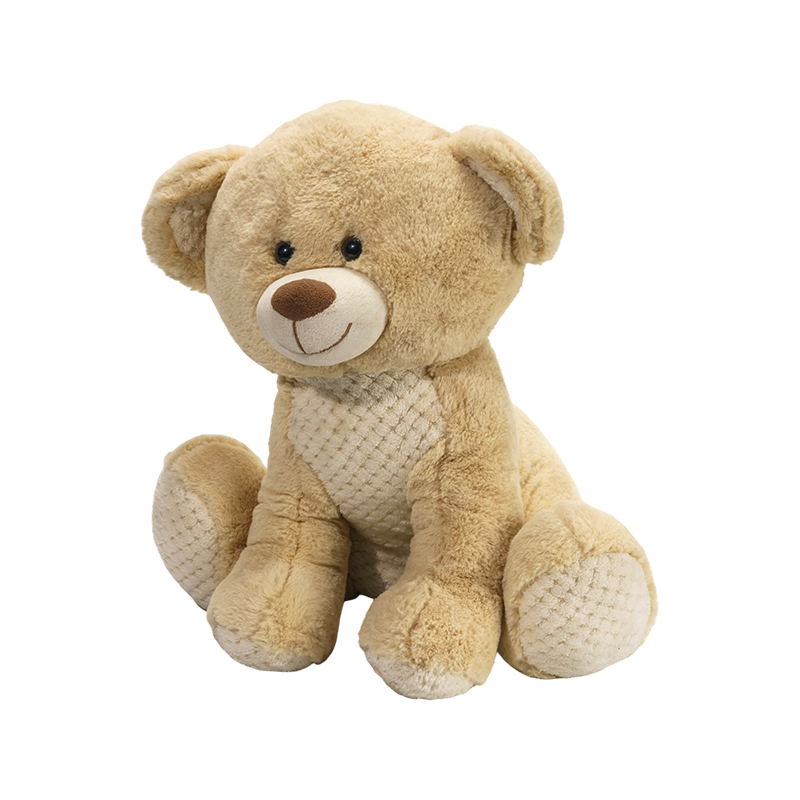
The teddy bear's origin story is inseparable from its cultural power. Named after President Theodore Roosevelt following a 1902 hunting trip, the bear became the first mass-produced stuffed animal and has never left the top position in the plush toy hierarchy. German manufacturer Steiff, which has been producing mohair and alpaca wool bears since 1902, operates at the luxury end of Classic Bears Plush Toys with individual pieces selling for hundreds to thousands of dollars at auction. A 1905 Steiff "Rod Bear" sold at Christie's in 2000 for USD 193,000, the highest price ever paid for a stuffed toy.
At mass-market level, the bear's dominance is maintained by its suitability across every gifting occasion: birth gifts, Valentine's Day, get-well gifts, graduation presents, and sympathy gestures all default to the bear with remarkable consistency. Retailers report that Classic Bears Plush Toys have the broadest age-appropriate gifting range of any toy category, suitable for recipients from newborns to centenarians, which creates a depth of market that no other animal category can fully replicate.
The Cottagecore Influence: Highland Cows, Chubby Sheep, and the Pastoral Aesthetic Boom
The "cottagecore" aesthetic movement, which peaked on TikTok and Pinterest between 2020 and 2023 and continues to maintain a devoted following, has been a powerful commercial catalyst for Farm Animals Plush Toys. The movement idealizes rural, pastoral life and celebrates imagery of wildflower meadows, rustic ceramics, and farm animals as symbols of simplicity and emotional warmth. Within this aesthetic framework, the Highland cow plush toy became one of the most-searched plush products of 2022 and 2023, with Jellycat's Dashing Highland Cow selling out repeatedly and independent makers creating months-long waitlists for hand-sewn versions.
Chubby sheep, pink piglets with curly tails, and oversized chickens have followed the Highland cow into mainstream popularity, all sharing the characteristic cottagecore quality of being simultaneously rustic and impossibly adorable. Farm Animals Plush Toys in this aesthetic register function as lifestyle objects as much as toys, appearing in bedroom "shelf-scapes," coffee shop decorations, and backdrop arrangements for food photography. The commercial result has been a sustained multi-year growth phase for farm animal plush across retailers from independent gift shops to major chains like Anthropologie and Urban Outfitters.
Nostalgia Marketing: The Psychological Power of Traditional Designs in a Digital Age
Nostalgia is one of the most potent emotional drivers in consumer behavior, and Classic Bears Plush Toys and Farm Animals Plush Toys are among its primary beneficiaries. Research in the Journal of Consumer Research has established that nostalgia increases willingness to pay, strengthens brand attachment, and creates a sense of social connectedness that digital products rarely replicate. Manufacturers have learned to activate this nostalgia deliberately through design choices: the slightly worn look of vintage bears, the use of traditional corduroy and velvet fabrics, and the inclusion of classic stitched features that evoke childhood memories of specific beloved toys.
Collaborations between classic toy brands and fashion houses have reinforced this dynamic. Steiff's collaborations with Dior and Louis Vuitton produced limited-edition bears that commanded prices of USD 500 to USD 2,000 and sold out immediately, demonstrating that the bear's cultural authority is strong enough to translate into the luxury fashion world. These collaborations also introduce Classic Bears Plush Toys to entirely new consumer demographics: fashion-forward adults who would never visit the toy aisle but are motivated by the brand association and the collectible investment angle.
How the Fantasy Animal Plush Toys Category Is Expanding the Boundaries of Imagination
Fantasy Animal Plush Toys represent the fastest-growing major segment within the broader plush market, with annual growth rates estimated at 18 to 22 percent between 2020 and 2024 — significantly outpacing the overall market rate of approximately 7 percent. The category's expansion is driven by a combination of pop culture influence, technological integration, and the collector subculture's appetite for exclusivity. Dragons, unicorns, phoenixes, and increasingly elaborate hybrid creatures have become a distinct aesthetic and commercial language within the plush world.
Mythical Hybrid Designs: Cat-Dragons, Winged Axolotls, and the New Creature Vocabulary
The most culturally significant development in Fantasy Animal Plush Toys over the past five years has been the explosive popularity of hybrid creature designs that combine two or more animals into impossible but deeply appealing chimeras. The "cat-dragon" — typically depicted as a fluffy, round-faced feline body with small dragon wings, horns, and a scaled tail — became a defining product of the 2021 to 2024 period, appearing across independent plush artists, manufacturer catalogs, and fan merchandise stores. Similarly, winged axolotls, fox-rabbits, and deer-unicorn hybrids have developed devoted followings driven by their appearance in indie games, animation, and fan fiction communities.
These hybrid designs thrive because they allow makers to combine the recognizable comfort of familiar animals with the aspirational wonder of mythical creatures, creating Fantasy Animal Plush Toys that feel both emotionally warm and genuinely novel. The design language also offers unlimited creative variation: every maker can produce a unique interpretation, making the space naturally resistant to monopolization by any single brand. On Etsy alone, searches for "dragon plush" return over 40,000 active listings, with the top sellers regularly achieving sales of over 1,000 units per design.
Interactive and Smart Features: LEDs, Sound Modules, and the Living Dragon Effect
Technology integration has elevated Fantasy Animal Plush Toys from passive comfort objects to interactive play companions. The integration of LED lighting into dragon and unicorn plush toys, particularly in horns, eyes, and wing membranes, creates a luminous quality that is particularly effective in darkened environments and has become a popular feature for nighttime comfort objects. More sophisticated products incorporate NFC chips, pressure sensors, and miniaturized sound modules that produce roars, purring, or magical chime sounds when squeezed.
The "interactive dragon" category, led by products like WowWee's Fingerlings Dragons and various Chinese-manufactured LED dragon plush lines, has demonstrated that technology integration does not necessarily drive up price to the point of inaccessibility. LED-equipped fantasy plush toys retailing between USD 25 and USD 60 have shown the strongest volume growth in the interactive plush segment, suggesting that moderate technology enhancement at an affordable price point is the sweet spot for maximizing market penetration. Higher-end interactive products incorporating app connectivity and animatronics occupy a separate premium niche but carry significantly higher return rates due to technical complexity.
Collectors' Limited Editions: Blind Boxes and Rare Drops in the Fantasy Plush Subculture
The "blind box" mechanic, imported from Japanese gashapon culture and popularized in the Western market primarily by Pop Mart and its Labubu characters, has been enthusiastically adopted by the Fantasy Animal Plush Toys sector. Blind box fantasy plush sets, where the buyer does not know which specific creature variant they will receive until the package is opened, create a gambling-adjacent excitement loop that drives repeat purchase behavior and social media unboxing content.
Limited edition "rare drops" with production runs of 100 to 500 units are particularly effective in building collector communities around fantasy plush brands. Companies like Dragon Quest plush licensees, independent artists operating through platforms like Makeship, and boutique fantasy toy brands routinely sell out rare Fantasy Animal Plush Toys drops within hours of announcement, with secondary market resale prices frequently reaching two to five times the original retail price. The secondary resale market for limited-edition fantasy plush is estimated to have exceeded USD 200 million in 2023, indicating that the collector dynamic has created genuine financial value within the category beyond standard retail transactions.
Why Capybara Plush Toys Have Become the Unrivaled Icon of the Animal Plush Toy World
Of all the creatures to achieve cultural dominance in the plush toy world in the 2020s, none has done so more dramatically or more surprisingly than the capybara. Capybara Plush Toys went from a niche novelty item to one of the top-ten searched plush categories on major retail platforms between 2022 and 2024, a trajectory unprecedented for a single animal species in the modern plush market. Understanding this phenomenon requires examining the cultural, psychological, and commercial forces that converged to elevate a large South American rodent to global icon status.
The Capybara State of Mind: Decoding the Cultural Obsession With Calm Energy
The capybara's cultural ascendancy is rooted in a specific set of viral video content that circulated heavily on TikTok, Twitter, and YouTube between 2021 and 2023. These videos consistently showed capybaras in their natural social role as the animal world's great equalizer: resting contentedly while birds perched on their backs, sharing fruit with monkeys at wildlife sanctuaries, and sitting in warm springs with expressions of unshakeable tranquility while other animals jostled around them. The capybara's face, naturally arranged into what appears to be a serene, mildly amused expression, became the visual representation of a specific emotional aspiration that resonated powerfully with stressed, digitally fatigued young adults.
The phrase "capybara energy" entered informal vocabulary as a way of describing the state of being unbothered by chaos, comfortable in one's own skin, and universally accepted by peers — qualities that were celebrated as aspirational in a social media environment characterized by anxiety, comparison, and performative intensity. The hashtag #capybara accumulated over 8 billion views on TikTok by the end of 2023, an extraordinary figure for a single animal species and the direct cultural driver of demand for Capybara Plush Toys as physical embodiments of the "capybara state of mind."
Functional Quirks: Transformative Designs With Removable Accessories Drive Repeat Purchases
One of the most commercially clever developments in Capybara Plush Toys has been the integration of functional accessories and transformative design features that justify both premium pricing and repeat purchase behavior. Capybara plush with removable miniature backpacks — able to store small items, notes, or additional tiny plush toys — became a category-defining hit after going viral on multiple platforms in 2022. The combination of the beloved base animal with a genuinely useful or playful functional element created a product that appealed simultaneously to the animal's fan base, the "desk accessory" market, and buyers seeking gifts with an interactive element.
Magnetic accessories represent another successful functional innovation: Capybara Plush Toys with magnetic attachment points allow owners to dress their capybara in interchangeable fruit hats (a visual reference to the viral videos showing capybaras wearing citrus rinds as impromptu headwear), saddle blankets, and seasonal costume accessories. Accessory packs for Capybara Plush Toys have created an ongoing revenue stream for manufacturers, with accessory set sales growing the average customer lifetime value significantly beyond the initial plush purchase price.
Social Media Virality: How Short-Form Video Built a Multi-Million Dollar Plush Category
The commercial story of Capybara Plush Toys is a definitive case study in how short-form video content on platforms like TikTok, Instagram Reels, and YouTube Shorts can create product categories from near-zero demand in an accelerated timeframe. In 2019, capybara plush toys were a minor novelty item with minimal search volume and limited retail presence. By 2023, major plush manufacturers including Aurora World, Jellycat (with their Cordy Roy Capybara), and dozens of Asian manufacturers had dedicated capybara lines, and the search term "capybara plush" was generating millions of monthly searches globally.
The mechanism was straightforward: creators on TikTok and Instagram began pairing capybara video content with product hauls featuring newly purchased Capybara Plush Toys, creating an aspirational feedback loop where viewers who had absorbed the "capybara energy" cultural message were then shown the physical product that represented it. This creator-driven product discovery pathway, sometimes called "TikTok Made Me Buy It" commerce, drove an estimated USD 50 to USD 80 million in incremental Capybara Plush Toy revenue between 2022 and 2024, making it one of the most successful examples of organic social commerce in the broader toy category.
The Broader Trends Shaping the Future of the Animal Plush Toy Market
Looking across the full spectrum from Classic Bears Plush Toys and Farm Animals Plush Toys to the newest Fantasy Animal Plush Toys and Capybara Plush Toys, several overarching trends emerge that will define the category's development over the coming decade. These trends illuminate not just what consumers are buying but why the plush toy has proven so resistant to disruption and so capable of continuous reinvention.
The "Kidult" Demographic: Adults Are Now the Growth Engine
The toy industry uses the term "kidult" to describe the growing segment of adult consumers who purchase toys for their own use rather than for children. This demographic now accounts for an estimated 26 percent of total global toy sales, and within the Animal Plush Toy category, the adult share is even higher, particularly in the premium, collector, and emotionally-motivated purchase segments. The kidult shift has raised the average transaction value for plush toys significantly, as adults have more disposable income and are more willing to invest in quality materials, unique designs, and collectible editions than gift-buyers purchasing for children.
Retailers have responded by elevating the retail environments in which plush toys are presented. Dedicated "plush boutiques" within larger department stores, pop-up experiences for collector drops, and the migration of premium plush brands into home goods and lifestyle retail channels have all repositioned the Animal Plush Toy as an adult lifestyle product. This repositioning is not a rebranding trick: it reflects a genuine behavioral shift in how adults relate to soft, tactile animal objects as sources of comfort, identity expression, and aesthetic pleasure.
Cross-Category Gifting: Plush Animals as Universal Emotional Currency
One of the structural advantages of Animal Plush Toys over virtually every other gift category is their emotional universality. A plush animal communicates warmth, care, and affection without requiring the giver to know the recipient's size, taste in jewelry, dietary preferences, or reading habits. This makes the Animal Plush Toy a remarkably low-risk gift choice that carries high emotional return — a combination that sustains repeat gift purchases across birthdays, holidays, get-well occasions, and sympathy gestures year after year.
The gifting segment accounts for an estimated 65 to 70 percent of all premium plush toy purchases, reinforcing the category's position as a cornerstone of the gift industry rather than merely a segment of the toy market. This distinction matters commercially because the gift market is driven by occasion calendars, emotional events, and personal relationships rather than by play trends or child development stages, giving plush animals a stability and predictability of demand that other toy categories lack.
IP Collaboration and Media Tie-Ins: The Franchise Power of Animal Characters
Licensed character plush toys, particularly those based on animal characters from films, television series, and video games, represent a substantial commercial pillar of the Animal Plush Toy market. Pikachu (Pokémon), Toothless (How to Train Your Dragon), and various characters from Bluey, Encanto, and Studio Ghibli films generate annual plush toy revenues running into the hundreds of millions of dollars through licensing agreements with major manufacturers. The animal character format translates especially well to plush because it allows designers to retain a character's recognizable identity while maximizing softness and huggability.
The rise of independent entertainment properties on YouTube, Webtoon, and independent game platforms has also created a new tier of animal character licensing that benefits smaller plush manufacturers. Creators with audiences of 100,000 to 1,000,000 followers can successfully fund and sell licensed plush toys of their original animal characters through crowdfunding platforms and direct-to-consumer stores, creating a long-tail of commercially viable Animal Plush Toy properties that did not exist before the era of creator-owned IP.
Safety, Certification, and the Premium Trust Economy
As the Animal Plush Toy market has expanded and premiumized, consumer expectations around safety certifications and materials transparency have risen correspondingly. Parents purchasing for infants and young children demand CE certification (in Europe), ASTM F963 compliance (in the United States), and OEKO-TEX Standard 100 certification for dye and chemical safety in fabrics. For adult collectors, OEKO-TEX certification has also become a meaningful purchasing consideration, reflecting broader consumer awareness of chemical exposure from textiles.
Brands that prominently display certification information on product pages and packaging have demonstrated measurably higher conversion rates in competitive digital retail environments, suggesting that safety and materials transparency have become genuine commercial differentiators rather than mere compliance checkboxes. This creates a quality moat for brands that invest in certification, as it raises the cost and credibility threshold for low-quality competitors seeking to enter premium Animal Plush Toy market segments.
References
Grand View Research. (2024). Plush Toy Market Size, Share and Trends Analysis Report, 2024 to 2032. Grand View Research Inc.
Winnicott, D. W. (1953). Transitional objects and transitional phenomena. International Journal of Psycho-Analysis, 34, 89 to 97.
Krishna, A. (2012). An integrative review of sensory marketing: Engaging the senses to affect perception, judgment and behavior. Journal of Consumer Psychology, 22(3), 332 to 351.
Sedikides, C., Wildschut, T., Arndt, J., and Routledge, C. (2008). Nostalgia: Past, present, and future. Current Directions in Psychological Science, 17(5), 304 to 307.
The NPD Group. (2023). 2023 Global Toy Industry Report: Kidult Segment Analysis. NPD Group Consumer Insights Division.
OEKO-TEX Association. (2023). OEKO-TEX Standard 100: Testing for Harmful Substances in Textiles. OEKO-TEX Association Publications.
Ugly Animal Preservation Society. (2013). Official Announcement: The World's Ugliest Animal Mascot Selection. British Science Festival, Newcastle.
Etsy Inc. (2023). Annual Trend Report: Search and Purchase Behavior in the Handmade Toy and Plush Category. Etsy Seller Intelligence Publications.
TikTok Newsroom. (2023). Year in Review: Top Trending Animal and Wildlife Content Hashtags 2023. ByteDance Ltd.
Christie's Auction House. (2000). Toys and Childhood Memorabilia Sale: Record Prices for Vintage Steiff Bears. Christie's Sale Catalogue, London, December 2000.