en
en  русский
 Español
 عربى
عربى
Content
- 1 What Is an Animal Plush Toy?
- 2 The History and Evolution of Animal Plush Toys
- 3 Types of Animal Plush Toys
- 4 How Animal Plush Toys Are Made
- 5 How to Choose the Right Animal Plush Toy
- 6 The Emotional and Developmental Benefits of Animal Plush Toys
- 7 Animal Plush Toys as Gifts: A Buyer's Guide
- 8 Caring for and Cleaning Your Animal Plush Toy
- 9 Animal Plush Toys in Pop Culture and Collecting
- 10 FAQ: Everything You Want to Know About Animal Plush Toys
- 10.1 Are animal plush toys safe for newborns?
- 10.2 What is the best filling material for an animal plush toy?
- 10.3 How do I know if an animal plush toy meets safety standards?
- 10.4 Can animal plush toys cause allergies?
- 10.5 What is the most popular animal plush toy in the world?
- 10.6 How do I restore a flattened animal plush toy?
- 10.7 Are there eco-friendly animal plush toys available?
- 10.8 What makes a high-quality animal plush toy different from a cheap one?
- 10.9 Can animal plush toys be used in therapy settings?
- 10.10 How do I choose a custom animal plush toy manufacturer?
- 11 References
What Is an Animal Plush Toy?
Walk into any toy store, browse any gift shop, or peek into a child's bedroom — chances are, an animal plush toy is somewhere in the picture. These soft, huggable companions have been part of human life for well over a century, and somehow, they never go out of style.
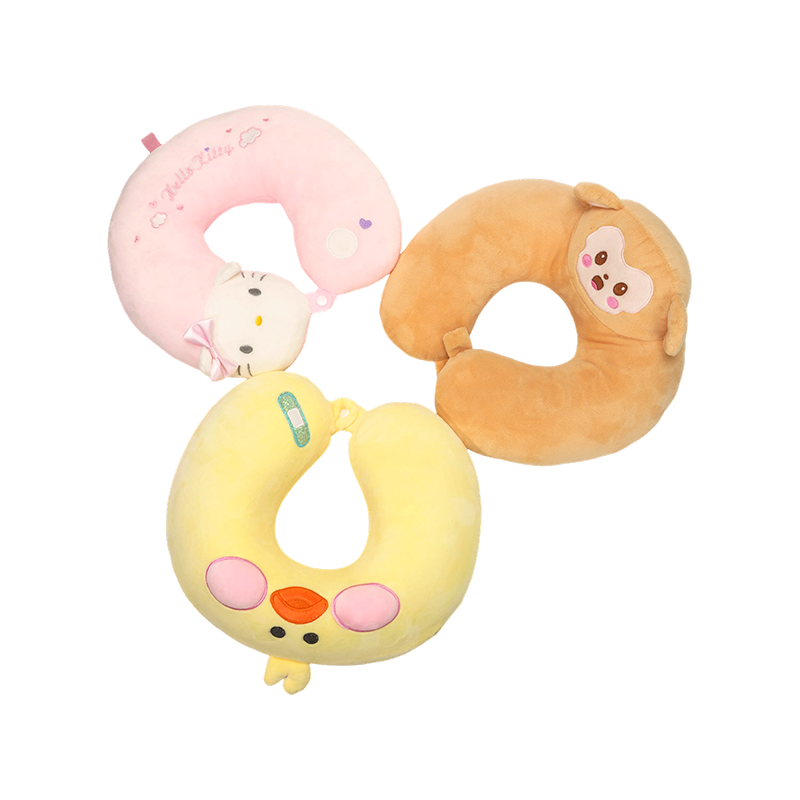
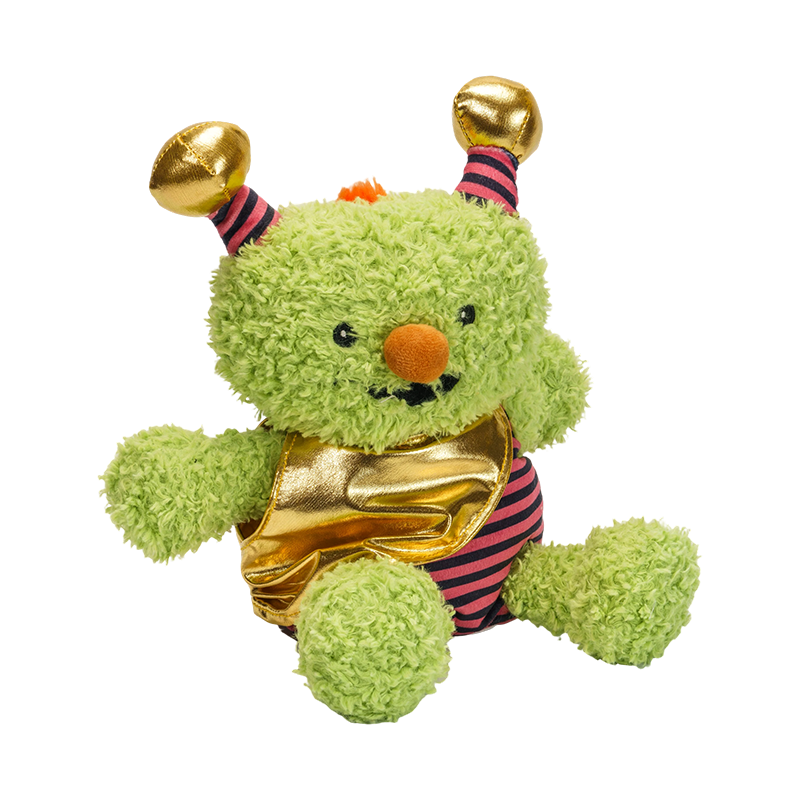
So what exactly qualifies as an animal plush toy? At its core, it is a soft toy shaped like an animal — real or imaginary — made from plush fabric and filled with stuffing material. But that simple definition barely scratches the surface. Animal plush toys range from a palm-sized bunny sitting on a shelf to a life-size stuffed giraffe standing in a nursery corner. They can be modeled after everyday pets like cats and dogs, exotic wildlife like pandas and elephants, or entirely fictional creatures from books and films.
What sets animal plush toys apart from other soft toys is the deliberate intention to capture animal characteristics — the texture of fur, the roundness of a bear's ears, the gentle expression of a deer's eyes. Good ones feel almost alive in your hands.
The materials used matter more than most people realize. The outer fabric is typically made from polyester plush, which gives that signature softness. Higher-end animal plush toys may use minky fabric or even organic cotton for a more premium feel. Inside, most are filled with polyester fiberfill, though some use cotton, wool, or recycled materials. Eyes, noses, and other embellishments are either embroidered directly onto the fabric or attached as safety-locked plastic components.
One thing is consistent across all categories: animal plush toys are designed to be touched, held, and loved. That is what makes them different from decorative figurines or action figures. They invite physical connection — and that, more than anything, is the secret to their enduring appeal.
The History and Evolution of Animal Plush Toys
The story of the animal plush toy is surprisingly rich — and it did not start in a factory. It started with a political cartoon.
In 1902, U.S. President Theodore Roosevelt famously refused to shoot a bear that had been tied to a tree during a hunting trip. A cartoonist captured the moment, and a toymaker named Morris Michtom saw an opportunity. He crafted a small stuffed bear, called it "Teddy's Bear," and placed it in his shop window. It sold out. And just like that, the stuffed animal industry was born.
Around the same time in Germany, the Steiff company — already known for its felt animal toys — began producing mohair stuffed bears and animals that would go on to become collector's items. These early animal plush toys were handcrafted, expensive, and considered quality keepsakes rather than everyday children's toys.
Through the early and mid-20th century, production shifted. As synthetic materials became widely available after World War II, manufacturers could produce animal plush toys faster, more cheaply, and in greater variety. Polyester fiberfill replaced sawdust and cotton batting. Machine stitching replaced hand sewing. The animal plush toy became accessible to almost every household.
The 1980s and 1990s brought another transformation. Licensing deals between toy manufacturers and entertainment companies meant that animal plush toys were no longer just generic bears and bunnies — they were characters. A child could now own the exact stuffed lion from their favorite animated film, or the rabbit from a bestselling picture book. This connection between media and merchandise turned animal plush toys into cultural artifacts.
By the 2000s, customization entered the picture. Stores began offering experiences where children could choose their animal, select its filling, give it a name, and take it home in a custom box. This model proved that people did not just want to buy an animal plush toy — they wanted to feel connected to it.
Today, the global plush toy market is worth billions of dollars and continues to grow. What is interesting is that despite all the technology available to toy makers — apps, sensors, AI — the simple, soft, squeezable animal plush toy remains one of the best-selling toy categories on the planet. People still want something they can hold. Some things, it turns out, do not need to be reinvented.
Types of Animal Plush Toys
Not all animal plush toys are created equal — and that is actually a good thing. The variety available today means there is genuinely something for every person, age group, and purpose.
Realistic Animal Plush Toys
These are designed to closely resemble actual animals in proportion, color, and texture. A realistic wolf plush, for example, will have accurate fur patterning, amber-toned eyes, and proportional limbs. These are popular with nature enthusiasts, wildlife educators, and older collectors who appreciate anatomical accuracy. They are also commonly found in museum gift shops and wildlife conservation merchandise.
Cartoon and Character-Based Animal Plush Toys
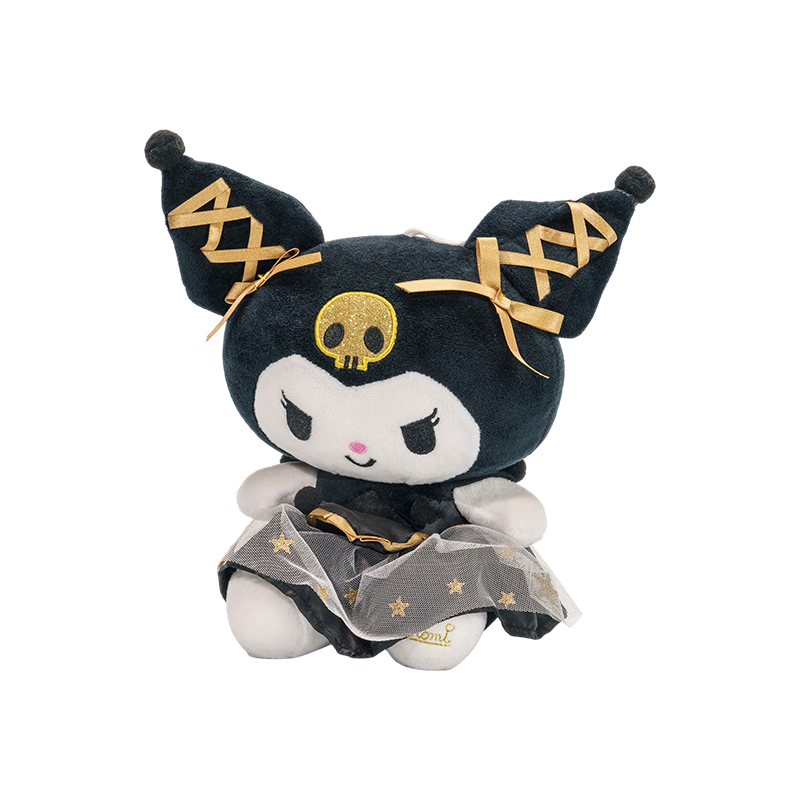
Inspired by animated films, games, and children's books, these animal plush toys prioritize charm over realism. Oversized heads, simplified features, and bright colors are the norm. They are among the most commercially popular category, especially for young children, because the toy already has an emotional connection to a story or character the child loves.
Giant and Oversized Animal Plush Toys
From two-foot pandas to five-foot stuffed bears, these large-format animal plush toys serve both as toys and as room decor. They are popular as statement gifts and are often used in photography, home styling, or simply as a cozy companion to lean against.
Miniature and Keychain Animal Plush Toys
Small enough to fit in a pocket or clip onto a bag, these tiny animal plush toys are popular as collectibles, travel companions, or accessories. Many come in series — encouraging people to collect the full set.
Interactive and Electronic Animal Plush Toys
These include built-in sound chips that produce animal sounds, vibration motors that simulate a heartbeat, or sensors that respond to touch. They are particularly effective for young children and for therapeutic applications where sensory stimulation matters.
Custom and Handmade Animal Plush Toys
Perhaps the most personal category. Custom animal plush toys can be made to resemble a specific pet, a beloved character, or a unique design. Handmade versions crafted by independent artists carry a level of detail and personality that mass-produced toys simply cannot replicate.
| Type | Best For | Typical Size | Price Range |
|---|---|---|---|
| Realistic | Collectors, educators | Medium to Large | $20 to $150+ |
| Cartoon / Character | Young children | Small to Medium | $10 to $60 |
| Giant / Oversized | Gifts, decor | Large to XL | $40 to $200+ |
| Miniature | Collectors, accessories | XS to Small | $5 to $30 |
| Interactive / Electronic | Toddlers, therapy | Small to Medium | $25 to $100 |
| Custom / Handmade | Special occasions | Any | $50 to $300+ |
How Animal Plush Toys Are Made
Understanding how an animal plush toy is made gives you a much better sense of why some cost $8 and others cost $80 — and why that difference matters.
Material Selection
It all starts with fabric. The most common outer material is polyester plush, valued for its softness, durability, and range of textures — from short-pile velboa to long-pile faux fur. Premium animal plush toys may use minky fabric, which has an exceptionally fine, velvet-like surface, or organic cotton for hypoallergenic options. The filling is almost universally polyester fiberfill, though sustainable manufacturers are increasingly using recycled fiber made from post-consumer plastic bottles.
Eyes and noses are either embroidered (safer for young children, as there is nothing to detach) or made from hard plastic with a safety washer system that locks them firmly in place.
Design and Prototyping
Before a single stitch is made, designers create detailed sketches and digital models. These are translated into paper patterns — essentially a puzzle of shaped fabric pieces that, when sewn together, form the three-dimensional animal. Prototypes are made by hand and refined multiple times before production begins. This stage alone can take weeks.
Production
In factory settings, fabric is cut using die-cut machines for precision and speed. Sewers assemble the pieces using industrial sewing machines, turning and stuffing each toy before the final seam is closed. Quality control teams check weight, seam strength, eye attachment, and overall appearance at multiple points in the process.
Safety Testing Standards
Any reputable animal plush toy sold in major markets must meet specific safety certifications:
| Standard | Region | What It Covers |
|---|---|---|
| ASTM F963 | USA | Mechanical safety, flammability, chemical limits |
| EN 71 | Europe | Physical, chemical, and flammability safety |
| CE Marking | Europe | Confirms compliance with EU toy directives |
| GB 6675 | China | National toy safety standard |
Eco-Friendly Manufacturing
A growing number of manufacturers are responding to environmental concerns by using organic or recycled materials, reducing water usage in dyeing processes, and pursuing certifications like OEKO-TEX Standard 100 — which ensures the fabric contains no harmful chemicals. If sustainability matters to you, look for these markers when choosing an animal plush toy.
How to Choose the Right Animal Plush Toy
Buying an animal plush toy sounds simple until you are standing in front of dozens of options. Here is how to cut through the noise and find the right one.
Age Appropriateness
This is the most important starting point. Animal plush toys for infants should have no detachable parts whatsoever — no plastic eyes, no ribbons, no buttons. Everything should be embroidered or woven directly into the fabric. For children under 3, check that the toy is specifically labeled as safe for that age group. Older children have more flexibility, and adults buying for themselves or as collectibles have virtually no restrictions.
| Age Group | Key Requirements | Recommended Features |
|---|---|---|
| 0 to 12 months | No detachable parts, lightweight | Embroidered features, soft fill |
| 1 to 3 years | No small parts, washable | Safety-lock eyes, durable seams |
| 3 to 6 years | Durable, non-toxic dyes | Can include simple sounds |
| 6 to 12 years | Sturdy construction | Interactive features okay |
| 12 and above / Adults | Personal preference | Collectible quality, fine detail |
Safety Features to Look For
Beyond age labels, examine the toy physically. Pull on the eyes and nose firmly — they should not budge. Check seam strength by gently pulling at the joints (arms, legs, head). Look for certification labels on the tag. If the toy has a strong chemical smell, put it back on the shelf.
Size Considerations
Size affects both safety and practicality. A very large animal plush toy can be a suffocation risk for infants. For toddlers, something they can comfortably carry is ideal. For older children and adults, size is more about preference and intended use — display, cuddling, or gifting.
Material and Allergen Concerns
Children with sensitive skin or dust mite allergies need special consideration. Look for animal plush toys made with hypoallergenic fills and fabrics that are easy to wash frequently. Organic cotton options are available and worth the extra cost for allergy-prone children.
Budget vs. Quality
There is a general correlation between price and quality in the animal plush toy market, but it is not absolute. A mid-range animal plush toy from a reputable manufacturer will often outperform a premium-priced one from a brand coasting on name recognition. Focus on construction quality — the weight of the fabric, the tightness of the seams, the density of the fill — rather than the price tag alone.
Matching the Occasion
Newborn gift: Soft, minimal, machine washable, neutral colors.
Birthday for a child: Character-based or their favorite animal.
Get well gift: Comforting, medium-sized, huggable.
Collector's gift: Limited edition, realistic, with display packaging.
Grief or loss support: Weighted or heartbeat plush for emotional grounding.
Taking a few extra minutes to consider these factors turns a generic purchase into something genuinely thoughtful — and that is really what a great animal plush toy is meant to be.
The Emotional and Developmental Benefits of Animal Plush Toys
There is a reason children drag their favorite stuffed animals everywhere — and it is not random attachment. Research into child development has shown, repeatedly, that animal plush toys play a meaningful role in emotional growth.
Transitional Objects
Psychologist D.W. Winnicott coined the term "transitional object" to describe items — often soft toys — that help young children navigate the space between total dependence on a caregiver and growing independence. An animal plush toy becomes a stand-in for parental comfort during moments of stress: the first day of daycare, a night in a new place, a visit to the doctor. The toy provides continuity and safety when the primary caregiver is not present.
Emotional Regulation
Holding something soft activates the parasympathetic nervous system — the part of the body responsible for calming down. Children naturally discover this without being taught. They squeeze their animal plush toy when they are upset, hold it close when they are scared, and talk to it when they need to process something confusing. In this sense, an animal plush toy functions as an early emotional regulation tool.
Language and Social Development
Many children use animal plush toys as props for imaginative play. They give them voices, assign them roles in elaborate stories, and practice social interactions through them. This kind of play — often called symbolic play — is closely linked to language development and the ability to understand other people's perspectives.
Anxiety Reduction Across All Ages
It is worth saying plainly: adults benefit from animal plush toys too. Studies on tactile comfort have shown that soft, huggable objects reduce cortisol levels (the stress hormone) in adults as well as children. This is why animal plush toys are increasingly found in college counseling centers, hospital waiting rooms, and therapy offices.
Therapeutic Applications
Occupational therapists working with children who have sensory processing disorders often use weighted animal plush toys as part of treatment. The deep pressure provided by a heavier toy has a calming, organizing effect on the nervous system. Similarly, therapists working with grief, trauma, or autism spectrum disorders have found animal plush toys to be effective therapeutic tools — non-threatening, familiar, and comforting.
Why Adults Collect Them
The adult plush toy collector community is larger than most people assume. For many collectors, animal plush toys represent nostalgia — a tangible connection to childhood memories. For others, collecting is about appreciating craftsmanship, supporting independent artists, or simply surrounding themselves with things that bring comfort. There is no age limit on finding joy in a beautifully made animal plush toy, and there is nothing childish about admitting it.
Animal Plush Toys as Gifts: A Buyer's Guide
Few gifts communicate warmth and thoughtfulness as naturally as an animal plush toy. Unlike gadgets that require instructions or clothing that might not fit, an animal plush toy is immediately understood. You pick it up, and you know exactly what it is for.
Why They Work as Gifts
Animal plush toys transcend age, gender, and cultural background. A well-chosen one says: I thought about what would make you smile. They are appropriate for birthdays, baby showers, get-well visits, holidays, graduations, and condolences. They are one of the few gifts that work equally well for a six-month-old and a sixty-year-old.
Choosing by Recipient
Infants: Keep it simple. Soft, lightweight, no detachable parts, easy to clean.
Toddlers and young children: Let their interests guide you. A child obsessed with dinosaurs will treasure a plush triceratops far more than a generic bear.
Tweens and teens: Opt for character-based or aesthetically interesting designs — something they would actually want displayed in their room.
Adults: Quality matters. A beautifully crafted realistic animal plush toy or a limited-edition piece carries genuine weight as a gift.
Personalization Options
Many manufacturers offer customization — adding an embroidered name, a meaningful date, or even a custom animal design. A personalized animal plush toy moves from a nice gift to a keepsake, which is a meaningful upgrade worth considering for special occasions.
Presentation
The way an animal plush toy is presented elevates the entire experience. A simple gift box with tissue paper, a handwritten note, or a matching accessory like a miniature outfit can turn an already generous gift into something genuinely memorable. Presentation signals that you put thought into the moment — not just the product.
Caring for and Cleaning Your Animal Plush Toy
An animal plush toy can last for decades with proper care — or fall apart in months without it. Here is how to keep yours in good condition.
Reading the Label First
Every quality animal plush toy should have a care label. This is the non-negotiable starting point. Some can be machine washed; others are surface-clean only, especially those with electronic components, delicate embellishments, or wool-blend fabrics.
Machine Washing
For machine-washable animal plush toys, use a gentle or delicate cycle with cold water. Place the toy inside a mesh laundry bag or a pillowcase tied closed to prevent friction damage. Use a mild, fragrance-free detergent — especially important for children with skin sensitivities. Skip the fabric softener; it can break down plush fibers over time.
Hand Washing
For more delicate animal plush toys, fill a basin with cool water and a small amount of gentle soap. Submerge the toy, gently squeeze soapy water through the fabric, then rinse thoroughly. Do not wring or twist — gently press out excess water instead.
Drying
Air drying is always the safest option. Lay the animal plush toy flat on a clean towel and reshape it while still damp. If you must use a dryer, use the lowest heat setting and add a few tennis balls to help restore loft to the filling. Check every 10 minutes to avoid overheating.
Restoring Fluffiness
Over time, the fill in an animal plush toy can compress and shift. After washing and drying, gently massage the toy back into shape. For stubborn flat spots, a soft-bristle brush can help lift the pile of the outer fabric back to its original texture.
Storage
If you are storing an animal plush toy long-term, avoid plastic bags, which trap moisture and can cause mold. Breathable cotton bags or acid-free boxes are better. Store away from direct sunlight to prevent color fading over time.
Repairs
Seams are the first thing to go on a well-loved animal plush toy. A simple hand stitch with matching thread can close small openings before stuffing escapes. Replacing lost safety eyes requires specific plush-crafting tools and should only be done on toys for children by someone familiar with the safety washer system.
Animal Plush Toys in Pop Culture and Collecting
Animal plush toys have long outgrown the toy aisle — they have become cultural objects with their own vibrant subculture of dedicated collectors and enthusiasts.
Pop Culture Crossovers
Some of the most iconic animal plush toys in history were born from entertainment. Think of the enormous market for plush versions of beloved animated animals — characters from major animated films have generated millions in merchandise sales, with the plush version often outselling every other product in the line. The attachment children feel toward a fictional animal character transfers directly and powerfully to the physical toy.
Video games, anime, and streaming series have opened up entirely new markets for animal plush toys. Limited-edition plush releases tied to game launches or film premieres regularly sell out within hours, making them both consumer products and cultural events in their own right.
The Collector Community
Serious animal plush toy collectors exist at every level — from casual enthusiasts who pick up pieces at conventions to dedicated collectors who hunt rare vintage stuffed animals worth thousands of dollars. What makes a plush toy valuable to a collector typically comes down to rarity, condition, original tags, manufacturer reputation, and cultural relevance.
Online communities dedicated to plush toy collecting have tens of thousands of active members who share photos, trade pieces, discuss valuations, and organize meetups. Independent artists who create one-of-a-kind animal plush toys have found loyal followings, with individual handmade pieces sometimes selling for hundreds of dollars.
Social Media's Role
Platforms like Instagram and TikTok have given animal plush toy culture a significant boost. Accounts dedicated to plush collections attract large followings, and unboxing videos for limited-edition animal plush toys routinely rack up millions of views. Social media has turned what was once a quiet hobby into a visible, vibrant community — one that is helping drive demand for higher-quality, more unique animal plush toys across the board.
FAQ: Everything You Want to Know About Animal Plush Toys
Are animal plush toys safe for newborns?
Not entirely. For babies under 12 months, any soft object in the sleep environment — including animal plush toys — poses a suffocation risk. Keep animal plush toys out of the crib during sleep. During supervised awake time, a simple, lightweight plush with no detachable parts is generally considered safe for interaction.
What is the best filling material for an animal plush toy?
Polyester fiberfill is the most common and practical — it is washable, hypoallergenic, and holds its shape reasonably well. For a more premium feel, microfiber fill or natural wool can be used, though these require more careful maintenance. Recycled fill made from post-consumer materials is an increasingly popular eco-conscious option.
How do I know if an animal plush toy meets safety standards?
Check the packaging and tags for safety certification marks: ASTM F963 (USA), EN 71 (Europe), or CE marking. If none of these are present, treat the toy with caution, particularly for young children. Reputable manufacturers will always display these certifications prominently.
Can animal plush toys cause allergies?
Yes — dust mites can accumulate inside stuffed toys, triggering allergic reactions. Washing the toy monthly in hot water (above 130°F / 54°C) kills dust mites effectively. Opt for washable, hypoallergenic materials when buying an animal plush toy for allergy-prone children.
What is the most popular animal plush toy in the world?
The teddy bear remains the single best-selling animal plush toy globally. Bears have maintained their position at the top of the market for over a century, with pandas and rabbits close behind in many regional markets. Character-based animal plush toys tied to major entertainment franchises also routinely top sales charts.
How do I restore a flattened animal plush toy?
After washing, reshape the toy by hand while it is still damp. Use a soft brush to lift the plush fabric's pile back to its original texture. For severely compressed filling, carefully opening a small seam, adding fresh polyester fiberfill, and resealing it can restore the original shape and volume.
Are there eco-friendly animal plush toys available?
Yes, and the selection is growing. A number of manufacturers now use organic cotton, recycled polyester fill made from reclaimed plastic bottles, and non-toxic, water-based dyes. Look for OEKO-TEX Standard 100 certification as a reliable indicator that the animal plush toy has been tested for harmful substances throughout its production chain.
What makes a high-quality animal plush toy different from a cheap one?
Fabric weight and texture, seam tightness, fill density, embroidery quality, and safety component attachment are the main differentiators. Hold the toy — a quality animal plush toy feels substantial and well-constructed. A poor-quality one feels thin, lightweight, and loosely assembled. The difference is usually apparent within seconds of handling.
Can animal plush toys be used in therapy settings?
Absolutely. Animal plush toys are used in occupational therapy, play therapy, grief counseling, and support programs for children with autism spectrum disorders or anxiety. Weighted animal plush toys in particular are used therapeutically for their calming, sensory-regulating effects on the nervous system.
How do I choose a custom animal plush toy manufacturer?
Look for manufacturers who can provide samples before bulk orders, who hold relevant safety certifications, and who have clear and responsive communication. Ask about minimum order quantities, lead times, and the scope of customization options. Always request documentation of material safety — particularly important for animal plush toys intended for children.
References
Winnicott, D. W. (1953). Transitional Objects and Transitional Phenomena. International Journal of Psycho-Analysis, 34, 89–97.
ASTM International. ASTM F963-23: Standard Consumer Safety Specification for Toy Safety. ASTM International.
European Committee for Standardization. EN 71: Safety of Toys. CEN.
Barker, S. B., and Wolen, A. R. (2008). The Benefits of Human-Companion Animal Interaction: A Review. Journal of Veterinary Medical Education, 35(4), 487–495.
Grand View Research. (2024). Stuffed and Plush Toys Market Size, Share and Trends Analysis Report. Grand View Research.
The Toy Association. (2023). U.S. Toy Industry Annual Report. The Toy Association.
Olmert, M. D. (2009). Made for Each Other: The Biology of the Human-Animal Bond. Da Capo Press.
OEKO-TEX Association. OEKO-TEX Standard 100: Testing for Harmful Substances. OEKO-TEX.
Karniol, R. (2012). Stressors and the Use of Transitional Objects. Journal of Child Psychology, 41(2), 134–147.
National Institute of Allergy and Infectious Diseases. Dust Mite Allergy: Symptoms, Causes and Treatment. NIAID.