en
en  русский
 Español
 عربى
عربى
Walk into any toy store and you will find soft dolls of every shape, size, and style — from yarn-haired cloth figures with embroidered smiles to velvety stuffed animals and licensed character plushies. Two terms that often come up in this space are rag doll and plush doll. While both are soft, huggable, and beloved by children and collectors alike, they are meaningfully different in origin, construction, materials, aesthetic, and purpose. Understanding these differences helps parents, gift-givers, and collectors make more informed choices — and deepens an appreciation for both forms as distinct traditions in the history of toys.
Defining a Rag Doll
A rag doll is, at its most fundamental, a doll made from scraps of fabric. Authoritative references define it as a cloth doll made from scraps of fabric — and the Oxford English Dictionary adds that it is usually handmade and crudely fashioned. The word "crudely" here is not a criticism but a descriptor of intentional simplicity: the charm of a rag doll lies precisely in its imperfect, handmade character. Seams may be visible, facial features are embroidered with thread or occasionally omitted entirely, and limbs are attached to the body in a basic, straightforward manner.
The main body of a traditional rag doll is constructed from everyday textile scraps — old shirts, bed sheet remnants, coarse cotton, or whatever fabric happened to be available. The filling is typically cotton batting, wool, or additional fabric scraps, making the doll light, soft, and fluffy. Faces, when present, are usually sewn or embroidered rather than molded, painted, or printed. Clothing is often stitched directly onto the body rather than made as a separate, removable garment.
What gives a rag doll its unmistakable character — the slight irregularity of a hand-stitched face, the patchwork mismatched fabrics, the soft formlessness of a stuffed cloth body — is precisely what comes from being handmade with care rather than engineered for precision. Psychological research has found that infants and young children feel more secure with imperfect but soft rag dolls because their tactile qualities evoke familiarity, and the visible traces of hand-craftsmanship convey a sense of warmth and personal care that mass-produced alternatives struggle to replicate.
Defining a Plush Doll
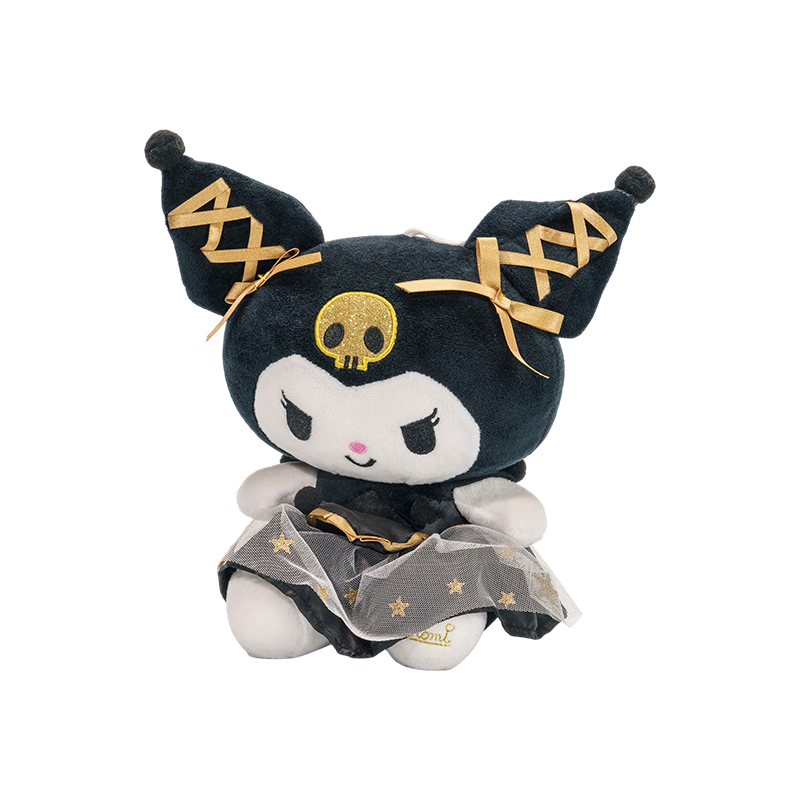
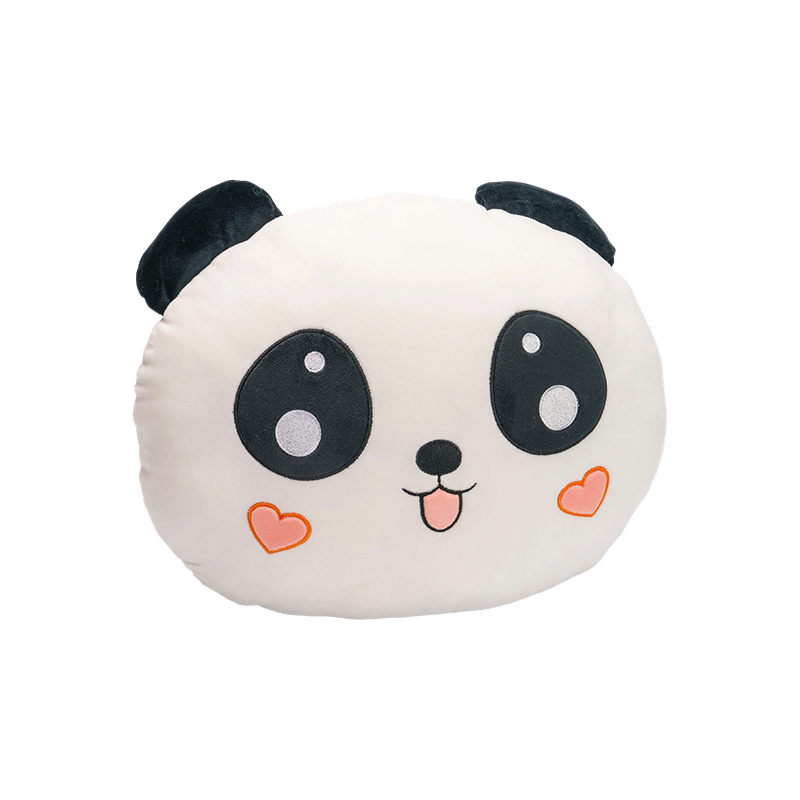
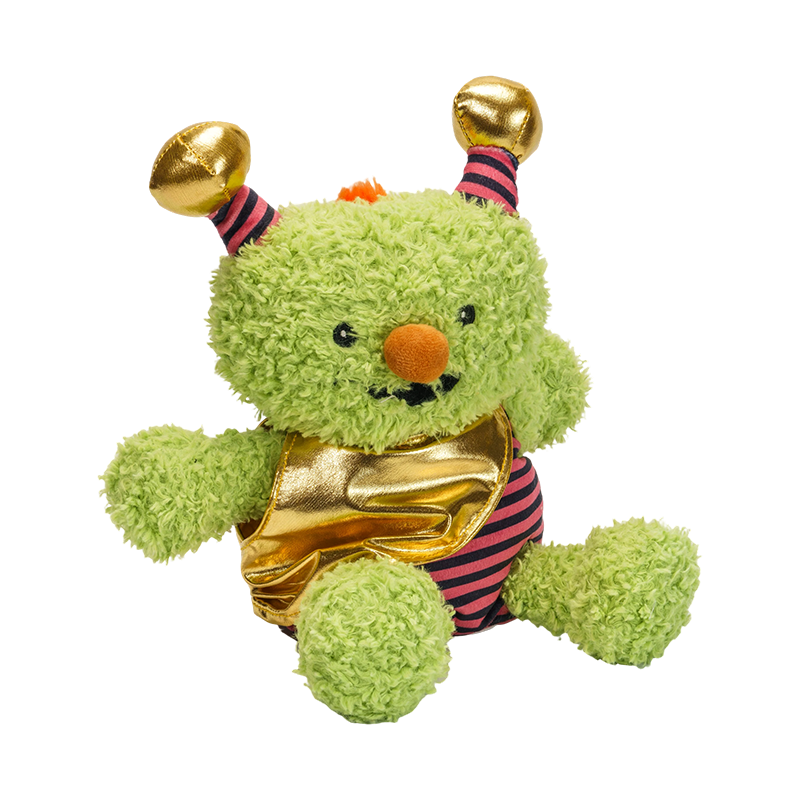
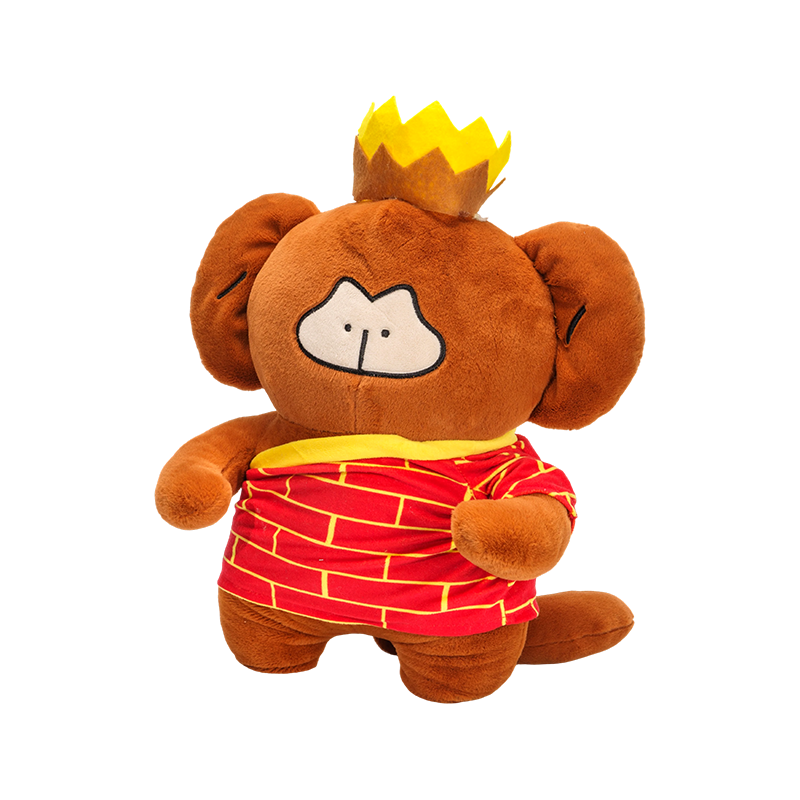
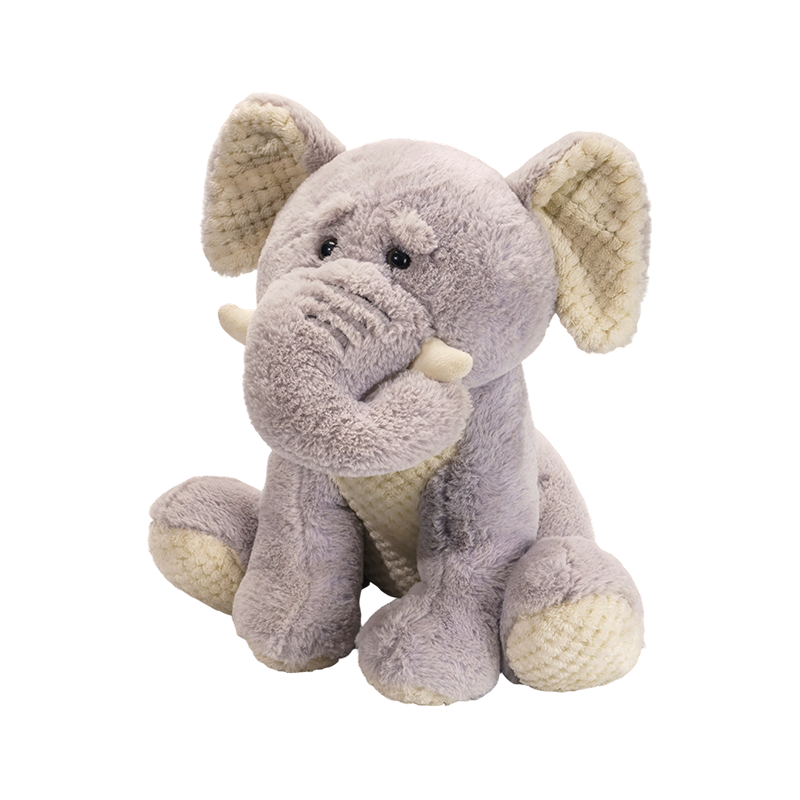
A plush doll is a soft stuffed figure made from plush fabric — a textile characterized by a dense, cut pile that creates a soft, fur-like surface texture. The word "plush" refers specifically to this fabric type, which is typically made from synthetic fibers such as polyester, though historically it was made from silk or mohair. The defining quality of a plush doll is its outer surface: that soft, velvety pile that gives the toy its characteristic feel and visual appeal.
Plush dolls are almost universally factory-produced using precision die-cut fabric pieces, industrial sewing, and machine-inserted synthetic stuffing (typically polyester fiberfill). This manufacturing process allows for consistent, highly detailed results — smooth curves, symmetrical features, and a polished, uniform appearance that hand-production cannot replicate at scale. Faces on plush dolls are commonly made from embroidered features, printed designs, or molded plastic safety eyes, giving them a more sculpted, defined look than the minimalist embroidered faces typical of rag dolls.
While rag dolls predominantly represent human figures, plush dolls more commonly take animal forms — bears, rabbits, cats, dogs, and fantastical creatures. This reflects both their origins and their strongest commercial territory. Plush toys also frequently represent characters from film, television, video games, and books, making licensed intellectual property one of the dominant forces in the modern plush toy market.
A Tale of Two Histories
The Ancient Origins of the Rag Doll
Rag dolls are among the oldest children's toys in recorded history. The British Museum holds a Roman rag doll found in a child's grave, believed to date somewhere between the 1st and 5th century AD. The earliest known example was discovered in Egypt and dates to the 1st century AD, made from scraps of rags and papyrus. In ancient Rome, dolls were made from clay, wood, ivory, and rags — and have been found in children's graves dressed according to the fashions of the time.
Throughout the centuries, rag dolls were made from whatever materials were available: fabric scraps, straw, corn husks, and old clothing. In America, from the colonial era up to the early twentieth century, children of various social classes played with dolls made from rags or corn husks. They were given to children as first toys, used as comfort objects, and served a practical educational purpose — children could learn to sew by making new clothing for their dolls from small fabric scraps. Mass production of rag dolls began around 1830, when fabric color printing was first developed, enabling the printing of doll faces and clothing patterns directly onto cloth.
One of the most famous rag dolls in history is Raggedy Ann, who first appeared in 1918 as the main character of a series of children's stories by Johnny Gruelle. Her brother Raggedy Andy followed in 1920. These characters, with their yarn hair, button eyes, and embroidered smiles, became the defining cultural image of the rag doll in the twentieth century and remain in production today.
The More Recent Emergence of the Plush Toy
Plush toys are a much more recent invention. The earliest modern stuffed toys were made in 1880, and they differed from earlier rag dolls in that they were made of plush fur-like fabric and commonly portrayed animals rather than humans. The teddy bear — arguably the most iconic plush toy in history — first appeared in 1902 and 1903, inspired simultaneously by American president Theodore Roosevelt's famous refusal to shoot a bear cub and by German toy manufacturer Steiff's introduction of a stuffed bear at the Leipzig Toy Fair.
The rise of synthetic fabrics in the mid-twentieth century transformed the plush toy industry. Polyester plush became the dominant material, offering consistent quality, easy maintenance, and a softness that natural materials struggled to match at industrial scale. With the advent of licensed character merchandise in the latter half of the twentieth century — and the explosion of film, television, and gaming franchises from the 1970s onward — the plush doll became one of the most commercially powerful toy categories in the world.
Key Differences: Rag Doll vs. Plush Doll
Materials and Construction
This is the most fundamental difference between the two types. Rag dolls are typically made from plain woven fabrics — cotton muslin, calico, felt, velvet, or stockinette — using fabric scraps as both the outer shell and the stuffing. The fabric has little to no surface pile; it is flat, smooth, or loosely woven. The construction is simple by design: basic sewn seams, stuffed interiors, and features added with thread or paint.
Plush dolls, by contrast, are defined by their outer fabric: the cut-pile plush textile that gives them their signature furry, velvety texture. The filling is typically polyester fiberfill — uniform, resilient, and machine-inserted. The manufacturing process involves die-cut fabric pieces assembled with precision, producing consistent shapes, dimensions, and surface appearances across thousands of identical units.
Aesthetic and Visual Character
Rag dolls have a deliberately rustic, nostalgic aesthetic. Their charm comes from visible imperfection — the slight irregularity of hand-stitched facial features, patchwork fabrics in mismatched patterns, yarn hair attached in loose bundles, and a general warmth that signals human hands were involved in their making. Even commercially produced rag dolls are designed to mimic this handmade quality, featuring simple features, soft cloth bodies, and patchwork-style clothing.
Plush dolls project a very different visual language: smooth surfaces, consistent proportions, vivid and uniform colors, and carefully designed facial features that convey specific expressions. They tend toward a polished, finished appearance that reflects their industrial origins. When a plush doll represents a character — say, a beloved cartoon animal — the design is engineered to be immediately recognizable and consistent across every unit produced.
Subject Matter: Human vs. Animal
Rag dolls have historically represented human figures. Their traditional form is a cloth human being — however simplified — complete with a head, face, body, arms, and legs. This humanoid quality is central to how children relate to rag dolls as nurturing companions and imaginary friends.
Plush dolls most commonly represent animals, mythical creatures, or anthropomorphized characters. While plush human-form dolls certainly exist, the plush format is most naturally suited to rounded, soft animal forms — the teddy bear being the archetype. When plush dolls represent characters from media, those characters are often themselves animals or fantastical beings, reinforcing this tendency.
Production: Handmade vs. Mass-Produced
Traditionally, rag dolls were handmade in the home. Families used old clothes, blankets, or fabric scraps to create one-of-a-kind toys for their children. Each doll was unique, reflecting the specific fabrics available and the individual skill of its maker. This handmade tradition persists today among craft makers, artists, and independent toy producers who continue to make rag dolls by hand as heirlooms, gifts, or collectibles.
Plush dolls are fundamentally a product of industrial manufacturing. While artisan plush makers exist, the category is dominated by factory production, often at enormous scale. A popular licensed plush character may be produced in the millions, with every unit virtually identical. This mass production is what makes plush toys affordable and universally accessible — but it also means they lack the individuality that defines a truly handmade rag doll.
Durability and Care
Both rag dolls and plush dolls are generally machine washable, making them practical choices for children's toys. Rag dolls, especially those made from natural cotton fabrics, tend to soften and develop character with washing and handling — their slight imperfections becoming more pronounced and endearing over time. They are also highly repairable: a loose seam or torn limb can be easily re-stitched, and worn fabric patches can be replaced with new scraps, often in a way that adds to the doll's charm rather than detracting from it.
Plush dolls can lose their surface texture with heavy washing and handling over time. The pile may flatten or pill, plastic safety eyes can become loose in older or lower-quality models, and the uniform perfection of a new plush toy gradually gives way to a more worn appearance. High-quality plush toys from reputable manufacturers are designed to withstand significant use, but they generally do not age as gracefully as a well-made rag doll.
Cultural and Emotional Significance
Rag dolls carry a deep cultural weight that plush toys, as a newer and more commercialized category, have not yet accumulated to the same degree. Traditional rag dolls from cultures around the world carry specific meanings and stories: the Motanka dolls of Ukraine and Poland, made by wrapping and tying fabric without needle or thread, are traditional amulets believed to bring good luck and protection. The faceless Amish dolls of America reflect religious values around humility and the avoidance of vanity. UNESCO has recognized traditional rag doll-making techniques from several regions as intangible cultural heritage, acknowledging their role in transmitting values, skills, and identity across generations.
Plush dolls, while enormously emotionally significant to individual children — a beloved stuffed bear can be one of the most important objects in a child's life — tend to derive their cultural meaning from the characters they represent rather than from the form itself. The emotional attachment a child forms with a plush toy is real and powerful, but it is typically tied to the character, the franchise, or the specific relationship with that individual toy rather than to the plush format as a cultural tradition.
Types of Rag Dolls
Within the rag doll category, several distinct subtypes exist, each with its own history and character:
- Traditional handmade rag dolls — Made from household fabric scraps, stuffed with cotton or wool, with simple embroidered or painted faces. These are the oldest and most historically universal form.
- Raggedy Ann-style dolls — The commercial archetype of the American rag doll: yarn hair, button or embroidered eyes, a wide painted smile, and a soft cotton body with printed clothing. First appearing in 1918, this style remains one of the most recognizable rag doll designs in the world.
- Amish dolls — Traditional American rag dolls made by Old Order Amish communities, distinguished by having no facial features at all. This reflects Amish religious values discouraging vanity and graven images.
- Motanka dolls — Traditional Ukrainian, Polish, and Belarusian amulet dolls made by wrapping and tying fabric without the use of a needle or sharp objects. They often have no facial features, sometimes with a cross instead, and were made with specific intentions — guarding the family, bringing prosperity, or blessing a marriage.
- Mexican Marias — Colorful rag dolls linked to the Otomi people of Querétaro, Mexico, dressed in traditional clothing and sold at markets as both toys and cultural artifacts.
- Corn husk dolls — Traditional Native American dolls made from dried corn leaves, traditionally made without a face, adopted by early European settlers and considered a variant within the broader rag doll family.
Types of Plush Dolls
- Classic stuffed animals — Bears, rabbits, cats, dogs, and other animals in plush form. The teddy bear is the foundational example of this category, dating to 1902.
- Licensed character plush — Plush versions of characters from films, television series, video games, and books. This is the dominant commercial force in the modern plush toy market, from cartoon animals to superhero figures to fantasy creatures.
- Plush human-form dolls — Soft-bodied dolls with plush outer fabric representing human characters, bridging the gap between the rag doll's humanoid tradition and the plush format's tactile qualities.
- Collector and artist plush — High-end plush toys designed for adult collectors, often limited-edition, made from premium mohair or specialty plush fabrics, and crafted with exceptional detail and artistry.
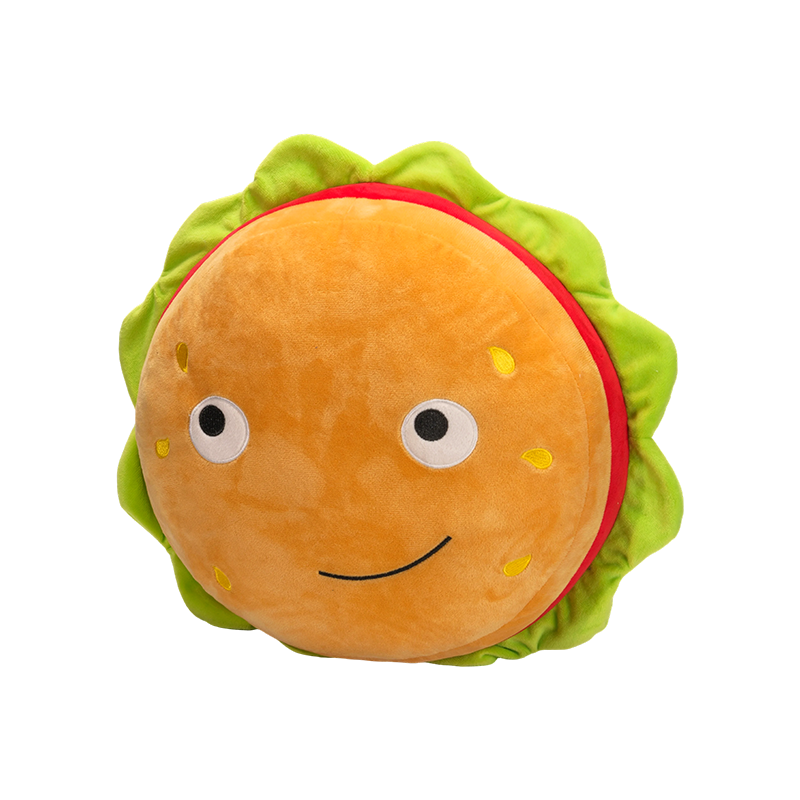
- Novelty and giant plush — Oversized or unusually shaped plush toys designed as décor, gifts, or novelty items rather than traditional play objects.
Choosing Between a Rag Doll and a Plush Doll
The right choice between a rag doll and a plush doll depends on several practical and personal considerations:
For newborns and very young infants, rag dolls are often the safer and more recommended option. Their construction avoids small parts — there are no plastic safety eyes, no hard components, and no pieces that can detach and become choking hazards. Their soft, pliable bodies also make them ideal as comfort objects for babies who grip and mouth everything around them.
For children who love animals or specific characters, a plush doll is almost certainly the more engaging choice. The ability to represent a beloved cartoon character, a specific animal species, or a favorite film protagonist with accuracy and tactile softness is where the plush format excels.
For heirloom gifts, cultural gifts, or meaningful presents, a handmade or artisan rag doll carries a depth of meaning and personal character that a mass-produced plush toy cannot replicate. A rag doll made with care — from quality fabric, with embroidered features and thoughtfully designed clothing — becomes an object that can be cherished for a lifetime and passed down through generations.
For sustainability-conscious parents, rag dolls offer significant advantages. They can be made from upcycled or organic natural fabrics, they are easily repaired rather than discarded, and they generate none of the microplastic shedding associated with synthetic plush fabrics. The growing interest in sustainable and eco-conscious toy choices has driven a meaningful resurgence in rag doll making, with small independent makers around the world reviving the craft with modern aesthetics and ethically sourced materials.
For collectors, both categories offer rich territory. Vintage rag dolls — especially early Raggedy Ann editions, regional folk dolls, and handmade examples with documented provenance — are sought-after antiques. Collector plush, particularly vintage Steiff pieces and limited-edition artist plush, commands high prices in specialized markets.
Where the Lines Blur: Modern Hybrid Dolls
The contemporary toy market has produced a growing number of dolls that intentionally blur the boundary between rag doll and plush doll. These hybrid designs typically feature a plush outer fabric — giving them the soft, tactile appeal of a plush toy — but are styled with the simplified facial features, yarn hair, and patchwork-inspired aesthetics associated with rag dolls. They aim to combine the nostalgic, handmade warmth of the rag doll tradition with the visual consistency and tactile richness of modern plush materials.
Similarly, many modern commercially produced rag dolls incorporate high-quality plush fabrics into their clothing or accessories, while some artisan plush makers hand-craft their toys in small batches in ways that deliberately echo the individuality of rag doll tradition. The categories are not rigid walls but points on a spectrum — and the most interesting toys often sit somewhere between them.
In essence, the difference between a rag doll and a plush doll comes down to materials, history, aesthetic, and intent. A rag doll is defined by its use of plain woven fabric scraps, its handmade character, its human form, and its roots in a craft tradition stretching back thousands of years across cultures. A plush doll is defined by its cut-pile plush textile, its industrial manufacturing, its more frequent representation of animals and characters, and its origins in the late nineteenth century.
Both types are soft, both are beloved, and both have earned their place as some of the most enduring objects in childhood. The rag doll speaks of resourcefulness, handcraft, and the warmth of something made by human hands with personal care. The plush doll speaks of imagination, character, and the tactile pleasure of an exceptionally soft, well-designed object. Understanding the difference between them does not require choosing sides — it simply adds depth to the experience of giving or receiving either one.