en
en  русский
 Español
 عربى
عربى
Content
- 1 Who Benefits from Weighted Anxiety Animals
- 2 Types of Weighted Anxiety Animals
- 3 Weighted Anxiety Animal Types at a Glance
- 4 Weight Guidelines: How Heavy Should It Be?
- 5 What to Look for When Buying a Weighted Anxiety Animal
- 6 Using Weighted Anxiety Animals Effectively
- 7 Weighted Animals in Therapeutic and Clinical Contexts
- 8 Making Your Own Weighted Anxiety Animal
Weighted anxiety animals — plush stuffed animals filled with weighted beads, pellets, or glass microbeads designed to deliver gentle, distributed pressure — have become one of the most quietly impactful tools in anxiety management for children and adults alike. Drawing on the same deep pressure stimulation principles as weighted blankets, these soft companions combine the therapeutic properties of weight therapy with the emotional comfort of a huggable, familiar form. This guide examines the science behind them, who benefits most, the full range of animal types and designs available, and what to look for when choosing one.
The therapeutic rationale behind weighted anxiety animals rests on a well-documented neurological response to sustained, distributed pressure on the body known as deep pressure stimulation (DPS). When gentle, even weight is applied to the skin and underlying tissues — through a weighted blanket, a compression garment, or a weighted stuffed animal held against the body — the autonomic nervous system shifts from a state of sympathetic activation (the stress response) toward parasympathetic dominance (the rest-and-digest state).
This shift is mediated in part by the release of serotonin and dopamine — neurotransmitters associated with mood regulation and calm — and by a reduction in cortisol, the primary stress hormone. Occupational therapists have used deep pressure techniques formally since the 1980s, building on the foundational work of Temple Grandin, who observed the calming effects of firm, distributed pressure in her own experience with autism and subsequently in clinical settings.
Multiple peer-reviewed studies have investigated deep pressure stimulation as an intervention for anxiety, autism spectrum conditions, sensory processing disorder, ADHD, and PTSD. A 2020 study published in the American Journal of Occupational Therapy found that deep pressure stimulation produced statistically significant reductions in anxiety measures across diverse populations. While weighted animals specifically have fewer dedicated clinical trials than weighted blankets, they employ the same mechanism of action and are increasingly included in occupational therapy protocols for children who respond better to a handheld, huggable form factor than to a full blanket.
Why the Animal Form Matters
The specific choice of a stuffed animal form — rather than a weighted pillow, lap pad, or blanket — is not incidental. Research in developmental psychology and clinical therapy consistently shows that huggable, anthropomorphised forms activate prosocial neurological responses associated with attachment and safety. Children and adults under stress instinctively reach for something soft and holdable. The weighted animal combines this instinctive comfort response with deliberate therapeutic pressure application, creating a tool that works on both emotional and physiological levels simultaneously.
Who Benefits from Weighted Anxiety Animals
Children with Anxiety Disorders
Generalised anxiety, separation anxiety, and school-related anxiety are among the most common presentations in children aged 4–14. A weighted animal provides an age-appropriate, stigma-free comfort tool that can travel with the child to school, medical appointments, or new environments.
Autism Spectrum Conditions
Sensory-seeking behaviour and difficulty with self-regulation are hallmarks of many autistic experiences. Weighted animals provide the proprioceptive input that many autistic individuals find genuinely regulating, in a socially acceptable, portable form that also supports communication through play and storytelling.ADHD and Attention Difficulties
Deep pressure stimulation has been shown to reduce hyperactivity and increase on-task behaviour in children with ADHD. A weighted lap animal during desk work, reading, or screen time provides gentle proprioceptive input that supports sustained attention.
Sleep Anxiety and Bedtime Fears
Bedtime is a peak anxiety window for many children and some adults. A weighted stuffed animal placed on the chest or held against the body during sleep onset mimics the deep pressure of a weighted blanket in a form that feels safe, familiar, and child-directed rather than imposed.
Medical and Hospital Settings
Procedural anxiety — fear of needles, scans, examinations — is a significant barrier to paediatric healthcare. Weighted anxiety animals are used by child life specialists in hospital settings to reduce pre-procedural anxiety and support children during and after medical interventions.
Adults and Older Users
Adults managing anxiety disorders, PTSD, chronic stress, or sensory processing differences increasingly use weighted animals — particularly as desk companions, travel accessories, or bedside comfort objects — without the stigma that once surrounded such products for grown users.
Types of Weighted Anxiety Animals
The market for weighted anxiety animals has expanded dramatically, offering a wide spectrum of animal types, sizes, weight ranges, and feature sets. Understanding the main categories helps narrow the selection to what will genuinely work for a specific person and context.
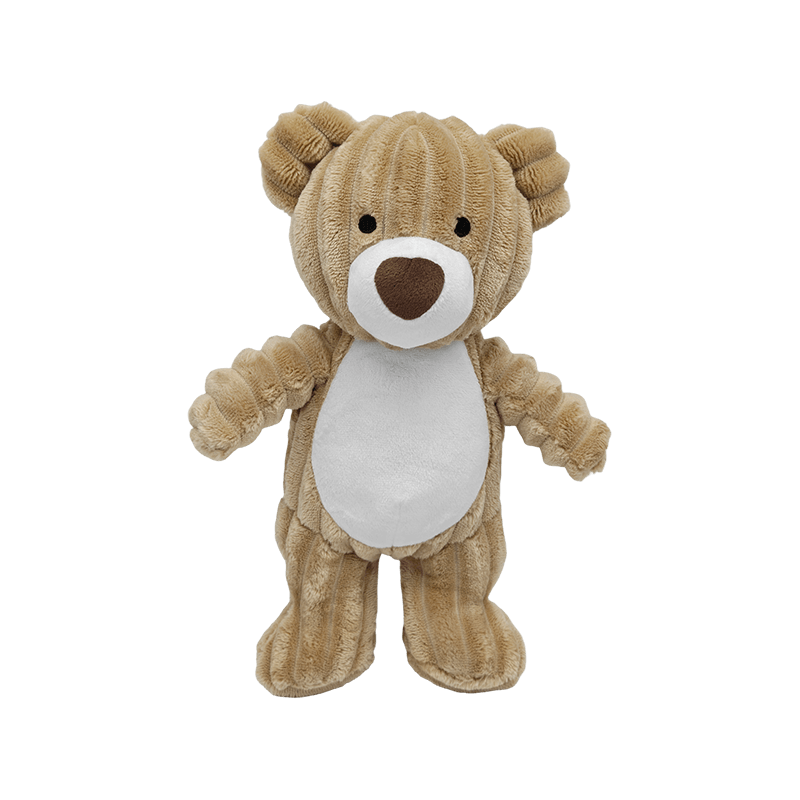
Weighted Stuffed Bears
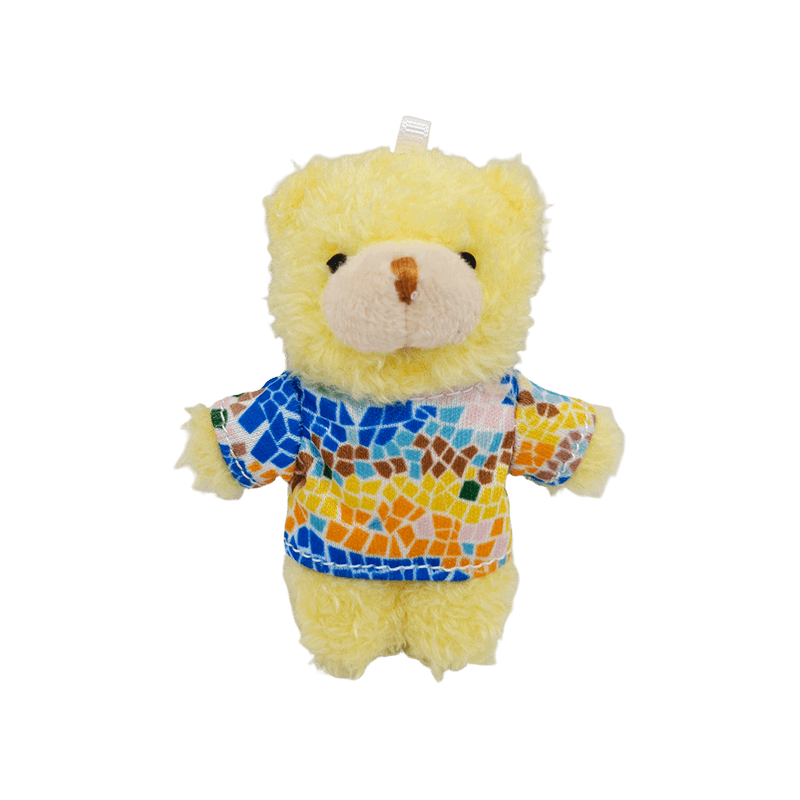
Weighted bears are the flagship of the category — the bear is the most culturally universal comfort animal form, embraced across ages and demographics without the age-specific associations of some other stuffed animals. They are available in weight ranges from 0.5 kg (suitable for toddlers) to 2.5 kg or more for adults, in sizes from palm-sized pocket companions to large lap bears intended to rest across the thighs during seated activity. High-quality weighted bears typically distribute weight across both the body and the limbs, so the weight is felt when held in any position rather than pooling in the torso alone.
Weighted Cats and Dogs
Weighted cats and dogs are particularly popular with children who have or want a real pet, and with adults who live alone or in environments where a live animal is not possible. Several premium weighted cat products are designed with realistic proportions and weight distributions that mimic the sensation of holding an actual cat on the lap — a deliberate design choice backed by research showing that animal contact, even simulated, can reduce cortisol levels and support mood. Weighted dogs, similarly, tend toward larger, lap-weight designs (1.5–3 kg) that function effectively as both comfort objects and sensory tools during desk work or television watching.
Weighted Sloths
Weighted sloths have emerged as arguably the most popular contemporary design in the anxiety animal category, and their rise is not accidental. The sloth's elongated limbs are ideally suited to weighted distribution — they drape naturally over shoulders, wrap around necks, and hang across arms in ways that provide deep pressure stimulation to a wider body surface area than a bear or cat form allows. The "hang around the neck" wearing position delivers shoulder and chest pressure that many users find particularly effective for stress relief. Sloths also carry a cultural resonance of slowness, calm, and unhurried presence that aligns well with the anxiety management context. They are among the most widely gifted anxiety animals for adults.
Weighted Penguins, Owls, and Other Compact Forms
Compact, upright animal forms — penguins, owls, hedgehogs, and similar designs with a naturally wide base — are optimised for lap and desk use rather than holding or wearing. Their flat base allows them to be positioned on a lap during reading, homework, or therapeutic sessions and remain stable without the user needing to actively hold them. Weighted penguins in particular have become a staple recommendation by occupational therapists for children who need proprioceptive lap input during seated school tasks but whose sensory needs are not severe enough to warrant a weighted vest or full lap pad.
Weighted Animals with Heat and Aromatherapy
A growing category of weighted anxiety animals integrates microwaveable heat packs — typically filled with a combination of weighted material and natural grain such as flaxseed, wheat, or lavender — allowing the animal to be warmed before use. Warmth is itself an evidence-based anxiolytic: thermoreceptors in the skin activate the same serotonergic pathways as deep pressure, and the combination of weight, warmth, and the calming scent of dried lavender creates a genuinely multi-sensory therapeutic experience. These products are particularly valued in bedtime routines, hospital use, and for adults using the animal to support sleep transition.
Weighted Anxiety Animal Types at a Glance
| Animal Type | Typical Weight | Best Use Position | Best Age Range | Key Benefit |
|---|---|---|---|---|
| Bear | 0.5 – 2.5 kg | Hold / hug | All ages | Universal comfort form, widest choice |
| Cat / Dog | 1.0 – 3.0 kg | Lap / hold | School age – adult | Realistic pet simulation, lap weight |
| Sloth | 0.8 – 1.5 kg | Wear / drape / hold | Older children – adult | Shoulder and chest deep pressure |
| Penguin / Owl | 0.7 – 1.2 kg | Lap (stable base) | Young children – adult | Hands-free lap proprioceptive input |
| Heated / Aromatherapy | 0.5 – 1.5 kg | Hold / chest / lap | All ages | Multi-sensory: weight + warmth + scent |
Weight Guidelines: How Heavy Should It Be?
One of the most common questions when selecting a weighted anxiety animal is how much it should weigh. Unlike weighted blankets — where the commonly cited guideline of approximately 10% of the user's body weight has reasonable research support — weighted animals are held, worn, or placed on the lap rather than draped over the entire body, so the calculation is different.
For children aged 3 to 7, animals in the 0.5 to 1.0 kg range provide adequate deep pressure without being tiring to hold or carry. Children in this range should always be supervised to ensure the weight does not become a safety concern. For school-aged children (7–12), 1.0 to 1.5 kg offers meaningful therapeutic weight that can be held or positioned on the lap during activities. For adolescents and adults, 1.5 to 2.5 kg is the most frequently recommended range for handheld use; for lap placement during seated work, weights up to 3 kg or more may be appropriate.
If a weighted anxiety animal is being selected as part of a therapeutic program for a child with autism, sensory processing disorder, or ADHD, it is strongly advisable to consult with a registered occupational therapist before purchase. An OT can assess the child's specific sensory profile and recommend the appropriate weight, form, and usage schedule — including whether a weighted animal, a lap pad, a weighted vest, or a combination approach is most appropriate for that individual.
What to Look for When Buying a Weighted Anxiety Animal
- Check the filling material: Glass microbeads provide the smoothest weight distribution and the most even feel, as they flow naturally within the casing. Poly pellets are common and durable but create a slightly coarser texture. Weighted animals filled with natural grains (millet, flaxseed) are suitable for heated versions but may not distribute as evenly as beads in a handheld form.
- Assess the weight distribution design: The best weighted animals distribute weight throughout the body and limbs, not only in the torso. Lift the product and feel whether the arms and legs carry weight — a bear or cat whose weight pools only in the belly will feel unbalanced when held and deliver less effective deep pressure to the hands and arms.
- Evaluate the outer fabric: The tactile quality of the outer fabric is a genuine therapeutic consideration, particularly for sensory-sensitive users. Ultra-soft minky, plush, or faux fur fabrics are consistently preferred by occupational therapists for sensory-seeking populations. Avoid scratchy seams, raised tags, or fabrics that generate static.
- Confirm safety standards and age-appropriateness: Verify that the product carries appropriate safety certification for the intended user's age group (CE marking in Europe, ASTM F963 in the United States). Weighted toys for children under 36 months are subject to the strictest standards; most weighted animals are recommended for ages 3 and above.
- Check care and washability: Anxiety animals are used frequently and held close to the face and body — they need to be washable. Confirm whether the entire product is machine washable or whether it requires spot cleaning, hand washing, or removal of the weighted insert before laundering. Products with removable weighted inserts provide the most practical maintenance solution.
- Consider size relative to the user: A palm-sized weighted animal designed for pocket carry is a different product from a large lap sloth intended for home use. Clarify the primary use scenario — travel, school, home, hospital — and match the size accordingly. Many users benefit from owning a smaller portable version and a larger at-home version.
Using Weighted Anxiety Animals Effectively
A weighted anxiety animal is most effective when used proactively — before anxiety peaks — rather than reactively once a panic state is fully established. Building the object into predictable routines helps the nervous system associate its presence with calm, strengthening its regulatory effect through conditioning over time.
- Introduce during calm moments first: Allowing a child to explore and play with a weighted animal during a relaxed, low-demand time builds positive associations before the object is needed during a stressful event. Presenting it for the first time during a meltdown or acute anxiety episode is less effective.
- Build it into predictable routines: Consistent use during bedtime, homework time, car journeys, or other regular transition points trains the autonomic nervous system to associate the weight and the animal's presence with a shift toward calm. Consistency matters more than duration.
- Follow the child's or user's lead: Weighted animals should never be imposed on a reluctant child or adult. If the person pushes the object away or shows no interest, offering it without pressure at different times — and trying a different animal form or weight — is more effective than insisting on use.
- Combine with other sensory strategies when appropriate: Deep pressure from a weighted animal can be effectively combined with slow, controlled breathing, sensory fidget tools, or calming sensory environments. Occupational therapists often design "sensory diets" that incorporate multiple such tools in a personalised sequence.
- Use as a transition support: Medical appointments, school transitions, travel, and public events are high-value contexts for a portable weighted animal. The predictability of having a familiar, weighted comfort object in an unfamiliar environment provides a concrete anchor for anxiety management.
- Respect the "enough" signal: Deep pressure stimulation has a natural saturation point — after a period of effective use, many users will spontaneously set the animal aside. Recognising and respecting this signal is important; the goal is regulation, not prolonged dependence on any single tool.
Important safety note: Weighted anxiety animals should never be used unsupervised with infants or children under 3 years of age, or placed on or near the face during sleep. The weight that provides therapeutic benefit for older children and adults can pose a risk for very young children. Always follow manufacturer age guidelines and, when in doubt, consult a healthcare professional.
Weighted Animals in Therapeutic and Clinical Contexts
Weighted anxiety animals occupy a specific and growing role within formal therapeutic settings, not merely as consumer wellness products but as clinical-grade sensory tools recommended and supervised by healthcare professionals.
Occupational Therapy
Registered occupational therapists (OTs) have incorporated weighted animals into sensory integration therapy protocols for decades. Within a sensory diet framework — a personalised schedule of sensory activities designed to maintain optimal arousal and attention — a weighted animal typically serves as a readily accessible, portable source of proprioceptive input that the child or adult can access independently between formal OT sessions.
Child Psychology and Play Therapy
In child psychotherapy and play therapy settings, weighted stuffed animals are used both as comfort objects during emotionally difficult therapeutic work and as narrative tools — the animal becomes a vehicle through which children can externalise and discuss feelings that are difficult to express directly. The weight adds a physical dimension to the object's psychological significance.
Paediatric Hospital and Palliative Care
Child life specialists — the professionals responsible for supporting children's emotional wellbeing in hospital environments — are among the most consistent advocates for weighted anxiety animals in clinical settings. The animals provide comfort during pre-procedural anxiety, support children during painful procedures, and offer a tangible, controllable source of comfort in environments where children have very little agency over their circumstances.
School and Educational Settings
A growing number of special educational needs (SEN) classrooms and mainstream schools with inclusion support programmes maintain weighted anxiety animals as part of their sensory tool inventory. Students with anxiety, autism, or ADHD who are identified as benefiting from proprioceptive input may be permitted to use a weighted lap animal during class, a strategy that has been shown in several school-based studies to improve on-task behaviour and reduce disruptive anxiety responses.
Making Your Own Weighted Anxiety Animal
For families with sewing skills, or those seeking a cost-effective or personalised option, weighted anxiety animals can be made at home using an existing unstuffed plush toy or a sewn fabric animal form. The core principle involves replacing a portion of the standard polyester stuffing with poly pellets, glass microbeads, or a combination of both to reach the target weight.
The key considerations for a DIY weighted animal are weight distribution (ensuring pellets are distributed into separate sewn chambers in the limbs and body rather than pooling in a single cavity), outer seam security (double-stitching all seams to prevent pellet escape), and washing safety (providing a secure inner pouch for the weighted fill that can be removed before laundering). Several sewing pattern designers specialise in weighted sensory toy patterns with these considerations built in, and these are a recommended starting point for first-time makers.
Weighted anxiety animals sit at a compelling intersection of sensory science, emotional comfort design, and accessible mental health support. They work because the mechanisms behind them — deep pressure stimulation, the psychological comfort of huggable form, and the calming effect of tactile warmth and scent — are grounded in robust neurological and psychological research, not wellness marketing.
Whether chosen for a child with autism navigating a sensory-overwhelming world, a young person managing school anxiety, an adult seeking a desk-based stress tool, or a patient facing a difficult medical procedure, the right weighted animal offers something deceptively simple: a tangible, always-available, physically grounding anchor that helps the nervous system remember what calm feels like. In a world of complex and often inaccessible mental health interventions, that is no small thing.
This article draws on published research in occupational therapy, sensory integration theory, and developmental psychology, including studies from the American Journal of Occupational Therapy, the Sensory Processing Disorder Foundation, and clinical guidance from the Royal College of Occupational Therapists (RCOT). Individual therapeutic needs vary — consult a registered occupational therapist or clinical psychologist for personalised recommendations.