en
en  русский
 Español
 عربى
عربى
Content
- 1 The Psychology of Softness in Living Spaces
- 2 Defining Healing Plush Decor Beyond Aesthetics
- 3 Plush Throws and Blankets as Healing Lifestyle Objects
- 4 Cushions and Pillows as Sensory Anchors
- 5 Plush Rugs and Floor Coverings in the Healing Home
- 6 Plush Decor and the Bedroom Sanctuary
- 7 Plush Soft Toys and Comfort Objects in Adult Healing Spaces
- 8 Seasonal Rotation and the Living Quality of Healing Plush Decor
- 9 Sourcing and Ethical Considerations in Healing Plush Decor
- 10 Creating a Cohesive Healing Plush Decor Environment
- 11 Plush Decor as an Ongoing Practice of Home Healing
Home has always been more than shelter. It is the environment that holds us during rest, recovery, and the quieter hours when the demands of the outside world recede and something more personal takes over. Healing home and lifestyle plush decor has emerged as a considered design philosophy that takes this truth seriously, treating the soft furnishings and tactile objects within a living space not simply as aesthetic choices but as active contributors to emotional wellbeing, sensory comfort, and the psychological experience of feeling genuinely at ease. Understanding how plush decor participates in a healing home environment opens a more intentional path to creating spaces that restore rather than merely house.
The Psychology of Softness in Living Spaces
The human relationship with softness is ancient and deeply embedded in the nervous system. From the earliest weeks of life, soft textures signal safety, warmth, and proximity to comfort. This association is not merely cultural conditioning; it reflects the biological reality that soft, yielding surfaces absorb impact, retain warmth, and provide the tactile feedback associated with living things rather than the hard, cold surfaces of the inanimate world. Adults who dismiss their own sensitivity to soft textures as childish are often surprised to discover how powerfully a plush blanket, a deeply cushioned sofa, or a generously stuffed decorative pillow can shift their physiological state within minutes of contact.
Psychological research on environmental comfort consistently identifies tactile richness as a significant contributor to perceived safety and relaxation in interior spaces. Hard, sparse environments activate a kind of low-level vigilance in the nervous system, a readiness to respond that is incompatible with genuine rest. Soft, layered environments that offer multiple points of physical contact and warmth cue the body that it can lower its guard. This is not an accidental effect of plush decor but the mechanism through which thoughtfully selected soft furnishings perform their most important function.
The concept of biophilic design, which holds that human wellbeing is enhanced by environments that maintain connection to natural forms, textures, and materials, provides additional theoretical grounding for healing plush decor. Natural fiber plush materials including wool, cotton, linen, and cashmere offer textural complexity and warmth regulation that synthetic materials approximate but rarely fully replicate. The irregular, organic quality of hand-woven or naturally textured plush surfaces engages the touch receptors with more varied stimulation than uniformly processed alternatives, contributing to the sensory richness that healing home design prioritizes.
Defining Healing Plush Decor Beyond Aesthetics
The healing dimension of plush decor is not achieved simply by selecting soft items. It requires intentionality about which qualities of softness, weight, texture, color, and material actually serve restorative functions, and which are merely visually appealing without contributing meaningfully to the physical or emotional experience of inhabiting the space. This distinction between decorative softness and genuinely therapeutic softness is the central design question that healing home philosophy asks.
Weight is among the most therapeutically significant properties of plush decor items, though it receives far less attention in mainstream interior design discourse than color or pattern. Weighted blankets and heavily filled cushions exert gentle pressure across the body surface that activates deep pressure touch receptors and stimulates the parasympathetic nervous system, producing physiological effects similar to a gentle embrace. This mechanism, documented in occupational therapy and sensory processing research, underlies the widespread adoption of weighted blankets for anxiety management and sleep improvement. Applied as a design principle, it suggests that plush decor items with genuine weight and substance serve healing functions that their lighter counterparts cannot replicate regardless of visual similarity.
Texture complexity, meaning the variation in surface feel across a single plush item or across a collection of items in the same space, contributes to sensory engagement that prevents the numbness of monotonous environments. A healing home styled with plush decor typically incorporates multiple distinct textures that invite touch: the dense pile of a high-loft rug, the raised pattern of a textured throw, the smooth surface of a velvet cushion alongside the irregular nubble of a bouclé one. This textural dialogue keeps the sensory environment alive and engaging without introducing the visual complexity that can make a space feel busy or stimulating rather than restful.
Color psychology intersects with plush decor in ways that are particularly relevant to healing environments. The colors in which plush items are offered carry their own emotional associations, and in a healing home context these associations are most effectively leveraged when they align with the restorative mood being cultivated. Soft neutrals, warm earth tones, and muted nature-adjacent hues including sage, dusty blue, warm terracotta, and undyed natural linen create backgrounds that allow the nervous system to relax into the space rather than responding to the color stimulation. These palettes also tend to recede visually, allowing the textural richness of the plush materials themselves to become the primary sensory offering of the decor.
Plush Throws and Blankets as Healing Lifestyle Objects
The throw blanket occupies a unique position in healing home decor because it is simultaneously a decorative object and a directly functional one that invites physical use in the moment of relaxation. A throw draped over a sofa arm or folded across the foot of a reading chair is not merely decorative; it is a standing invitation to wrap oneself in warmth without the commitment or formality of going to bed. This accessibility is part of what makes the throw one of the highest-impact single investments in a healing home environment.
The material composition of a healing throw determines its thermal and tactile performance over time. Pure merino wool throws offer a warmth-to-weight ratio that few other natural materials match, along with the natural moisture-wicking properties that prevent the clammy overheating that synthetic fleece throws often produce during extended use. Merino fiber is also remarkably fine for a wool, typically measuring less than 19 microns in diameter, which means that it does not produce the itching sensation associated with coarser wool grades and can be worn directly against sensitive skin.
Cashmere throws represent the apex of natural fiber luxury in plush decor, combining extraordinary softness with lightweight warmth and a quality of tactile experience that genuinely improves with each washing as the fiber settles and softens further. The cost premium of cashmere is real, but in the context of healing home investment, an object that will be touched, used, and appreciated daily for a decade or more represents a different value calculation than a decorative item that is rarely handled. For those who interact physically with their plush decor rather than simply displaying it, the per-use cost of a quality cashmere throw can be lower than that of a less expensive alternative that pills, loses its softness, or fails to provide the warmth it promises.
Linen and cotton gauze throws offer a lighter-weight alternative appropriate for warmer climates or seasons, providing a layer of softness and comfort without the thermal intensity of wool. The natural crinkle texture of linen gauze develops a lived-in character that improves over time, and the breathability of both linen and cotton makes them suitable for the transitional seasons when the temperature regulation needs of the body change frequently across a single day. In a healing home context, having plush throw options appropriate to different seasons allows the comfort function to remain accessible year-round rather than being put away when the weather warms.
Cushions and Pillows as Sensory Anchors
Decorative cushions and pillows serve a more complex function in healing home design than their ubiquity in mainstream interior styling might suggest. Beyond their obvious visual contribution to a sofa or bed arrangement, cushions provide ergonomic support that makes seated and reclined positions genuinely comfortable for extended periods, offer tactile companionship during periods of rest or emotional difficulty, and create a layered softness in the environment that reinforces the sense of refuge that healing spaces aim to establish.
Fill material is the most consequential specification for a cushion intended to serve healing functions rather than purely decorative ones. Down and feather fills offer the warmth, weight, and responsive softness that most closely approximates the feeling of being cradled, and their ability to be redistributed by the user to suit different support needs makes them highly adaptable to different bodies and positions. Quality down fills from ethically certified sources retain their loft and support characteristics over many years, while lower-quality alternatives compress and clump within months of use, losing the tactile quality that justified their purchase.
Memory foam cushion inserts offer a different tactile experience characterized by slow, progressive compression and recovery that many users find deeply satisfying as a sensory experience. The material conforms precisely to the shape of whatever presses against it and releases gradually when pressure is removed, providing a sense of being held that differs from but complements the buoyant softness of down. In a healing home environment where different household members have different sensory preferences, offering a mix of fill types allows each person to identify the cushions that best serve their individual needs.
Cover fabrics for healing cushions deserve as much consideration as the fills they enclose. Velvet covers in medium-weight pile provide a deeply satisfying stroking texture that many people engage with unconsciously during reading, watching television, or conversation, providing continuous low-level sensory comfort. Bouclé and boucle-adjacent loop-textured fabrics offer a more irregular tactile engagement that some users find more interesting and stimulating. Linen covers provide a crisp, cool initial touch that transitions to warmth with sustained contact, offering a textural experience that changes over time in a way that remains engaging rather than monotonous.
The arrangement of cushions in a healing home follows different logic than the symmetrical, formal arrangements of conventional interior styling. Rather than organizing cushions for visual presentation, healing home design positions them for comfortable use: propped against sofa arms to support the back during reading, stacked on the floor beside a meditation area, or arranged to support the body in the specific reclined position that each household member favors for relaxation. This use-first arrangement may look less staged than photographed interior design typically appears, but it creates an environment that invites actual use rather than one that feels too composed to disturb.
Plush Rugs and Floor Coverings in the Healing Home
The floor is the largest tactile surface in any room, and its treatment has a disproportionate effect on the sensory quality of the entire space. Hard floor surfaces, however beautiful, reflect sound, conduct cold, and offer no sensory invitation to sit, lie, or move barefoot with comfort. Plush rugs and floor coverings transform the experiential quality of a room by introducing warmth, sound absorption, and the most intimate tactile surface in the healing home environment, the one that the body contacts from the moment of rising in the morning.
Pile height and density are the primary determinants of the tactile quality of a plush rug. High-pile rugs with a depth of 25 millimeters or more create the sensation of walking on a padded surface that cushions each step and invites barefoot contact in a way that short-pile alternatives do not. The visual depth and shadow play of high-pile textures also creates a visual richness that contributes to the sensory layering of the space without introducing pattern or color complexity. In a healing home styled in a quiet palette, a deep-pile rug in a warm neutral tone can be the single most significant contributor to the room's sense of enveloping comfort.
Wool rugs offer acoustic properties that are particularly valuable in healing home environments. The dense fiber structure of wool absorbs mid and high-frequency sound energy, reducing the reverberation and echo that make hard-floored rooms feel loud and stimulating. For people who are sensitive to noise, who live with young children, or who work from home and need to control acoustic distractions, a quality wool rug is simultaneously a sensory comfort object and a functional acoustic treatment. This dual function represents the kind of design efficiency that healing home philosophy values: objects that contribute multiple forms of benefit simultaneously rather than serving purely visual purposes.
Natural fiber rugs in jute, sisal, and seagrass offer a different textural quality that complements rather than duplicates the softness of wool and synthetic plush alternatives. The structural, organic texture of these materials provides visual grounding and a connection to natural materials that supports biophilic design principles, while their durability in high-traffic areas makes them practical choices for entry zones and transitional spaces where a high-pile plush rug would quickly show wear. Layering a smaller plush rug over a natural fiber base rug is a technique that combines the organic quality of natural fibers with the softness of plush pile in areas where both textures serve the design intent.
Plush Decor and the Bedroom Sanctuary
The bedroom holds special significance in healing home design because it is the space most directly associated with recovery, rest, and the physiological restoration that sleep provides. The plush decor of a bedroom is not merely an aesthetic complement to the furniture; it is an active participant in the sleep environment, influencing temperature regulation, sound absorption, tactile comfort, and the psychological cues that signal to the nervous system that it is safe to transition from alertness to rest.
Bedding layering is the most important plush decor decision in the bedroom healing environment. A well-designed bedding layer system begins with a fitted sheet in a tightly woven natural fiber that provides a smooth, breathable contact surface, adds a mid-layer blanket or quilt for temperature-variable warmth, and completes with a duvet or comforter that provides the primary insulation and the visual softness that defines the bed as an inviting object in the room. Each layer serves a distinct thermal and tactile function, and the ability to add or remove layers as body temperature changes through the night is itself a form of comfort control that healing bedroom design supports.
The duvet cover deserves particular attention as the largest single plush textile in the bedroom and the one that most directly contacts the sleeping body for extended periods. Fabric weight, weave tightness, and fiber selection all determine whether the duvet cover feels cool and crisp at the moment of contact or immediately warm and enveloping, and whether it becomes clammy during sleep or continues to regulate moisture effectively. Percale weave cotton covers offer a cool, smooth contact surface that suits warm sleepers and warm climates, while sateen weave covers provide a warmer, slightly silkier hand that many people prefer in cooler temperatures or during winter months.
The addition of a bed throw or blanket folded across the lower half of the bed serves both decorative and functional purposes that align well with healing design principles. Visually, it adds a layer of textural interest and warmth to the bed composition. Functionally, it provides an immediately accessible additional layer for the feet and lower body, which often becomes cold before the rest of the body during sleep and is responsible for the middle-of-the-night awakening that poor sleep hygiene research frequently identifies. A cashmere or soft wool throw positioned for intuitive use without fully waking removes this disruption before it occurs.
Bedroom cushion arrangements in healing home design follow the principle of comfort preparation rather than decorative presentation. A few well-chosen pillows in varied softness levels, positioned to support reading or meditation before sleep, establish the bedroom as a space where the transition from activity to rest is supported rather than abrupt. The act of arranging these cushions as part of a deliberate pre-sleep ritual contributes to sleep hygiene in a way that the clinical language of sleep science rarely acknowledges but that many people discover intuitively through experience with comforting bedroom environments.
Plush Soft Toys and Comfort Objects in Adult Healing Spaces
One of the more culturally complex aspects of healing home and lifestyle plush decor is the reclaiming of soft toys and comfort objects as legitimate elements of adult living environments. The stigma that Western culture has historically attached to adults who maintain attachment to soft toys, plush animals, or comfort objects reflects a narrow view of emotional need that therapeutic psychology has systematically challenged. Comfort objects serve genuine psychological functions across the lifespan, and healing home design that acknowledges this reality creates environments that support the full range of human emotional need rather than only those deemed socially appropriate for adults.
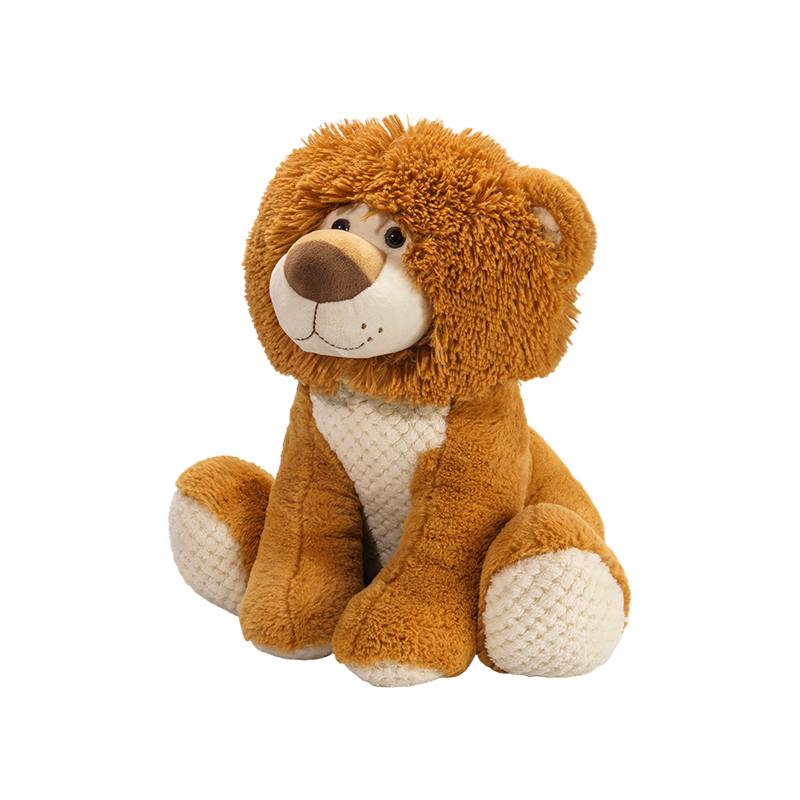
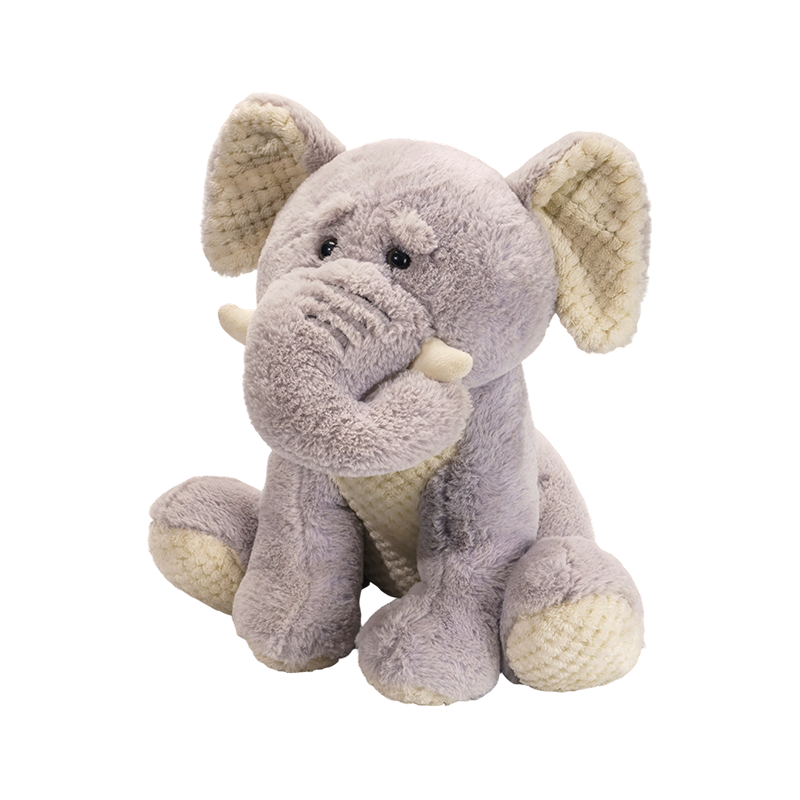
The therapeutic function of soft plush companions relates to their ability to provide consistent, non-demanding tactile comfort during periods of stress, loneliness, or emotional difficulty. Unlike other sources of comfort that require another person's participation or the investment of time and attention, a plush companion is immediately available, makes no demands in return, and provides the physical warmth and softness that the nervous system associates with safety and connection. For people living alone, going through difficult life transitions, or managing chronic stress or anxiety, the presence of a plush companion in the living space is not a sign of arrested development but a practical accommodation of genuine emotional need.
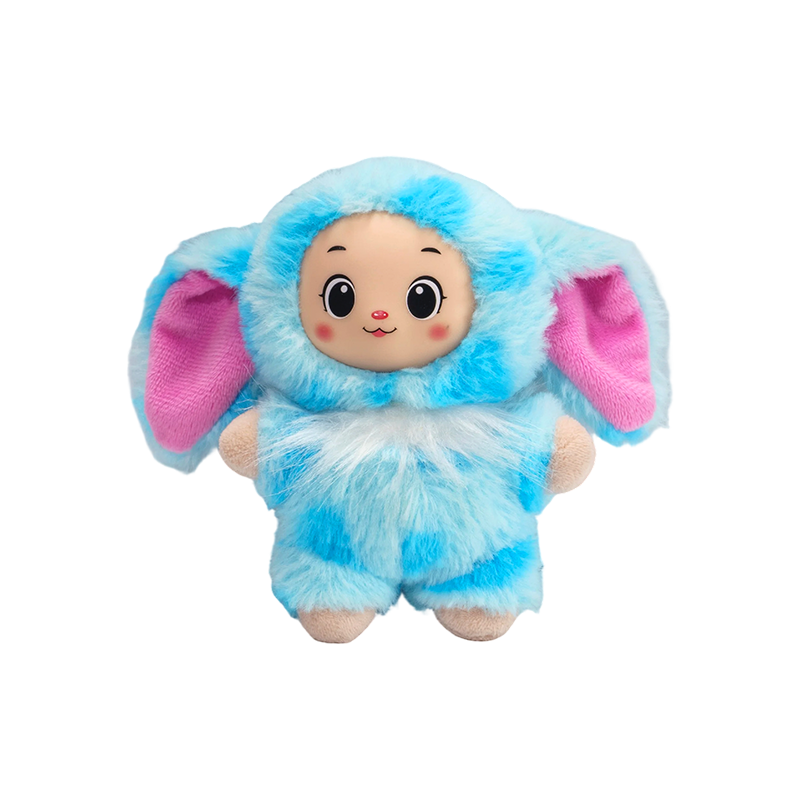
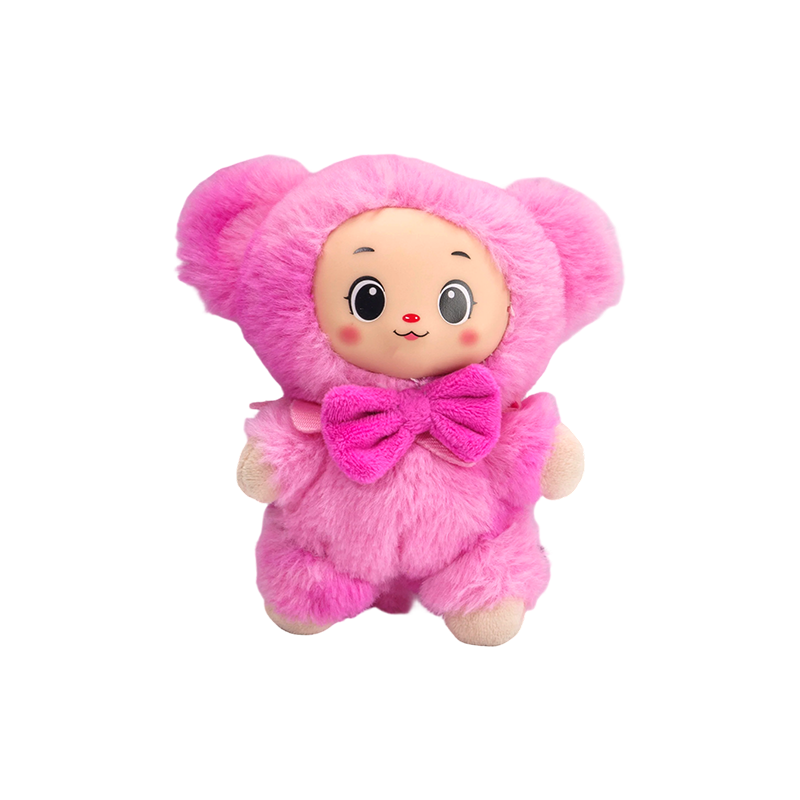
The design language of plush companions intended for adult healing environments typically differs from that of children's toys in ways that reflect aesthetic preferences rather than functional differences. Plush animals in muted, earth-toned colorways with simplified, less cartoonish features integrate more naturally into adult home environments without requiring the user to visually segregate their comfort object from the rest of their decor. Some designers create plush companions specifically for adult healing markets, incorporating premium materials including organic cotton, wool felt, and naturally dyed fabrics that meet both the tactile and aesthetic standards of a thoughtfully designed healing home.
Beyond individual comfort objects, larger plush elements including oversized floor cushions, bean bag chairs with plush covers, and body pillows serve a related function in creating physically supported spaces for rest, meditation, and emotional regulation activities. These items provide the full-body contact and postural support that a conventional chair or sofa often cannot, allowing the body to fully release tension by distributing its weight across a conforming soft surface. For people who practice floor-based meditation, yoga, or simply find floor-level resting positions most natural during periods of emotional difficulty, these plush elements make those positions comfortable enough to maintain for the duration needed.
Seasonal Rotation and the Living Quality of Healing Plush Decor
Healing home philosophy treats plush decor as a living element of the home environment that evolves with the seasons, the moods of household members, and the changing emotional needs that different times of year bring. The deliberate rotation of plush decor items through seasonal cycles maintains the sensory freshness of the environment, prevents the invisible background of over-familiarity from diminishing the comfort response that plush textures evoke, and creates ritual transitions between the emotional tones of different seasons that many people find grounding and satisfying.
Autumn and winter plush decor rotations lean toward the heaviest, warmest, and most enveloping materials. This is the appropriate season for the deep-pile wool throw, the heavyweight cashmere cushion covers, the high-loft duvet, and the addition of a sheepskin or faux shearling accent that brings an animal warmth to seating areas. The psychological effect of these additions goes beyond the physical warmth they provide; they signal seasonally appropriate enclosure and refuge in a way that creates emotional as well as thermal comfort during the months when daylight is shortest and the natural world offers less restorative energy.
Spring and summer plush rotations introduce lighter materials and fresher palettes that open the sensory environment while maintaining the tactile softness that healing home design maintains year-round. Linen and cotton gauze throws replace wool, lighter coverlets replace heavy duvets, and the color palette of cushion covers may shift toward cooler, fresher tones that align with the seasonal outdoor environment. The lightening of the plush environment mirrors the seasonal transition in a way that many people respond to positively without necessarily being able to articulate why their home feels more energizing and appropriate as the season changes.
Storage and care of seasonal plush items is itself a practice that healing home philosophy can incorporate intentionally. Washing throws and covers before storing them, folding them carefully rather than compressing them into storage bags that damage pile and fiber, and using natural cedar or lavender sachets rather than synthetic moth repellents maintains both the quality of the items and their sensory associations. The act of bringing stored plush items out of storage at the seasonal transition, freshly laundered and carrying the subtle scent of natural sachets, creates a small but meaningful sensory renewal that marks the beginning of a new seasonal chapter in the home environment.
Sourcing and Ethical Considerations in Healing Plush Decor
The healing dimension of plush decor extends naturally to the question of how the materials and objects in a healing home were produced, under what conditions, and with what impact on the natural systems that provide the raw materials. A living environment that is experienced as healing by its inhabitants but was furnished through supply chains that exploit workers or damage ecosystems contains an ethical contradiction that many people who take healing home philosophy seriously find difficult to ignore.
Natural fiber certification programs provide a starting point for evaluating the ethical credentials of plush decor materials. The Global Organic Textile Standard certifies that cotton and other natural fiber products meet organic agricultural standards and are processed without harmful chemicals. The Responsible Wool Standard certifies that wool comes from farms that maintain animal welfare standards and manage land sustainably. The Responsible Down Standard certifies that down and feather fills come from birds that have not been live-plucked or force-fed. These certifications are imperfect instruments, but they provide a more reliable basis for purchasing decisions than unverified marketing claims about sustainability.
Artisan and small-scale production of plush decor items offers another avenue for aligning purchases with healing values. Hand-woven throws from small workshops, hand-knitted cushion covers from cooperatives of artisan makers, and hand-felted wool accessories from individual craftspeople offer a quality of material presence and production story that mass-manufactured alternatives rarely approach. The irregularities of hand production, which conventional quality control would classify as defects, are experienced by many healing home practitioners as evidence of the human engagement that went into the object, a quality that contributes to the emotional resonance of the item in the home environment.
Longevity is the most environmentally important quality of healing plush decor from a sustainability perspective. An object that lasts fifteen years and is used and appreciated throughout that period has a lower environmental footprint per year of use than an inexpensive alternative that degrades within three years and must be replaced multiple times over the same period. Healing home philosophy's emphasis on quality over quantity, and on the selection of items that will be genuinely used rather than merely displayed, aligns naturally with the sustainability principle of consuming less and consuming better.
Creating a Cohesive Healing Plush Decor Environment
The cumulative effect of healing plush decor is greater than the sum of its individual components when the selections across a space share a coherent sensory and aesthetic logic. This coherence is not achieved through strict matching of colors or textures but through the alignment of each plush element with the overall emotional and sensory intention of the space, creating an environment whose parts reinforce one another rather than competing for attention or creating visual and tactile confusion.
A practical approach to building a cohesive healing plush environment begins with identifying the primary palette, typically three to four hues that form the tonal foundation of the space, and selecting all major plush items in variations on this palette. The textures of these items can vary widely while remaining within the tonal range, creating the layered complexity that makes a healing space feel rich rather than sparse without introducing color stimulation that works against the restful quality of the environment.
Density of plush elements is a calibration question that each household must answer based on their own sensory preferences and the size of the space. Some people find maximally plush environments, in which every surface offers a soft encounter and the room feels deeply cushioned from the outside world, genuinely restorative. Others find that the same density of soft elements creates a sense of visual clutter that generates its own form of low-level stress, and prefer a more edited selection of high-quality plush pieces that stand out against a cleaner background. Neither preference is more correct from a healing perspective; what matters is the honest assessment of what conditions produce genuine relaxation for the specific people who inhabit the space.
Caring for plush decor items as part of a regular home maintenance practice contributes to the healing quality of the environment in ways that extend beyond cleanliness. The physical acts of shaking out a throw, plumping cushions, smoothing a rug, or straightening a bedding arrangement are brief engagements with the material softness of the home that can themselves be experienced as grounding and satisfying, small rituals of tending to the space that signal investment in the quality of one's own environment. Healing home philosophy treats these maintenance practices not as chores to be minimized but as opportunities for brief, tangible connection with the objects that serve comfort and restoration in daily life.
Plush Decor as an Ongoing Practice of Home Healing
Healing home and lifestyle plush decor is most fruitfully understood not as a decorating style to be achieved and then maintained but as an ongoing practice of attending to the sensory and emotional quality of the living environment. The specific plush items in a home at any given time are expressions of a continuing inquiry into what the people who live there actually need from their space, and the answers to that question evolve as lives, seasons, circumstances, and sensory preferences change over time.
The most healing homes tend to be those in which the plush decor is genuinely used rather than preserved, in which throws show the soft creasing of frequent wrapping, cushions hold the impression of habitual positions, and rugs carry the gentle matting of daily barefoot traffic. These signs of use are not deterioration but evidence of a home that is doing its healing work, providing the comfort and sensory richness that its inhabitants need and actually return to rather than holding a beautiful but untouched arrangement that no one feels comfortable disturbing.
Investing in healing plush decor is ultimately an investment in the quality of one's own daily sensory experience, in the recognition that the environment we create around ourselves participates actively in how we feel, how well we rest, and how effectively we recover from the demands that life places on us. Approached with this awareness, even the choice of a single throw or a pair of cushions becomes a small act of self-care with effects that extend quietly through every hour spent in the spaces that hold us.