en
 русский
 Español
 عربى

Content
- 1 Why Adults Keep Stuffed Animals
- 2 The Psychology Behind the Attachment
- 3 What Adults Actually Get From a Stuffed Animal
- 4 When a Comfort Object Is Healthy and When It Is Not
- 5 Sleeping With a Stuffed Animal as an Adult
- 6 Collecting, Nostalgia, and Grown-Up Play
- 7 Designing Comfort Objects Adults Want to Keep
- 8 A Normal, Human Comfort
If you still sleep with a stuffed animal, keep a favorite plush on your desk, or feel oddly attached to a soft toy you bought as an adult, you are not alone. The psychology of adults with stuffed animals is less about childhood regression and more about comfort, safety, memory, and emotional regulation. In a busy life, a familiar plush can act as a small anchor.
As a plush manufacturer, we have watched soft toys move far beyond nursery shelves. They appear in dorm rooms, offices, travel bags, and adult bedrooms. This guide looks at what psychology says about that attachment, when comfort is healthy, and how to choose a plush that fits adult life without feeling childish.
Why Adults Keep Stuffed Animals
Most adults who keep stuffed animals are not trying to avoid adulthood. They are responding to a basic human need: the need to feel settled. A plush toy offers predictable softness, a familiar shape, and a simple kind of companionship. After a difficult day, that can be more useful than another screen or another task.
Comfort objects are not only for children
Psychologists sometimes describe transitional objects as things that help children bridge the gap between dependence and independence. A blanket or teddy bear can make separation feel manageable. Adults do not outgrow the underlying need for reassurance. They simply carry it into different forms: a favorite mug, a worn hoodie, a pet, or a plush toy.
Attachment, stress, and self-soothing
Attachment theory suggests that feeling safe with a reliable comfort object can help people regulate stress. The object is not a replacement for human relationships. It is a small, private source of steadiness. For some adults, hugging a plush toy at night lowers the sense of aloneness. For others, it brings back the felt safety of childhood in a way that words cannot quite do.
The Psychology Behind the Attachment
The bond is often emotional rather than rational. That does not make it unhealthy. Adults with stuffed animals may be using them for several overlapping reasons at once.
Emotional regulation and sensory comfort
Touch is one of the fastest ways to shift a person's emotional state. Soft fabric, a gentle weight, and a familiar shape can help the nervous system downshift after stress. Many adults do not need to explain why a plush helps. They simply notice that they breathe more easily when they hold it.
Nostalgia and personal history
A stuffed animal may carry memories of a parent, a childhood bedroom, a difficult move, or a happier season of life. Keeping it can be a way of honoring continuity. The plush becomes part of a personal story, not a sign that the person is stuck in the past.
Choice and identity
There is a difference between a child's comfort object and an adult's chosen comfort object. When an adult selects a plush for its texture, design, humor, or meaning, the attachment is more intentional. It can sit beside art books, houseplants, and other objects that make a space feel personal.
What Adults Actually Get From a Stuffed Animal
The benefits are usually ordinary and practical. They are not magical, but they are real for many people.
- Predictable comfort: a familiar object that does not demand anything in return.
- Sensory soothing: softness, weight, and texture that can ease restlessness.
- Sleep routine: a small cue that the day is over and rest is allowed.
- Memory and identity: a visible link to childhood, travel, grief, or joy.
- Permission to play: a low-pressure way to enjoy whimsy as an adult.
- Quiet companionship: comfort during lonely evenings, illness, or recovery.
These benefits do not mean a plush toy should replace therapy, friendship, or medical care. They simply explain why so many adults keep one nearby.
When a Comfort Object Is Healthy and When It Is Not
For most adults, keeping a stuffed animal is a normal coping habit. A clinical concern would be different: severe distress when the object is unavailable, complete withdrawal from people, or a strong sense that the object is the only safe relationship. The table below offers a simple comparison, not a diagnosis.
| Pattern | Generally healthy | Worth discussing with a professional |
|---|---|---|
| Using a plush to relax | Common and low-risk | If it becomes the only way to cope |
| Sleeping with a stuffed animal | Often a soothing routine | If sleep is badly disrupted without it |
| Strong attachment to one toy | Often linked to memory or grief | If it replaces human support entirely |
| Collecting plush as an adult | A normal hobby or interest | If spending or clutter causes distress |
If a comfort object brings calm and does not narrow your life, it is probably doing its job. If it brings shame, panic, or isolation, a therapist can help you understand the deeper need without judgment.
Sleeping With a Stuffed Animal as an Adult
Night is when many adults notice the attachment most. The house is quiet, the day's defenses are down, and the need for comfort becomes harder to ignore. A plush toy can become a sleep buddy because it supports routine. It is there in the same place, with the same texture, night after night.
Some people worry that sleeping with a stuffed animal means they cannot self-soothe. In practice, self-soothing often includes tools. A plush is not so different from a weighted blanket, a favorite pillow, or a calming scent. The key is that it helps rather than controls. If you sleep better with it, keep it clean and use it without apology.
For adults who want comfort without a full toy on the bed, a plush U-shaped neck pillow can be a practical middle ground. It supports the neck during travel, reading, or late-night screen time while keeping the soft, friendly feel of plush.
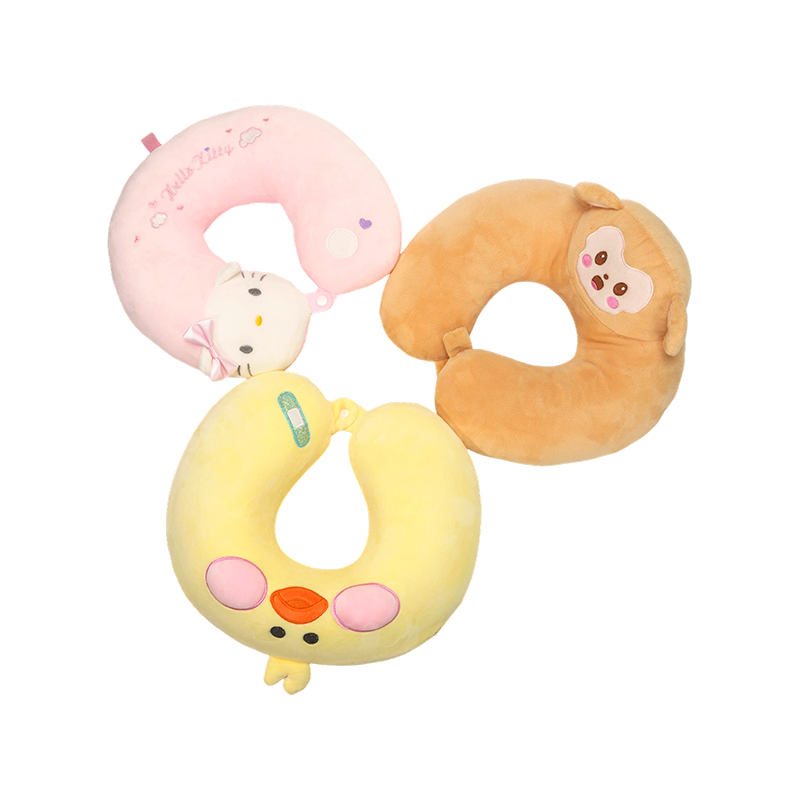 Animal Plush U-Shaped Neck PillowsA soft plush U-shaped neck pillow with animal designs and PP cotton filling, suited to travel, office, or home comfort; check care guidance for washability.View Product →
Washability matters, especially for something used near the face. Check care labels, avoid harsh fragrances, and replace a plush if seams or filling begin to fail.
Collecting, Nostalgia, and Grown-Up Play
Not every adult plush is a sleep aid. Some are collectibles, design objects, or reminders of a favorite character. The rise of designer plush, blind boxes, and character-driven soft toys shows that adults are not only seeking comfort. They are also seeking play, surprise, and a bit of harmless delight.
Psychology does not require adults to become solemn. Play can support creativity, social connection, and stress recovery. A plush collection can be a conversation starter, a visual joy in a room, or a small ritual of anticipation when a new piece arrives. The cultural shift behind this is broader than a single trend, as soft toys have become part of design, fashion, and personal expression.
For collectors, smaller items can be an easy entry point. A blind-box plush keychain offers the fun of a surprise without demanding much space, and it can travel with you as a quiet reminder of something you enjoy.
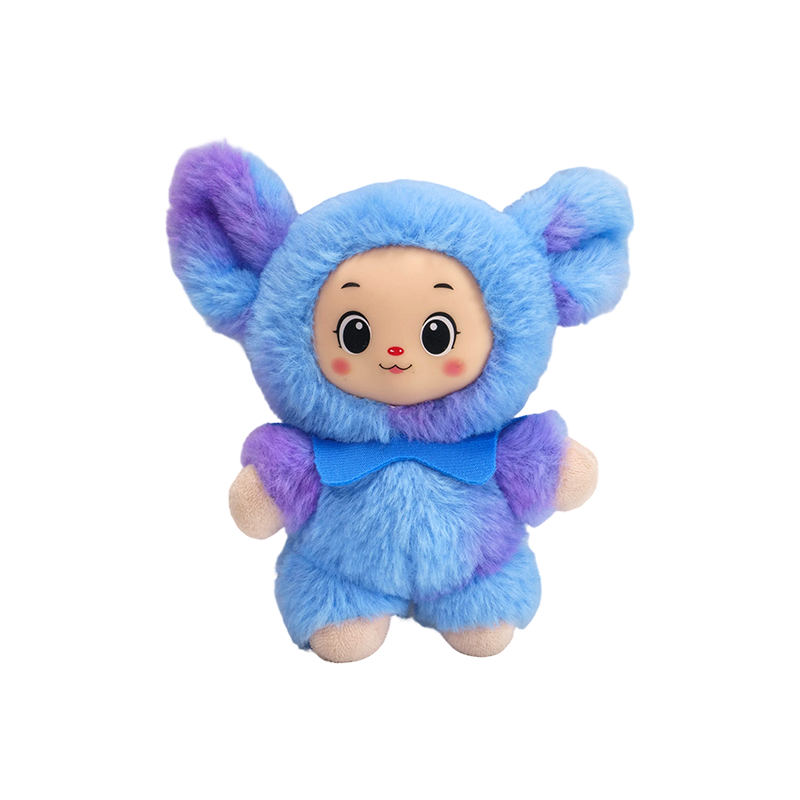 Soft Stuffed Plush Keychain Blind BoxA collectible plush keychain blind box with soft fabric and PP cotton filling in a 15 cm format, suited to gifts, retail, or easy collecting.View Product →
The line between comfort and collecting is flexible. Some adults keep one beloved toy for years. Others rotate a collection with the seasons. Both can be healthy when they add pleasure without creating financial or emotional strain.
Designing Comfort Objects Adults Want to Keep
For brands, retailers, and buyers, adult plush is not simply a child's toy scaled up. Adults notice texture, proportion, stitching, palette, and packaging. They may want something that fits a sofa, a desk, or a travel bag without looking out of place. They may also want a plush that feels personal without being overly cute.
The strongest adult comfort objects tend to balance softness with restraint. A neutral bear, an animal-shaped cushion, or a simple round pillow can work in a living room. A character plush may appeal more to collectors. Safety still matters at every age: secure seams, suitable filling, clean materials, and clear care instructions are not optional.
A plush throw pillow is one example of a product that can bridge home decor and emotional comfort. It is useful, huggable, and easy to keep on a couch or bed without explaining why it is there.
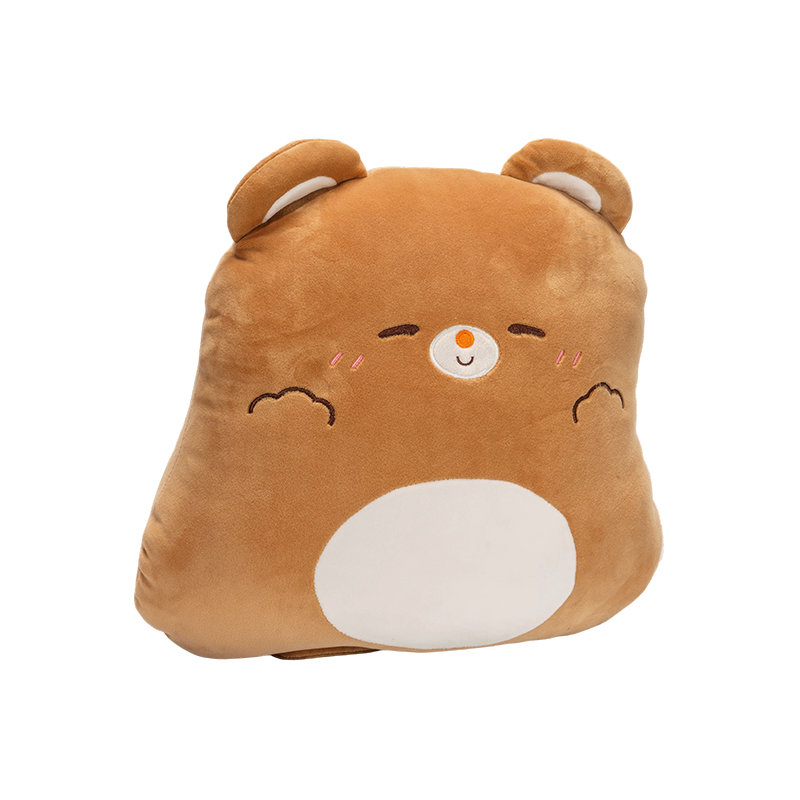 Brown Bear Plush Throw PillowA soft brown bear plush throw pillow with PP cotton filling and a 50 cm size, suited to home decor and huggable couch or bed comfort.View Product →
As a manufacturer, we see the most successful adult-oriented plush designs as quiet companions rather than loud novelties. They respect the buyer's taste, offer genuine tactile comfort, and leave room for the owner to decide what the object means.
A Normal, Human Comfort
The psychology of adults with stuffed animals is not a story about immaturity. It is a story about how people manage stress, hold onto memory, and make space for softness in a demanding world. For some, a plush toy is a sleep aid. For others, it is a collectible, a gift, or a small private ritual.
If your stuffed animal helps you feel calmer and more grounded, there is no reason to feel ashamed of it. Choose one that feels right for your space, care for it well, and let comfort be simple.