en
 русский
 Español
 عربى

Content
- 1 Why the Stuffed Animal Keychain Trend Is More Than a Moment
- 2 What Makes a Keychain Plush Work
- 3 Where the Trend Sells Best
- 4 Building a Wholesale Program Around Collectibles
- 5 Manufacturing and Customization Notes from Our Factory
- 6 A Buyer's Checklist for Stuffed Animal Keychains
- 7 How to Start a Stuffed Animal Keychain Program
Walk through a campus, craft fair, or commuter train and you will see them: small plush animals clipped to totes, backpacks, and keys. The stuffed animal keychain trend is not just a cute accessory moment. It is a shift in how people personalize everyday objects, signal taste, and carry a little comfort with them.
In our work with plush buyers, the same questions come up: What makes a keychain plush feel worth collecting? How do you build a range that stands out without creating inventory risk? And what should a wholesale program get right before the first sample is approved? This guide looks at the practical side of the trend, from design choices to retail planning.
Why the Stuffed Animal Keychain Trend Is More Than a Moment
Small plush charms sit at an useful intersection: they are affordable, visible, and easy to share. A shopper can add one to a bag without planning a large purchase, then come back for a second character or a different color. They photograph well, trade easily among collectors, and turn an ordinary backpack into a small display.
Part of the appeal is emotional. A tiny plush animal offers a portable bit of softness and personality. Part of it is practical. Keychains are light, easy to ship, and simple to merchandise beside bags, stationery, gifts, and accessories. They also give brands a low-commitment entry point for testing a new character, theme, or color story.
The trend also reflects a broader cultural upgrade in plush design. Buyers are no longer choosing only between a teddy bear and a bunny. They are looking at fabric hand-feel, facial expression, proportion, packaging, and the story a small character can tell. You can read more about that shift in our look at the broader cultural upgrade in plush design.
What Makes a Keychain Plush Work
Scale, weight, and attachment
A good keychain plush is light enough not to drag a bag, firm enough to hold its shape, and finished at the attachment point so it survives daily use. The difference between a sample that looks charming on a desk and a product that stays charming after a month on a backpack usually comes down to details: the swivel clasp, the key ring, the short strap, the hidden stitch, and the reinforcement behind the fabric.
Buyers should test the attachment before approving bulk production. Hang a weighted sample from a bag, open and close the clasp several times, and check whether the fabric around the hardware puckers or pulls. A small change in stitch density or strap length can make a noticeable difference.
Character and collectibility
The strongest ranges give shoppers a reason to pick one and come back for another. That does not require a complicated license or a giant character universe. It can come from a clear theme: animals, fruit, vegetables, insects, desserts, jobs, moods, or seasons. A fruit series can feel cheerful and giftable, with strong color blocking and simple embroidery.
 Cheerful Fruit Plush Keychain SeriesSoft plush fruit keychains with bright colors and compact size, easy to attach to keys or bags and suited to giftable, collectible assortments.View Product →
An insect series can appeal to shoppers who want something less expected, especially when the shapes are soft rather than realistic. The best collectible ranges usually have a recognizable silhouette, a consistent size, and enough variation to make browsing fun.
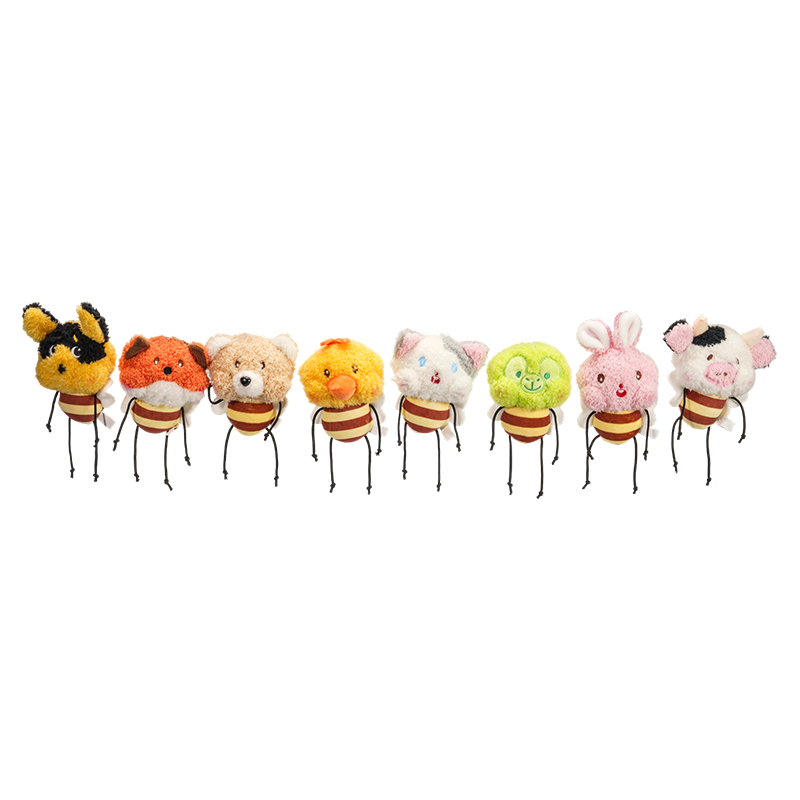 Colorful Soft Plush Animal KeychainsSoft plush keychains with playful animal motifs and PP cotton filling, compact for keys or bags and varied enough for an easy-to-browse range.View Product →
Softness, safety, and durability
Fabric choice shapes both the look and the price. Minky and short-pile fleece feel smooth and photograph well. Boa and longer piles create a fluffier, more tactile charm but need careful trimming and quality checks. Embroidery can add expression and durability, while printed details may suit more complex artwork. Stuffing should be soft but resilient, and small parts should be specified with the intended age group in mind.
For children's products, buyers should confirm applicable age grading, small-part requirements, and testing documentation before committing. Even when a keychain is positioned as an adult accessory, durability and finish still matter because the product will be handled, clipped, and unclipped many times.
Where the Trend Sells Best
Stuffed animal keychains work across gift shops, museum stores, campus shops, apparel displays, stationery sections, and online accessory stores. They are especially effective when merchandised beside the item they decorate: a tote wall, a backpack fixture, a pencil case display, or a small gift counter. Our plush keychain collection includes animal, fruit, dessert, insect, and long-limbed character styles, which gives buyers several directions to test without building a separate supplier network.
Promotional buyers use keychains as event giveaways, loyalty gifts, and add-ons to a larger plush or bag purchase. Seasonal assortments can refresh the same format with holiday colors, back-to-school themes, or summer travel motifs. In retail, placement matters as much as design. Hang one sample from a bag, keep a small open-stock bin within reach, and make the price point clear. Shoppers who can touch the plush and see it on a bag are more likely to understand why it belongs in their daily routine.
Building a Wholesale Program Around Collectibles
The most successful programs are planned in drops rather than one large, flat assortment. A first drop can test silhouettes and colors; a later drop can add characters, accessories, or seasonal variants. A mystery or blind-box format can add discovery, especially when the range has a clear family of characters and a display that invites repeat purchase.
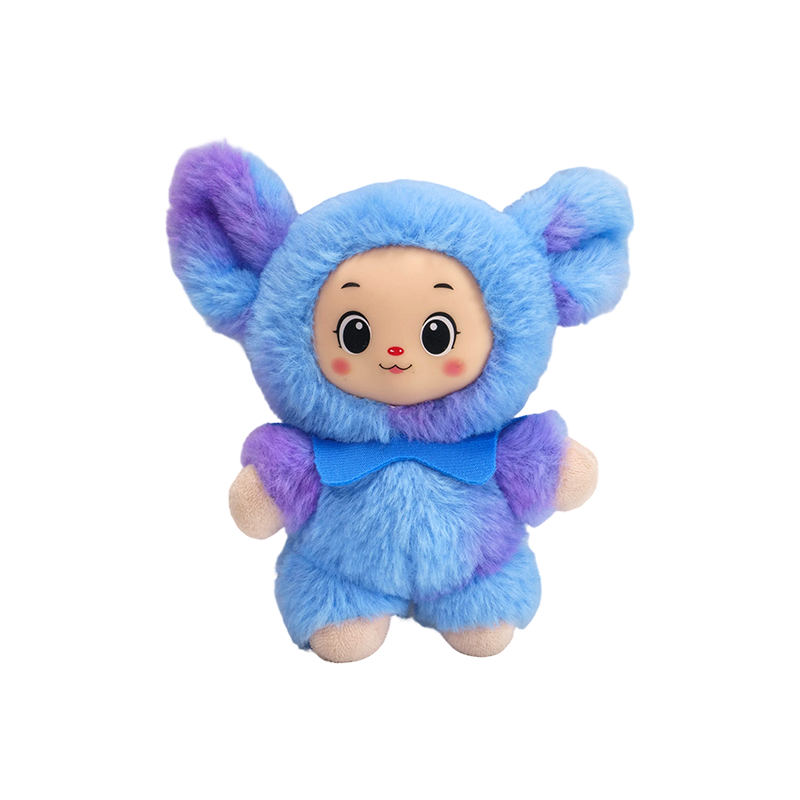 Customizable Plush Keychain Blind BoxA 15 cm customizable plush keychain blind box with soft plush, gradient painting and luminous effects, suited to collectible gifts and discovery-led assortments.View Product →
Packaging should support the story without creating unnecessary cost. Header cards, backing cards, hang tags, barcodes, and polybags all affect the retail experience and the unit cost. Keep the packaging easy to scan, easy to hang, and consistent across the range. Bundling is another useful lever: a keychain paired with a matching plush, a tote, or a stationery set can raise average order value while giving the customer a ready-made gift.
Manufacturing and Customization Notes from Our Factory
We have been making plush products since 2013, with research, design, production, and sales under one roof. Our factory covers more than 10,000 square meters, and our products are sold to markets in Europe, the Americas, Australia, Japan, and Korea. That experience has taught us that small plush items are not automatically simple. The smaller the product, the less room there is for a loose seam, an uneven face, or a hardware attachment that feels weak.
For keychain programs, the earlier you bring production into the conversation, the better. We can discuss fabric hand-feel, embroidery density, hardware options, attachment reinforcement, color matching, and packaging. We also ask about the destination market and intended age group so that sampling and documentation can be planned properly. Because we produce both standard and customized plush, we can help balance a trend-led range with practical lead times and consistent bulk production.
A Buyer's Checklist for Stuffed Animal Keychains
Before sampling, align the commercial idea with the technical details. A short checklist can prevent most of the back-and-forth that delays a launch.
| Decision area | What to confirm | Why it matters |
|---|---|---|
| Size and weight | Finished height, weight, and drop length on a bag | Affects comfort, perceived value, and shipping cost |
| Attachment | Clasp type, ring finish, strap reinforcement, and wear test | Reduces returns and keeps the product usable |
| Materials | Fabric pile, stuffing, embroidery, and trim | Shapes softness, durability, and price band |
| Age and safety | Age grading, small parts, and market-specific documentation | Supports responsible retail and smoother compliance review |
| Packaging | Hang tag, backing card, barcode, and display format | Affects shelf appeal, scanning, and gift suitability |
| Range plan | Number of styles, color variety, and repeat-purchase logic | Balances collection appeal with inventory control |
How to Start a Stuffed Animal Keychain Program
- Define the shopper and price band. Decide whether the keychain is an impulse add-on, a gift, a promotional item, or a collectible drop.
- Choose a theme with room to grow. A clear family of animals, foods, or characters makes the range easier to merchandise and expand.
- Approve the attachment with a wear test. Check the clasp, strap, stitching, and fabric around the hardware before bulk production.
- Plan packaging for the sales channel. Online listings, gift shops, and checkout displays need different levels of information and protection.
- Test a small drop, gather sell-through feedback, and scale the styles that earn repeat purchase.
Trends move quickly, but the keychain format has earned a lasting place because it fits so naturally into daily life. It is a small product with a clear job: add personality, carry a little softness, and make the ordinary feel more personal. For buyers, that means the opportunity is not simply to follow a trend, but to build a thoughtful range with strong characters, reliable hardware, and packaging that helps the product tell its story.
If you are exploring a stuffed animal keychain program, our team is glad to talk through styles, customization options, sampling, and production planning. We would rather help you get the details right early than rush a charming sample into a difficult launch.