en
en  русский
 Español
 عربى
عربى

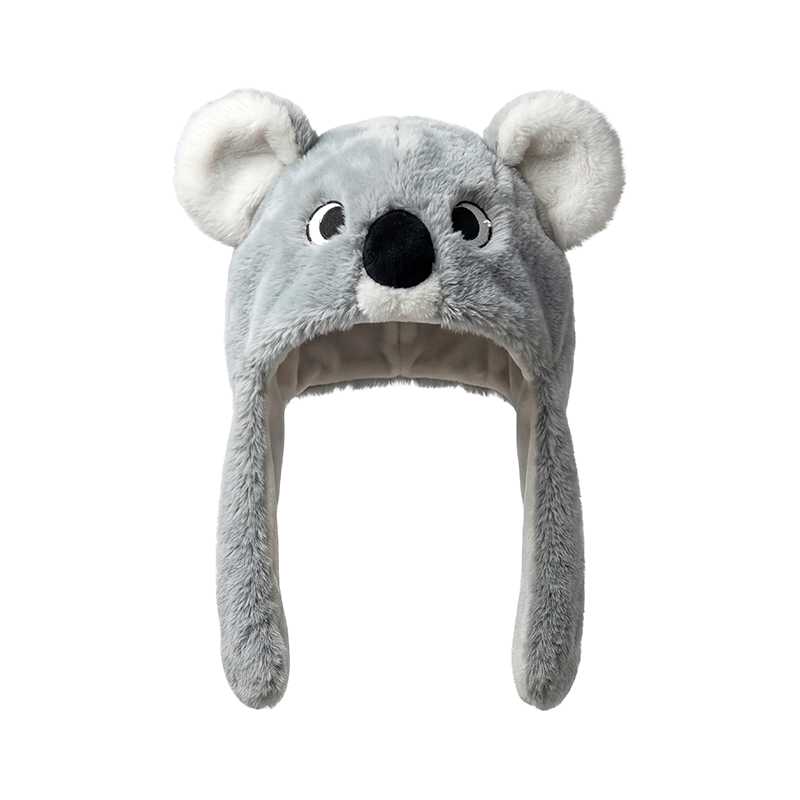
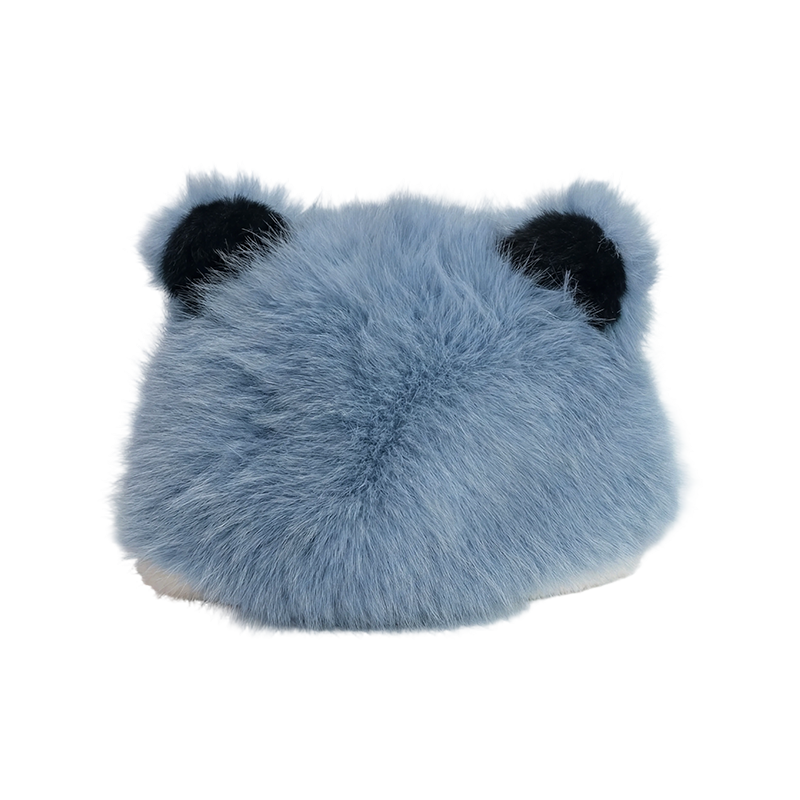
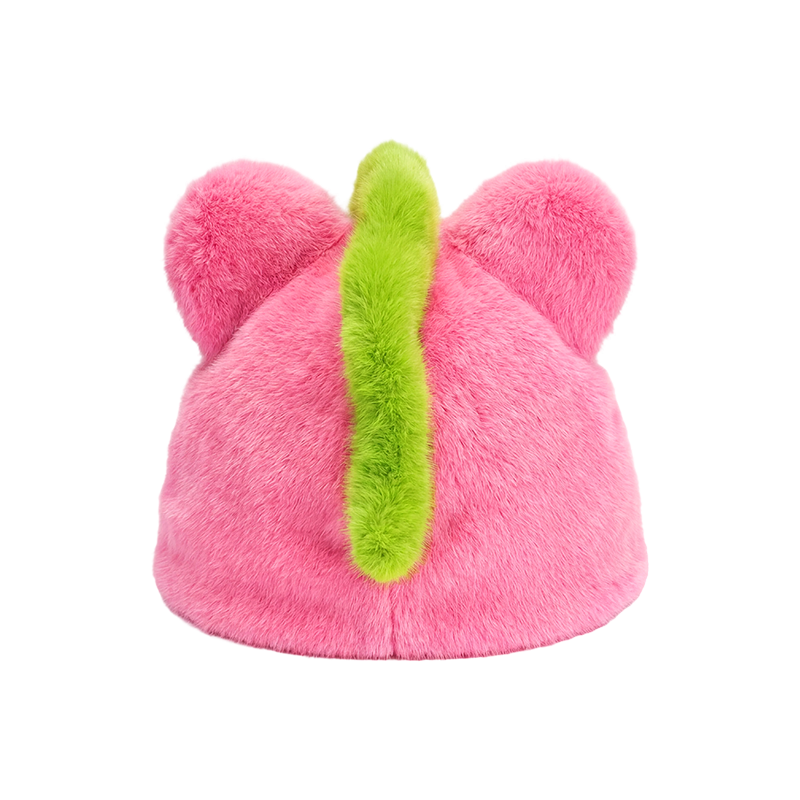

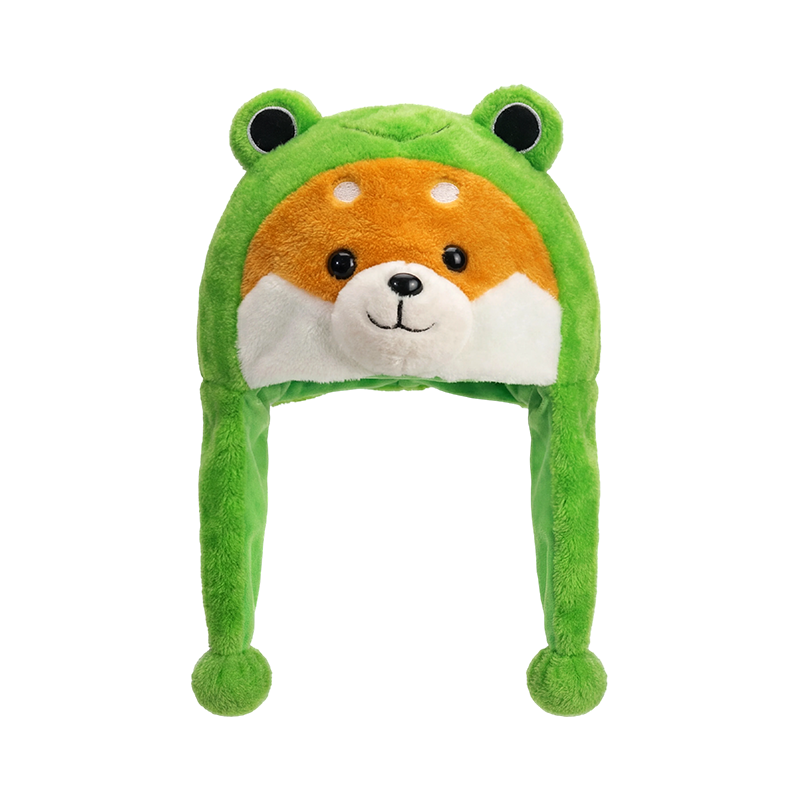
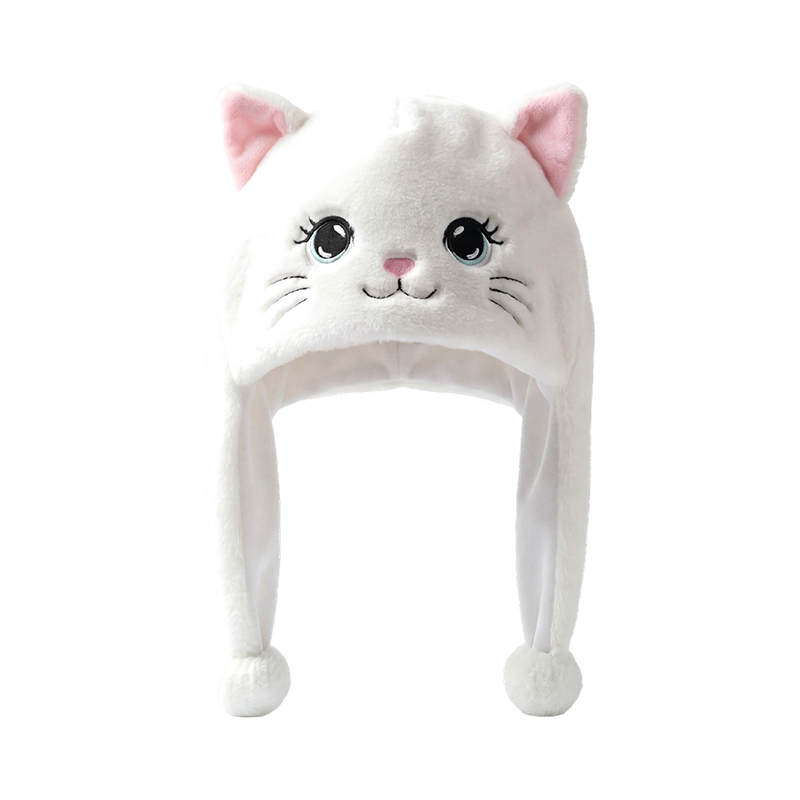
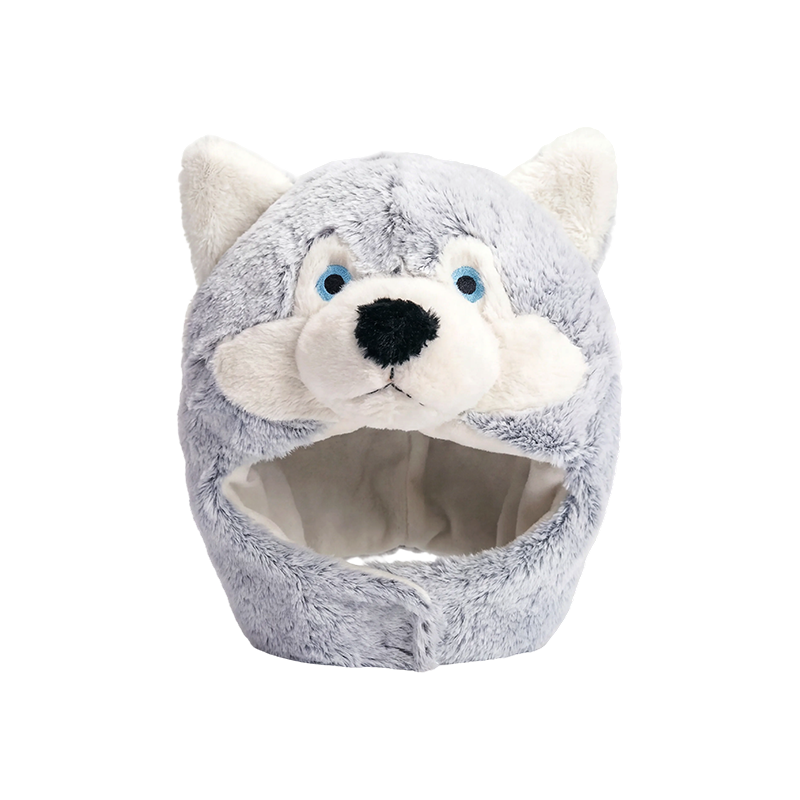
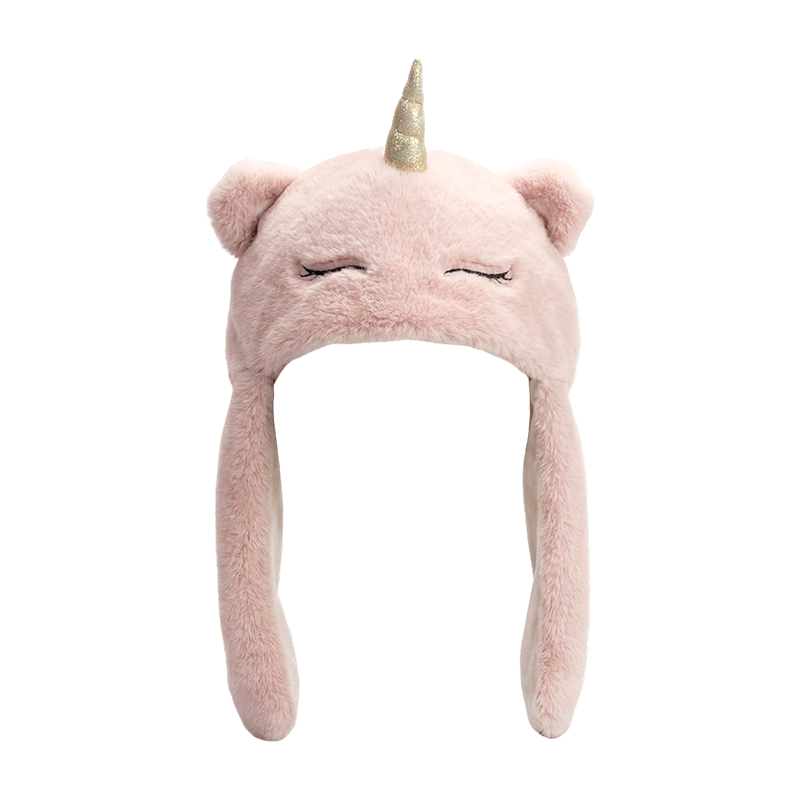
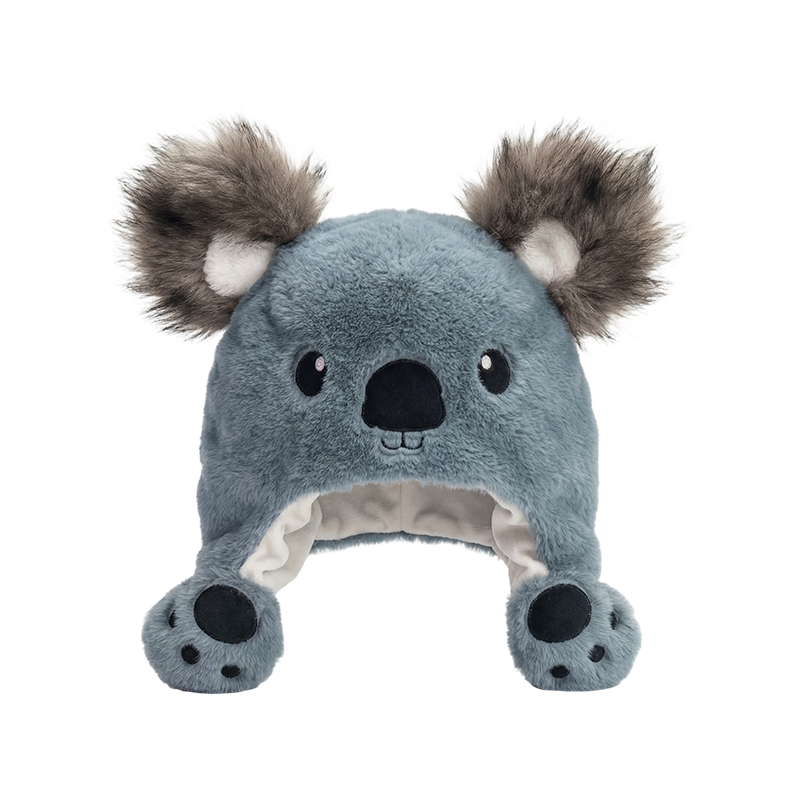
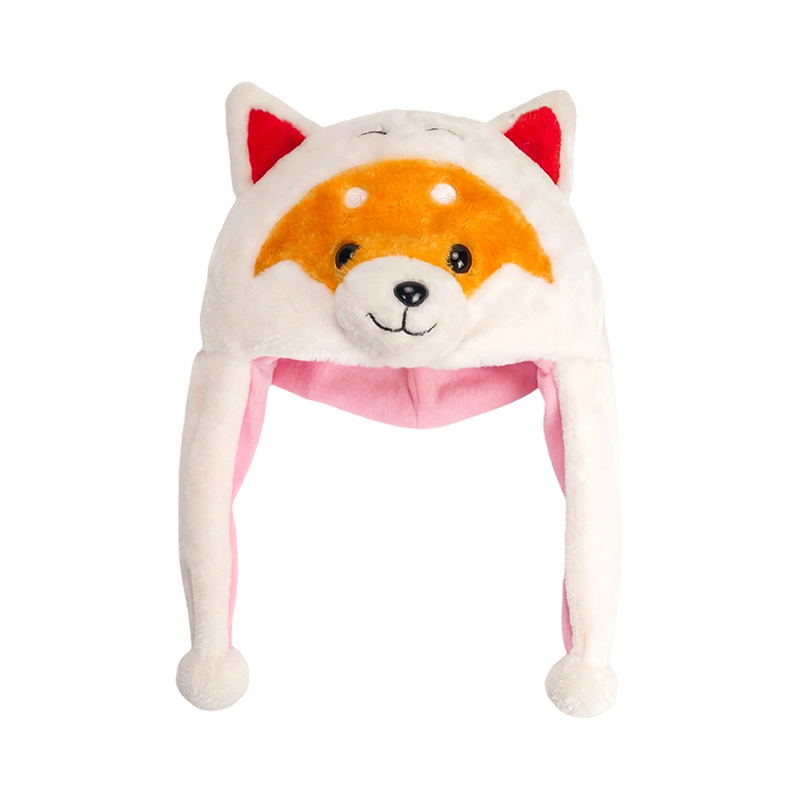
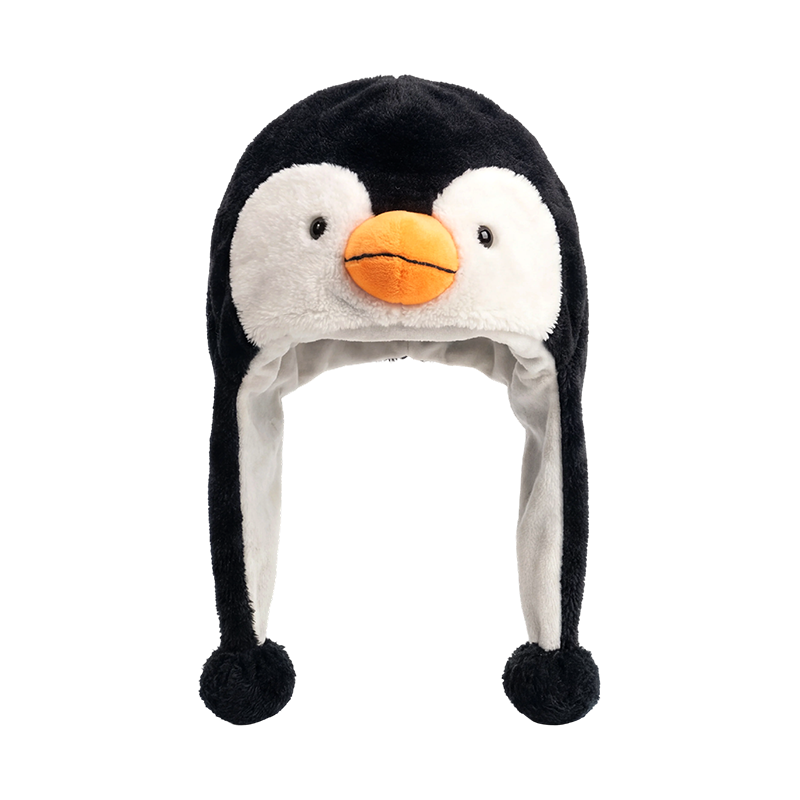




Durability and Performance of Plush Materials in Plush Hats
Resistance to Stretching
Plush hats require materials that maintain their shape while providing sufficient flexibility to fit different head sizes. Common fabrics include polyester plush, cotton blends, and synthetic velvets. Stretch tests measure the fabric’s ability to return to its original shape after repeated stretching, which is crucial for maintaining both fit and appearance over time. The resilience of these materials also affects the longevity of hats for children and pets, ensuring consistent performance under frequent use.
Wear and Abrasion Resistance
The outer surface of plush hats is subject to friction from handling, storage, and outdoor wear. Fabrics are selected and treated to withstand abrasion, which minimizes thinning, fraying, or surface wear. Abrasion resistance is typically measured using standardized rub tests to simulate long-term use. Fabrics like polyester plush and microfiber offer higher resistance, making them suitable for products that need to maintain appearance and softness after repeated contact.
Pilling Resistance
Pilling, the formation of small fiber balls on the fabric surface, can affect both the visual appeal and tactile feel of plush hats. Techniques to minimize pilling include tighter weaving of fibers, brushing, and applying anti-pilling chemical finishes. During production, materials undergo controlled friction tests to evaluate their tendency to pill. Fabrics with low pilling tendency are preferred for products intended for children or pets, as they maintain smooth surfaces and reduce the risk of loose fibers being ingested.
Internal Structure and Lining
The lining of plush hats contributes to both comfort and structural stability. Soft, breathable fabrics like cotton blends or microfiber are often used for inner linings. These materials support airflow, reduce moisture buildup, and provide gentle contact with the skin or fur. Lining fabrics are also assessed for durability, ensuring they withstand repeated wear without losing softness or tearing, which helps maintain the overall quality of the hat.
Comparative Table of Plush Hat Materials
| Material | Stretch Recovery | Abrasion Resistance | Pilling Tendency | Breathability |
| Polyester Plush | Moderate | High | Low | Moderate |
| Cotton Blend Plush | High | Moderate | Moderate | High |
| Velvet Plush | Moderate | Moderate | Moderate | Moderate |
| Microfiber Plush | High | High | Low | High |
Production Quality Control
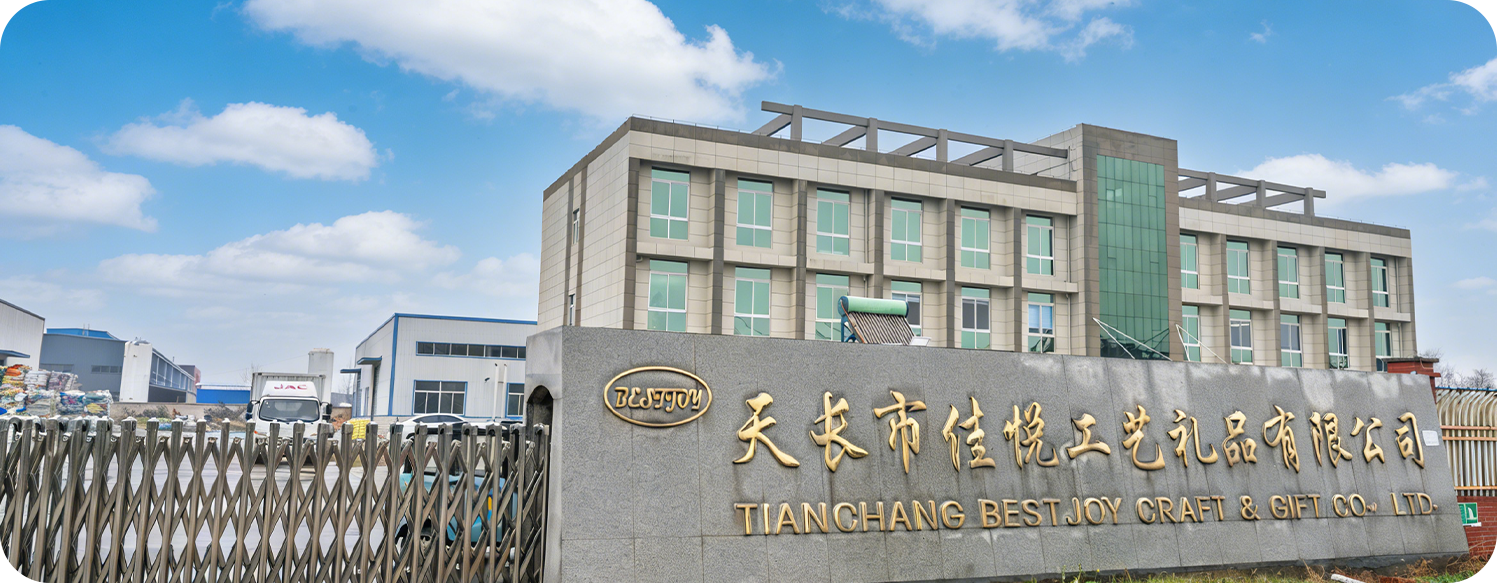
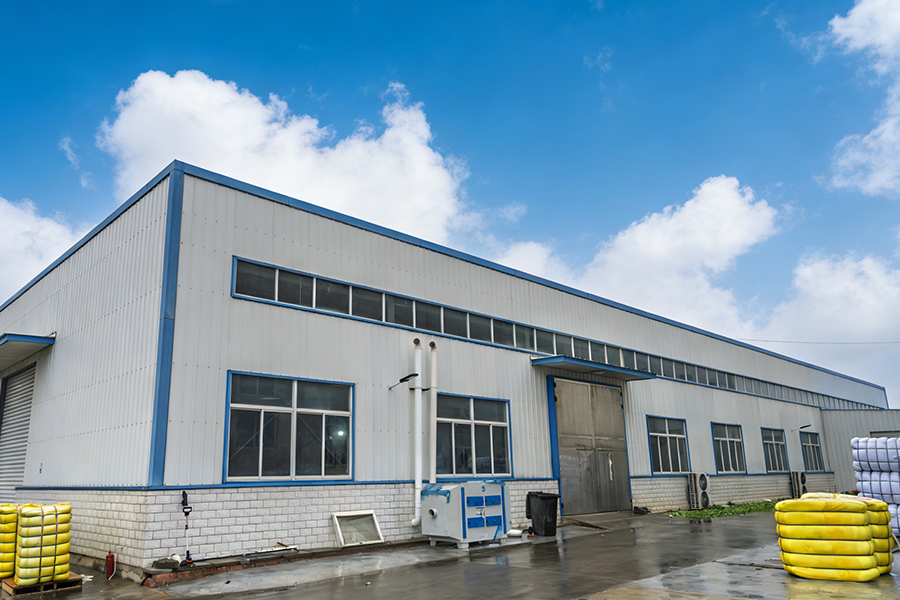
Tianchang Bestjoy Craft & Gift Co., Ltd. implements comprehensive quality control procedures during the production of plush hats. Raw fabrics are first tested for elasticity, surface strength, and uniformity. During assembly, stitching patterns are monitored to reduce stress on high-wear areas like the brim or seams. Finished products undergo evaluations for stretch recovery, abrasion cycles, and pilling. This ensures each hat maintains consistent durability, suitable for repeated wear by children, adults, or pets.
Design Considerations for Durability
Designers incorporate fabric reinforcement in areas exposed to frequent friction, such as edges and folds, to enhance the hat's lifespan. Seam placement and lining integration are optimized to reduce tension points that can lead to material wear. These design measures contribute to structural stability while maintaining the soft, plush appearance and comfort of the hat.
Care and Maintenance Recommendations
Maintaining the durability of plush hats involves gentle cleaning and proper storage. Hand washing or surface cleaning with mild detergents is recommended, followed by air drying to preserve fiber elasticity. Avoiding high-temperature washing and excessive friction prevents weakening of fibers and reduces the likelihood of pilling. Proper care ensures that plush hats continue to provide comfort and maintain appearance over extended use.
Emerging Material Innovations
The plush industry is advancing with new fiber blends, anti-pilling finishes, and breathable synthetic fabrics. These materials are designed to improve stretch recovery, surface abrasion resistance, and long-term wear performance. Manufacturers like Tianchang Bestjoy adapt these materials to meet both safety standards and durability requirements, providing plush hats that remain soft, visually appealing, and resilient for daily use.
Testing for Long-Term Performance
Durability testing for plush hats includes repeated stretching, abrasion cycles, and friction tests to simulate extended use. Additionally, environmental tests assess the impact of humidity and temperature changes on fabric integrity. These evaluations help manufacturers identify potential weaknesses and refine material selection and construction methods to ensure plush hats sustain their softness, shape, and surface quality over time.
FAQ
Q: How does Tianchang Bestjoy ensure plush hats maintain their shape and softness over time?
A: The company selects plush fabrics that combine flexibility and durability. Each material undergoes stretch and abrasion tests, and assembly processes are carefully monitored to ensure seams and linings support the hat’s structure while retaining softness.
Q: Are the materials used in plush hats safe for children and pets?
A: Yes, all fabrics and fillings are tested to meet international safety standards such as ASTM F963, EN71, and ISO 8124. These tests confirm that plush hats do not contain harmful chemicals and are safe for prolonged contact with skin or fur.
Q: What features improve the durability of plush hats during regular use?
A: Plush hats are designed with reinforced stitching in high-stress areas, anti-pilling finishes, and abrasion-resistant fabrics. These features help prevent wear and tear, maintain surface smoothness, and support long-term use.
Q: Can plush hats be customized for promotional purposes?
A: Yes, customization options include embroidery, color variations, logo placement, and themed designs. Customization is performed while maintaining the quality and safety standards of the plush materials.
Q: How should plush hats be cleaned to maintain their appearance and texture?
A: Gentle hand washing or surface cleaning with mild detergents is recommended, followed by air drying. Avoiding high heat and aggressive scrubbing helps preserve fabric elasticity, softness, and resistance to pilling.
Q: Do plush hats offer ventilation to improve comfort during wear?
A: Certain designs incorporate breathable linings or lightweight plush fabrics that allow airflow, reducing moisture accumulation and improving comfort during extended periods of wear for children and pets.
Q: What measures are taken to reduce pilling on plush hats?
A: Material selection, tighter yarn construction, and anti-pilling treatments are applied to minimize surface fiber balls. Finished products undergo friction testing to ensure a smooth, consistent surface suitable for repeated use.